
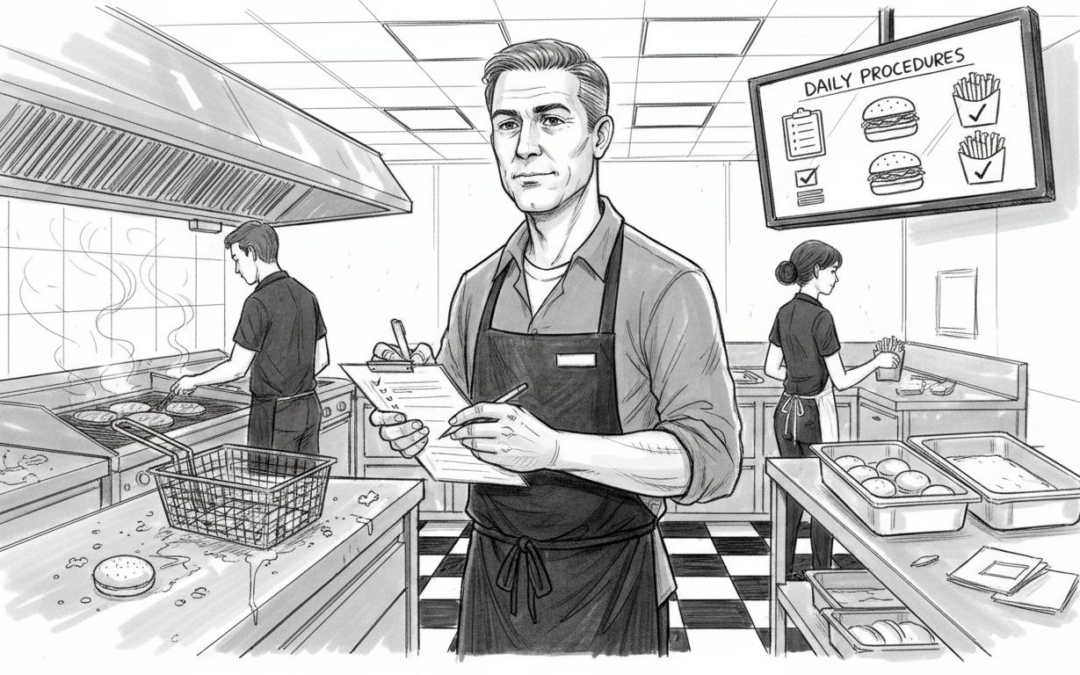
Running a fast food restaurant in the UK means juggling speed, accuracy, and compliance every single day. During peak hours, even small mistakes can snowball into customer complaints, wasted food, and regulatory issues. A well-designed operations checklist transforms these challenges into manageable, standardised tasks that your team can execute consistently. This article reveals how to build and implement an effective fast food operations checklist tailored specifically for UK restaurants, backed by evidence showing measurable improvements in order accuracy, food safety compliance, and staff efficiency. You’ll discover practical criteria for evaluating checklists, essential components to include, and actionable strategies for customisation.
Table of Contents
- How To Evaluate Your Fast Food Operations Checklist Criteria
- Essential Components Of A Fast Food Operations Checklist
- Comparison Of Paper Vs Digital Operational Checklists For Fast Food
- Making The Final Decision: Tailoring Your Fast Food Operations Checklist For UK Restaurants
- Enhance Your Fast Food Operations With EzeePOS Solutions
- Frequently Asked Questions
Key takeaways
| Point | Details |
|---|---|
| Improved accuracy | Standardised checklists improve order accuracy by up to 10% and reduce customer complaints. |
| Enhanced compliance | Restaurants with operational checklists have 20% higher compliance with food safety regulations in the UK. |
| Faster training | Checklists accelerate new staff onboarding by providing clear, step-by-step guidance for every shift. |
| Consistent quality | Regular checklist use ensures food preparation standards remain uniform across all service periods. |
| Operational efficiency | Digital checklists integrate with POS and kitchen systems to streamline workflows and reduce errors. |
How to evaluate your fast food operations checklist criteria
Before implementing any checklist, you need clear evaluation criteria to separate effective tools from time-wasting paperwork. The best checklists transform complex operational tasks into simple, actionable steps that any team member can follow without confusion. Checklists must be concise, easy to understand, and regularly reviewed to remain effective, according to Food Standards Agency guidance.
Your checklist should break down multi-step processes like opening procedures, food preparation sequences, and closing routines into discrete actions. Each item needs a clear completion marker so staff know exactly when they’ve finished a task. Avoid vague instructions like “prepare kitchen” and instead specify “check all refrigeration units are between 0-5°C and log temperatures.”
Regular updates are non-negotiable. Menu changes, equipment upgrades, and evolving regulations mean yesterday’s checklist can become today’s liability. Schedule monthly reviews to ensure every item remains relevant and compliant with current UK food safety standards. Remove outdated tasks immediately and add new requirements as they emerge.
Training integration determines whether your checklist becomes a genuine operational tool or another ignored document. New staff should learn checklist procedures during onboarding, with experienced team members demonstrating proper completion. This approach builds consistency and ensures everyone interprets tasks the same way.
Digital checklists offer significant advantages over paper versions. Real-time updates reach every device instantly, eliminating the lag between policy changes and floor implementation. Staff can access checklists on tablets or smartphones, making them available exactly where work happens. Consider how digital tools integrate with your existing fast food order processing guide to create seamless workflows.
Pro Tip: Test your checklist with new staff during their first week. If they struggle to complete tasks without constant supervision, your checklist needs clearer instructions or better task breakdown.
Avoid generic, one-size-fits-all checklists downloaded from the internet. Your restaurant’s specific equipment, menu complexity, and service style require customised procedures. A burger-focused operation has different preparation sequences than a chicken shop or pizza outlet. Tailor every checklist item to your actual operational reality.
Essential components of a fast food operations checklist
Every effective fast food operations checklist must cover five core operational areas: order accuracy, food preparation standards, hygiene protocols, staff responsibilities, and safety checks. These components form the foundation for consistent service quality and regulatory compliance.
Order verification processes prevent costly mistakes and customer dissatisfaction. Your checklist should include steps for confirming order details before preparation begins, checking completed orders against tickets before handoff, and verifying special requests or dietary modifications. Standardised checklists improve order accuracy by up to 10% by eliminating guesswork and ensuring consistent verification procedures.
Food preparation standards maintain quality across every shift and every team member. Include specific temperature requirements for cooking and holding, portion sizes for each menu item, and assembly sequences that ensure consistency. Document cooking times, resting periods, and plating guidelines so every burger, wrap, or box looks and tastes identical regardless of who prepared it.
Hygiene protocols protect customers and ensure compliance with UK regulations. Your checklist must detail handwashing frequencies, glove changes, surface sanitisation schedules, and equipment cleaning procedures. Restaurants with operational checklists have 20% higher compliance with food safety regulations because written procedures eliminate ambiguity about hygiene expectations.
Implement these critical hygiene checklist items:
- Hand washing before starting work, after handling raw ingredients, and every 30 minutes during service
- Surface sanitisation between different food types and every two hours during peak periods
- Equipment temperature checks at opening, mid-shift, and closing
- Waste disposal procedures including bin emptying schedules and pest prevention measures
Staff role assignments eliminate confusion during busy periods. Clearly define who handles front counter, drive-through, food preparation, and cleaning during each shift. Rotate responsibilities to prevent burnout and cross-train team members for operational flexibility. Your checklist should specify handover procedures when shifts change to maintain service continuity.

Safety checks protect staff and customers from accidents and equipment failures. Include daily inspections of cooking equipment, ventilation systems, fire suppression equipment, and emergency exits. Document these checks with timestamps and staff signatures to create accountability and audit trails.
Number your opening procedures for clarity:
- Unlock premises and disable security systems
- Check all refrigeration and freezer units are within safe temperature ranges
- Inspect cooking equipment for damage or malfunction
- Verify ingredient stock levels against day’s projected sales
- Complete all food preparation tasks before opening time
- Brief team on daily specials, promotions, and operational priorities
Pro Tip: Integrate your checklist with your benefits of POS for fast food restaurants system to automatically track completion rates and identify which tasks staff consistently skip or delay.
Maintain your restaurant inventory checklist UK guide alongside operational procedures to ensure stock levels support your preparation requirements. Running out of key ingredients during peak hours creates stress and lost revenue that proper checklist integration prevents.
Comparison of paper vs digital operational checklists for fast food
Choosing between paper and digital checklists significantly impacts operational efficiency, compliance tracking, and long-term costs. Each format offers distinct advantages and limitations that UK fast food managers must weigh carefully.
Paper checklists require minimal upfront investment. You can create and print them immediately without purchasing software or hardware. Staff familiar with traditional methods adopt them quickly, and they work regardless of power outages or technical failures. However, paper checklists deteriorate in kitchen environments, get lost during busy periods, and require manual filing for compliance audits.
Digital solutions transform checklists into dynamic operational tools. Digital checklists enable real-time updates and improve staff access, enhancing compliance according to food safety inspection standards. When you update a digital checklist, every device receives changes instantly, eliminating the lag between policy updates and floor implementation.
| Feature | Paper checklists | Digital checklists |
|---|---|---|
| Initial cost | Low (printing only) | Medium to high (software and devices) |
| Update speed | Slow (reprint and distribute) | Instant (automatic sync) |
| Audit trail | Manual filing required | Automatic timestamped records |
| Staff reminders | None | Automated notifications |
| Integration | None | Links with POS and kitchen systems |
| Durability | Degrades in kitchen conditions | Device-dependent but data persists |
| Accessibility | Single location only | Multi-device access anywhere |
Digital systems integrate seamlessly with quick-service POS guide platforms and kitchen display systems UK solutions. This integration creates closed-loop workflows where order entry triggers preparation checklists, completion updates inventory levels, and analytics identify bottlenecks automatically.
The upfront cost for digital tools initially seems prohibitive, but labour savings and compliance improvements offset this investment quickly. Digital checklists reduce manager time spent on manual compliance tracking, eliminate printing costs, and provide data-driven insights into operational inefficiencies. Most UK fast food operations recover digital checklist costs within six to twelve months through reduced waste and improved efficiency.
Consider your team’s technical comfort level when choosing formats. Younger staff typically adapt to digital tools immediately, whilst some experienced team members may need additional training. Device availability also matters. If your restaurant already uses tablets for orders, adding checklist functionality requires minimal additional hardware.
Pro Tip: Adopt a hybrid approach initially to ease the transition. Keep paper backup checklists whilst staff learn digital systems, then phase out paper once everyone demonstrates competence with the new tools.
Digital checklists shine during multi-location operations. Franchises and chains can standardise procedures across every site, monitor compliance centrally, and identify which locations need additional support. This visibility transforms operational management from reactive firefighting to proactive improvement.
Making the final decision: tailoring your fast food operations checklist for UK restaurants
Customisation separates genuinely useful checklists from generic templates that waste time without improving operations. Your restaurant’s specific menu complexity, equipment variety, peak service times, and staffing patterns demand tailored procedures that address your unique operational reality.
Menu complexity directly influences checklist detail requirements. A simple menu with five core items needs straightforward preparation checklists, whilst restaurants offering customisable meals with multiple ingredients require detailed assembly procedures. Customised checklists adapted to restaurant specifics ensure maximum effectiveness according to Food Standards Agency business guidance.
Equipment variety affects maintenance and safety check procedures. Document specific cleaning requirements for each piece of equipment, including fryers, grills, ovens, and refrigeration units. Include manufacturer-recommended maintenance schedules and troubleshooting steps for common issues. This specificity prevents equipment failures during peak periods.
Compare popular checklist software features before committing to a platform:
| Feature | Basic digital tools | Advanced restaurant platforms | Integrated POS solutions |
|---|---|---|---|
| Custom templates | Limited pre-built options | Fully customisable | Industry-specific templates |
| Mobile access | App-based only | Cross-platform (app and web) | Native POS integration |
| Update notifications | Manual push | Automatic alerts | Real-time sync |
| Reporting | Basic completion rates | Detailed analytics | Integrated operational dashboards |
| Cost | £10-30 per month | £50-150 per month | Included with POS subscription |
| Training required | Minimal | Moderate | Minimal (familiar interface) |
Peak service times demand streamlined checklists that staff can complete quickly without sacrificing thoroughness. Identify which checks must happen during quiet periods and which require completion regardless of customer volume. Separate pre-service preparation checklists from in-service monitoring tasks to prevent bottlenecks.
Staffing patterns influence checklist assignment strategies. Smaller teams need cross-trained staff who can complete multiple checklist areas, whilst larger operations can specialise roles. Document minimum staffing requirements for each checklist section to ensure adequate coverage during all shifts.
Implement these customisation best practices:
- Involve frontline staff in checklist development to capture practical insights managers might miss
- Test new checklist items during quiet periods before rolling them out to peak service
- Collect feedback monthly and adjust procedures based on real operational experience
- Photograph correct completion of visual tasks like food plating or station setup
Training staff on checklist use requires more than simply handing them a document. Demonstrate proper completion during onboarding, pair new staff with experienced team members for supervised practice, and provide regular refresher training as procedures evolve. Monitor completion rates to identify which tasks staff consistently skip or struggle with, then provide additional training or simplify those items.
Compliance monitoring ensures checklists deliver their intended benefits. Review completed checklists daily for the first month after implementation, then transition to weekly spot checks once staff demonstrate consistent completion. Use your restaurant inventory management tips to cross-reference checklist compliance with actual operational outcomes like waste levels and customer complaints.
Pro Tip: Schedule quarterly reviews of checklist relevance and effectiveness with your entire team. Staff working with procedures daily often identify improvement opportunities that managers miss. This collaborative approach builds buy-in and ensures checklists remain practical tools rather than bureaucratic burdens.
Document your customisation decisions and the reasoning behind them. When staff question why certain procedures exist, you can explain the operational benefits or regulatory requirements driving those choices. This transparency builds understanding and compliance.
Enhance your fast food operations with EZEEPos solutions
Operational checklists work best when supported by technology designed specifically for fast-paced quick service environments. EZEEPos provides tailored POS systems that integrate seamlessly with your checklist-driven procedures, creating unified workflows from order entry through food preparation to customer handoff.
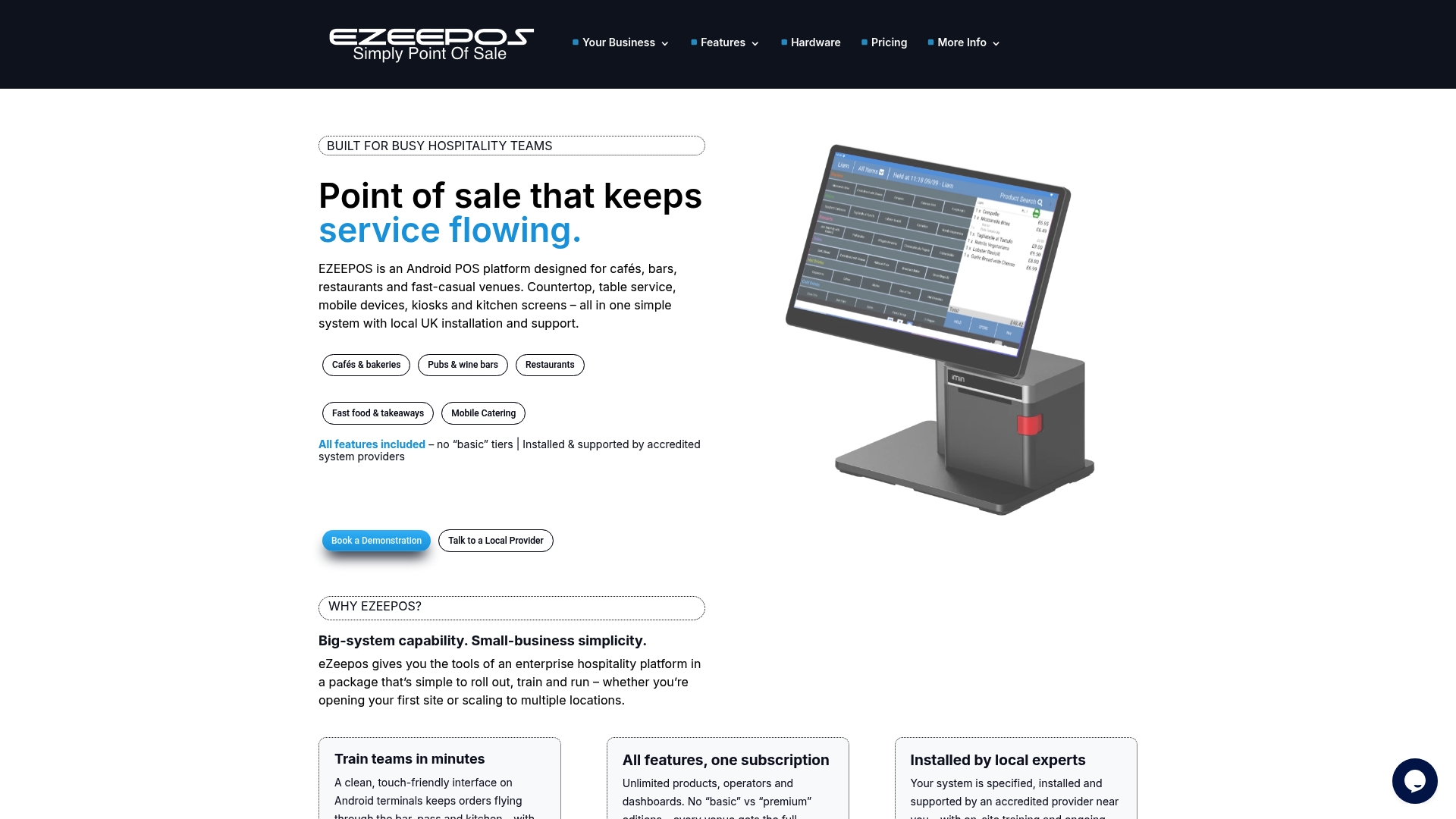
Our point of sale software for quick service chains streamlines order processing whilst maintaining the accuracy your checklists demand. Real-time order tracking ensures kitchen staff receive clear, consistent instructions that align with your preparation standards. The integrated inventory management solution automatically tracks stock levels, alerting you when ingredients run low and preventing the stockouts that disrupt checklist-driven operations. Kitchen order screens for restaurants display preparation checklists alongside order details, ensuring staff follow proper procedures for every item. This integration eliminates the disconnect between what checklists require and what technology supports, creating smooth operations that deliver consistent quality and efficiency.
Frequently asked questions
What is a fast food operations checklist, and why is it important?
A fast food operations checklist is a step-by-step guide that standardises daily tasks across opening procedures, food preparation, hygiene protocols, and closing routines. It reduces human error by providing clear instructions that any team member can follow, ensuring consistent quality regardless of who’s working. Checklists improve speed by eliminating decision-making delays and support compliance with UK food safety regulations through documented procedures.
How often should I update my fast food operations checklist?
Review your checklist monthly to ensure all items remain relevant and compliant with current regulations. Update immediately when you change menu items, purchase new equipment, or receive guidance about modified food safety requirements. Quarterly reviews with your full team help identify outdated procedures and capture improvement suggestions from staff working with checklists daily.
Can digital checklists integrate with existing restaurant technology?
Modern digital checklists integrate seamlessly with POS systems, kitchen display screens, and inventory management platforms. This integration creates automated workflows where order entry triggers preparation checklists, completion updates stock levels, and analytics identify operational bottlenecks. Choose checklist software that offers API connections or native integration with your existing restaurant technology stack.
How do operational checklists accelerate staff training?
Checklists provide new staff with clear, written procedures they can reference independently rather than relying on constant supervision. Trainees learn correct task sequences, timing requirements, and quality standards directly from checklist instructions. This structured approach reduces training time by up to 40% whilst ensuring every new team member learns identical procedures, eliminating the inconsistency that occurs when different trainers teach different methods.
What’s the biggest mistake restaurants make with operational checklists?
The most common mistake is creating overly complex checklists that staff find too time-consuming to complete properly. When checklists include unnecessary detail or vague instructions, team members skip items or tick boxes without actually performing tasks. Keep checklists concise, use clear action verbs, and focus on critical procedures that directly impact food safety, quality, or customer satisfaction rather than documenting every minor task.
Recommended
- Restaurant technology checklist for UK venues 2026
- Streamline your UK restaurant inventory with a checklist
- EZEEPos Solution Blogs – Latest Articles Insights
- 6 Key Benefits of POS for Fast Food Restaurants UK
- Snelle checklist frietwagen reserveren voor elk evenement
- 8 Steps to a Successful Business Execution Checklist
Recent Comments