

Trying to keep your restaurant’s inventory under control can feel overwhelming—with food safety, waste reduction, and profitability all depending on the accuracy of your process. The stakes are high and every misplaced order or expired ingredient cuts into your bottom line. If you want to worry less about waste and errors, you need strategies that go beyond simple stock counting. This list brings together proven steps, from adopting digital product passports to automating stock checks, that are supported by guidance from the Food Standards Agency and cutting-edge research at SURREY. Get ready to discover actionable ideas that will help you safeguard food quality, save time, and run a more efficient kitchen.
Table of Contents
- 1. Track Inventory Levels Regularly For Accuracy
- 2. Use POS Systems To Automate Stock Management
- 3. Standardise Portion Control And Recipe Tracking
- 4. Implement First-In, First-Out (FIFO) Procedures
- 5. Schedule Routine Stock Audits To Prevent Losses
- 6. Train Staff On Proper Inventory Handling
- 7. Analyse Reports To Adjust Ordering And Reduce Waste
Quick Summary
| Takeaway | Explanation |
|---|---|
| 1. Regularly Track Inventory Levels | Consistent inventory tracking prevents waste and optimises purchasing, ensuring precise stock levels crucial for operational efficiency. |
| 2. Automate Stock Management with POS Systems | Integrating advanced POS technology helps streamline inventory management, providing real-time tracking and reducing errors significantly. |
| 3. Standardise Portion Control and Recipes | Detailed recipe documentation ensures consistent food quality and helps control ingredient costs while simplifying staff training. |
| 4. Implement FIFO Stock Rotation | Following FIFO procedures reduces waste and prevents spoilage by ensuring older stock is used first, thus enhancing food safety. |
| 5. Conduct Routine Stock Audits | Regular stock audits identify discrepancies early, helping to prevent losses and ensuring accurate financial management in restaurant operations. |
1. Track Inventory Levels Regularly for Accuracy
Managing restaurant inventory is more than just counting stock—it’s a critical strategy for maintaining food safety, controlling costs, and ensuring operational efficiency. Regular and systematic inventory tracking helps restaurants prevent waste, optimise purchasing, and maintain precise stock levels.
The Food Standards Agency recommends implementing robust stock control procedures that go beyond simple counting. Restaurants should focus on comprehensive inventory management that includes:
- Tracking stock before each ordering cycle
- Monitoring ingredient use-by dates
- Checking delivery temperatures and conditions
- Implementing first-in, first-out (FIFO) stock rotation
Accurate inventory tracking begins with real-time digital product monitoring, which allows restaurants to make informed purchasing decisions. By leveraging technology, kitchens can track perishable items’ freshness and reduce potential food waste significantly.
Consistent record-keeping plays a pivotal role in maintaining inventory accuracy. Establish a standardised system where staff log stock levels, record ingredient usage, and report any discrepancies immediately. This approach not only helps prevent inventory shrinkage but also provides valuable insights into consumption patterns.
Pro tip: Conduct weekly physical inventory counts and cross-reference them with digital records to identify and address any potential tracking inconsistencies.
2. Use POS Systems to Automate Stock Management
Modern restaurants are increasingly turning to advanced point-of-sale (POS) technology to revolutionise their inventory management processes. By integrating intelligent software systems, restaurants can transform manual stock tracking into a seamless, automated experience.
Automated stock management offers significant advantages for hospitality venues, including:
- Real-time inventory tracking
- Automatic stock level updates
- Precise ingredient usage monitoring
- Instant low-stock alerts
- Simplified ordering processes
Integrated POS systems enable restaurants to track ingredient consumption dynamically, providing precise insights into stock movements. When an item is sold, the system automatically deducts it from inventory, creating a continuous and accurate picture of available ingredients.
Technology like dynamic digital product passports now allows restaurants to monitor food product conditions in real-time, supporting more intelligent inventory decisions. This approach helps minimise waste by providing instantaneous updates on ingredient freshness and availability.
Automated stock management can reduce inventory tracking errors by up to 70%, significantly improving operational efficiency.
Restaurants should select POS systems that offer comprehensive integration, allowing seamless communication between sales, ordering, and inventory management platforms. Look for systems that provide detailed reporting, enable bulk ingredient tracking, and support menu engineering strategies.
Pro tip: Configure your POS system to set automatic reorder points for key ingredients, ensuring you never unexpectedly run out of critical stock.
3. Standardise Portion Control and Recipe Tracking
Precision is the cornerstone of successful restaurant operations. Standardising portion control and recipe tracking transforms recipe management from a guessing game into a strategic business process that directly impacts profitability and consistency.
Systematic recipe documentation provides multiple critical benefits:
- Ensures consistent food quality
- Controls ingredient costs
- Simplifies staff training
- Supports accurate nutritional reporting
- Facilitates allergen management
Food safety guidelines emphasise the importance of standardised recipes as a fundamental aspect of professional kitchen management. By creating detailed recipe cards with exact ingredient quantities and preparation methods, restaurants can maintain uniform dish quality across different shifts and staff members.
Accurate portion control can reduce food costs by up to 15% while improving customer satisfaction through consistent dining experiences.
Restaurants should develop comprehensive recipe documentation that includes precise measurements, step-by-step preparation instructions, cooking temperatures, plating guidelines, and potential variations. Digital platforms and POS systems can help track ingredient usage and provide real-time insights into recipe performance and cost efficiency.
Key elements of effective recipe tracking include:
- Photograph each finished dish
- List exact ingredient quantities
- Include preparation and cooking times
- Note potential allergens
- Update recipes quarterly
Pro tip: Create a digital recipe management system that allows easy updates and ensures all staff members have access to the most current version of each recipe.
4. Implement First-In, First-Out (FIFO) Procedures
First-In, First-Out (FIFO) represents a critical inventory management strategy that helps restaurants minimise food waste and maintain optimal stock freshness. This systematic approach ensures ingredients are used in the precise order they were received, preventing spoilage and supporting food safety protocols.
FIFO stock rotation benefits include:
- Reduces ingredient waste
- Prevents expired stock usage
- Improves food safety standards
- Supports cost-effective inventory management
- Ensures consistent ingredient quality
Food safety guidelines emphasise FIFO as a fundamental practice for maintaining high standards in food preparation environments. Implementing this method requires deliberate organisational strategies and staff training.
Effective FIFO implementation can reduce food waste by up to 20% and significantly lower unnecessary inventory expenses.
To execute FIFO successfully, restaurants should:
- Label all incoming ingredients with delivery dates
- Place newer stock behind existing inventory
- Train kitchen staff on proper stock rotation techniques
- Conduct regular inventory audits
- Use clear storage containers with transparent labelling
Digital inventory management systems can further streamline FIFO procedures by providing real-time tracking and automated expiration alerts.
Pro tip: Create colour-coded date labels and establish a clear staff training programme to ensure consistent FIFO implementation across all kitchen operations.
5. Schedule Routine Stock Audits to Prevent Losses
Routine stock audits represent a critical defence against inventory shrinkage and financial losses in restaurant operations. By systematically tracking and verifying stock levels, restaurants can identify discrepancies before they become costly problems.
Stock audit benefits include:
- Early detection of inventory discrepancies
- Reduction of potential theft
- Accurate financial reporting
- Improved supply chain management
- Enhanced food cost control
Food safety guidelines emphasise the importance of regular physical stock checks and maintaining meticulous records to support operational integrity.
A comprehensive stock audit can uncover up to 5% of potential inventory losses that might otherwise go unnoticed.
Restaurants should establish a structured audit process that includes:
- Weekly physical inventory counts
- Cross-referencing digital and physical records
- Investigating any quantity or value discrepancies
- Documenting audit findings
- Implementing corrective actions
Modern POS systems can streamline this process by providing real-time tracking and automated reporting tools that simplify inventory verification.
Pro tip: Assign stock audit responsibilities to different team members each time to maintain objectivity and reduce the risk of overlooking potential issues.
6. Train Staff on Proper Inventory Handling
Staff training is the cornerstone of effective inventory management in restaurants. Without comprehensive education, even the most sophisticated inventory systems can fail due to human error.
Critical training areas include:
- Food safety protocols
- Stock rotation techniques
- Accurate record-keeping
- Quality control procedures
- Waste reduction strategies
Food safety guidelines emphasise the importance of systematic staff training to ensure consistent inventory management and regulatory compliance.
Well-trained staff can reduce inventory errors by up to 40% and significantly improve overall operational efficiency.
Restaurants should develop a structured training programme that covers:
- Initial onboarding workshops
- Regular refresher courses
- Hands-on practical demonstrations
- Digital and printed training materials
- Performance assessment and feedback
Implementing comprehensive training modules helps create a culture of accountability and precision in inventory management. Digital learning platforms and interactive training sessions can make the process engaging and memorable.
Pro tip: Create a visual training handbook with step-by-step inventory handling procedures and conduct quarterly knowledge verification tests to maintain staff competency.
7. Analyse Reports to Adjust Ordering and Reduce Waste
Data analysis transforms inventory management from guesswork into a strategic, precision-driven process. By systematically reviewing reports, restaurants can make informed decisions that dramatically reduce waste and optimise purchasing.
Key reporting insights include:
- Ingredient consumption patterns
- Seasonal demand variations
- Menu item performance
- Wastage rates
- Stock turnover speeds
Waste reduction strategies emphasise the importance of tracking and interpreting inventory data to minimise unnecessary expenditure.
Detailed reporting can help restaurants reduce food waste by up to 30% and improve overall profitability.
Effective reporting analysis requires restaurants to:
- Establish consistent measurement metrics
- Track inventory across different time periods
- Compare actual versus predicted consumption
- Identify slow-moving ingredients
- Adjust ordering quantities dynamically
Modern point-of-sale systems provide comprehensive reporting tools that transform raw data into actionable insights, enabling precise inventory management.
Pro tip: Schedule monthly review meetings to analyse inventory reports collectively, ensuring all team members understand and contribute to waste reduction strategies.
Below is a comprehensive table summarising the strategies and key considerations for effective restaurant inventory management described in the article.
| Strategy | Implementation | Benefits |
|---|---|---|
| Track Inventory Levels Regularly | Implement systematic stock monitoring, utilise technology for real-time updates, and conduct weekly physical counts. | Prevents waste, ensures accuracy, supports efficient ordering. |
| Use POS Systems | Integrate advanced POS systems to automate stock tracking and generate real-time data insights. | Reduces errors, improves efficiency, enables seamless operations. |
| Standardise Portion Control | Develop detailed recipe documentation and utilise digital systems for precise portion management. | Ensures consistency, controls costs, enhances training practices. |
| Implement FIFO Procedures | Label stock with delivery dates and rotate older items forward to minimise waste. | Maintains freshness, improves food safety, reduces expenses. |
| Schedule Stock Audits | Conduct regular inventory counts, reconcile discrepancies, and analyse consumption data. | Identifies losses, ensures accuracy, supports financial reporting. |
| Train Staff on Inventory Handling | Establish structured training covering food safety, waste reduction, and record-keeping. | Reduces errors, fosters accountability, enhances operational efficiency. |
| Analyse Reports | Use inventory data insights to adjust ordering patterns and minimise wastage. | Optimises purchasing, supports profitability, monitors trends. |
Streamline Your Restaurant Inventory with EZEEPos Hospitality Solutions
Managing restaurant inventory efficiently requires precise tracking, standardised processes, and real-time insights as highlighted in the article on “7 Restaurant Inventory Management Tips for Efficiency”. If you struggle with maintaining accurate stock levels, preventing waste, or automating reorder alerts, EZEEPos offers a tailored solution designed specifically for hospitality venues like cafés, bars, and restaurants. Our platform helps you automate stock management, enforce FIFO procedures, and gain clear visibility into ingredient usage, reducing costly errors and boosting operational efficiency.
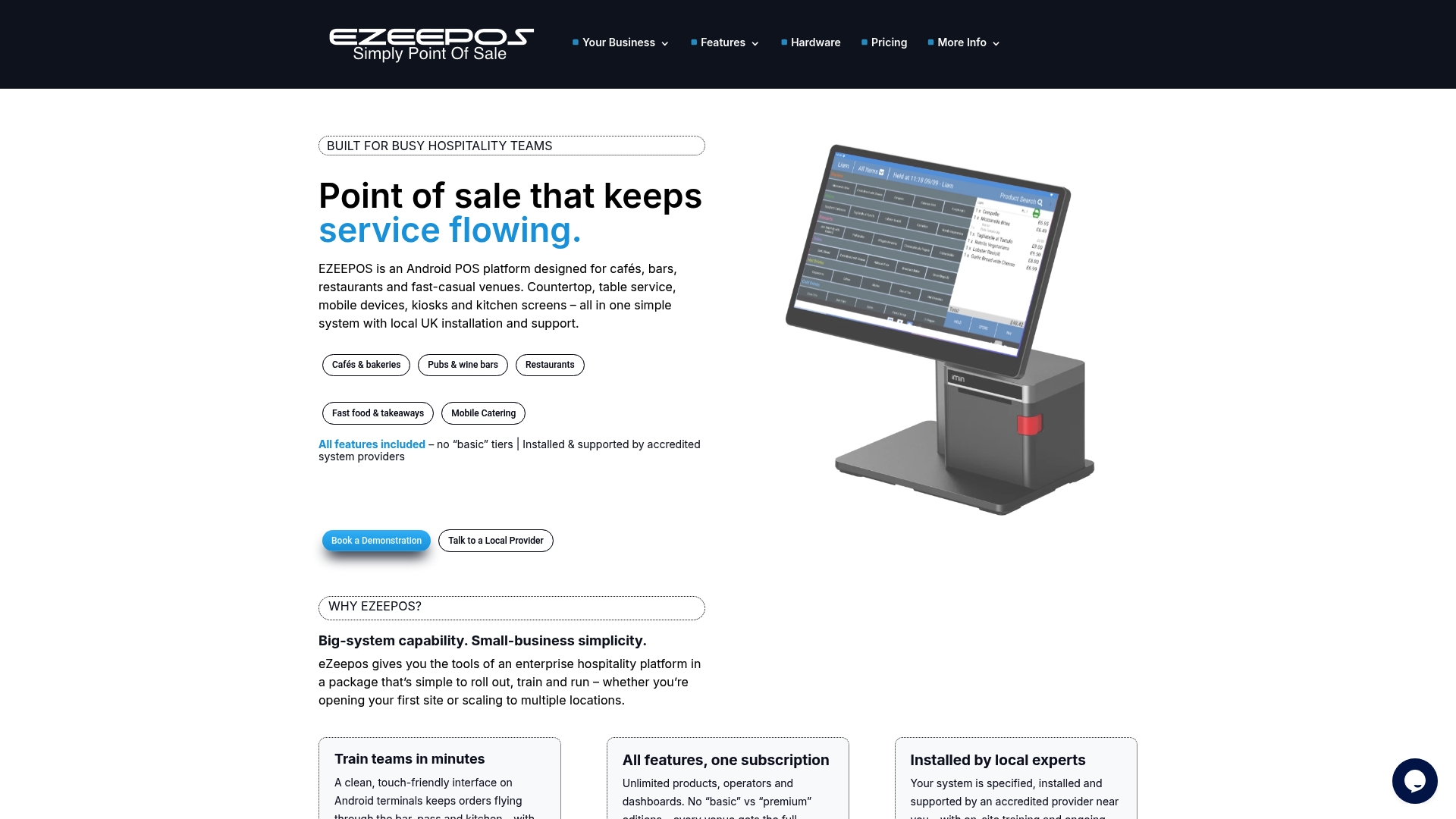
Discover how our Hospitality – EZEEPos Solution integrates point-of-sale, inventory control, and reporting into one easy-to-use system. Don’t let inventory challenges hold your business back. Visit EZEEPos today and explore how our platform can help you reduce waste, control food costs, and improve team training. For added flexibility, check out our Add On Modules – EZEEPos Solution to tailor your system perfectly to your venue’s needs.
Frequently Asked Questions
How can I track inventory levels regularly for accuracy in my restaurant?
To track inventory levels regularly, establish a systematic approach to record stock before each ordering cycle and monitor ingredient use-by dates. Implement a standardised logging system where staff can easily record ingredient usage and report discrepancies immediately. Conduct weekly physical inventory counts to ensure accuracy and prevent waste.
What are the benefits of using a POS system for automated stock management?
Using a POS system for automated stock management provides real-time inventory tracking, automatic updates, and precise ingredient usage monitoring. By implementing a comprehensive POS solution, you can minimise tracking errors by up to 70%, leading to significant improvements in operational efficiency. Configure your system to set automatic reorder points for key ingredients.
How can I standardise portion control and recipe tracking in my restaurant?
You can standardise portion control and recipe tracking by developing detailed recipe cards that include exact ingredient quantities and preparation methods. This practice ensures consistent food quality and controls costs, potentially reducing food expenses by up to 15%. Create a digital recipe management system to keep all staff updated with the latest recipes.
What steps should I take to implement FIFO procedures effectively?
To implement FIFO procedures effectively, label all incoming ingredients with delivery dates and train staff to use older stock first. This systematic rotation helps prevent expired stock usage and reduces ingredient waste by up to 20%. Regularly audit your stock to ensure FIFO practices are being followed consistently.
Why are routine stock audits important for my restaurant?
Routine stock audits are crucial as they help detect inventory discrepancies early, reducing potential theft and improved financial reporting. Establish a structured audit process, including weekly physical counts and cross-referencing with digital records, to uncover up to 5% of potential inventory losses that might otherwise go unnoticed.
How can I analyse inventory reports to reduce waste in my restaurant?
To analyse inventory reports effectively, establish consistent measurement metrics and track inventory across different time periods. By closely monitoring ingredient consumption patterns and adjusting ordering based on these insights, you could reduce food waste by up to 30%. Schedule monthly review meetings to discuss findings and collaboratively develop waste reduction strategies.
Recommended
- Inventory Control Workflow for Fish Shops: Step-by-Step Success
- Inventory Management Guide for Caterers: Streamline Operations
- Inventory Control Step by Step for Hospitality Success
- Inventory Management Guide for Hospitality Venues
- Barista Workflow Optimization for Fast, Consistent Espresso
- What Are the Best Business Storage Solutions
Recent Comments