
TL;DR:
- Effective inventory management reduces food waste by up to 25% and controls costs.
- Digital tools streamline operations, save staff time, and improve reorder accuracy.
- Proper stock control enhances menu reliability, sustainability, and overall profitability.
With 92% of restaurant operators reporting food cost increases, UK pizza shop owners are under more pressure than ever to make every ingredient count. Inventory management has moved from a back-office task to a frontline profit tool. Done properly, it cuts waste, frees up cash, and keeps your kitchen running without chaos. This article walks through five evidence-backed benefits of smart inventory management, giving you practical steps and real data to act on. Whether you run a single-site takeaway or a multi-location pizzeria, these insights apply directly to your operation.
Table of Contents
- Reduce food waste and control costs
- Improve cash flow and profitability
- Streamline operations and boost efficiency
- Enhance menu planning and customer satisfaction
- Support sustainability and meet regulatory demands
- Why technology is vital but not a silver bullet
- Discover solutions for smarter inventory control
- Frequently asked questions
Key Takeaways
| Point | Details |
|---|---|
| Cut food waste | Effective inventory management slashes food waste by up to 25% in pizzerias. |
| Boost cash flow | Accurate ordering and lean stock mean more cash for other areas of your pizza business. |
| Streamline operations | Automated and POS-linked inventory saves staff time and reduces errors from manual checks. |
| Delight your customers | Reliable stock means fewer menu shortages and happier, returning diners. |
| Stay compliant and sustainable | Better inventory also keeps you aligned with UK food safety laws and sustainability demands. |
Reduce food waste and control costs
Food waste is one of the most expensive problems a pizzeria faces, and it is largely preventable. Effective inventory management reduces food waste by up to 25% in UK hospitality venues, including pizzerias. That figure represents real money. On a tight margin, a quarter less waste can be the difference between a profitable week and a loss.
The methods that deliver this result are straightforward:
- Track expiry dates on every ingredient, from mozzarella to passata, so nothing is used past its best or thrown away unused
- Apply FIFO (First In, First Out) rotation so older stock moves first, reducing spoilage across toppings, dough, and sauces
- Set par levels based on actual usage patterns, not guesswork, so you order only what you need
- Use portion control tools such as scales and pre-measured containers to prevent over-topping and inconsistent pizzas
Rising ingredient costs make this even more urgent. Flour, cheese, and tomatoes have all seen significant price increases in recent years. Cutting food waste is no longer optional; it is a core part of managing a viable food business.
Statistic: Effective inventory management reduces food waste by up to 25% in hospitality venues, directly protecting margins under cost pressure.
Pro Tip: Keep a weekly waste log for each ingredient category. After four weeks, you will have clear data to adjust your par levels and ordering schedule, removing the guesswork entirely.
The key is consistency. A single waste audit will not transform your operation. But a weekly habit, supported by good inventory management tips and a reliable tracking process, compounds over time into substantial savings.
Improve cash flow and profitability
Beyond saving on waste, inventory discipline directly impacts your pizzeria’s bank balance. Stock sitting on a shelf is cash that cannot be used elsewhere. Over-ordering ties up working capital in ingredients that may spoil before you use them, while under-ordering risks running out mid-service.
Industry leaders demonstrate what lean ordering can achieve. Domino’s UK achieved a 35.3% reduction in supply chain food waste through just-in-time inventory and demand forecasting. That is not just a sustainability win; it is a cash flow win.
| Factor | Lean inventory | Overstocked inventory |
|---|---|---|
| Cash tied up in stock | Low | High |
| Waste risk | Minimal | Significant |
| Ordering flexibility | High | Low |
| Response to demand changes | Fast | Slow |
For independent pizza shops, boosting profits with inventory comes down to understanding which ingredients carry the most financial risk. High-cost, short-shelf-life items like fresh mozzarella need tight control. Lower-risk dry goods like oregano can be ordered less frequently.
Pro Tip: Run leaner on low-use specialty toppings and hold minimum safety stock on your core items like cheese, dough, and sauce. Review these minimums monthly as your sales data builds.
A step by step inventory control approach helps you build this discipline gradually rather than overhauling everything at once. Start with your top five highest-cost ingredients and track them weekly before expanding to your full stock list.
Streamline operations and boost efficiency
Once the cash is working for you, a streamlined operation brings everything together. Manual, paper-based stock systems waste time that your team could spend on service, prep, or training. 70% of managers find manual counts painful and time-consuming, wasting between four and six hours per month.
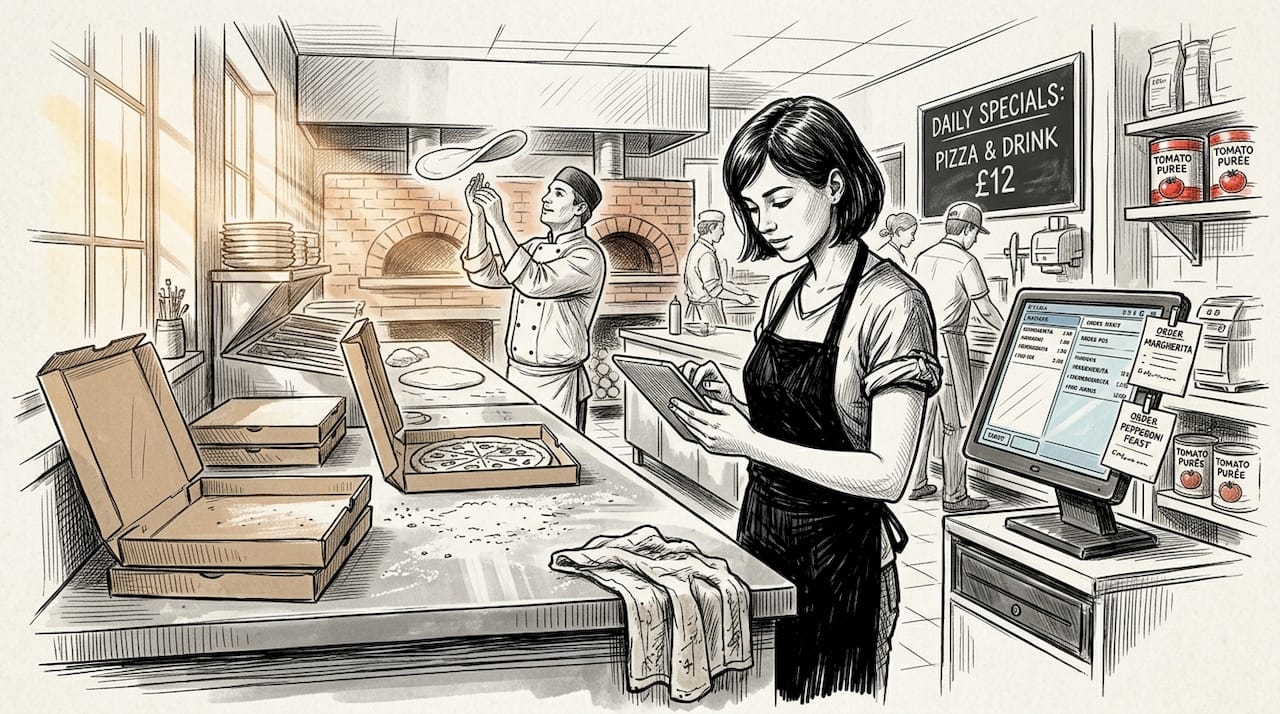
Digital tools and POS systems for inventory control change this significantly. When your POS integrates with your stock system, every pizza sold automatically updates your ingredient levels. Reorder alerts fire when stock drops below a set threshold. Receiving logs are completed digitally, reducing transcription errors.
| Task | Manual process | Automated process |
|---|---|---|
| Stock count time | 4-6 hrs/month | Under 1 hr/month |
| Error rate | High | Low |
| Reorder triggers | Memory/habit | Automated alerts |
| Staff satisfaction | Low | Significantly higher |
Key process improvements to introduce:
- Digital receiving logs so every delivery is recorded accurately at the door
- Integrated stock usage tracking that updates in real time as orders are processed
- Automated reorder alerts so you never run out of a key ingredient mid-service
- Technology to boost efficiency such as kitchen screens that reduce verbal handoffs and errors
Pro Tip: Schedule a brief, low-stress stock count at the start or end of each shift, built into your team’s normal routine. Short, regular counts are far more accurate than long monthly audits.
Efficiency gains here are not just about time. Fewer errors mean fewer customer complaints, fewer wasted batches, and a calmer kitchen environment overall.
Enhance menu planning and customer satisfaction
Streamlining is not just for your team; it is equally important for your customers and menu vision. When you know exactly what you have in stock and when it needs to be used, you can plan your menu with confidence rather than reacting to shortages.
Dynamic par levels and AI demand forecasting support better menu planning and reduce out-of-stock risk. For a pizza shop, this means fewer awkward moments telling a customer their favourite pizza is unavailable because you ran out of a topping.
Better inventory supports your menu in several practical ways:
- Reliable ingredient availability so your full menu is always on offer, especially during peak periods like Friday evenings
- Planned specials using near-expiry stock, turning potential waste into a promotional opportunity
- Consistent portion sizes that protect your food cost percentage and ensure customers get the same quality every visit
- Menu engineering confidence, knowing that a new topping or seasonal pizza will be properly stocked before it goes live
“Automated reordering and real-time stock visibility reduce last-minute shortages, giving operators the confidence to plan menus further ahead and respond to demand more accurately.”
A good guide for hospitality inventory will also show you how to use sales data to identify which menu items are most popular by day and time, so you stock accordingly. Customers notice when a menu is reliable. It builds trust and repeat visits.
Support sustainability and meet regulatory demands
A final benefit worth taking seriously: staying ahead on sustainability and compliance in a challenging market. UK food businesses face increasing scrutiny around food traceability, waste reporting, and hygiene standards. Inventory management is central to meeting all three.
A structured approach to stock control supports compliance in four key steps:
- Track by batch so every delivery is linked to a supplier, date, and lot number for full traceability
- Record temperatures at intake and storage to meet food safety requirements
- Monitor shelf life actively, flagging items approaching expiry before they become a problem
- Record waste by category and cause, creating an audit trail that demonstrates due diligence
The sustainability benefits are real and measurable. Domino’s UK reduced supply chain food waste by 35.3% through advanced inventory management, improving both their environmental credentials and their bottom line.
“Reducing food waste is not just good ethics; it is good business. The brands that take inventory seriously are the ones building long-term resilience.”
For independent pizzerias, the UK hospitality waste reduction opportunity is significant. Customers increasingly choose businesses that take sustainability seriously, and demonstrating a clear waste reduction process supports both your brand and your compliance position.
Why technology is vital but not a silver bullet
All of these benefits are compelling, but the real-world picture is more nuanced. We see many pizzeria owners invest in a POS system or inventory software and then expect results to follow automatically. They rarely do.
Technology is a multiplier, not a replacement for discipline. A POS-integrated stock system is only as accurate as the data going into it. If your team skips the receiving log or forgets to record a waste event, the system quickly loses its value. The operators who see the biggest gains are those who combine digital tools with clear, consistent human habits.
Many owners skip the basics entirely. FIFO rotation falls apart under pressure. Stock counts get skipped during busy weeks. Waste logs are filled in retrospectively rather than in real time. These habits undermine even the best technology.
The practical wisdom here is to start small. Pick one improvement, whether that is a weekly waste log, a digital receiving process, or a par level review, and make it stick before adding the next layer. Then, when the habit is solid, use practical inventory tips to digitise and automate what already works. Technology built on good habits delivers lasting results. Technology built on chaos just automates the chaos.
Discover solutions for smarter inventory control
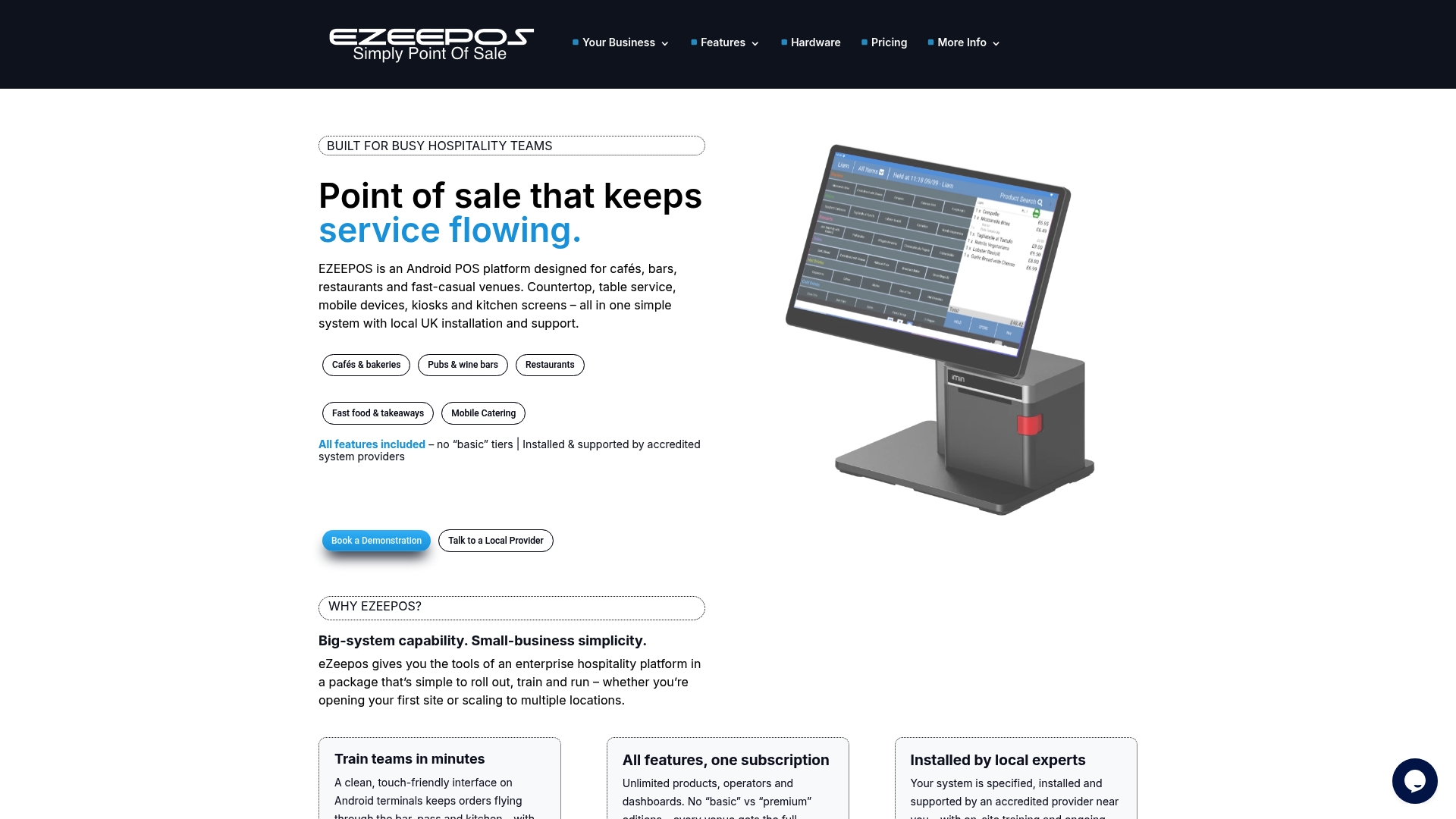
If you are ready to move beyond spreadsheets and manual counts, eZeepos offers point of sale software built specifically for UK hospitality venues, including pizza shops and fast-casual restaurants. The platform integrates inventory tracking directly with your sales data, so stock levels update in real time with every order.
Explore our restaurant inventory tips and hospitality inventory guide for practical, step-by-step guidance. Or speak to a local UK-based eZeepos provider to see how the system fits your operation. The next step towards better margins and less waste starts with the right tools and the right habits working together.
Frequently asked questions
What are the most effective inventory methods for pizza shops?
Key methods include dynamic par levels, FIFO (First In, First Out) rotation, POS-integrated real-time tracking, and consistent weekly stock counts. Portion control with scales also helps protect your food cost percentage.
How much food waste can a pizzeria realistically cut?
Proper inventory management can reduce waste by up to 25% in UK pizzerias, delivering direct savings on ingredient costs and improving overall margins.
Does digital inventory control really save staff time?
Yes. POS-integrated systems reduce manual count time from 4-6 hours per month to under one hour, while also cutting errors and improving reorder accuracy.
What is the link between inventory and profitability?
Lean, accurate inventory prevents overstock and waste, directly increasing margins. Domino’s UK reduced waste by 35.3% through just-in-time ordering, demonstrating the scale of the cash flow and profitability impact available to operators who take inventory seriously.
Recent Comments