
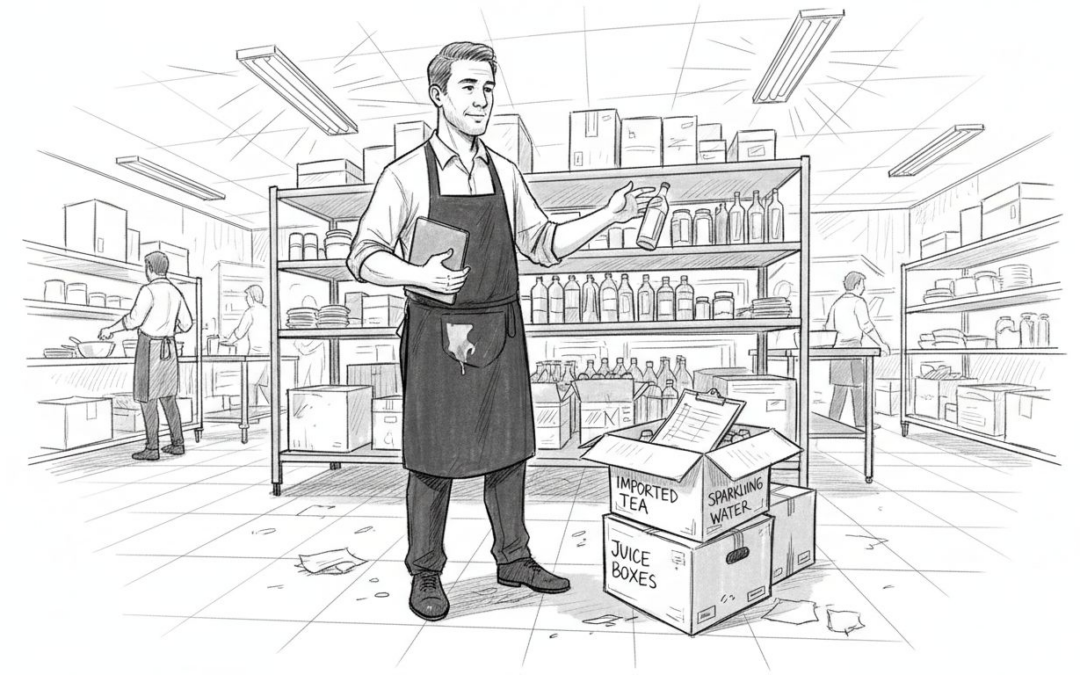
Managing stock during peak hours can quickly turn into a balancing act for restaurant managers and café owners across the UK. Efficient inventory control stands as the backbone of operational success, helping hospitality venues avoid costly wastage and comply with local food safety laws. Discover how a robust digital inventory system backed by real time updates and comprehensive tracking empowers your team to maintain accurate stock levels, reduce errors, and focus on serving guests without interruption.
Table of Contents
- Step 1: Set Up Inventory Tracking System
- Step 2: Catalogue and Organise All Stock
- Step 3: Establish Accurate Stock Levels
- Step 4: Monitor Usage and Adjust Orders
- Step 5: Verify Results and Refine Procedures
Quick Summary
| Main Insight | Clarification |
|---|---|
| 1. Choose a strong inventory system | Select a digital solution that integrates with existing systems for real-time updates and collaboration. |
| 2. Categorise and organise stock | Create clear product categories and use unique identifiers for better tracking and inventory management. |
| 3. Maintain accurate stock levels | Set minimum and maximum thresholds for each category to prevent wastage and ensure customer demand is met. |
| 4. Monitor usage consistently | Keep detailed records of stock consumption to inform future ordering and improve efficiency. |
| 5. Regularly review processes | Conduct audits and refine inventory procedures to ensure compliance and operational excellence. |
Step 1: Set Up Inventory Tracking System
Setting up an effective inventory tracking system is critical for managing stock efficiently in hospitality venues. This section will guide you through establishing a robust digital approach that ensures accurate stock control and operational efficiency.
Begin by selecting a digital inventory management solution that integrates seamlessly with your existing point of sale platform. Digital inventory systems enable real time updates and provide comprehensive tracking capabilities. Your chosen system should offer features like automated stock recording, real time quantity tracking, and alerts for low inventory levels. Consider cloud based platforms that allow multiple team members to access and update stock information simultaneously.
Implement a systematic approach to inventory classification. Break down your stock into clear categories such as fresh produce, packaged goods, beverages, and cleaning supplies. Assign unique identification codes to each product and establish a standardised measurement system. This approach will help you track individual items precisely and manage food safety risks through hazard analysis.
Expert Advice: When setting up your inventory tracking system, conduct a comprehensive staff training session to ensure everyone understands how to log and monitor stock accurately.
The following table summarises key digital inventory management system features and their impact on hospitality operations:
| Feature | Operational Benefit | Business Impact |
|---|---|---|
| Real time stock updates | Immediate inventory visibility | Reduces out of stock incidents |
| Automated stock recording | Minimises manual errors | Enhances accuracy and saves time |
| Low inventory alerts | Prompts timely reordering | Prevents sales loss and emergency orders |
| Multi-user cloud access | Enables team collaboration | Supports efficient, up-to-date tracking |
| Integrated hazard analysis tools | Ensures food safety compliance | Protects reputation and reduces risk |
Step 2: Catalogue and Organise All Stock
Cataloguing and organising your stock effectively is a fundamental strategy for maintaining smooth hospitality operations. This step will help you create a systematic approach to tracking and managing inventory with precision and efficiency.
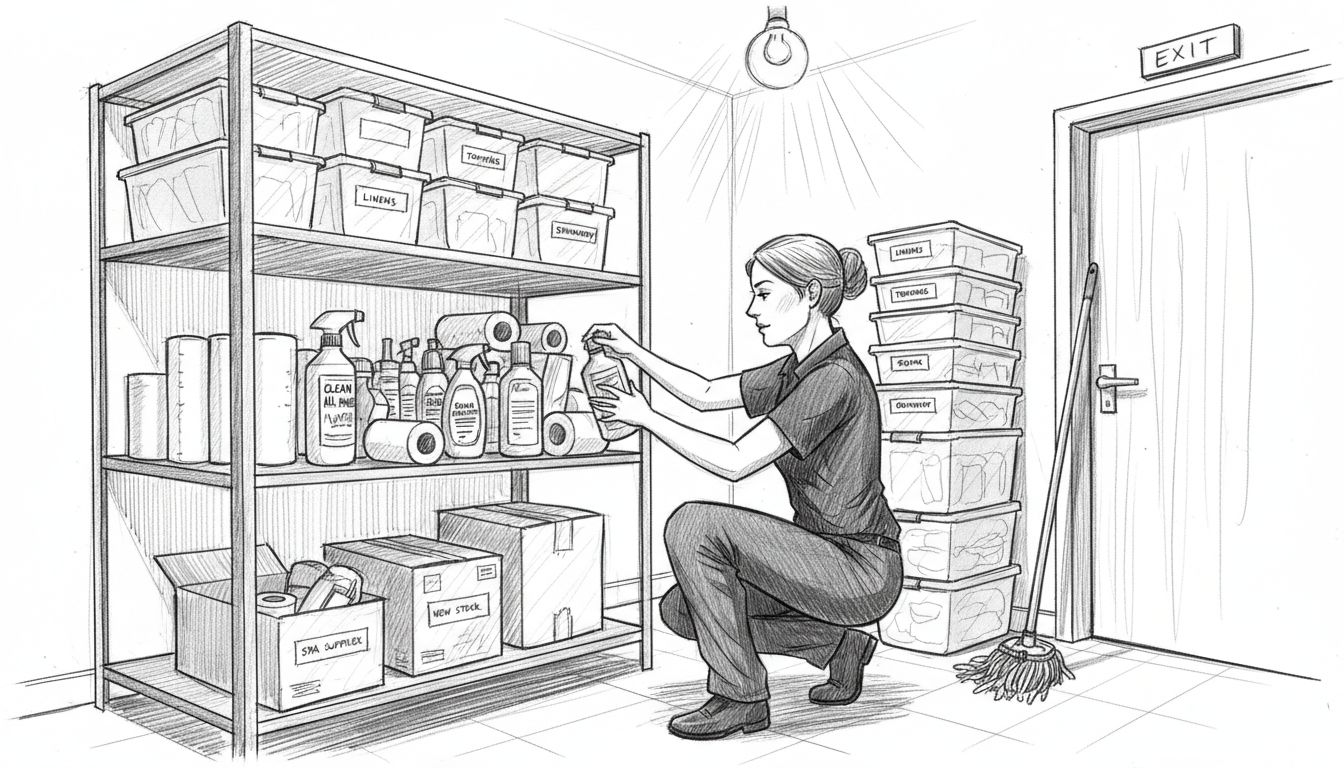
Begin by implementing a comprehensive documentation system that records detailed information about each stock item. Create a master inventory spreadsheet or digital tracking system that includes critical details such as product name, supplier, delivery date, unit price, quantity, storage requirements, and use by dates. Categorise your stock into clear groups such as fresh produce, refrigerated items, dry goods, and beverages. Use a colour coding or numbering system to distinguish between different categories and make identification swift and straightforward.
Establish strict organisational protocols within your storage areas to support effective stock management. Implement health and safety guidelines for stock segregation that prevent cross contamination and ensure food safety. Arrange items using the first in first out principle, placing newer stock behind existing inventory. Label each item clearly with received date and expected use by date. Create designated storage zones with specific temperature and humidity controls to maintain product quality and extend shelf life.
Expert Advice: Conduct a weekly stock audit to verify your cataloguing system remains accurate and identify any potential discrepancies or inefficiencies.
Step 3: Establish Accurate Stock Levels
Establishing precise stock levels is a critical process for maintaining operational efficiency and financial health in your hospitality business. This step will help you develop a strategic approach to inventory management that balances supply and demand while minimising waste and maximising profitability.
Implement a robust stock monitoring system that tracks inventory levels continuously. Begin by setting clear minimum and maximum stock thresholds for each product category. Create a dynamic inventory tracking method that records real time stock movements including purchases, sales, and wastage. Use digital tools or spreadsheets to calculate average daily usage for each item and predict future inventory requirements. This approach allows you to maintain optimal stock levels that meet customer demand without tying up excessive capital in unused inventory.
Develop a systematic approach to inventory forecasting and demand analysis. Review historical sales data to identify seasonal variations and consumption patterns. Consider factors such as upcoming events, marketing promotions, and potential supply chain disruptions that might impact your stock requirements. Establish relationships with multiple suppliers to ensure flexibility in restocking and create contingency plans for unexpected fluctuations in demand or supply.
Expert Advice: Conduct monthly inventory reconciliation to identify discrepancies and adjust your stock management strategy accordingly.
Step 4: Monitor Usage and Adjust Orders
Monitoring stock usage and strategically adjusting orders is fundamental to maintaining operational efficiency in your hospitality business. This step will help you develop a data driven approach to inventory management that optimises your purchasing strategies and minimises unnecessary expenditure.
Implement consistent record keeping practices that track detailed stock consumption patterns. Create comprehensive logs documenting daily and weekly product usage including quantity consumed, wastage rates, and sales volumes. Use these records to calculate precise average consumption rates for different items. Digital spreadsheets or inventory management software can help automate these calculations and provide visual insights into usage trends.
Leverage technology and data analysis to make informed purchasing decisions. Track seasonal variations in demand and adjust your ordering quantities accordingly. Compare current consumption data against historical performance to identify emerging trends and potential inefficiencies. Develop flexible relationships with suppliers that allow you to modify order volumes quickly in response to changing business requirements. Regularly review your stock turnover rates and be prepared to adapt your ordering strategy to maintain optimal inventory levels that balance customer demand with cost effectiveness.
Expert Advice: Review your inventory usage data at least quarterly to ensure your ordering strategy remains aligned with current business performance.
Step 5: Verify Results and Refine Procedures
Verifying and refining your inventory control procedures is essential for maintaining operational excellence in your hospitality business. This critical step ensures your systems remain effective, compliant, and adaptable to changing business requirements.
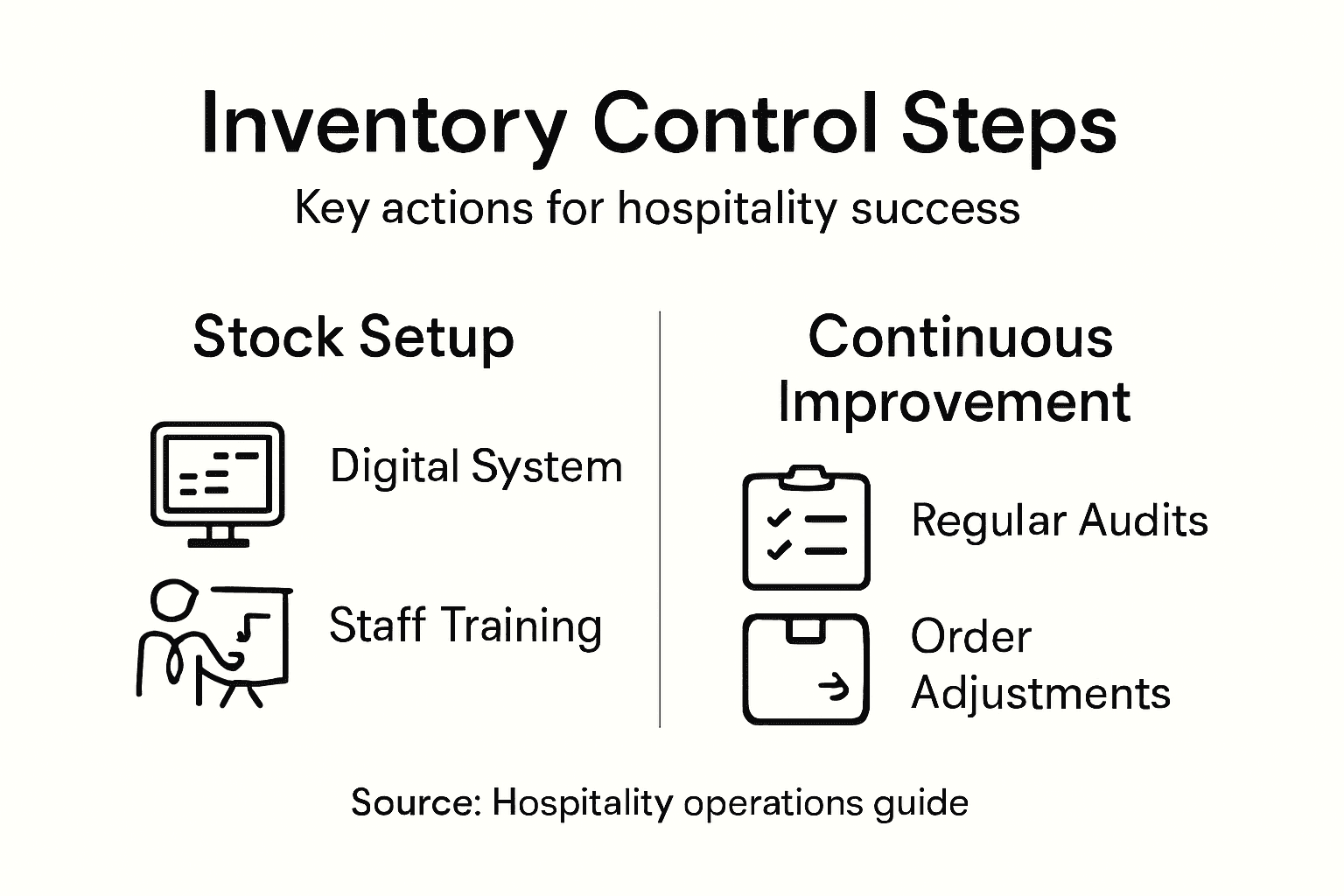
Implement comprehensive standard operating procedures that provide clear guidelines for inventory management. Conduct regular internal audits to assess the effectiveness of your current processes. These audits should systematically review documentation, track compliance with established protocols, and identify potential areas for improvement. Create a structured audit checklist that examines key performance indicators such as stock accuracy, wastage rates, ordering efficiency, and financial impact.
Establish a continuous improvement cycle that allows for ongoing refinement of your inventory control system. Monitor food safety and compliance metrics to ensure your procedures meet regulatory standards. Use data collected during audits to make informed adjustments to your inventory management approach. This might involve updating staff training programmes, modifying ordering protocols, or implementing new technological solutions that enhance tracking and reporting capabilities.
Expert Advice: Create a dedicated team or assign a specific team member responsible for regularly reviewing and updating your inventory management procedures.
Here is a comparison of inventory control procedures before and after implementing continuous improvement cycles:
| Aspect | Traditional Approach | Continuous Improvement Cycle |
|---|---|---|
| Audit Frequency | Annual or biannual audits | Regular, scheduled internal audits |
| Response to Issues | Reactive adjustments | Proactive procedure refinement |
| Staff Engagement | Minimal feedback collected | Ongoing training and involvement |
| Compliance Assurance | Infrequent documentation | Ongoing monitoring and updates |
Take Control of Your Hospitality Inventory with Ease
Managing inventory step by step ensures your hospitality business runs smoothly and profitably. Challenges such as inaccurate stock levels, complex ordering, and labour-intensive tracking can drain your resources and impact customer satisfaction. The article highlights crucial strategies like real time stock updates, automated recording, and continuous monitoring to tackle these pain points effectively.
At Ezee POS, we understand these demands and offer a seamless Android based POS solution designed specifically for hospitality venues. Our platform integrates effortless stock control, cloud based management, and staff collaboration features that empower you to monitor usage, adjust orders accurately, and refine procedures without hassle. Experience intuitive inventory tracking combined with powerful reporting tools that align perfectly with the step by step approach outlined in the article.
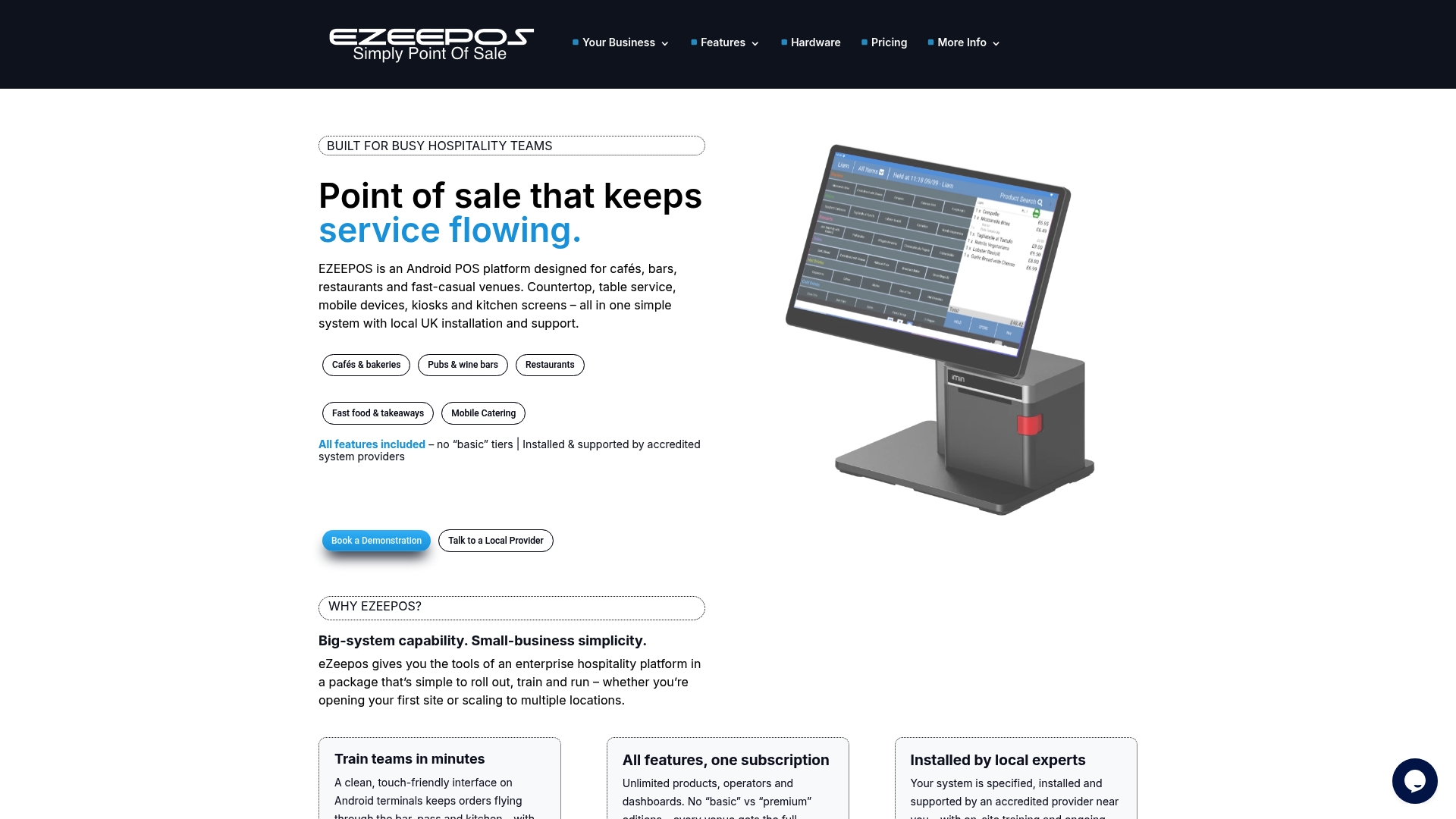
Discover how you can transform your inventory control system today. Visit Ezee POS to explore a unified solution that supports cafés, bars, restaurants, and more. Take action now to reduce waste, prevent stockouts, and simplify your operations with a platform that delivers enterprise functionality and local UK support.
Frequently Asked Questions
How do I set up an inventory tracking system for my hospitality business?
To set up an inventory tracking system, start by selecting a digital inventory management solution that integrates with your point of sale system. Ensure the system offers features like real time updates and low inventory alerts, then conduct staff training to ensure effective usage.
What categories should I use to organise my inventory?
Organise your inventory into clear categories such as fresh produce, packaged goods, beverages, and cleaning supplies. Use distinct identification codes and a standardised measurement system to simplify tracking and improve accuracy.
How can I establish accurate stock levels for my hospitality venue?
Establish accurate stock levels by setting clear minimum and maximum thresholds for each product. Regularly monitor sales data and adjust your inventory based on average daily usage, aiming to maintain levels that meet demand without excess.
What practices can I implement to monitor stock usage effectively?
Implement consistent record keeping to track stock usage patterns and maintain logs of daily and weekly consumption. Analyse this data regularly to identify trends and optimise your ordering strategy accordingly.
How often should I verify and refine my inventory control procedures?
Conduct internal audits regularly to assess your inventory procedures and maintain compliance with established protocols. Aim for a continuous improvement cycle by reviewing and updating your processes at least quarterly to adapt to changing needs and optimise efficiency.
Recommended
- Inventory Management Guide for Caterers: Streamline Operations
- Inventory Management in Hospitality: Cutting Costs and Waste
- 7 Essential Inventory Management Tips for UK Cafés and Restaurants
- Role of POS in Inventory Control for UK Hospitality
- How to Estimate Champagne Quantities for Luxury Events – Champagne Tower Hire
Recent Comments