

When a delivery arrives just ahead of a packed lunch service, keeping track of every ingredient can quickly become overwhelming for even the most seasoned restaurant or café manager. In the fast-moving world of British hospitality, missed stock checks and waste can eat away at profits and disrupt service. Mastering inventory management means gaining tighter control over costs, reducing unnecessary losses, and building financial resilience for your venue’s future.
Table of Contents
- Defining Inventory Management in Hospitality
- Types of Inventory Systems for Restaurants
- Key Processes Behind Stock Control Success
- Benefits for Profit and Waste Reduction
- Common Pitfalls and How to Avoid Them
Key Takeaways
| Point | Details |
|---|---|
| Importance of Inventory Management | Effective inventory management is crucial for enhancing profitability, reducing waste, and achieving operational efficiency in hospitality venues. |
| Types of Inventory Systems | Different inventory systems (Manual, Periodic, Perpetual) cater to varying business sizes and operational complexities, highlighting the need for tailored solutions. |
| Challenges to Avoid | Common pitfalls, such as manual tracking errors and inefficient stock control, can undermine financial performance; investing in automated systems mitigates these risks. |
| Strategic Benefits | Robust inventory management practices lead to better cost control, optimised stock levels, and improved supplier negotiations, ultimately supporting long-term financial health. |
Defining Inventory Management in Hospitality
Inventory management in hospitality represents a strategic approach to tracking, controlling, and optimising stock levels across restaurant and café operations. Hospitality accounting principles reveal this process involves more than simple stock counting - it’s about balancing financial health with operational efficiency.
At its core, inventory management encompasses several critical components:
- Stock tracking across all product categories
- Cost control for ingredients and supplies
- Demand forecasting to prevent overstocking or stockouts
- Financial reporting related to inventory value
- Supply chain optimisation
Understanding inventory management means recognising its profound impact on a hospitality venue’s profitability. By precisely monitoring ingredients, beverages, and consumables, restaurants can dramatically reduce waste, control expenses, and improve overall financial performance.
The process involves continuous monitoring of stock levels, understanding consumption patterns, and making data-driven purchasing decisions. This requires detailed record-keeping, regular stock takes, and sophisticated tracking mechanisms that provide real-time insights into inventory status.
Effective inventory management transforms stock from a potential liability into a strategic business asset.
Pro tip: Conduct weekly inventory audits to catch discrepancies early and maintain accurate stock records.
Types of Inventory Systems for Restaurants
Restaurant inventory systems have evolved dramatically, offering diverse approaches to tracking and managing stock. Restaurant inventory management software now provides sophisticated solutions that range from basic manual tracking to advanced digital platforms designed for precise operational control.
Three primary types of inventory systems dominate the hospitality sector:
-
Manual Inventory Systems
- Spreadsheet-based tracking
- Suitable for small venues
- Low-cost implementation
- Higher potential for human error
-
Periodic Inventory Systems
- Regular scheduled stock counts
- Typically performed weekly or monthly
- Provides snapshot of inventory status
- Requires comprehensive physical counting
-
Perpetual Inventory Systems
- Real-time stock tracking
- Automated updates with each transaction
- Integrated with point-of-sale systems
- Minimises discrepancies and reduces waste
Modern restaurant inventory systems leverage technology to provide unprecedented visibility into stock management. Advanced tracking methodologies now incorporate tools like barcode scanning, RFID technologies, and cloud-based software platforms that enable instant insights into ingredient consumption and supply chain dynamics.
Here’s a succinct comparison of inventory system types and their ideal business use cases:
| Inventory System Type | Degree of Automation | Suitable Business Size | Scalability |
|---|---|---|---|
| Manual | Minimal, manual entry | Small cafés or simple venues | Limited, best for low volume |
| Periodic | Basic, scheduled counting | Medium restaurants | Moderate, requires consistent routines |
| Perpetual | High, real-time updates | Large or multi-site venues | Extensive, adapts to complex operations |
Technology transforms inventory from a reactive administrative task into a strategic business intelligence tool.
Pro tip: Select an inventory system that matches your restaurant’s operational complexity and scalability requirements.
Key Processes Behind Stock Control Success
Successful stock control requires a comprehensive approach that integrates technology, human expertise, and strategic planning. Stock control processes demand consistent data integration and clear reporting tools that empower both operational and financial teams to make informed decisions.
Key processes essential for effective stock management include:
-
Regular Inventory Auditing
- Scheduled during quieter business periods
- Comprehensive physical stock counts
- Cross-verification of digital and physical records
- Identification of discrepancies and potential losses
-
Systematic Stock Organization
- Implement FIFO (First-In-First-Out) methodology
- Clear labelling and categorization
- Optimised stockroom layout
- Easy access and tracking
-
Technology-Driven Monitoring
- Real-time inventory tracking
- Automated transaction updates
- Integration with point-of-sale systems
- Instant alerts for stock level changes
Effective stocktaking practices are critical for maintaining operational discipline and reducing waste. By implementing robust checks and balances, restaurants can transform stock management from a reactive task to a proactive business strategy.
Precision in stock control is not just about counting items, but understanding their strategic value to your business.
Pro tip: Delegate stocktaking responsibilities with clear accountability and rotate staff to maintain fresh perspectives and minimize potential errors.
Benefits for Profit and Waste Reduction
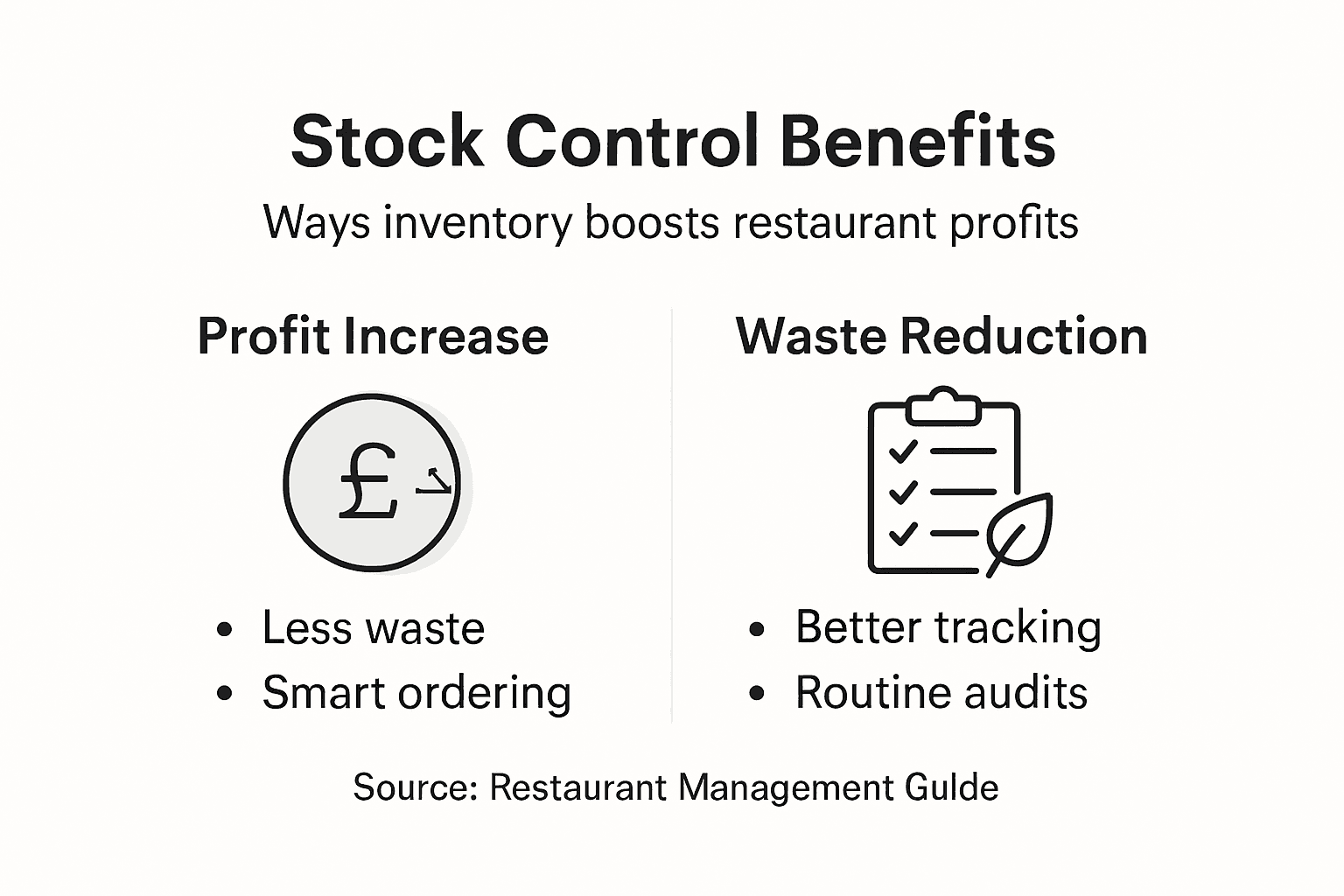
Inventory management systems provide transformative benefits for hospitality businesses, directly impacting financial performance and operational efficiency. These sophisticated tools go beyond simple stock tracking, offering strategic insights that can dramatically improve a restaurant’s bottom line.
Key benefits of robust inventory management include:
-
Waste Reduction
- Precise tracking of perishable goods
- Early identification of potential spoilage
- Optimised stock rotation strategies
- Minimised unnecessary ingredient disposal
-
Cost Control
- Prevent over-ordering
- Real-time price change monitoring
- Accurate menu costing
- Improved supplier negotiation power
-
Operational Efficiency
- Streamlined purchasing processes
- Reduced manual administrative tasks
- Enhanced staff productivity
- Faster decision-making capabilities
Accurate stock control enables restaurants to transform inventory from a potential liability into a strategic asset. By implementing intelligent tracking systems, venues can ensure consistent menu availability, improve cash flow, and create a more predictable financial environment.
To clarify how inventory management enhances profitability, here’s an overview of its measurable impacts:
| Financial Impact Area | Improvement Mechanism | Typical Result |
|---|---|---|
| Waste Cost | Early spoilage detection | Lower disposal expenses |
| Supplier Negotiation | Real-time pricing insights | Better purchase terms |
| Menu Consistency | Continuous stock tracking | Increased customer satisfaction |
| Cash Flow | Predictable purchasing | Reduced unexpected shortages |
Effective inventory management is not an expense, but an investment in your restaurant’s financial health.
Pro tip: Conduct monthly analysis of inventory data to identify consistent patterns of waste and adjust purchasing strategies accordingly.
Common Pitfalls and How to Avoid Them
Hotel inventory management presents complex challenges that can significantly impact a hospitality business’s operational efficiency and profitability. Understanding these common pitfalls is the first step towards developing robust strategies that protect your venue’s financial performance.
Key inventory management challenges include:
-
Manual Tracking Errors
- Prone to human mistake
- Time-consuming processes
- High risk of discrepancies
- Increased labour costs
-
Stock Discrepancies
- Unreported inventory movements
- Potential theft opportunities
- Shipment and delivery inconsistencies
- Complex reconciliation processes
-
Inefficient Stock Control
- Overstocking perishable goods
- Lack of real-time visibility
- Poor demand forecasting
- Unnecessary capital tie-up
Inventory tracking systems offer comprehensive solutions by providing automated, integrated approaches that minimise human error and enhance operational transparency. These advanced technologies enable precise monitoring, reducing the financial risks associated with traditional inventory management methods.
Prevention is always more cost-effective than correction in inventory management.
Pro tip: Implement a quarterly cross-training programme to ensure multiple staff members understand your inventory management processes and can identify potential discrepancies.
Take Control of Your Hospitality Inventory and Boost Profitability Today
Inventory management challenges such as stock discrepancies, manual tracking errors and inefficient stock control can weigh heavily on your hospitality business profits. The article highlights the critical need for real-time inventory tracking, integrated point-of-sale systems, and automated stock control to reduce waste, optimise purchasing and safeguard cash flow. Imagine transforming these pain points into strengths through technology designed specifically for your hospitality venue’s needs.
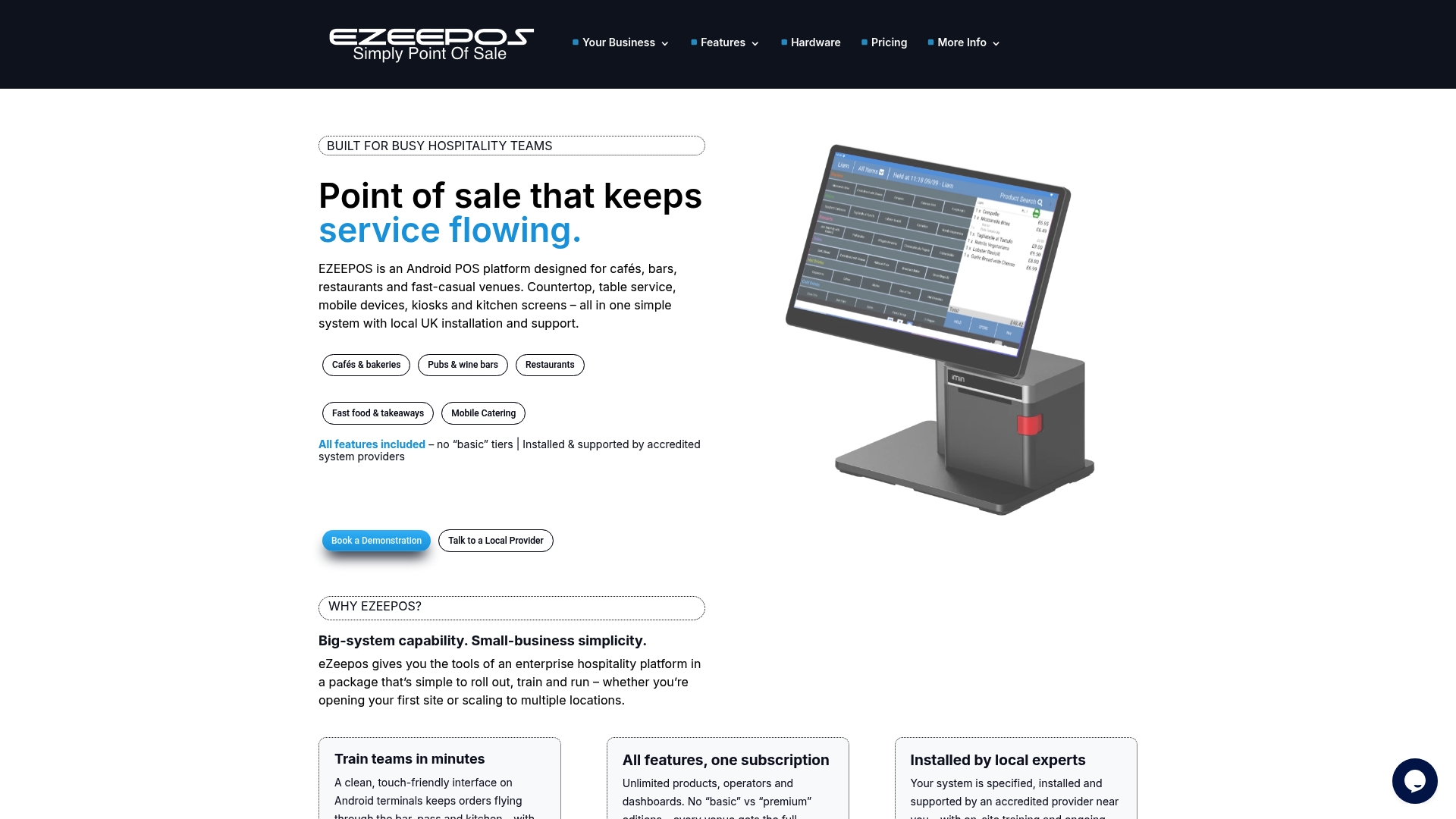
Discover how the advanced Android-based POS platform from Ezee POS can streamline your stock management with seamless integration of sales, orders and inventory. Whether you operate a café, bar or restaurant, the system supports multiple service modes and hardware options to fit your workflow. Benefit now from easy team training, local UK support and a unified system that turns inventory from a liability into a growth driver. Explore how Ezee POS can help you take immediate control of your stock, prevent costly errors and accelerate profitability by visiting the main landing page. Act today and empower your hospitality business with smarter stock control solutions.
Frequently Asked Questions
What is inventory management in hospitality?
Inventory management in hospitality refers to the strategic approach to tracking, controlling, and optimising stock levels across restaurant and café operations. It goes beyond simple stock counting to balance financial health with operational efficiency.
What are the main types of inventory systems for restaurants?
The primary types of inventory systems in restaurants include manual inventory systems, periodic inventory systems, and perpetual inventory systems. Each type varies in degrees of automation and suitability for different business sizes.
How can effective inventory management reduce waste in restaurants?
Effective inventory management reduces waste by precisely tracking perishable goods, enabling early identification of spoilage, and implementing optimised stock rotation strategies to minimise unnecessary disposal of ingredients.
What are common challenges in inventory management for hospitality businesses?
Common challenges include manual tracking errors, stock discrepancies, and inefficient stock control, which can lead to overstocking and unnecessary capital tie-up. Implementing automated inventory tracking systems can help alleviate these issues.
Recent Comments