
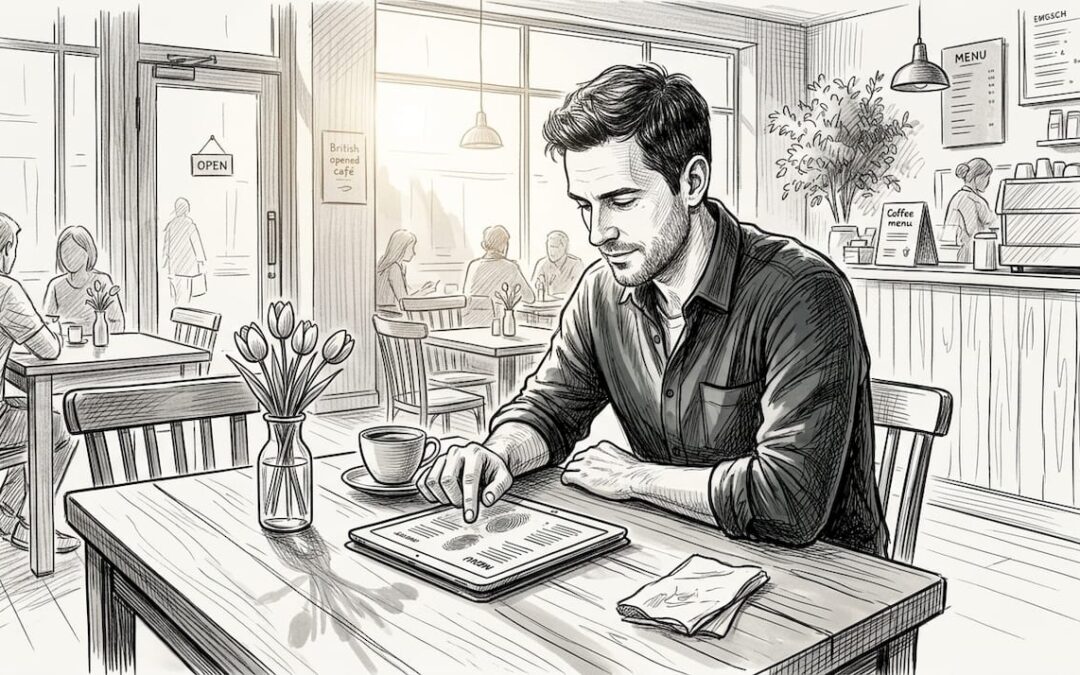
Many hospitality managers assume table ordering technology is simply a digital menu on a tablet. In reality, it represents a comprehensive ecosystem that transforms how venues deliver service, process orders, and engage guests. This technology integrates digital menus, ordering systems, and seamless communication between front-of-house and kitchen, fundamentally changing operational efficiency and customer satisfaction. For UK hospitality venues navigating competitive markets and rising labour costs, understanding what table ordering technology truly encompasses and how it delivers measurable benefits is essential for making informed investment decisions that enhance both service quality and profitability.
Table of Contents
- Key takeaways
- What is table ordering technology?
- How table ordering technology improves efficiency and customer experience
- Comparing table ordering technology options for UK venues
- Implementing table ordering technology successfully in your venue
- Explore expert POS solutions for your hospitality venue
- Frequently asked questions
Key Takeaways
| Point | Details |
|---|---|
| Table ordering ecosystem | Table ordering technology is a digital ecosystem that combines digital menus ordering interfaces and front of house to kitchen communication to streamline service and processing. |
| Efficiency and accuracy | It drives operational efficiency and order accuracy while enhancing the guest experience throughout the service journey. |
| Integration with POS and kitchen | It integrates with kitchen display systems and point of sale terminals to eliminate manual transcription and provide real time data. |
| Flexible service models | Venues can configure the technology for table delivery with counter ordering self service kiosks or hybrid arrangements to fit their service style. |
What is table ordering technology?
Table ordering technology represents a digital ecosystem that allows customers to browse menus, customise items, and place orders directly from their table without traditional server interaction for every transaction. This system encompasses several interconnected components working together to streamline the ordering process. The technology typically includes digital menu displays, ordering interfaces accessible via tablets, smartphones, or QR codes, and backend systems that transmit orders instantly to kitchen display screens or printer stations.
The devices used vary significantly based on venue requirements and service style. Some establishments provide dedicated tablets at each table, whilst others implement QR code systems where guests scan codes with their personal smartphones to access menus and ordering functions. Tabletop touchscreens offer another option, particularly popular in quick-service and casual dining environments. Each approach has distinct advantages depending on your venue’s atmosphere, clientele expectations, and budget constraints.
Critically, table ordering technology extends far beyond simply digitising menus. The true value emerges when these systems integrate fully with your venue’s point of sale infrastructure, creating a unified workflow where orders flow seamlessly from customer selection through kitchen preparation to payment processing. This integration eliminates the traditional bottlenecks of manual order transcription, reduces miscommunication between front-of-house and kitchen teams, and provides real-time data on ordering patterns and inventory movement.
Modern table ordering platforms connect with kitchen display systems to show orders instantly on screens visible to chefs and prep staff, complete with timing indicators and modification notes. They synchronise with POS terminals to track sales, apply promotions automatically, and process payments without requiring staff to manually enter order details. This connectivity transforms table ordering from a simple digital menu into a comprehensive operational tool that touches every aspect of service delivery.
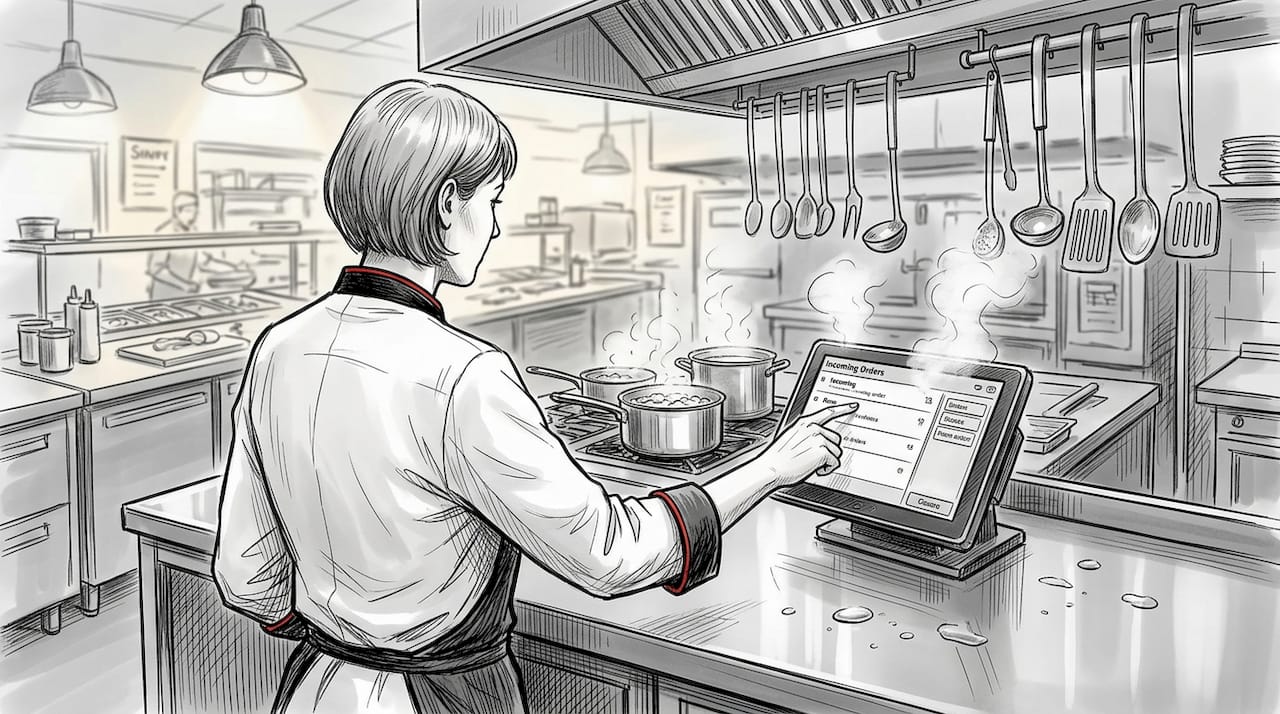
The technology also supports various service models beyond traditional table service. Venues can configure systems for counter ordering with table delivery, self-service kiosks combined with table numbers, or hybrid models where customers order some items via technology whilst requesting others through servers. This flexibility allows you to tailor the technology to your specific service style rather than forcing your operation to conform to rigid technological constraints.
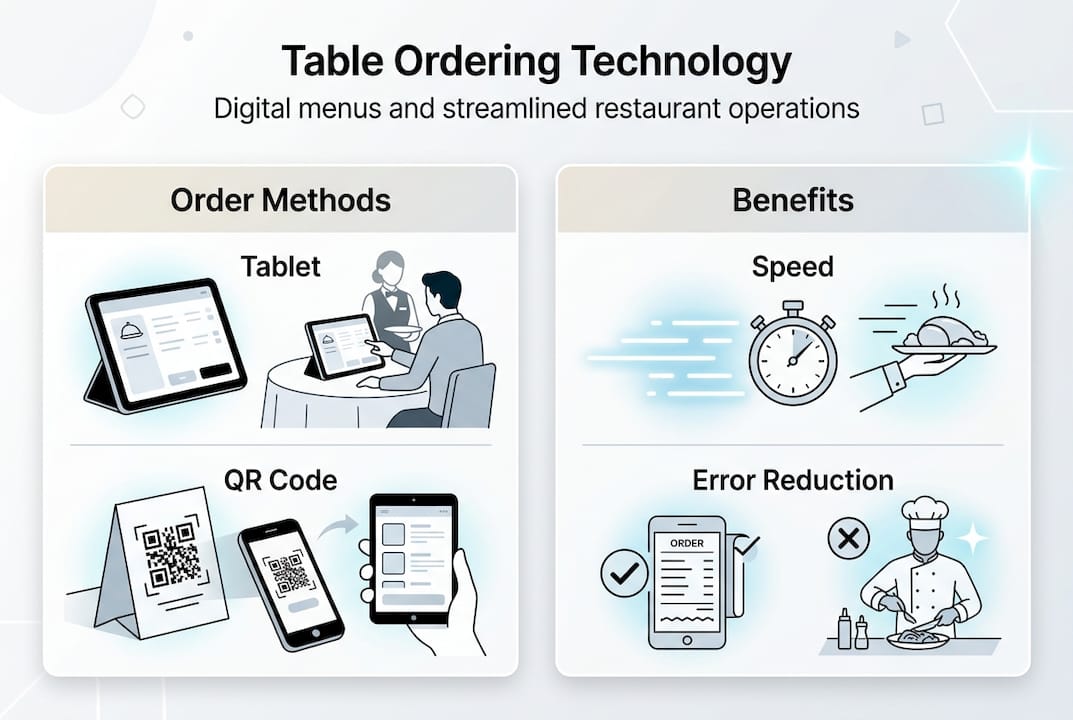
Pro tip: Before selecting devices, observe your customers’ behaviour patterns and comfort levels with technology. A trendy cocktail bar might thrive with QR code ordering, whilst a family restaurant may benefit from intuitive tablets that accommodate all age groups and tech literacy levels.
How table ordering technology improves efficiency and customer experience
The operational benefits of table ordering technology manifest across multiple dimensions of venue performance. By eliminating manual order-taking for routine transactions, the system frees your service staff to focus on genuine hospitality tasks like greeting guests, making recommendations, addressing concerns, and creating memorable experiences. This shift transforms servers from order transcribers into experience facilitators, fundamentally changing the nature of customer interaction.
Order transmission speed represents another significant efficiency gain. Traditional workflows require servers to write orders, walk to POS terminals, enter details, and wait for kitchen tickets to print. Integrating table ordering with POS systems streamlines communication and reduces order errors significantly, with orders appearing on kitchen screens within seconds of customer confirmation. This acceleration compounds throughout service periods, particularly during peak hours when every minute of preparation time matters.
Error reduction delivers both operational and financial benefits. When customers input their own orders, they see exactly what they’re selecting, including modifications and special requests. This visual confirmation eliminates the miscommunication that occurs when servers mishear orders in noisy environments or misinterpret handwritten notes. Fewer errors mean less food waste, reduced remake costs, and improved customer satisfaction scores.
Table turnover rates often increase with streamlined table ordering workflow efficiency because customers can browse menus and place orders immediately upon seating rather than waiting for server availability. Subsequent rounds of drinks or desserts happen faster when guests can order instantly rather than trying to catch a server’s attention during busy periods. For venues where turnover directly impacts revenue, these time savings translate into measurable financial gains.
From the customer perspective, table ordering technology delivers control and convenience. Guests can browse menus at their own pace without feeling rushed by waiting servers. They can explore detailed item descriptions, view images, and compare options thoroughly before deciding. Customisation becomes simpler when customers can see all available modifications and select precisely what they want without complex verbal explanations.
The technology also accommodates different dining speeds within groups. Fast eaters can order additional items without waiting for slower companions to finish, whilst those who prefer leisurely meals can take their time without feeling pressured. This flexibility particularly appeals to diverse groups with varying preferences and dietary requirements.
“Integrated POS with table ordering is a game-changer for operational flow, eliminating bottlenecks and giving our team the bandwidth to deliver genuine hospitality rather than just taking orders.”
Payment processing becomes more efficient when integrated with table ordering systems. Customers can review their orders, split bills easily, and process payments directly through the same interface used for ordering. This eliminates the traditional back-and-forth of requesting bills, waiting for processing, and handling payment, which often represents the slowest part of the dining experience.
Comparing table ordering technology options for UK venues
Selecting the right table ordering technology requires understanding how different systems align with your venue’s operational needs, customer expectations, and service style. The comparison below outlines the primary technology types available to UK hospitality venues:
| Technology type | Device approach | POS integration | User experience | Best suited for |
|---|---|---|---|---|
| QR code ordering | Customer’s personal smartphone | Cloud-based API connection | Minimal hardware, requires phone and data | Casual dining, pubs, outdoor venues, cost-conscious operations |
| Tablet-based systems | Venue-provided tablets at tables | Direct POS integration | Controlled hardware, consistent interface | Full-service restaurants, upscale venues, family dining |
| Tabletop touchscreens | Fixed screens mounted at tables | Hardwired POS connection | Always available, no device management | Quick-service, casual chains, high-turnover venues |
| Hybrid models | Combination of QR and tablets | Flexible integration options | Accommodates varied preferences | Large venues, diverse service areas, adaptable operations |
QR code systems offer the lowest barrier to entry, requiring minimal hardware investment since customers use their own devices. These systems work well for venues with tech-savvy clientele comfortable with smartphone ordering. However, they depend on customers having charged phones and reliable mobile data or venue WiFi. Some demographics, particularly older guests or those less comfortable with technology, may find QR ordering frustrating.
Tablet-based approaches provide more control over the user experience. You select the hardware, ensure devices stay charged, and maintain consistent software versions across all units. Tablets allow you to showcase your brand through custom interfaces and provide a uniform experience regardless of customer device capabilities. The trade-off involves higher upfront costs and ongoing device management responsibilities.
Tabletop touchscreens represent the most permanent installation, offering always-available ordering without device distribution or collection. These systems work exceptionally well in high-volume quick-service environments where turnover matters more than personalised service. However, they require significant upfront investment and lack the flexibility of portable solutions.
Various table ordering systems differ in device type, integration level, and cost, influencing suitability for different hospitality venues. Understanding these distinctions helps you match technology to operational requirements rather than adopting solutions that conflict with your service philosophy.
When evaluating table ordering versus counter service to optimise efficiency, consider these selection factors:
- Venue size and layout: larger spaces benefit more from technology that eliminates server walking time
- Customer demographics: assess your typical guests’ comfort levels with various technology interfaces
- Service style: fine dining may prefer tablets for controlled experience, whilst casual venues might embrace QR flexibility
- Budget constraints: balance upfront costs against long-term operational savings and efficiency gains
- Integration requirements: ensure compatibility with existing POS, kitchen displays, and payment systems
- Staff capacity: consider whether your team can manage device distribution, charging, and troubleshooting
Pro tip: Pilot your chosen system in a limited section of your venue before full deployment. This approach identifies practical challenges and allows staff to develop expertise whilst minimising disruption to overall operations.
Implementing table ordering technology successfully in your venue
Successful adoption of table ordering technology requires methodical planning and execution across several critical phases. Following a structured implementation approach minimises disruption whilst maximising the likelihood of smooth integration and staff acceptance.
-
Assess your operational needs and constraints. Document current ordering workflows, identify bottlenecks, and define specific problems you expect technology to solve. Measure baseline metrics like average order time, error rates, and table turnover so you can quantify improvements post-implementation.
-
Select technology that integrates seamlessly with existing systems. Successful implementation requires staff training, customer education, and choosing technology that integrates well with existing systems. Verify compatibility between your chosen table ordering platform, POS infrastructure, kitchen display screens, and payment processors before committing to purchase.
-
Develop comprehensive staff training programmes. Your team needs to understand not just how to use the technology, but why it benefits them and your customers. Address concerns about job security openly, emphasising how technology handles transactional tasks whilst freeing staff for higher-value hospitality work. Create simple reference guides and designate technology champions who can support colleagues during the transition.
-
Conduct thorough internal testing before customer launch. Run mock services where staff act as customers, placing orders and identifying confusing interfaces or workflow gaps. Test edge cases like split bills, complex modifications, and rush periods to ensure the system handles real-world scenarios smoothly.
-
Launch with clear customer guidance and support. Create simple visual instructions at tables explaining how to access and use the ordering system. Train staff to proactively offer assistance to guests who appear confused or frustrated. Consider a soft launch period where technology is available but traditional ordering remains an option, allowing gradual customer adoption.
-
Monitor performance metrics and gather feedback continuously. Track order accuracy, service speed, customer satisfaction scores, and staff sentiment. Be prepared to adjust configurations, modify interfaces, or provide additional training based on real-world performance data.
Ensuring compatibility extends beyond basic functionality to encompass workflow integration. Your table ordering system should communicate bidirectionally with integrated POS systems, updating inventory levels as orders process, applying promotions automatically, and synchronising with loyalty programmes. Kitchen integration through eZeepos kitchen technology ensures orders display clearly with preparation priorities, modification notes, and timing indicators that keep your culinary team coordinated.
Common implementation challenges include staff resistance stemming from change anxiety, technical glitches during early deployment, and customer confusion with new ordering processes. Address resistance by involving team members in system selection and configuration decisions, giving them ownership of the transition. Technical issues require responsive vendor support and backup plans for reverting to traditional service if systems fail during critical periods.
Customer education deserves particular attention during initial rollout. Not all guests will embrace technology immediately, and forcing adoption creates negative experiences. Maintain traditional ordering options during transition periods, allowing customers to choose their preferred method. Train staff to read customer cues and offer appropriate assistance without making technology-averse guests feel inadequate.
Pro tip: Involve your team early in the selection and testing process. Staff who help choose and refine the system become advocates rather than resisters, dramatically improving adoption rates and identifying practical issues that management might overlook.
Explore expert POS solutions for your hospitality venue
Now that you understand how table ordering technology transforms venue operations and enhances customer experiences, finding the right integrated solution becomes your next priority. eZeepos delivers comprehensive hospitality POS systems specifically designed for UK venues, combining table ordering capabilities with full operational management across sales, inventory, staff coordination, and reporting.
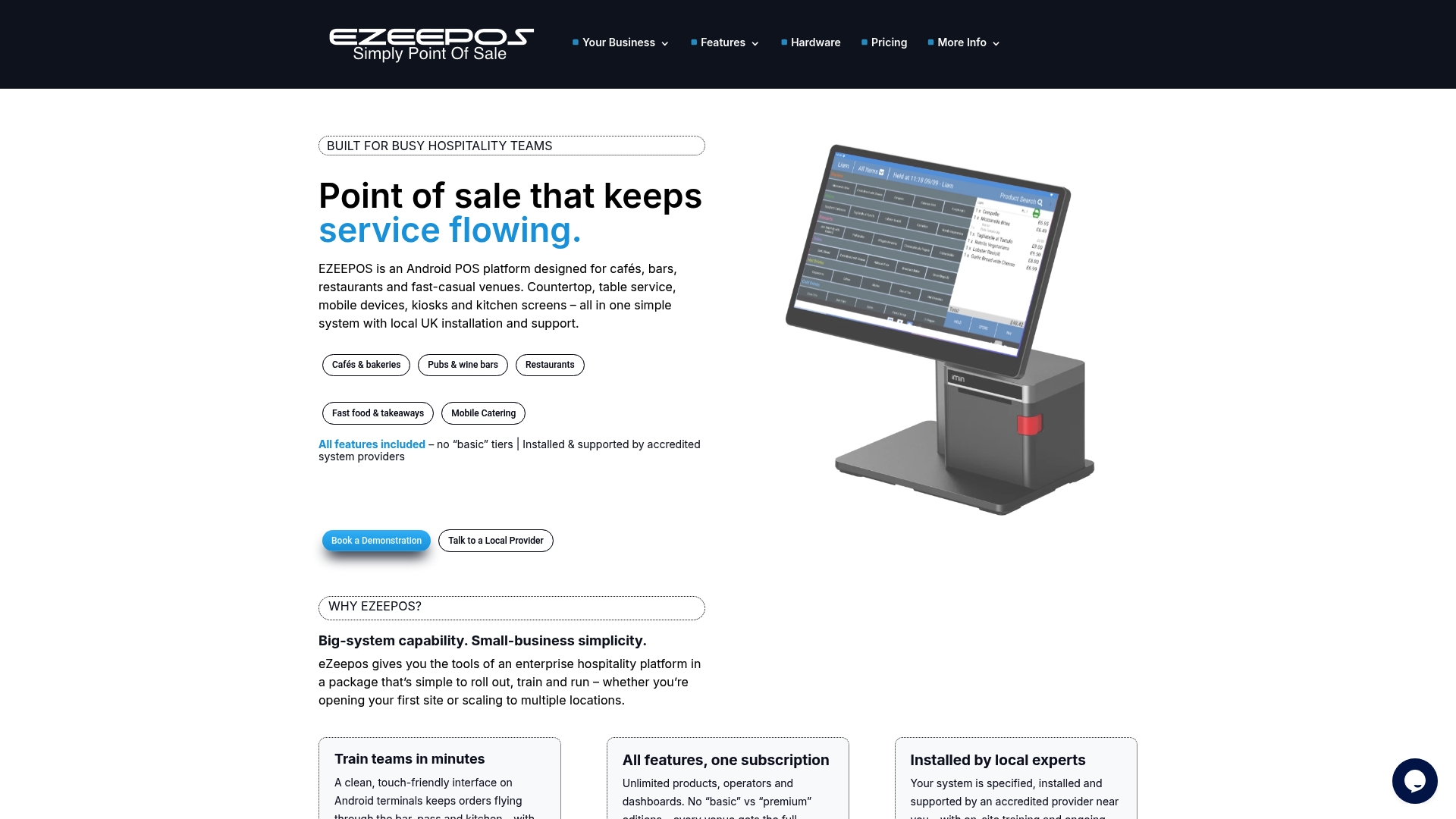
Whether you operate a bustling restaurant, casual pub, or upscale dining establishment, exploring various types of POS systems for UK hospitality venues helps you identify solutions matching your specific service model and operational requirements. Understanding what defines hospitality POS systems in the UK context ensures you select technology built for your regulatory environment and market expectations. For venues prioritising kitchen efficiency alongside front-of-house improvements, eZeepos kitchen technology integrates seamlessly with table ordering systems to create unified workflows from order placement through meal preparation and delivery.
Frequently asked questions
What is table ordering technology?
Table ordering technology is a digital system allowing customers to browse menus, customise items, and place orders directly from their table using tablets, smartphones, or touchscreens. The technology connects to kitchen displays and POS systems, transmitting orders instantly without manual server input for routine transactions.
How does table ordering technology improve restaurant efficiency?
It eliminates manual order transcription, reduces communication errors between front-of-house and kitchen, accelerates order transmission, and frees staff to focus on hospitality rather than transactional tasks. These improvements increase table turnover rates and reduce food waste from incorrect orders.
What devices work with table ordering systems?
Common options include venue-provided tablets placed at tables, customer smartphones accessing systems via QR codes, fixed tabletop touchscreens, or hybrid combinations. Device choice depends on venue style, customer demographics, budget, and desired control over user experience.
Does table ordering technology integrate with existing POS systems?
Modern table ordering platforms integrate with most hospitality POS systems through APIs or direct connections, synchronising orders, inventory, payments, and reporting. Verify compatibility between your chosen ordering technology and existing infrastructure before implementation to ensure seamless operation.
How do customers respond to table ordering technology?
Response varies by demographic and implementation quality. Younger, tech-comfortable guests typically embrace the control and convenience, whilst some older customers prefer traditional service. Successful venues offer both options during transition periods and train staff to assist guests who need support with technology interfaces.
Recent Comments