

Most british cafés and restaurants lose up to 20 percent of their food budget each year due to inefficient inventory management and unnecessary waste. For managers working in high pressure UK hospitality venues, keeping stock under control is more than cost saving, it is essential for meeting customer demand and maintaining profitability. This guide delivers proven methods to tighten inventory procedures, boost accuracy, and help your café or restaurant thrive in a competitive market.
Table of Contents
- Set Up Accurate Stock Tracking Procedures
- Use Real-Time POS Integration for Inventory Updates
- Schedule Regular Stock Counts and Audits
- Implement Automated Reordering Alerts
- Monitor Best-Selling and Slow-Moving Items
- Train Staff on Smart Inventory Practices
- Analyse Reports to Spot Trends and Adjust Orders
Quick Summary
| Takeaway | Explanation |
|---|---|
| 1. Establish Accurate Stock Tracking | Implement clear procedures and documentation for efficient inventory management to prevent waste and financial losses. |
| 2. Integrate Real-Time POS Systems | Connect your sales system to inventory management for automatic updates, reducing errors and providing immediate stock level insights. |
| 3. Schedule Regular Audits | Conduct frequent stock checks to ensure accuracy and identify discrepancies, maintaining financial integrity and operational transparency. |
| 4. Automate Reordering Alerts | Set up automatic notifications for low stock levels to streamline ordering processes and prevent stock shortages efficiently. |
| 5. Monitor Best-Selling Items | Track sales trends to optimise inventory management and adjust orders based on performance, ensuring better resource allocation. |
1. Set Up Accurate Stock Tracking Procedures
Effective stock tracking is the foundation of successful inventory management for UK cafés and restaurants. Establishing robust, transparent procedures helps prevent waste, reduce financial losses, and maintain precise control over your perishable and non perishable inventory.
Implementing systematic stock tracking requires creating clear documentation that details exactly how inventory should be monitored and recorded. Systematic documentation practices are crucial for maintaining accuracy and ensuring staff understand their responsibilities.
Your stock tracking system should incorporate real time monitoring techniques that capture precise quantities across different product categories. By implementing integrated supply chain information methods, restaurants can track ingredient levels dynamically, reducing unexpected stockouts and minimising food wastage.
Key elements of an effective stock tracking procedure include:
Core Documentation Requirements:
- Standardised inventory count sheets
- Clear recording protocols
- Regular scheduled stocktakes
- Digital or physical tracking logs
Best Practice Implementation:
- Train all staff on consistent recording methods
- Use digital tracking tools where possible
- Conduct weekly or bi weekly comprehensive inventory checks
- Cross reference physical stock against digital records
Top Tip: Invest in user friendly digital inventory management systems that automatically update stock levels and generate alerts for low inventory thresholds.
2. Use Real-Time POS Integration for Inventory Updates
Real-time Point of Sale (POS) integration represents a game changing approach to inventory management for UK cafés and restaurants. By connecting your sales tracking system directly with inventory management, you create a powerful mechanism for instantaneous stock level updates.
When a customer purchases an item, the POS system automatically deducts the corresponding ingredients or products from your inventory in real time. This seamless connection eliminates manual data entry, reduces human error, and provides an accurate snapshot of your current stock levels at any moment.
Key Benefits of Real-Time POS Integration:
- Instant stock level tracking
- Automatic ingredient depletion records
- Precise ordering recommendations
- Reduced manual administrative work
- Minimised risk of stockouts or overstocking
Implementation Strategies:
- Select a POS system with robust inventory management features
- Ensure comprehensive staff training on the integrated system
- Configure automatic low stock alerts
- Regularly validate digital inventory against physical stock
Practical Considerations:
Choosing the right café POS solution can transform how you manage inventory. Modern systems offer granular tracking that allows you to monitor individual ingredient quantities across multiple menu items simultaneously.
Pro Tip: Configure your POS system to generate automated weekly inventory reports that highlight consumption trends and potential ordering inefficiencies.
3. Schedule Regular Stock Counts and Audits
Scheduling regular stock counts and audits is a critical practice for maintaining accurate inventory control in UK cafés and restaurants. Financial reporting standards require systematic stock verification to ensure operational transparency and financial integrity.
Effective stock auditing goes beyond simple counting. It involves a comprehensive review of your inventory that helps identify discrepancies, prevent potential losses, and maintain precise financial records. The National Audit Office recommends implementing robust reconciliation processes that can catch inventory inconsistencies before they become significant problems.
Recommended Audit Frequency:
- Weekly spot checks for high value or fast moving items
- Monthly comprehensive inventory counts
- Quarterly deep dive audits with detailed reconciliation
- Annual full inventory assessment
Key Audit Strategies:
- Use standardised counting sheets
- Train staff on consistent counting methodologies
- Cross reference physical stock with digital records
- Document all discrepancies and investigate root causes
- Implement rotation systems to ensure thorough coverage
Audit Documentation Essentials:
- Precise quantity records
- Item condition assessments
- Cost value calculations
- Variance explanations
- Recommended corrective actions
Pro Tip: Assign different staff members to conduct inventory counts to introduce an additional layer of verification and reduce potential bias in reporting.
4. Implement Automated Reordering Alerts
Automated reordering alerts represent a transformative approach to inventory management for UK cafés and restaurants. Automated alert systems can dramatically improve operational efficiency by providing intelligent notifications that prevent stock shortages and streamline procurement processes.
These sophisticated systems work by monitoring your current inventory levels and automatically generating purchase recommendations when stock reaches predetermined thresholds. By integrating intelligent reordering mechanisms, you can proactively manage your ingredient supplies without constant manual intervention.
Key Automated Alert Features:
- Real time inventory tracking
- Customisable stock level triggers
- Vendor contact integration
- Purchasing recommendations
- Historical demand analysis
Implementation Strategies:
- Select a POS system with robust inventory management features
- Define precise minimum stock thresholds for each ingredient
- Configure automatic email or mobile notifications
- Establish relationships with multiple suppliers
- Review and adjust alert parameters quarterly
Benefits of Automated Reordering:
- Reduces human error
- Minimises potential stock shortages
- Optimises purchasing efficiency
- Provides data driven insights
- Saves administrative time
Pro Tip: Create slightly different reorder thresholds for seasonal ingredients to account for potential demand fluctuations and maintain optimal inventory levels.
5. Monitor Best-Selling and Slow-Moving Items
Tracking the performance of menu items is a critical strategy for UK cafés and restaurants to optimise inventory management and profitability. Understanding sales trends helps small businesses allocate resources more effectively and make informed decisions about stock procurement.
Monitoring product performance supports compliance with health regulations by providing insights into customer preferences and allowing businesses to adapt their offerings strategically.
Tracking Strategies:
- Categorise items by sales volume
- Identify top performing products
- Analyse ingredient usage rates
- Compare seasonal variations
- Review profit margins per item
Performance Evaluation Techniques:
- Weekly sales report analysis
- Monthly product performance reviews
- Quarterly menu item assessments
- Cost versus revenue comparisons
- Customer preference tracking
Actions for Slow Moving Items:
- Reduce inventory levels
- Redesign menu presentation
- Create promotional bundles
- Consider menu modifications
- Adjust pricing strategies
Pro Tip: Create a dynamic inventory management spreadsheet that automatically colour codes items based on their sales performance to quickly visualise potential areas for improvement.
6. Train Staff on Smart Inventory Practices
Effective inventory management goes far beyond spreadsheets and systems it requires a well trained team that understands the critical importance of precise stock control. Professional development programmes designed for hospitality staff can transform inventory practices by equipping employees with the necessary skills and knowledge.
Comprehensive training ensures compliance with hygiene and safety standards while establishing a culture of accountability and precision within your café or restaurant.
Training Focus Areas:
- Stock rotation techniques
- Proper documentation methods
- Allergen management protocols
- Waste reduction strategies
- Digital inventory tracking
Implementation Strategies:
- Create structured training modules
- Use practical demonstration techniques
- Provide written reference materials
- Conduct regular skills assessments
- Offer ongoing learning opportunities
Staff Competency Development:
- Understanding inventory tracking systems
- Recognising product quality indicators
- Managing stock levels efficiently
- Identifying potential inventory risks
- Maintaining accurate digital records
Top Tip: Develop a monthly training rotation where different staff members share their inventory management insights to promote continuous learning and collective expertise.
7. Analyse Reports to Spot Trends and Adjust Orders
Spotting emerging food trends and understanding purchasing patterns are critical skills for UK cafés and restaurants looking to stay competitive. Comprehensive report analysis can transform your inventory management strategy by providing data driven insights into customer preferences and market shifts.
Benchmarking and comparative data analysis support more informed decision making that can significantly improve your café’s sustainability and profitability.
Key Reporting Analysis Elements:
- Sales volume tracking
- Seasonal demand variations
- Menu item performance
- Cost per ingredient analysis
- Purchasing trend identification
Strategic Reporting Techniques:
- Generate monthly comparative reports
- Compare year on year performance
- Track ingredient cost fluctuations
- Analyse customer purchasing patterns
- Identify potential menu optimisation opportunities
Report Review Process:
- Schedule regular review meetings
- Use visual data representation
- Discuss insights with team
- Create actionable procurement strategies
- Implement continuous improvement approaches
Top Tip: Create a standardised reporting template that automatically highlights significant trend changes and potential action items to streamline your strategic planning process.
Below is a comprehensive table summarising effective inventory management practices for UK cafés and restaurants as discussed in the article.
| Strategy | Description | Key Actions | Benefits |
|---|---|---|---|
| Accurate Stock Tracking | Develop systematic procedures for precise inventory monitoring. | Use clear documentation standards, train staff, conduct regular stocktakes, and implement digital tracking. | Prevents wastage, reduces financial losses, and ensures inventory control. |
| Real-Time POS Integration | Deducts used items during sales immediately from inventory. | Select a robust POS system, train staff, and validate physical versus digital records regularly. | Minimises manual errors, enhances operational efficiency, and ensures stock accuracy. |
| Scheduled Stock Audits | Regular evaluation and reconciliation of inventory data. | Perform weekly and monthly audits, use standardised methods, and document findings accurately. | Maintains operational transparency and detects discrepancies proactively. |
| Automated Reordering Alerts | Automated notifications when supplies reach set thresholds. | Implement POS alerts, configure trigger levels, and establish supplier relationships. | Prevents stock shortages, optimises procurement, and improves efficiency. |
Transform Your Inventory Challenges into Seamless Operations with EZEEPos
Accurate stock tracking, real-time updates, and automated reordering are essential for the UK hospitality industry to overcome inventory management hurdles. This article highlights how critical it is to reduce waste, prevent stockouts, and streamline purchasing—all common pain points that can drain your business resources and dampen customer satisfaction. EZEEPos provides a tailored Hospitality – EZEEPos Solution designed specifically to meet these challenges by integrating comprehensive inventory control directly with your Point of Sale.
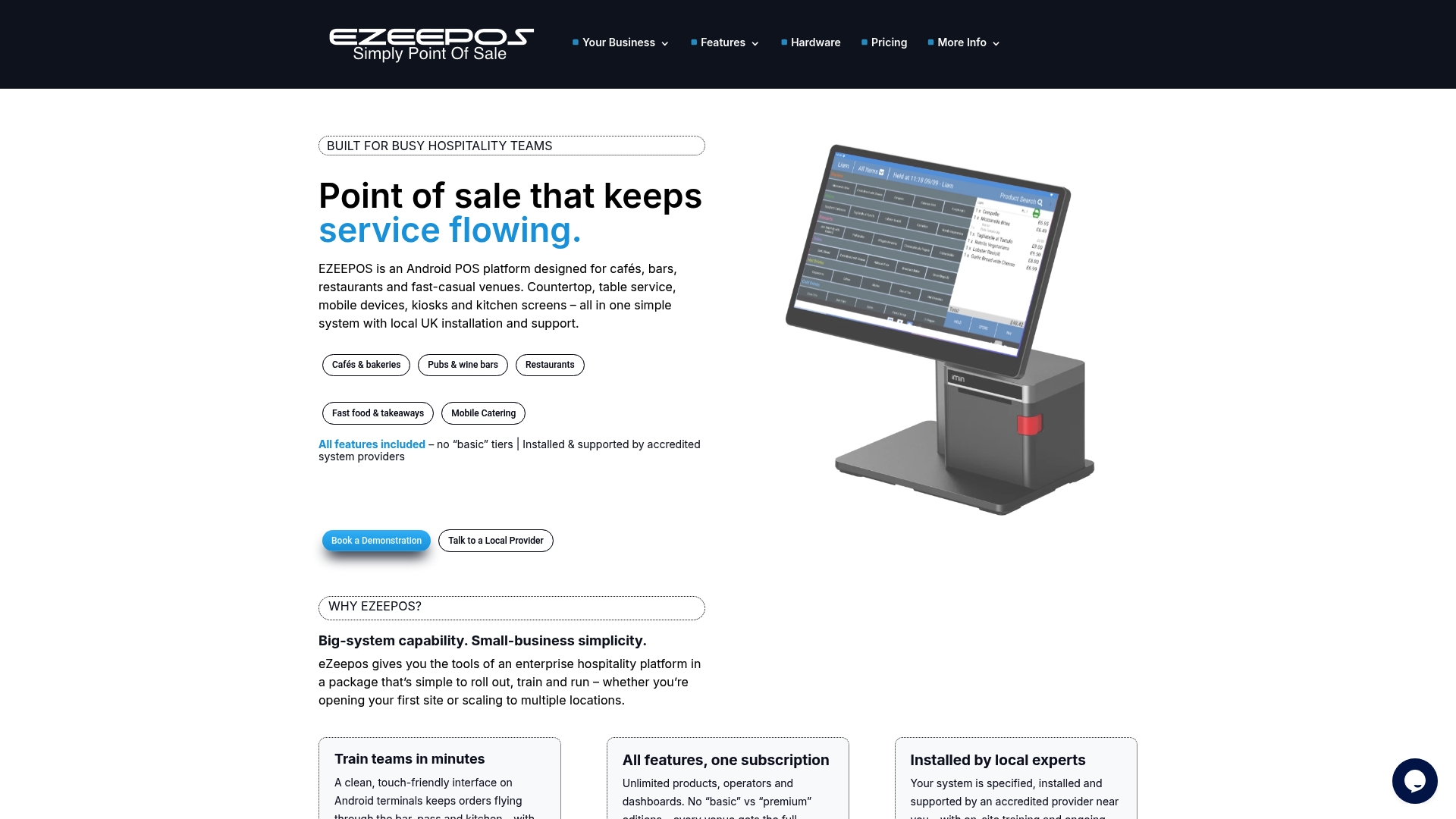
Take control of your café or restaurant’s inventory today by leveraging EZEEPos’s smart digital tools and user-friendly platform. From automatic stock level alerts to detailed reporting that reveals trends and optimises orders, our system empowers your team to work smarter and reduce costly errors. Explore the benefits of our flexible solutions now at https://ezeepos.co.uk and customise your setup further with our Add On Modules – EZEEPos Solution to adapt perfectly to your business needs.
Frequently Asked Questions
How can I establish accurate stock tracking procedures for my café?
To establish accurate stock tracking procedures, create clear documentation detailing how inventory should be monitored and recorded. Implement standardised inventory count sheets and schedule regular stocktakes to maintain control over your inventory levels.
What are the benefits of integrating a real-time Point of Sale (POS) system for inventory?
Integrating a real-time POS system allows for instantaneous stock level updates whenever a sale occurs, reducing manual data entry and human error. Select a POS with robust inventory features and configure automatic low stock alerts to enhance efficiency in managing inventory.
How often should I conduct stock counts and audits in my café?
Regular stock counts and audits should be conducted weekly for high-value or fast-moving items, monthly for comprehensive counts, and quarterly for detailed audits. Scheduling these checks ensures accuracy in your inventory records and identifies discrepancies early on.
What features should I look for in an automated reordering alert system?
Look for features that include real-time inventory tracking, customisable stock level triggers, and vendor contact integration. Establish precise minimum stock thresholds for each ingredient to automate reordering processes and minimise the risk of stock shortages.
How can I monitor best-selling and slow-moving items effectively?
To effectively monitor best-selling and slow-moving items, categorise products by sales volume and analyse ingredient usage rates. Conduct regular reviews (e.g., weekly or monthly) to make informed decisions about stock procurement and adjust menu offerings accordingly.
Why is staff training important for inventory management, and what should it cover?
Staff training is vital for ensuring consistency and compliance with inventory practices. Focus training on stock rotation techniques, proper documentation methods, and waste reduction strategies to foster a culture of accountability within your café.
Recent Comments