
Why loyalty should feel simple at the till
For many UK independent businesses, repeat custom is what keeps trade steady. A customer loyalty scheme can help encourage people to come back, but only if it feels easy to use for staff and customers alike. If a loyalty setup creates extra steps, slows the queue or depends on manual checking, it can become a burden rather than a benefit.
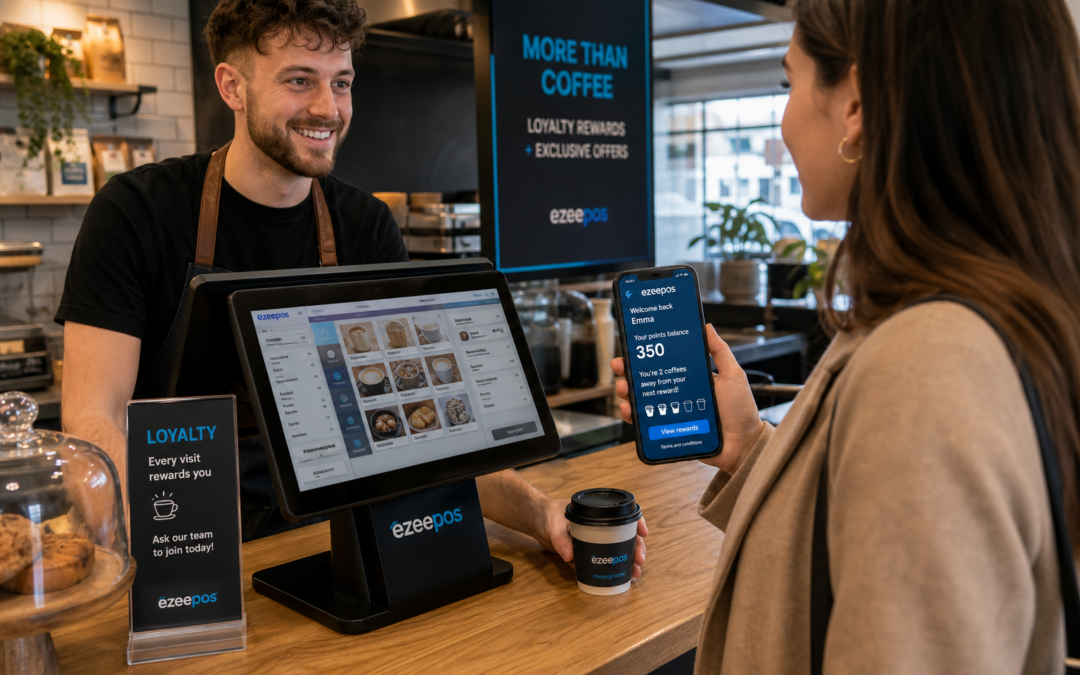
That is why the point of sale matters. A well-planned EPOS system, such as eZeePOS, can make loyalty part of the normal checkout process instead of an add-on that staff have to remember separately. For cafes, shops and takeaways, that can make repeat visits feel more natural and more rewarding.
Loyalty ideas that suit everyday UK trading
Not every loyalty scheme needs to be complex. In fact, the most effective ones are often the easiest to understand. Customers are more likely to join a scheme if they can see the value immediately, and staff are more likely to use it if it does not slow them down.
- Simple stamp-style rewards: Ideal for coffee shops, sandwich bars and takeaways that see regular repeat visits.
- Points for spend: Useful for retailers and cafes where customers may buy at different price points each visit.
- Spend-and-save offers: A practical way to reward returning customers without making the scheme feel complicated.
- Member-only promotions: Good for encouraging repeat traffic during quieter periods.
- Birthday or seasonal rewards: A small personal touch that can help customers feel remembered.
The best scheme for your business usually depends on how often people visit, what they buy and how much time staff can spare at the till. A busy lunch counter has different needs from a gift shop or local convenience store, so the structure should fit the way you trade.
How EPOS can support customer loyalty
A modern EPOS system can help loyalty run in the background rather than as a separate task. That might include identifying returning customers, applying rewards quickly, or keeping member details organised in one place. For business owners, this can make it easier to see what is working and what needs adjusting.
With the right setup, staff can recognise a loyalty customer quickly, add rewards with fewer manual steps and keep the checkout process moving. That matters in busy retail and hospitality environments, where even a small delay can affect the customer experience.
For cafes and takeaways
In hospitality, loyalty often works best when it rewards frequency. A coffee shop customer who visits most mornings may respond well to a straightforward reward after a set number of purchases. Similarly, takeaways can use repeat-visit offers to encourage customers to choose them again, especially when service is fast and regular.
EPOS can help keep that process neat and consistent. Instead of relying on paper cards or staff memory, rewards can be tracked in a more organised way. That makes it easier to reward loyal customers without holding up the queue.
For shops and gift retailers
Retail businesses often benefit from schemes that encourage customers to return for future purchases. Gift shops, for example, may want to reward repeat seasonal visits, while convenience stores may focus on building habits over time. A simple loyalty system can help these businesses stay competitive without needing a heavy-handed sales approach.
If customers know they are building towards something useful, they are often more likely to return. That can be especially helpful in smaller shops where local trade and personal service matter a great deal.
What makes a loyalty scheme more effective?
A good loyalty scheme should be easy for customers to understand at a glance. If the rules are hard to explain, people may not bother joining. The same is true for staff. If they need to remember too many steps, they may skip the process during busy periods.
Here are a few practical points to keep in mind:
- Keep the offer clear: Customers should know what they get and how close they are to earning it.
- Make it quick to apply: The scheme should fit into a normal sale without slowing service.
- Train staff properly: Everyone should know when and how to apply rewards.
- Use it consistently: A scheme works best when it is used in the same way every day.
- Review the results: Check whether it is encouraging repeat business and whether the reward level still makes sense.
That final point is important. A loyalty scheme should support your margin as well as your customer base. It needs to be attractive enough to work, but practical enough to sustain.
Digital loyalty and customer convenience
Many customers now prefer digital options rather than carrying paper cards or remembering physical stamps. A digital loyalty approach can make the process more convenient and less prone to errors. It can also help businesses present a more modern image without changing the way they serve customers day to day.
For some businesses, this may sit alongside receipt preferences, customer contact details or member-only offers. The key is to keep the experience simple at checkout. If the customer can see the benefit quickly and the staff can apply it without fuss, the scheme is far more likely to succeed.
Bringing loyalty into a wider EPOS setup
Customer loyalty works best as part of a full EPOS setup rather than on its own. When the till system also helps with sales records, promotions and day-to-day checkout flow, loyalty becomes part of a broader operational picture. That is useful for independent businesses that want to stay organised without adding unnecessary admin.
For businesses exploring a new till setup, it is worth looking at how loyalty fits with your service style, your busiest times and the type of customer you want to bring back more often. If you are considering a practical solution for retail or hospitality, visit www.ezeepos.co.uk to see how eZeePOS may support your setup.
Contact YCR Distribution at sales@ezeepos.co.uk or call 01924 438238.
Final thoughts
Customer loyalty does not need to be flashy to be effective. For cafes, shops and takeaways, the best approach is often the one customers understand quickly and staff can apply without delay. With the right EPOS support, loyalty can become a simple part of everyday trading rather than another task to manage.
Handled well, it can help you encourage repeat visits, improve customer relationships and build a stronger base of regular trade over time.
Recent Comments