

Managing seafood stock can feel like a balancing act for any British fish shop owner facing the daily challenge of keeping products fresh while preventing excess waste. With perishable inventory and strict UK food safety standards, relying on guesswork is risky. Harnessing modern inventory management systems gives you the advantage needed to accurately track, forecast, and optimise your stock. Here you’ll find practical steps to organise your processes and keep your business efficient and compliant.
Table of Contents
- Step 1: Set Up Effective Inventory Tracking Systems
- Step 2: Establish Standard Receiving and Storage Procedures
- Step 3: Monitor Daily Stock Usage and Adjust Data
- Step 4: Analyse Stock Levels and Identify Discrepancies
- Step 5: Implement Regular Stock Audits for Accuracy
Quick Summary
| Main Insight | Explanation |
|---|---|
| 1. Implement a Digital Tracking System | Use a cloud-based inventory platform for real-time stock monitoring and effective management of fish product quality and freshness. |
| 2. Establish Rigorous Receiving Procedures | Ensure strict protocols for inspecting shipments to improve food safety and maintain optimal seafood quality upon arrival. |
| 3. Conduct Regular Stock Audits | Schedule systematic audits to validate records, identify discrepancies, and enhance overall inventory accuracy and efficiency. |
| 4. Monitor Daily Stock Usage | Regularly track sales and inventory data to make informed purchasing decisions and optimise stock management while reducing waste. |
| 5. Train Staff on Inventory Practices | Develop comprehensive training to ensure all team members understand proper inventory handling and data input protocols. |
Step 1: Set up effective inventory tracking systems
Establishing a robust inventory tracking system is crucial for managing your fish shop’s stock efficiently. Modern fish shops require sophisticated methods to monitor product quality, quantity, and freshness while minimising waste and maximising profitability.
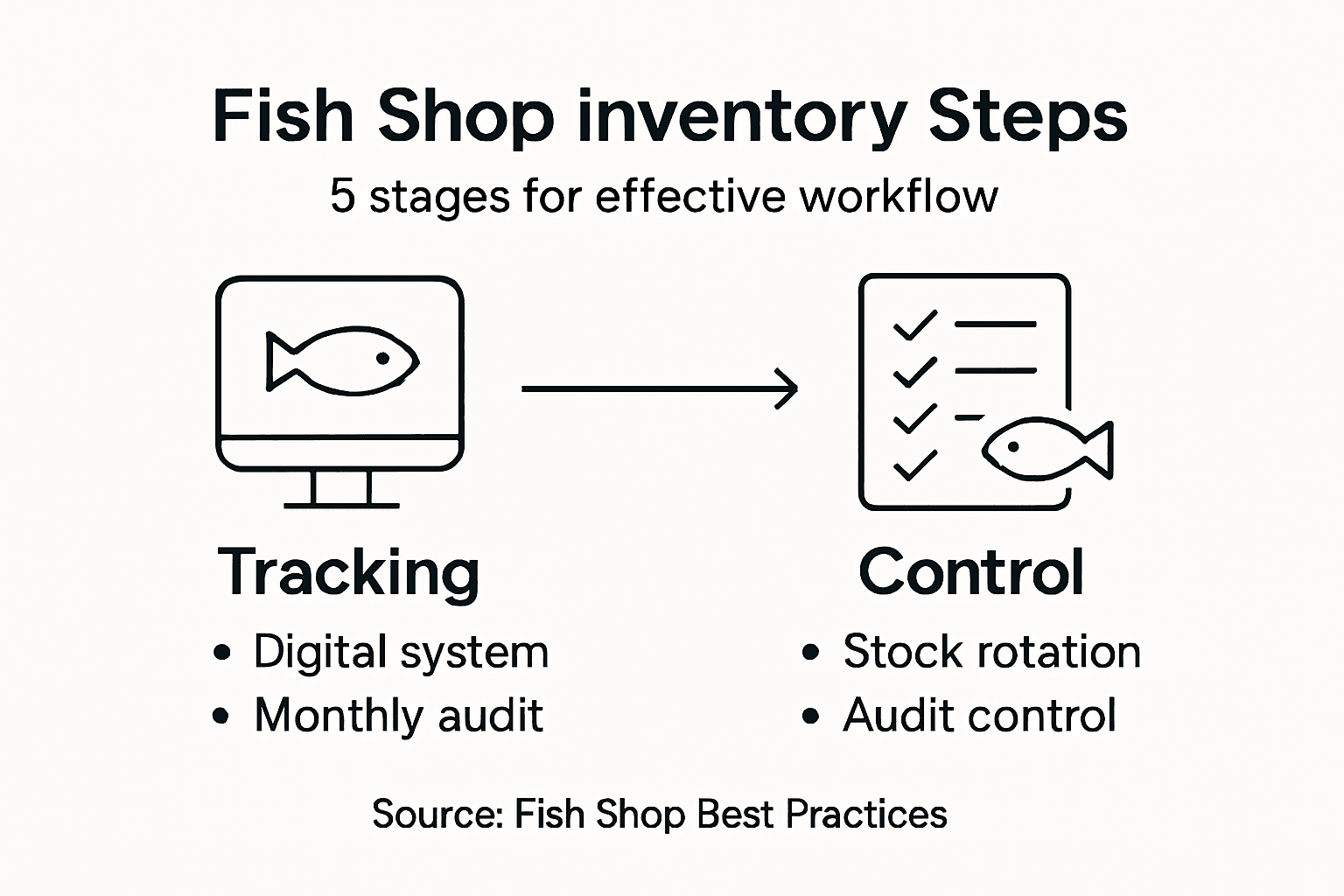
To create an effective inventory management approach, start by implementing a digital tracking system that provides real-time insights. Data analytics tools for fish stock management can help you precisely monitor your inventory with remarkable accuracy. Consider these key steps:
- Invest in a cloud-based inventory management platform
- Integrate barcode or QR code scanning for rapid stock updates
- Set up automatic reorder point notifications
- Create detailed product categorisation for different fish types
- Implement temperature and freshness tracking
Each fish product requires specific handling, so your tracking system must accommodate variations in storage requirements, shelf life, and supplier details. Develop a standardised process for logging incoming shipments, recording product origins, and monitoring expiration dates.
A well-organised inventory system reduces waste by up to 30% and provides critical insights into your fish shop’s operational efficiency.
Training your team is equally important. Ensure every staff member understands how to use the tracking system correctly, input data accurately, and respond to inventory alerts promptly.
Top tip: Conduct a monthly inventory audit to cross-reference digital records with physical stock, catching any discrepancies early and maintaining system accuracy.
Step 2: Establish standard receiving and storage procedures
Managing seafood inventory requires meticulous attention to detail and strict protocols for receiving and storing fish products. Your goal is to maintain optimal product quality, ensure food safety, and comply with UK regulatory standards.
Seafood supply chain solutions emphasise the critical nature of consistent receiving processes. Your standard procedures should encompass several key elements:
- Inspect each fish shipment immediately upon arrival
- Verify harvest dates and transportation temperature logs
- Measure and record product temperature using calibrated thermometers
- Confirm product quality and appearance before acceptance
- Document all incoming seafood with precise tracking information
Temperature control is paramount in seafood storage. Your refrigeration units must maintain consistent cold environments between 0-4°C to preserve fish quality and prevent bacterial growth. Create designated storage zones for different fish types, ensuring proper segregation and minimal cross-contamination.
Implementing rigorous receiving procedures can reduce product spoilage by up to 40% and significantly improve overall food safety standards.
Establish a first-in-first-out (FIFO) rotation system that guarantees older stock is used before newer arrivals. This approach minimises waste and ensures customers always receive the freshest possible products.

Top tip: Develop a comprehensive staff training programme that standardises receiving protocols, ensuring every team member understands precise handling requirements for different seafood varieties.
Step 3: Monitor daily stock usage and adjust data
Tracking your fish shop’s daily inventory requires a systematic approach that transforms raw data into actionable insights. By implementing real-time monitoring techniques, you can optimise your stock management and prevent potential losses.
Real-time inventory tracking technologies enable precise and dynamic stock control. Your daily monitoring process should include:
- Record sales quantities for each fish variety
- Update digital inventory records after every transaction
- Compare actual sales against predicted stock levels
- Identify rapid-selling and slow-moving product lines
- Flag products approaching expiration dates
Systematic data tracking allows you to make informed purchasing decisions. By understanding your precise stock consumption patterns, you can adjust order quantities, minimise waste, and maintain optimal inventory levels.
Consistent daily monitoring can reduce seafood waste by up to 35% and improve overall operational efficiency.
Utilise analytics software that provides instant updates and generates comprehensive reports. These tools help you understand sales trends, predict future demand, and make strategic inventory adjustments.
Top tip: Schedule a brief daily stock review during quieter periods, ensuring your inventory data remains accurate and up-to-date.
Step 4: Analyse stock levels and identify discrepancies
Maintaining accurate inventory records is crucial for your fish shop’s financial health and operational efficiency. Understanding how to systematically review and reconcile your stock levels will help you prevent potential losses and maintain precise inventory control.
Inventory control systems provide sophisticated methods for detecting stock inconsistencies. Your analysis should focus on several critical aspects:
- Compare physical stock counts against digital records
- Calculate percentage variances between expected and actual inventory
- Investigate potential sources of discrepancies
- Document all detected inconsistencies in detail
- Establish clear protocols for reporting and resolving inventory gaps
Detailed analysis requires a methodical approach. Break down your investigation into categories such as spoilage, potential theft, administrative errors, and unpredicted sales fluctuations. Each discrepancy should be traced to its root cause, enabling you to implement targeted corrective measures.
Here is a comparison of inventory discrepancies and their typical investigation focus:
| Discrepancy Type | Likely Cause | Typical Investigation Method |
|---|---|---|
| Spoilage or expiration | Improper storage temperature | Review temperature logs, check expiry |
| Thefts or losses | Security lapses | Examine CCTV, audit access logs |
| Data entry errors | Staff mistakes | Cross-check records, retrain staff |
| Sales fluctuations | Unpredicted demand | Analyse sales trends, adjust forecasts |
Comprehensive stock level analysis can reduce inventory shrinkage by up to 25% and significantly improve overall business profitability.
Consider implementing periodic surprise stock audits to validate your ongoing tracking processes and maintain accountability among staff members. Cross-referencing multiple data sources helps ensure the highest level of inventory accuracy.
Top tip: Create a standardised discrepancy report template that captures all relevant details, making future investigations more streamlined and efficient.
Step 5: Implement regular stock audits for accuracy
Conducting systematic stock audits is essential for maintaining the integrity of your fish shop’s inventory management. These structured evaluations help you validate your digital records, identify potential discrepancies, and ensure the highest standards of product quality and financial accuracy.
Inventory management software provides sophisticated tools for streamlining your audit processes. Your comprehensive audit strategy should encompass these critical elements:
- Schedule recurring physical stock counts
- Cross-reference digital records with actual inventory
- Verify product quality and condition during counts
- Document temperature logs and storage conditions
- Record and investigate any significant variances
A thorough audit involves more than simply counting products. You need to analyse the root causes of any discrepancies, examining factors like spoilage, potential theft, data entry errors, or unexpected sales fluctuations. This holistic approach transforms audits from mere counting exercises into strategic business insights.
Below is a summary of regular stock audit benefits for fish shops:
| Audit Benefit | Impact on Business | Example Improvement |
|---|---|---|
| Reduces inventory shrinkage | Less financial loss | Up to 40% less product lost |
| Enhances accountability | Staff perform more carefully | Fewer recording mistakes |
| Improves product quality | Fresher seafood for customers | Higher buyer satisfaction ratings |
| Streamlines compliance | Meets food safety standards | Passes regulatory inspections |
Regular stock audits can reduce inventory shrinkage by up to 40% and provide crucial insights into operational efficiency.
Consider implementing both announced and unannounced audits to maintain staff accountability and catch potential irregularities. Digital tools can help automate much of this process, reducing human error and providing detailed audit trails.
Top tip: Rotate audit responsibilities among staff members to ensure fresh perspectives and maintain a system of checks and balances.
Take Control of Your Fish Shop Inventory with EZEEPos
Managing the complex workflow of fish shop inventory requires precision, real-time monitoring, and streamlined procedures to reduce spoilage, prevent discrepancies, and boost profitability. If you are striving to improve your stock tracking, receiving, daily usage monitoring, and regular audits, EZEEPos offers a tailored solution designed for demanding hospitality environments just like yours. Our system supports detailed inventory control workflows that align perfectly with your operational goals such as automatic reorder alerts, temperature tracking, and digital stock audits.
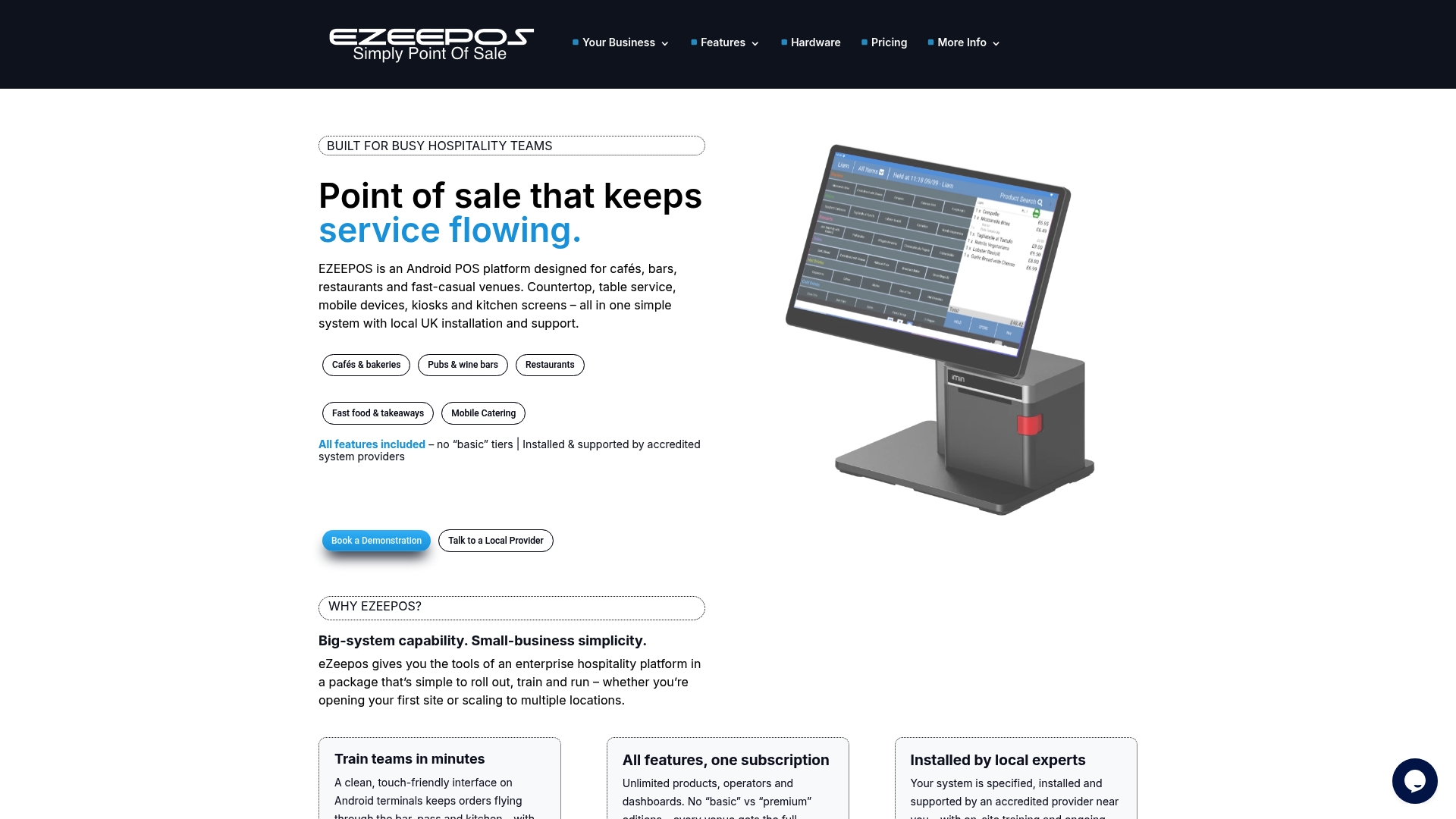
Discover how EZEEPos can transform your fish shop management with features including seamless team training, cloud-based back office access, and integration across multiple devices. Visit our Hospitality – EZEEPos Solution page and explore powerful Add On Modules – EZEEPos Solution to customise your inventory needs effectively. Don’t wait to reduce waste and improve food safety standards. Start today at https://ezeepos.co.uk and bring accuracy and efficiency to your fish shop’s inventory workflow.
Frequently Asked Questions
What are the key steps for setting up an effective inventory tracking system for my fish shop?
To set up an effective inventory tracking system, invest in a cloud-based inventory management platform, integrate barcode or QR code scanning, and ensure you have automatic reorder point notifications. Start by creating detailed product categorisation for different fish types and implement temperature and freshness tracking to monitor quality.
How can I minimise waste while managing my fish shop’s inventory?
You can minimise waste by establishing strict receiving and storage procedures that include inspecting shipments and verifying harvest dates. Implement a first-in-first-out (FIFO) rotation system to ensure older stock is used first, which can reduce spoilage by up to 40%.
What should I include in my daily stock monitoring process?
Your daily stock monitoring process should include recording sales quantities for each fish variety and updating digital inventory records after every transaction. Regularly compare actual sales against predicted stock levels to identify fast and slow-moving items, allowing for timely adjustments to future orders.
How do I analyse stock discrepancies effectively?
To analyse stock discrepancies, compare your physical stock counts against digital records and calculate percentage variances. Investigate potential causes such as spoilage, theft, or data entry errors, and document all findings to implement corrective measures and maintain accurate inventory levels.
How often should I conduct stock audits in my fish shop?
Conduct stock audits at regular intervals, ideally every month, to validate your inventory data and identify any discrepancies. Incorporate both announced and unannounced audits to keep staff accountable and maintain a high standard of inventory management.
Recent Comments