
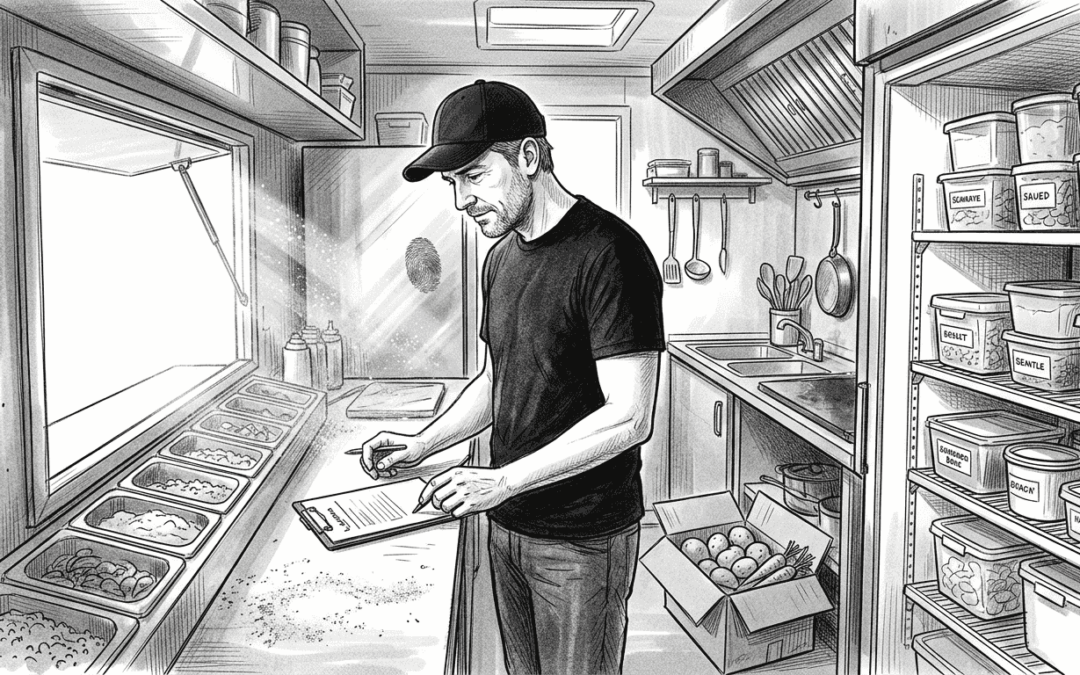
Most food truck operators focus obsessively on perfecting their menu and marketing, yet quietly haemorrhage profits through chaotic inventory practices. The harsh reality is that poor operations cost money before a single customer orders. Effective inventory management transforms this vulnerability into competitive advantage, cutting waste by up to 20% whilst accelerating service speed. This guide reveals practical strategies for tracking stock, implementing proven systems like FIFO, and leveraging technology to optimise your mobile catering operation. You’ll discover how simple routines prevent costly mistakes and why inventory control directly impacts customer satisfaction and revenue growth.
Table of Contents
- What Is Inventory Management In Food Trucks?
- Common Pitfalls And Misconceptions About Food Truck Inventory
- Key Inventory Management Strategies For Food Trucks
- How Effective Inventory Management Boosts Food Truck Performance
- Discover Ezeepos For Streamlined Inventory Control
Key takeaways
| Point | Details |
|---|---|
| Waste reduction matters | Proper inventory control cuts food waste by 20% and reduces costs by 10-15% through better tracking. |
| FIFO prevents spoilage | Using older stock first minimises waste and keeps ingredients fresh for quality service. |
| Speed drives revenue | Food trucks serving 4 orders per 10 minutes earn 40% more than those serving 3 orders. |
| Daily checks improve accuracy | Regular inventory walkthroughs boost accuracy by 15-25% and catch problems early. |
| Simple systems work | Consistent checklists and routines deliver results without expensive software investments. |
What is inventory management in food trucks?
Inventory management for food trucks means systematically tracking and controlling every ingredient, beverage, packaging item, and supply needed to operate your mobile kitchen. Understanding inventory control mechanics involves monitoring what you have, what you use, and when to reorder. This process ensures you maintain optimal stock levels without tying up cash in excess inventory or running out during peak service.
Your inventory typically includes several distinct categories:
- Fresh ingredients like vegetables, proteins, and dairy products
- Dry goods including spices, flour, and packaged items
- Beverages ranging from soft drinks to specialty coffee supplies
- Packaging materials such as containers, napkins, and utensils
- Small wares like cooking tools and serving equipment
Mobile catering presents unique challenges compared to traditional restaurants. Storage space is severely limited, forcing you to be strategic about what you stock. Perishable items face additional risks from temperature fluctuations during transport and service. You cannot simply pop into a walk-in cooler when supplies run low.
Effective inventory management requires understanding your usage rates for each item. Track how quickly you go through ingredients during different service periods. Monitor spoilage patterns to identify problems before they become costly. Schedule reorders based on lead times from suppliers and your service calendar. This systematic approach prevents the twin disasters of running out mid-service or throwing away expired stock.
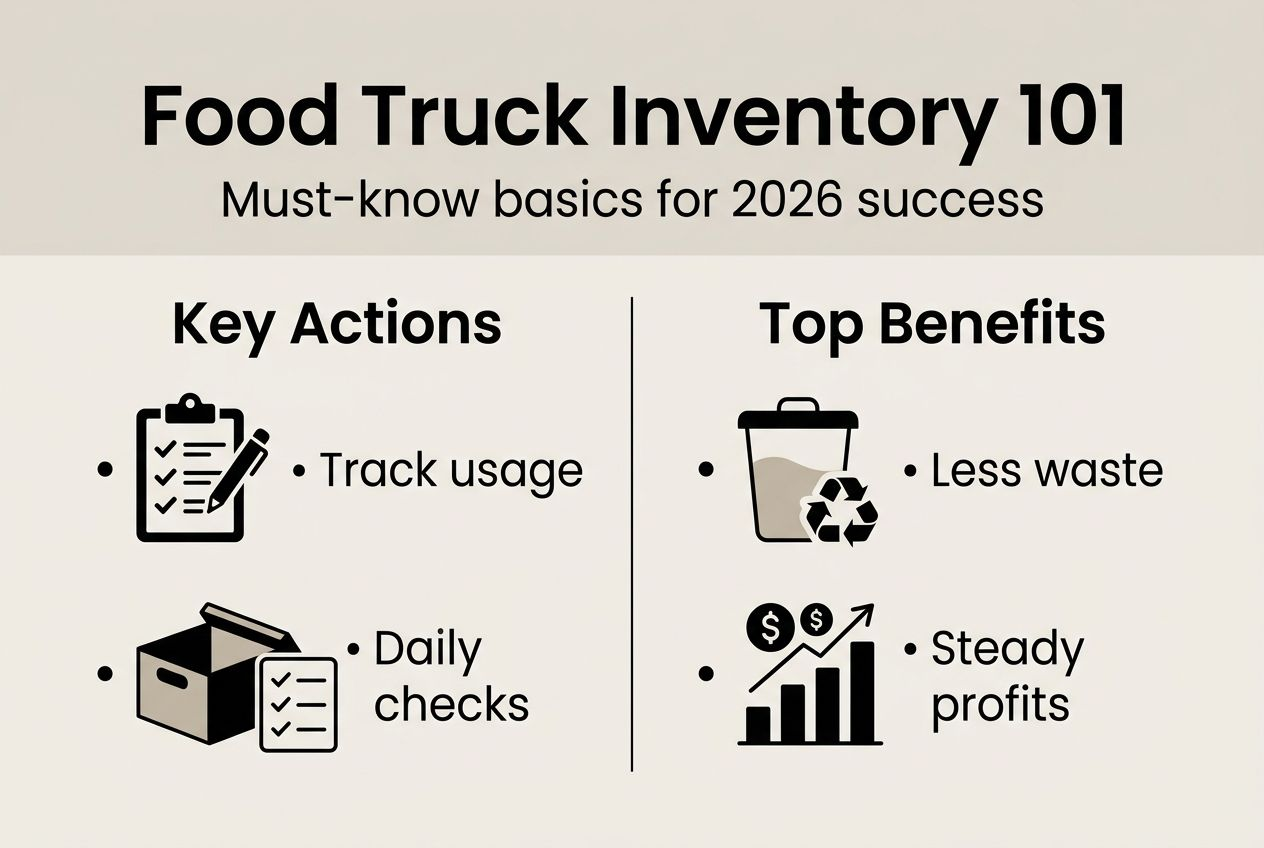
The financial impact extends beyond obvious waste. Poor inventory control ties up capital in slow-moving items, increases storage costs, and creates labour inefficiencies when staff spend time searching for supplies. Good inventory practices free up cash flow, reduce stress during service, and improve your bottom line. For comprehensive strategies applicable to mobile operations, explore our inventory management guide for caterers to see how these principles scale across different catering contexts.
Common pitfalls and misconceptions about food truck inventory
Many food truck operators underestimate how inventory mismanagement silently erodes profitability. Sloppy operations cost money before you serve anyone, yet owners often prioritise equipment and marketing over systematic stock control. This oversight creates a cascade of preventable problems that compound over time.
Overstocking perishable items ranks among the most expensive mistakes. You might think buying in bulk saves money, but overstocking leads to spoilage and increased costs that negate any supplier discounts. Limited refrigeration space in food trucks accelerates this problem. Fresh herbs wilt, dairy products expire, and proteins spoil before you can use them. Each discarded item represents pure loss.
Hidden costs frequently escape notice during inventory planning:
- Storage space limitations force you to rent additional refrigeration
- Labour time spent searching for misplaced items during service rushes
- Opportunity costs from capital locked in slow-moving inventory
- Disposal fees for expired or spoiled products
- Emergency purchases at premium prices when you run out unexpectedly
A persistent misconception suggests that effective inventory management requires expensive software systems. Whilst technology helps, simple routines deliver substantial improvements without major investment. Consistency and discipline matter far more than sophisticated tools. A well-maintained spreadsheet or checklist system, followed religiously, outperforms fancy software used sporadically.
Ignoring sales data analysis creates another common trap. You cannot accurately forecast demand without examining what actually sells. Ordering based on gut feeling or habit leads to mismatches between stock and customer preferences. Some operators order the same quantities week after week, regardless of seasonal changes, special events, or emerging trends. This rigidity guarantees waste during slow periods and stockouts during busy times.
The belief that inventory management is too time-consuming for small operations represents perhaps the most damaging misconception. In reality, investing 15 minutes daily in systematic checks saves hours of crisis management and prevents costly mistakes. For practical approaches that fit tight schedules, review our restaurant inventory management tips efficiency guide to see how small investments in process yield significant returns.
Key inventory management strategies for food trucks
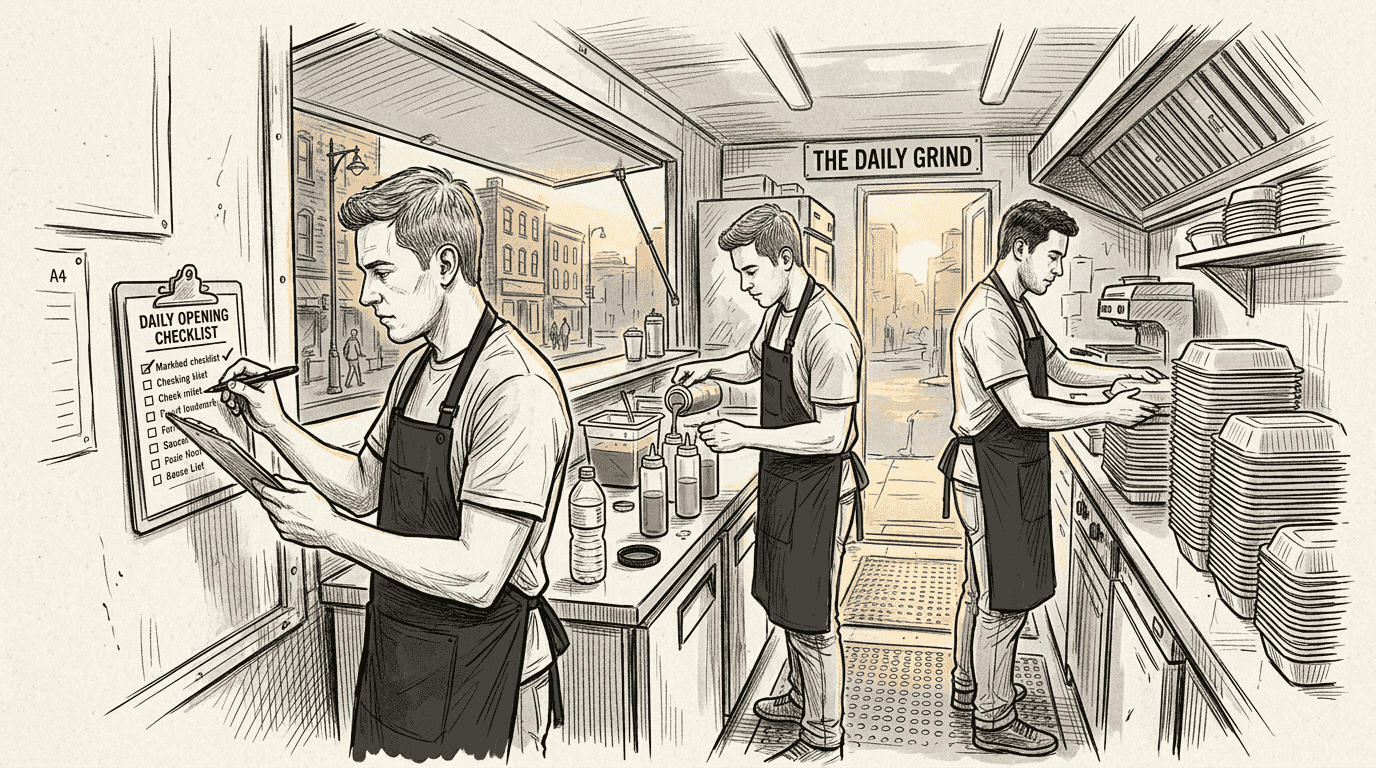
Implementing structured inventory routines transforms chaos into control. Start with daily walkthroughs before service begins. Check refrigeration temperatures, inspect perishables for freshness, and verify you have adequate stock for your projected sales. This simple habit catches problems whilst you can still solve them.
The FIFO method reduces waste by ensuring older stock gets used before newer arrivals. Arrange items so the first products in are the first ones out. Label everything with receiving dates. Train your team to pull from the front and stock new items behind existing inventory. This systematic approach cuts spoilage by up to 20% by preventing items from hiding in the back until they expire.
Follow these steps to establish effective inventory routines:
- Conduct a complete physical count at least weekly, comparing actual stock to your records
- Perform quick visual checks daily before service to spot shortages or quality issues
- Record every delivery immediately, noting quantities, dates, and supplier details
- Track waste separately, categorising reasons such as spoilage, preparation errors, or customer returns
- Review sales data weekly to identify trends and adjust ordering patterns accordingly
Integrating your point of sale system with inventory tracking provides real-time stock visibility that enables data-driven decisions. Every sale automatically deducts ingredients from your inventory count. You spot shortages before they become stockouts. Sales reports reveal which items move quickly and which languish. This integration eliminates manual counting errors and saves substantial time. Discover how POS systems boost efficiency for food truck operations beyond just processing payments.
Storage optimisation maximises your limited space:
- Use clear containers so you can see contents and quantities at a glance
- Implement shelf labels showing item names, par levels, and reorder points
- Dedicate specific zones for different categories to speed retrieval
- Store frequently used items at eye level for quick access
- Keep cleaning supplies completely separate from food items
Portion control directly impacts inventory accuracy. Standardise recipes and train staff to measure consistently. Pre-portion ingredients during prep when possible. This discipline ensures your theoretical usage matches actual consumption, making variance analysis meaningful.
Pro Tip: Set a specific time each day for inventory tasks, treating it as non-negotiable as opening your serving window. Consistency reveals patterns that sporadic checks miss, helping you spot theft, waste trends, or supplier quality issues before they become serious problems.
Low-tech solutions work remarkably well for many operators. A laminated checklist and clipboard system costs almost nothing but improves accuracy by 15-25% when used consistently. The key is choosing a system you will actually maintain. Sophisticated software that you ignore delivers zero value compared to a simple spreadsheet you update religiously.
For operators ready to leverage technology, modern POS systems offer powerful inventory features without overwhelming complexity. Learn how the role of POS in inventory control extends beyond tracking to forecasting, reporting, and automated reordering. Additional resources in our inventory management guide for caterers show how these principles apply across different mobile catering scenarios.
How effective inventory management boosts food truck performance
Systematic inventory control delivers measurable improvements across every aspect of your operation. Food trucks following documented pre-service checklists experience 73% fewer equipment failures during service. When you verify propane levels, check refrigeration temperatures, and confirm adequate stock before opening, you prevent the disasters that kill service flow and frustrate customers.
Service speed directly determines revenue potential. Serving 4 orders per 10 minutes generates 40% more revenue than serving 3 orders in the same window. Inventory management supports this speed by ensuring ingredients are prepped, organised, and immediately accessible. Staff spend seconds locating items instead of minutes searching through disorganised storage. This efficiency compounds throughout service, dramatically increasing throughput during peak periods.
Customer expectations around wait times are unforgiving. Research shows diners abandon queues or leave negative reviews when waits exceed their tolerance. Your inventory practices directly influence whether you meet these expectations. Running out of popular items forces menu changes that disappoint customers. Disorganised stock slows order fulfilment, creating queues that drive potential customers to competitors.
The performance gap between well-managed and poorly managed inventory creates stark contrasts:
| Metric | Good inventory management | Poor inventory management |
|---|---|---|
| Food waste percentage | 5-8% of purchases | 15-25% of purchases |
| Stockout incidents per week | 0-1 occurrences | 3-5 occurrences |
| Average order fulfilment time | 4-6 minutes | 8-12 minutes |
| Equipment failures per month | 1-2 incidents | 6-8 incidents |
| Food cost percentage | 28-32% of revenue | 38-45% of revenue |
| Customer complaints about availability | Rare | Frequent |
Pro Tip: Create a pre-service checklist that covers equipment function, stock levels, and ingredient prep status. Review it with your entire team before opening each day. This ritual takes 10 minutes but prevents problems that cost hours to resolve and damage your reputation. For strategies to further reduce wait times, explore how POS setup optimises food truck operations.
The financial impact extends beyond immediate sales. Reducing food costs by 10-15% through better inventory management directly increases profit margins. On £100,000 in annual revenue, a 12% reduction in food costs adds £3,600 to your bottom line. This improvement requires no additional sales, just better control of what you already buy.
Customer satisfaction improves when you consistently deliver what you promise. Reliable inventory management means your full menu is available throughout service. Customers trust that their favourite items will be in stock. This reliability builds loyalty and generates repeat business worth far more than any single transaction. For comprehensive insights into food truck operations, explore how successful operators integrate inventory control into their broader business strategy.
Discover eZeepos for streamlined inventory control
Effective inventory management requires the right tools working seamlessly together. eZeepos offers integrated POS solutions designed specifically for mobile catering operations, connecting sales, inventory, and reporting in one unified system. Real-time stock tracking automatically updates as you serve customers, eliminating manual counting errors and providing instant visibility into what you have and what you need.
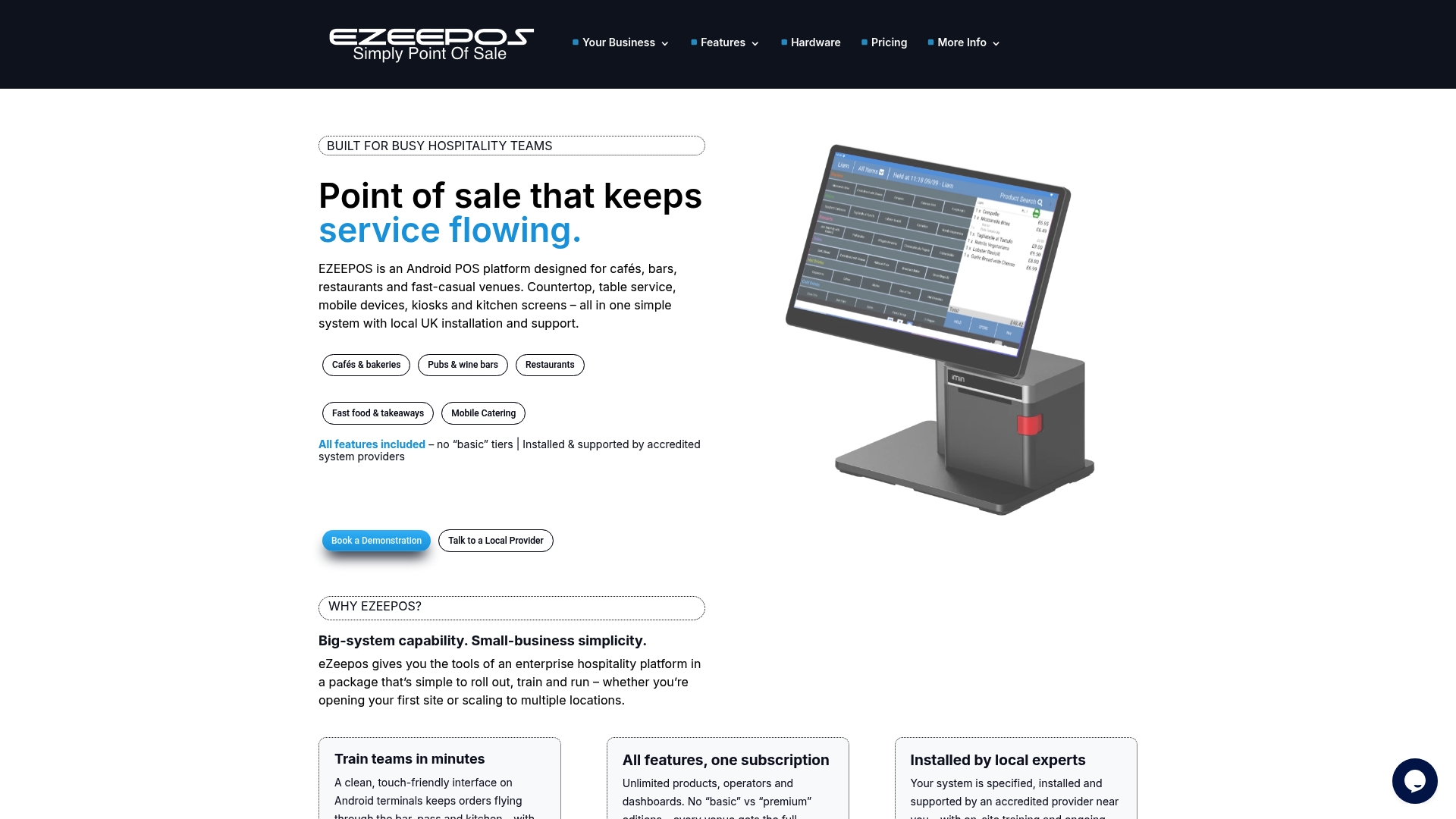
The platform reduces waste, accelerates service, and increases profitability through intelligent automation that fits the unique constraints of food truck operations. You gain enterprise-level functionality without complexity, supported by local UK installation and ongoing human assistance from accredited providers. Explore our inventory management guide for caterers to see how systematic control transforms mobile catering businesses. Discover why POS systems boost sales efficiency for food trucks beyond simple payment processing.
FAQ
What is a first-in, first-out system, and why is it important?
FIFO means using older stock before newer inventory to minimise waste from spoilage. You arrange items so the first products received are the first ones used in preparation. This system keeps ingredients fresh, maintains quality standards, and reduces food costs by preventing items from expiring unused.
How often should I conduct inventory checks for my food truck?
Daily or pre-service walkthroughs improve accuracy by 15-25% compared to weekly counts alone. Perform quick visual checks before each service to spot shortages or quality issues. Conduct complete physical counts weekly to reconcile records with actual stock. Regular, consistent checks help spot trends and avoid costly errors.
Can simple checklists be effective without expensive software?
Yes, routine checklists and manual counts significantly reduce errors and waste when followed consistently. A laminated checklist costs almost nothing but delivers measurable improvements in accuracy and efficiency. Consistency and discipline in processes matter far more than sophisticated tools. Choose a system you will actually maintain rather than complex software you ignore.
How does inventory management affect customer wait times?
Accurate inventory ensures all ingredients are ready for orders, eliminating delays from searching for items or discovering shortages mid-service. Better stock control supports faster order fulfilment, with well-organised operations serving 4 orders per 10 minutes compared to 3 for poorly managed trucks. This 40% improvement in throughput directly increases revenues whilst reducing customer frustration and queue abandonment.
Recent Comments