
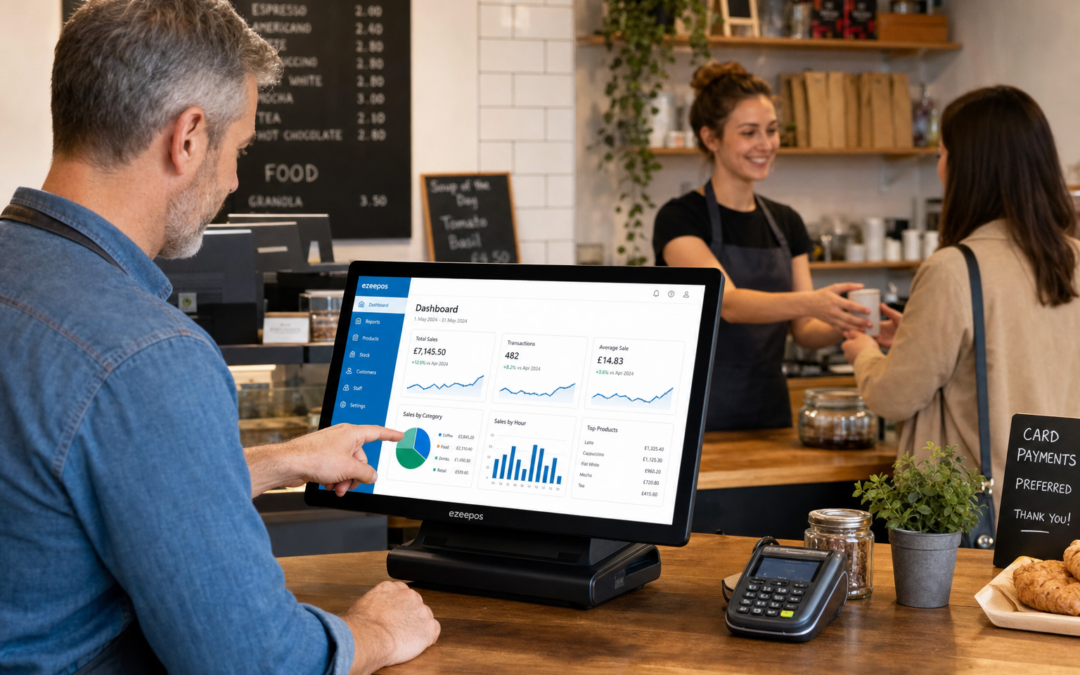
For many independent retailers and hospitality businesses, the hardest part of running the day is not taking the order or processing the sale. It is working out what the numbers actually mean afterwards. That is where better reporting can make a real difference. With a practical EPOS setup from eZeePOS, business owners can move beyond guesswork and use straightforward sales information to make better decisions each day.
Good reporting does not need to feel complicated. In the right system, it should simply show what sold, when it sold, which products or menu items performed well, and where trade was strongest. For busy owners, that kind of clarity can be more useful than a long spreadsheet full of figures. If you want to see how eZeePOS supports UK businesses, the key is often in the reporting tools as much as the till itself.
Why reporting matters in everyday trading
Small businesses often make decisions quickly. You might adjust staffing, reorder a popular line, change opening hours for a quiet day, or review a promotion after a busy weekend. Without clear reporting, those choices can rely too much on instinct. With better data, they can be based on what is actually happening in your business.
That is especially useful for independent shops, cafes, takeaways and restaurants where margins matter and time is limited. A good EPOS system can help answer simple but important questions such as:
- Which days are busiest?
- What time of day brings the most sales?
- Which products or dishes are consistently popular?
- Are there slow periods that need better planning?
- How do sales compare week to week or month to month?
Sales reporting should be simple to read
Not every business owner has time to study detailed reports every day. That is why sales reporting should be easy to understand at a glance. Instead of burying key information in complicated menus, a practical EPOS system should present useful figures clearly.
For a retail shop, that might mean seeing top-selling product groups, busiest trading hours and daily totals without having to dig for the numbers. For a cafe or takeaway, it might mean looking at service patterns, peak meal times and which items are driving trade. The goal is not more data for the sake of it. The goal is useful information that helps you act sooner.
What to look for in a reporting setup
- Clear daily, weekly and monthly summaries
- Easy access to sales by item, category or department
- Peak trading time information
- Reports that can be checked quickly by owners or managers
- Simple screens that work well on a touchscreen till or back-office device
Use reporting to spot patterns, not just totals
One of the biggest benefits of better EPOS reporting is spotting patterns. A total sales figure is useful, but patterns are often where the best decisions come from. If Sundays are consistently slower than expected, that may affect staffing. If one product sells strongly every lunchtime, it may be worth making sure the team is ready for it. If certain categories dip after a promotion ends, you can review what worked and what did not.
This kind of information is valuable for both retail and hospitality. For example, a gift shop may notice that seasonal items sell earlier than expected. A cafe may see that breakfast trade is stabilising while afternoon sales are weaker. A takeaway may discover that a few menu items dominate repeat orders. Good reporting helps you understand those patterns early, rather than waiting until the end of the month.
Why better reporting helps with staffing and planning
Many day-to-day decisions are linked to staffing. If you know when trade tends to peak, you can schedule the right number of people on shift. That can reduce pressure on the counter, improve service and help avoid unnecessary overtime during quieter periods.
Reporting can also support stock ordering, promotions and opening hours. A clearer view of sales trends makes it easier to avoid over-ordering on slower lines or missing demand on busy ones. Even a small improvement in planning can make a noticeable difference for independent businesses where every hour of service counts.
Reporting for different business types
Retail shops
In retail, reporting can show which departments are strongest, which products need attention and how trade changes across the week. That is useful for shops with mixed ranges, seasonal items or changing customer demand.
Cafes, restaurants and takeaways
In hospitality, reporting can help owners understand service peaks, popular menu choices and the busiest times of day. That can support better staff planning, quicker service and smarter menu decisions.
Busy multi-site businesses
If a business operates from more than one location, reporting becomes even more valuable. Multi-site reporting can help compare branches, identify which site performs strongest in a certain area and keep decisions consistent across the business.
How EPOS reporting reduces guesswork
A basic till may tell you how much money was taken. A better EPOS system can tell you much more. That does not mean every business needs complex dashboards. It simply means the system should be able to give you reliable figures when you need them.
With a setup like eZeePOS, reporting can become part of normal business rhythm rather than something you only check at month-end. That can help owners keep track of day-to-day trade, compare performance over time and make more confident choices about pricing, staffing and promotions.
Keeping reporting practical for independent businesses
The best reporting tools are the ones that save time. They should help you understand your business without creating more admin. For many small businesses, that means choosing a system that is straightforward, accessible and fit for the way they trade.
If you are currently relying on manual counts, paper notes or a simple cash register, upgrading your reporting could be one of the most useful changes you make. You do not need to change everything overnight. Start by looking at the reports that would help most in your business, then build from there.
For UK retailers and hospitality businesses that want a clearer view of daily trading, eZeePOS offers a practical way to turn sales data into useful decisions. Visit www.ezeepos.co.uk to learn more about the system and how it can support your business.
Contact YCR Distribution at sales@ezeepos.co.uk or call 01924 438238.
Recent Comments