
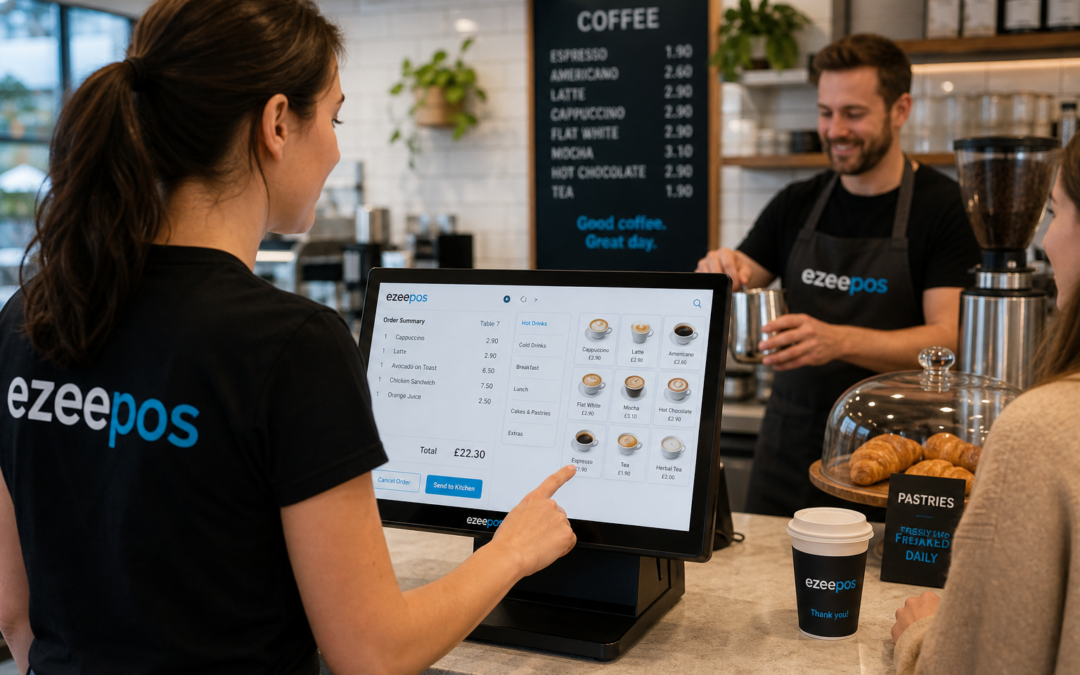
In a busy café or restaurant, even a small ordering mistake can have a ripple effect. One wrong item, a missed modifier or a rushed handwritten note can mean delays, wasted food and an unhappy customer. For independent hospitality businesses, improving order accuracy is not just about avoiding complaints; it is about keeping service smooth and staff confident during the busiest parts of the day.
That is where a practical EPOS setup can make a real difference. At eZeePOS, the focus is on helping UK hospitality businesses keep orders clear, organised and easy to manage. If you are looking at ways to reduce mistakes and improve service flow, it is worth thinking about how your till system handles the whole ordering process, not just the payment at the end.
Why order accuracy matters in hospitality
In cafés, restaurants and takeaway counters, order accuracy affects more than the kitchen ticket. It influences table turnaround, staff workload and the overall customer experience. A mistake that seems minor on paper can lead to a delayed meal, a complaint at the counter or extra time spent correcting an order during a busy shift.
For independent businesses, this matters even more because there is often less room to absorb wasted ingredients or repeated work. A reliable EPOS process helps staff take orders in a consistent way, so the right information is passed on the first time.
How EPOS helps reduce mistakes
A modern hospitality EPOS system gives staff a clearer, more structured way to record orders. Instead of relying on memory, paper notes or rushed explanation, the order is entered directly into the till and passed through in a format that is easier to read and process.
Clear item selection
When menu items are set up properly in EPOS, staff can choose dishes, drinks and extras quickly without having to type everything manually. That reduces the chance of spelling mistakes, incorrect item names or lost details on the way to the kitchen.
Modifiers and special requests
Many order errors happen when special instructions are copied incorrectly or forgotten altogether. EPOS can help staff record changes such as extra sauce, no onions, milk alternatives or cooking preferences in a more reliable way. This makes it easier for the kitchen team to prepare the order correctly.
Fewer handwritten steps
Handwritten tickets can work in quieter settings, but they become difficult to manage when service speeds up. A touchscreen till system helps remove some of that friction by sending consistent order data straight through the workflow.
Helping front-of-house and kitchen teams work together
Order accuracy is not just a front-of-house issue. It depends on how well the whole operation is joined up. If the team taking the order and the team preparing it are working from different information, mistakes become much more likely.
This is one reason kitchen printing can be so useful in busy hospitality settings. A clear printed ticket helps the kitchen see exactly what has been ordered, while the front-of-house team can continue serving without needing to rewrite or repeat the details. When used properly, this creates a smoother handover between the till and the pass.
If your business uses a mixed service model, with counter orders, table service or takeaway collection, a well-organised EPOS setup becomes even more valuable. It gives every part of the team a clearer picture of each order and helps keep communication consistent.
What to look for in an EPOS setup for better accuracy
Not every system supports the same workflow, so it is worth looking at the practical details that affect accuracy day to day.
- Simple screen layout: Staff should be able to find menu items quickly, even during a rush.
- Clear customisation options: Add-ons and special instructions should be easy to apply without confusion.
- Fast order entry: The system should support quick service without making staff guess their way through the till.
- Readable printed output: Kitchen or receipt printing should present the order clearly for the next stage of service.
- Easy training: New staff should be able to learn the basics without a long learning curve.
These are practical features rather than flashy extras, but they are often the ones that matter most in real service conditions.
Keeping service moving during busy periods
Accuracy and speed should go hand in hand. If a system is too slow or awkward to use, staff may start cutting corners, and that is when errors creep in. The right EPOS setup helps team members work quickly while still entering each order properly.
For example, a café during the lunchtime rush may need to handle drinks, toasties, salads and takeaway orders at the same time. A restaurant may need to manage table service, allergen notes and course timing. In both cases, the best system is one that helps staff stay organised rather than adding extra steps.
That is also why order accuracy is closely linked to staff confidence. When employees trust the till system, they can focus on the customer instead of worrying about whether they have entered the order correctly.
Supporting better customer experiences
Customers notice when their order is right first time. It creates a sense that the business is organised, attentive and easy to deal with. On the other hand, repeated mistakes can quickly affect trust, especially in busy cafés and restaurants where people expect service to be efficient.
Improving order accuracy can also reduce awkward conversations at the counter. Staff spend less time correcting problems and more time serving customers well. That makes the business feel calmer, even when trading is busy.
Working with integrated payments and modern till workflows
Although the main goal here is order accuracy, it helps when the rest of the checkout process is equally smooth. Businesses that are thinking about improving service flow may also want to explore payment integration discussions with providers such as Teya and Dojo Payments. Used well, payment setup can support a cleaner handover from order taking to final checkout, although the right choice will depend on the business and the wider setup discussed with YCR Distribution.
A practical step for independent hospitality businesses
If your café, restaurant or takeaway is dealing with avoidable order mistakes, it may be time to review how orders are captured and passed through the business. A good EPOS system will not solve every issue on its own, but it can remove a lot of the friction that leads to confusion.
For UK hospitality operators, the best systems are the ones that make service clearer rather than more complicated. That is where eZeePOS can help: practical, easy-to-use EPOS software designed with day-to-day hospitality workflows in mind.
To learn more, visit www.ezeepos.co.uk and see how a better till setup could support smoother, more accurate service in your venue.
Contact YCR Distribution at sales@ezeepos.co.uk or call 01924 438238.
Recent Comments