
What is bar tab management: a venue guide
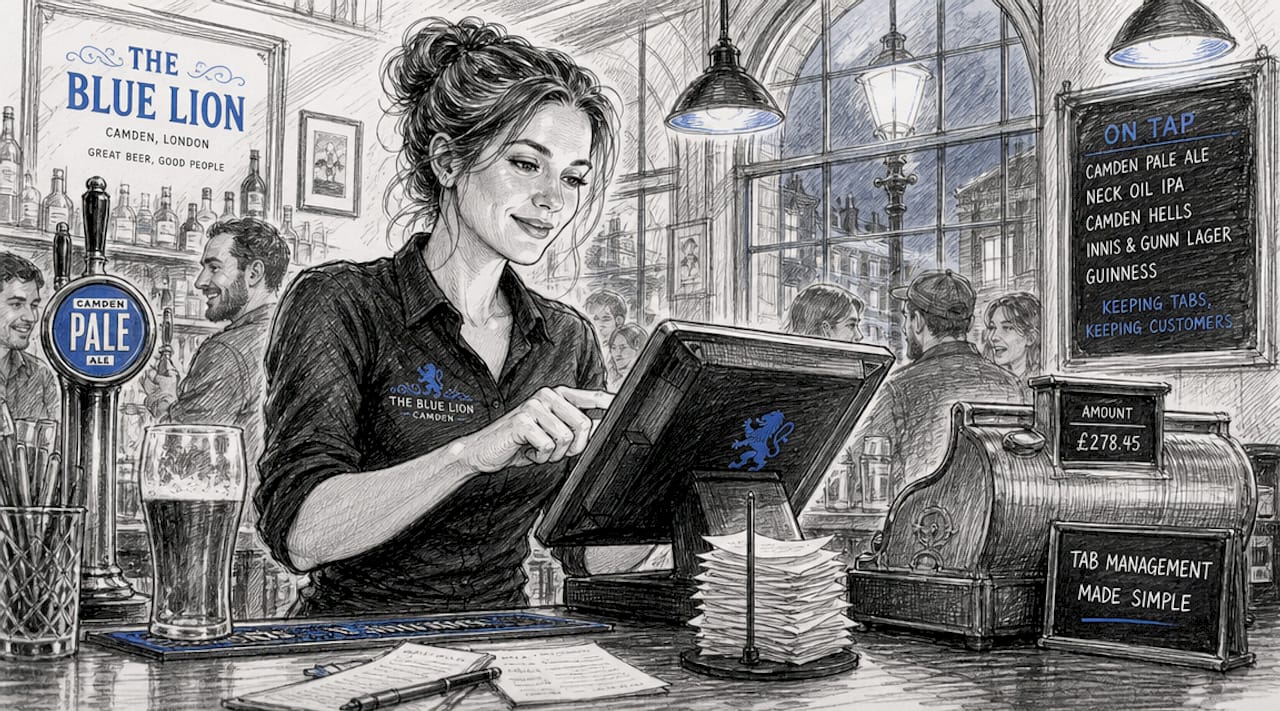
Bar tab management is the process of opening, tracking, and closing a running account of a guest’s orders, secured through pre-authorisation or a physical card hold, so payment is collected accurately at the end of their visit. For hospitality venue owners and managers, getting this process right is the difference between a profitable, well-run shift and a night plagued by walkouts, payment disputes, and frustrated staff. Modern bar tab solutions, from POS-integrated pre-authorisation to cloud-based tracking, have transformed what was once a paper-and-pen headache into a reliable, auditable system. Understanding what bar tab management involves, and how to implement it well, is one of the most practical steps you can take to protect your revenue.
What is bar tab management and how does it work?
Bar tab management covers every step from the moment a guest opens a tab to the moment they settle their bill. The process follows a clear sequence, and each stage carries its own risks if handled carelessly.
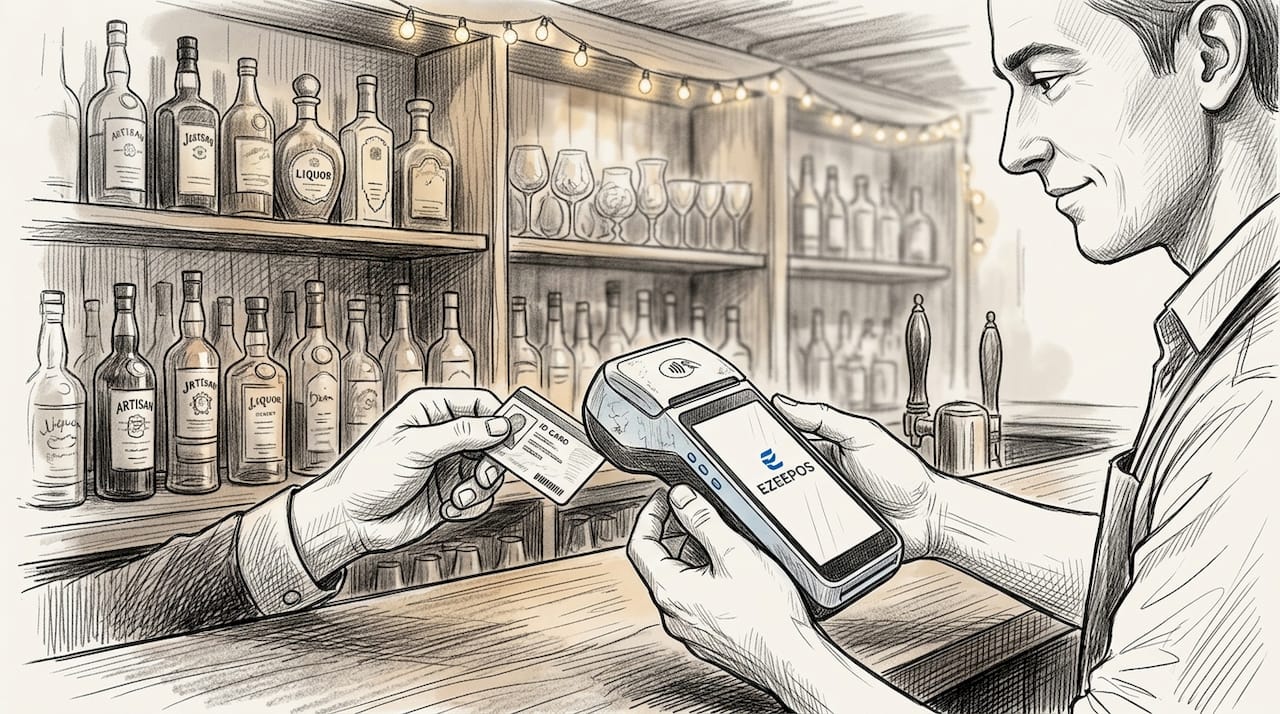
- Opening the tab. A member of staff takes the guest’s payment card or runs a pre-authorisation through the POS system. POS pre-authorisation places a temporary hold on the customer’s card funds, reserving a set amount without charging it. This secures the tab without requiring staff to physically hold a card.
- Assigning a unique identifier. The tab is named in the POS system, typically by the guest’s name, table number, or a custom reference. This step prevents orders being added to the wrong tab, which is one of the most common sources of billing errors.
- Running the tally. Every subsequent order is added to the open tab in real time. Staff attribute each round to the correct tab, and the POS system maintains a live running total. Accurate order attribution here is non-negotiable.
- Verifying the total. Before closing, a good practice is to confirm the tab total with the guest. This reduces disputes and catches any misattributed orders before payment is processed.
- Closing and settling. The final charge is processed against the pre-authorised card or the physical card returned by the guest. The pre-authorisation hold is released and replaced by the actual charge.
Some venues still require ID verification when opening a tab, particularly for large pre-authorisation amounts. This is a sensible policy for high-volume venues where the risk of walkouts is greater.
Pro Tip: Name every tab with a first name and the last initial rather than just a first name. On a busy Friday night, you will almost certainly have two customers called “James” at the bar at the same time.
What are the benefits and challenges of bar tab management?
The case for disciplined tab management is straightforward once you look at the numbers and the operational reality of a busy shift.
The benefits:
- Time savings. Managing payments during busy shifts can consume up to 2 hours of a bartender’s time per shift. Pre-authorisation and tab tracking cut that overhead significantly, freeing staff to focus on service rather than chasing payments.
- Faster service. Guests do not need to pay per round. They order, you serve, and the tab accumulates. This speeds up service noticeably during peak periods and improves the overall guest experience.
- Fewer transaction errors. Processing one payment at the end of a visit rather than multiple small transactions reduces the opportunity for card machine errors, declined payments, and miscommunication.
- Revenue protection. Bars using efficient tab management experience fewer errors in closing tabs and less revenue loss from unpaid bills. A pre-authorised tab means funds are already reserved before the guest leaves.
The challenges:
- Walkouts. Without pre-authorisation or a physical card hold, guests can leave without settling. This is the single biggest financial risk in tab management.
- Peak-hour discipline. Failure to maintain consistent procedures during peak hours is the most common cause of unpaid walkouts and errors. When the bar is three-deep, staff are tempted to skip verification steps or delay entering orders.
- Misattributed orders. Adding a round to the wrong tab creates disputes at closing time and erodes customer trust.
- Security concerns. Holding physical cards creates liability. Cards can be misplaced, mixed up, or, in the worst case, misused.
“Speed should never compromise verification. Identification and tab entry discipline are what prevent unpaid walkouts, not good intentions.” Bar Merchant Services
The importance of tab management becomes clearest when you calculate the cumulative cost of even one or two walkouts per week across a full trading year.
Physical card hold vs POS pre-authorisation: which is better?
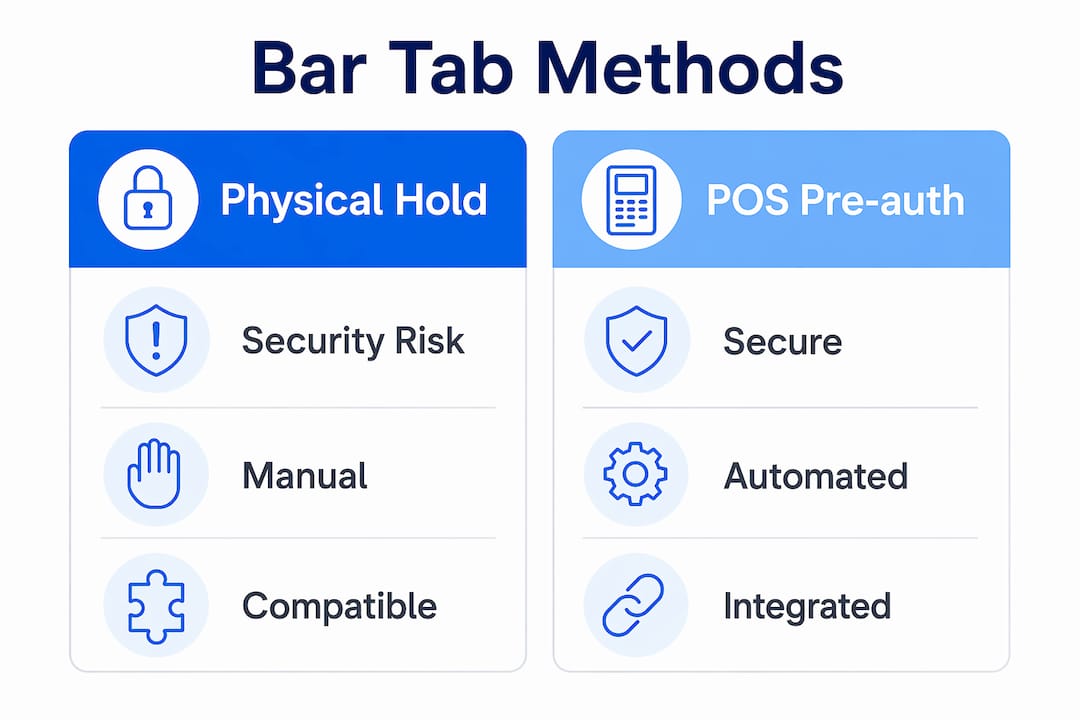
The two dominant methods for securing a bar tab each have distinct operational profiles. The table below sets out the key differences.
| Factor | Physical card hold | POS pre-authorisation |
|---|---|---|
| Security | Card can be lost, mixed up, or misused | Card details stored securely in POS; no physical card required |
| Customer experience | Guest must surrender card for the duration | Guest retains card; most customers prefer this method |
| Fraud and liability risk | Higher; physical card holding is a liability risk | Lower; card data is vaulted, not handled by staff |
| Staff workload | Requires physical card storage and retrieval | Managed entirely within the POS system |
| Dispute resolution | Harder to prove card was held correctly | Digital audit trail simplifies dispute resolution |
Physical card holding is still used in many UK venues, particularly smaller independents without integrated POS pre-authorisation. It works, but it carries risks that modern systems eliminate. POS pre-authorisation vaults card information securely without staff ever handling the physical card, which removes the most common sources of liability.
The best POS systems for pubs in 2026 all support pre-authorisation natively, making the transition from physical card holding straightforward for most venues.
Pro Tip: If you are still using physical card holds, create a dedicated, labelled card storage system behind the bar. A small card wallet with numbered slots, matched to tab numbers in your POS, reduces mix-ups dramatically.
Best practices for managing bar tabs effectively
Consistent procedures are what separate venues that rarely lose revenue to tab errors from those that treat walkouts as an unavoidable cost of doing business. The following practices reflect what works in real hospitality environments.
- Standardise your opening procedure. Every tab opened in your venue should follow the same steps: pre-authorisation or card collection, unique identifier assigned in the POS, and a verbal confirmation to the guest that a tab is open. Consistency removes ambiguity for staff and guests alike.
- Use clear signage. Transparent communication about pre-authorisation reduces disputes and chargebacks significantly. A small sign at the bar explaining your tab policy, including the pre-authorisation amount, sets expectations before any confusion arises.
- Train staff on the POS system thoroughly. Training staff on consistent tab management is critical to avoiding payment errors and walkouts. Staff who understand why each step matters are far more likely to follow procedures under pressure than those who have simply been shown what buttons to press. Good staff management in hospitality starts with clear, repeatable training on systems like tab management.
- Set a pre-authorisation amount that reflects your average spend. If your average tab runs to £40, a £20 pre-authorisation hold offers limited protection. Review your average tab value and set your pre-authorisation floor accordingly.
- Audit open tabs regularly during a shift. Assign one member of staff to review open tabs every 30 to 45 minutes during peak periods. Tabs that have been open for several hours without recent activity are a walkout risk and should be checked.
- Confirm totals before closing. Before processing the final payment, read the tab total to the guest. This takes ten seconds and prevents the majority of disputes about what was ordered.
- Close all tabs before end of service. An open tab at the end of the night is a potential loss. Build tab closure into your end-of-shift checklist and make it a non-negotiable step.
The importance of tab management is not just financial. A well-run tab system signals to guests that your venue is professional and trustworthy, which directly influences whether they return.
Key takeaways
Effective bar tab management requires pre-authorisation, consistent staff procedures, and POS-integrated tracking to protect revenue and deliver a reliable guest experience.
| Point | Details |
|---|---|
| Pre-authorisation is the safer method | POS pre-auth vaults card data securely and removes the liability of holding physical cards. |
| Consistency prevents walkouts | Skipping verification steps during peak hours is the leading cause of unpaid tabs and revenue loss. |
| Staff training is non-negotiable | Staff who understand the full tab process, not just the button sequence, make fewer errors under pressure. |
| Clear communication reduces disputes | Signage and verbal explanations about pre-authorisation policies cut chargebacks and customer confusion. |
| Audit open tabs mid-shift | Regular mid-shift tab reviews catch dormant tabs before they become walkouts at closing time. |
Why technology has changed what good tab management looks like
I have worked with hospitality venues across the UK for long enough to remember when a bar tab meant a handwritten slip tucked under the till and a card left in a pint glass behind the bar. That system worked until it did not, and when it failed, it failed expensively. A misplaced card, a disputed round, a guest who slipped out during a busy period. The losses were real and largely preventable.
The shift to POS pre-authorisation is not just a technology upgrade. It is a fundamental change in how liability is distributed. When a card is held physically, the venue owns that liability entirely. When pre-authorisation is handled through a POS system, the card network and payment processor share the risk, and there is a digital audit trail if anything goes wrong.
What I find most telling is that venues which resist this shift often do so because they believe their staff and regulars make it unnecessary. That confidence is usually misplaced. The payment integration examples I have seen work best are not the most complex ones. They are the ones where the technology is simple enough that every member of staff uses it correctly every single time, including the new hire on their third shift.
The venues that manage tabs well in 2026 are not necessarily the ones with the most sophisticated systems. They are the ones where the procedures are clear, the training is thorough, and the POS does the heavy lifting so staff can focus on the guest in front of them.
— John
How Ezeepos supports bar tab management in your venue
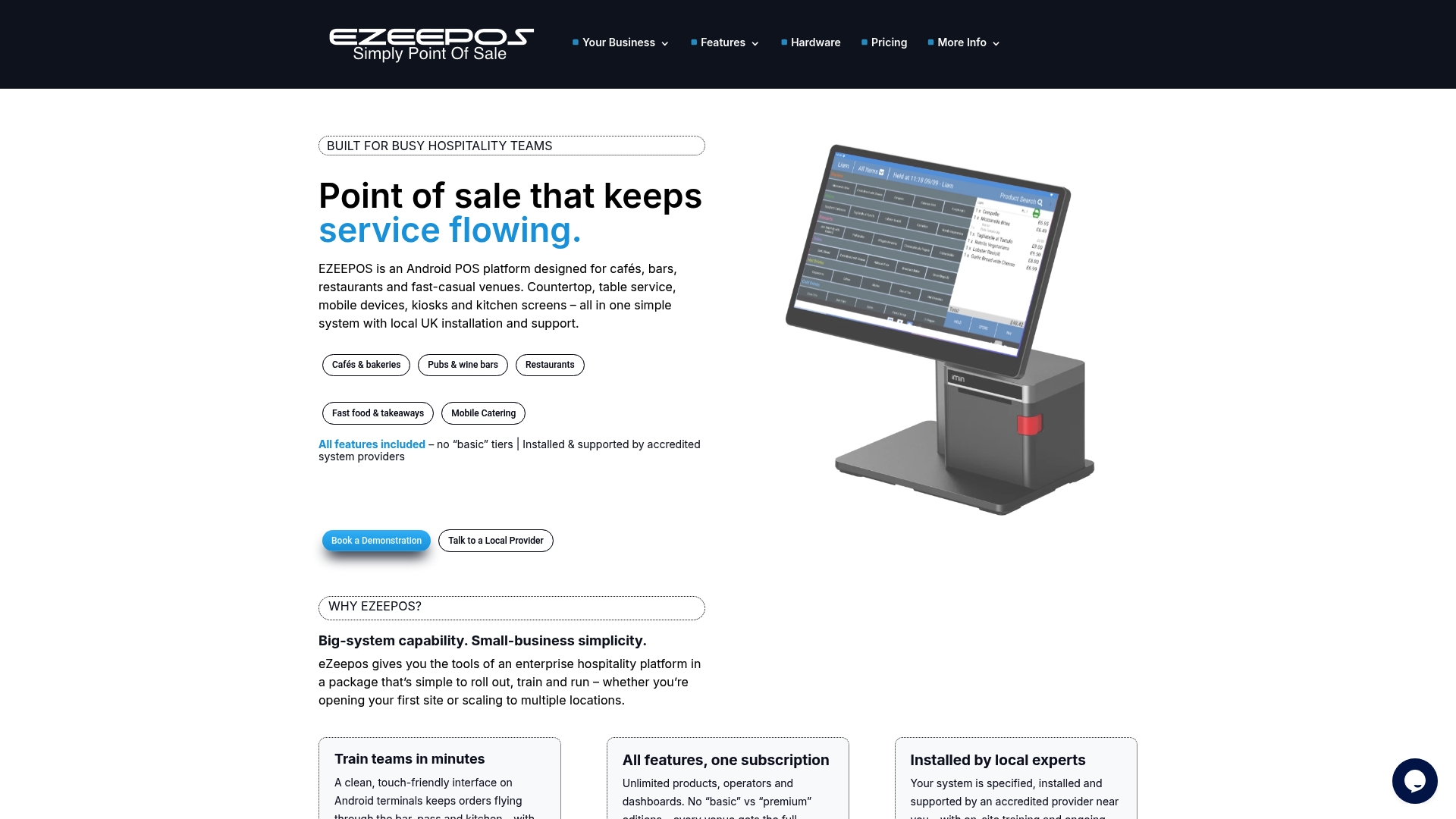
Ezeepos is built specifically for UK hospitality venues, and bar tab tracking is a core part of what the platform handles. The Android-based POS supports pre-authorisation workflows, real-time tab tracking, and integrated payment processing, so your staff spend less time managing paperwork and more time serving guests. Every tab is named, tracked, and closed within the same system, with a full audit trail available from the cloud-based back office.
If you are looking to move away from physical card holds or simply want a more reliable way to manage tabs during peak service, the Ezeepos POS platform gives your team the tools to do it consistently. Local UK installation and ongoing support mean you are never left to figure it out alone.
FAQ
What is a bar tab?
A bar tab is a running account of a guest’s orders at a venue, secured by a payment card or pre-authorisation, settled as a single payment at the end of their visit. It allows guests to order multiple rounds without paying each time.
How does pre-authorisation work for bar tabs?
Pre-authorisation places a temporary hold on a set amount of the customer’s card funds without charging them. When the tab is closed, the actual amount spent is charged and the original hold is released.
What is the biggest risk in bar tab management?
Walkouts are the primary financial risk. Skipping verification or delaying tab entry during peak hours is the most common cause, making consistent procedures the most effective defence.
Is it legal to hold a customer’s physical card in the UK?
Holding a physical card is not explicitly prohibited, but it creates significant liability and security risks for the venue. Most card networks discourage the practice, and POS pre-authorisation is the recommended alternative.
How much should a pre-authorisation hold be set at?
The pre-authorisation amount should reflect your venue’s average tab value. Setting it too low offers little protection against walkouts, so reviewing your average spend data and adjusting the floor accordingly is good practice.
Recent Comments