
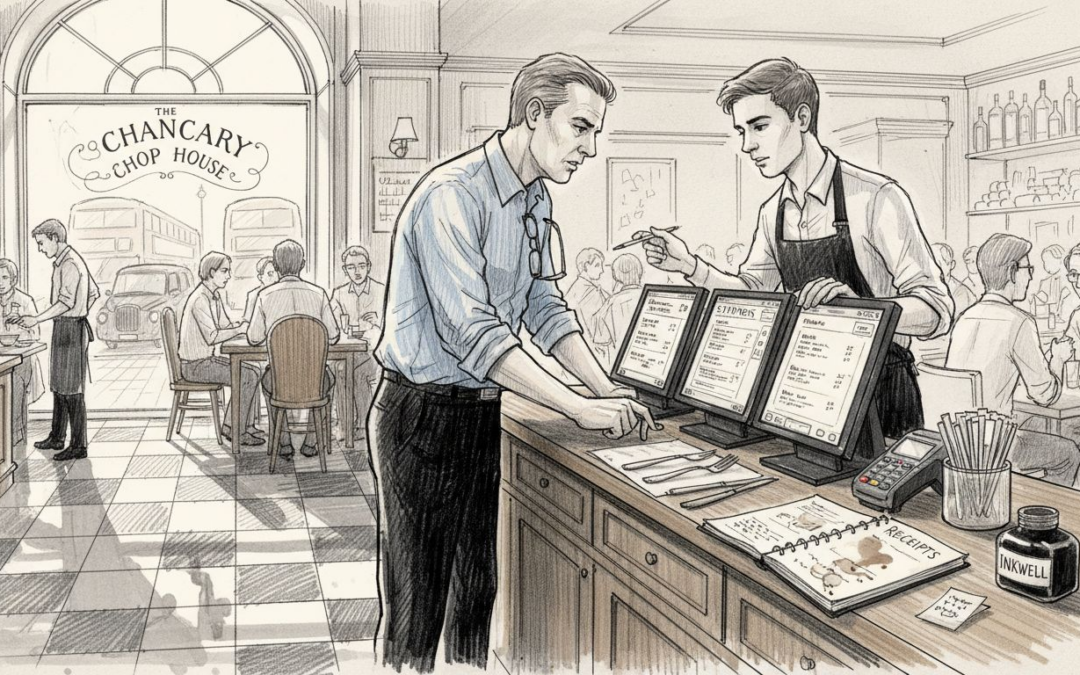
Running a busy café or restaurant in the United Kingdom often means juggling orders, tracking inventory, and meeting strict local regulations all at once. With the hospitality sector contributing £62.6 billion to the national economy and supporting millions of jobs, choosing the right POS system is more than a technology upgrade—it directly affects your service speed and bottom line. This overview highlights how modern, easy-to-train POS solutions tailored for British hospitality make everyday operations faster, more accurate, and much easier to manage.
Table of Contents
- Defining Hospitality POS In The UK Context
- Main Types And Service Modes Explained
- Key Features: Sales, Orders, And Inventory
- Integration, Support, And Payment Providers
- Costs, Ongoing Obligations, And Common Mistakes
Key Takeaways
| Point | Details |
|---|---|
| Modern POS Systems are Multifunctional | UK hospitality POS systems manage not just transactions but also inventory, staff scheduling, and detailed reporting. |
| Cost Considerations are Vital | Understand the total cost of ownership, including hardware, software, training, and ongoing support. |
| Service Mode Flexibility is Essential | Choose POS systems that offer various service modes to accommodate different operational needs as your business evolves. |
| Local Support Enhances Efficiency | Opt for systems with local technical support to ensure quick resolution of issues and compliance with UK regulations. |
Defining Hospitality POS in the UK Context
A point of sale (POS) system in the UK hospitality sector represents far more than a simple transaction processing tool. It is a comprehensive technological solution that enables restaurants, cafes, and pubs to manage complex operational requirements efficiently. UK hospitality businesses rely on digital infrastructures that balance regulatory compliance with business flexibility.
Modern hospitality POS systems integrate multiple critical functions beyond basic payment processing. They seamlessly handle order management, inventory tracking, staff scheduling, and real-time reporting. These systems are specifically designed to address the unique challenges of the UK hospitality landscape, such as managing rapid customer turnover in busy urban cafes or handling complex menu configurations in gastropubs.
The economic significance of these technological solutions cannot be overstated. Contributing £62.6 billion to the national economy and supporting 2.6 million jobs, UK hospitality POS systems are pivotal in driving operational efficiency. They provide granular insights into sales trends, customer preferences, and stock management, enabling business owners to make data-driven decisions that directly impact profitability.
Key features of a robust UK hospitality POS system typically include:
- Seamless table management
- Multi-payment method support
- Real-time inventory tracking
- Staff performance monitoring
- Detailed sales and financial reporting
- Compliance with UK tax and licensing regulations
Pro tip: When selecting a hospitality POS system, prioritise solutions that offer local UK support and understand the nuanced regulatory environment of British food service businesses.
Main Types and Service Modes Explained
Hospitality POS systems in the UK have evolved to accommodate diverse business models, offering multiple service modes that cater to different operational requirements. Restaurant POS systems now include cloud-based, tablet, mobile, and kiosk configurations, providing unprecedented flexibility for businesses across the hospitality spectrum.
Cloud-based systems represent the most versatile solution, enabling restaurant owners to access critical business data remotely and perform real-time updates from anywhere. Tablet-based POS platforms have gained significant popularity, particularly among smaller cafes and gastropubs, offering portability and intuitive interfaces that streamline tableside ordering and payment processes. Mobile POS applications provide exceptional utility for catering businesses, food trucks, and pop-up restaurants that require adaptable technological solutions.
The different service modes each serve unique operational needs. Counter service systems suit quick-service restaurants and fast-food establishments, enabling rapid transaction processing. Table service modes support full-service restaurants with sophisticated order tracking and split billing capabilities. Self-service kiosks have emerged as a powerful option for high-volume venues, allowing customers to place orders independently and reducing staff workload.
Key characteristics of modern UK hospitality POS service modes include:
Here’s how major hospitality POS service modes differ in practice:
| Service Mode | Typical Use Case | Strengths |
|---|---|---|
| Cloud-based | Multi-venue restaurants | Remote updates, real-time access |
| Tablet-based | Cafes, gastropubs | Portable, modern flexibility |
| Mobile POS | Food trucks, pop-ups | On-the-go sales, easy setup |
| Self-service Kiosk | High-volume quick service | Reduces queues, customer autonomy |
| Counter service | Fast-food, takeaways | Rapid transactions, staff control |
| Table service | Full-service dining | Split billing, course tracking |
- Seamless payment integration
- Customisable menu management
- Real-time inventory tracking
- Staff performance monitoring
- Comprehensive reporting features
- Multi-location synchronisation
Pro tip: Select a POS system that offers multiple service modes to ensure maximum operational flexibility as your hospitality business grows and evolves.
Key Features: Sales, Orders, and Inventory
Hospitality POS systems in the UK have dramatically transformed operational management by integrating sophisticated sales, order, and inventory tracking capabilities. UK restaurants rely on advanced POS features for comprehensive operational management, enabling precise tracking of every business transaction and inventory movement.
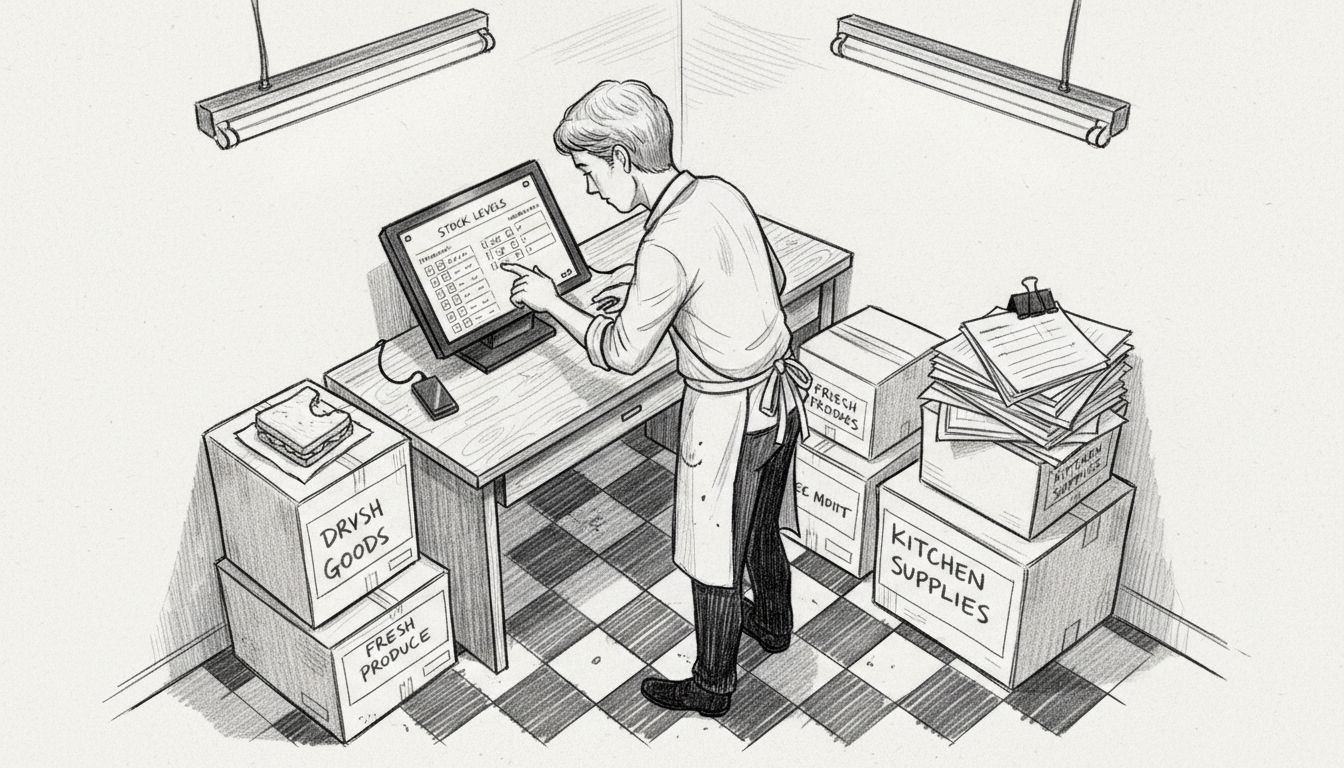
The sales reporting functionality provides restaurant owners with granular insights into performance metrics. These systems generate detailed reports tracking revenue streams, peak trading hours, best-selling menu items, and comparative sales analyses. Advanced analytics help businesses understand customer purchasing patterns, pricing effectiveness, and potential areas for menu optimisation. By converting raw transaction data into actionable intelligence, modern POS platforms transform how hospitality businesses make strategic decisions.
Order management features have become increasingly sophisticated, supporting complex restaurant environments. The systems handle intricate requirements like table management, split billing, allergen tracking, and course-timing coordination with kitchen operations. Real-time order synchronisation ensures seamless communication between front-of-house staff, kitchen teams, and management, reducing errors and accelerating service delivery. Integrated reservation systems further enhance operational efficiency by providing a holistic view of customer interactions and dining experiences.
Key inventory management capabilities include:
- Real-time stock level monitoring
- Automatic reorder point notifications
- Ingredient-level tracking
- Waste reduction analytics
- Cost of goods sold calculation
- Supplier management integration
Pro tip: Regularly cross-reference your physical inventory with POS system data to identify and address potential discrepancies before they impact your bottom line.
Integration, Support, and Payment Providers
Modern hospitality POS systems in the United Kingdom have become sophisticated technological ecosystems that seamlessly connect multiple operational components. UK payment systems now integrate comprehensive digital transaction capabilities, enabling restaurants to process payments efficiently while maintaining robust compliance with national regulatory standards.
Payment provider integration represents a critical aspect of contemporary hospitality technology. With contactless payments dominating the market, POS systems must support multiple payment methods, including credit cards, mobile wallets, and emerging digital payment platforms. These integrations go beyond simple transaction processing, offering real-time data synchronisation with accounting systems, loyalty programmes, and inventory management tools. The ability to track every financial interaction provides restaurant owners with unprecedented insights into their business performance.
Support infrastructure is equally crucial in the UK hospitality technology landscape. Local POS providers understand the nuanced requirements of British restaurants, offering tailored technical support, on-site training, and responsive troubleshooting. This localised approach ensures that businesses receive assistance that comprehends the specific challenges of the UK hospitality sector, from VAT compliance to complex tipping regulations. Cloud-based systems further enhance support capabilities by enabling remote diagnostics and instant software updates.
Key integration features to consider include:
- Multi-payment method support
- Real-time accounting synchronisation
- Loyalty programme connections
- Automated VAT reporting
- Secure data encryption
- Compliance with UK financial regulations
Pro tip: Prioritise POS systems that offer comprehensive local support and demonstrate flexibility in integrating with your existing business technology infrastructure.
Costs, Ongoing Obligations, and Common Mistakes
Navigating the financial landscape of hospitality POS systems requires careful consideration beyond initial purchase price. Hospitality entrepreneurs frequently make critical selection errors, which can significantly impact long-term operational efficiency and profitability. Understanding the true cost of ownership involves examining multiple financial and operational dimensions.
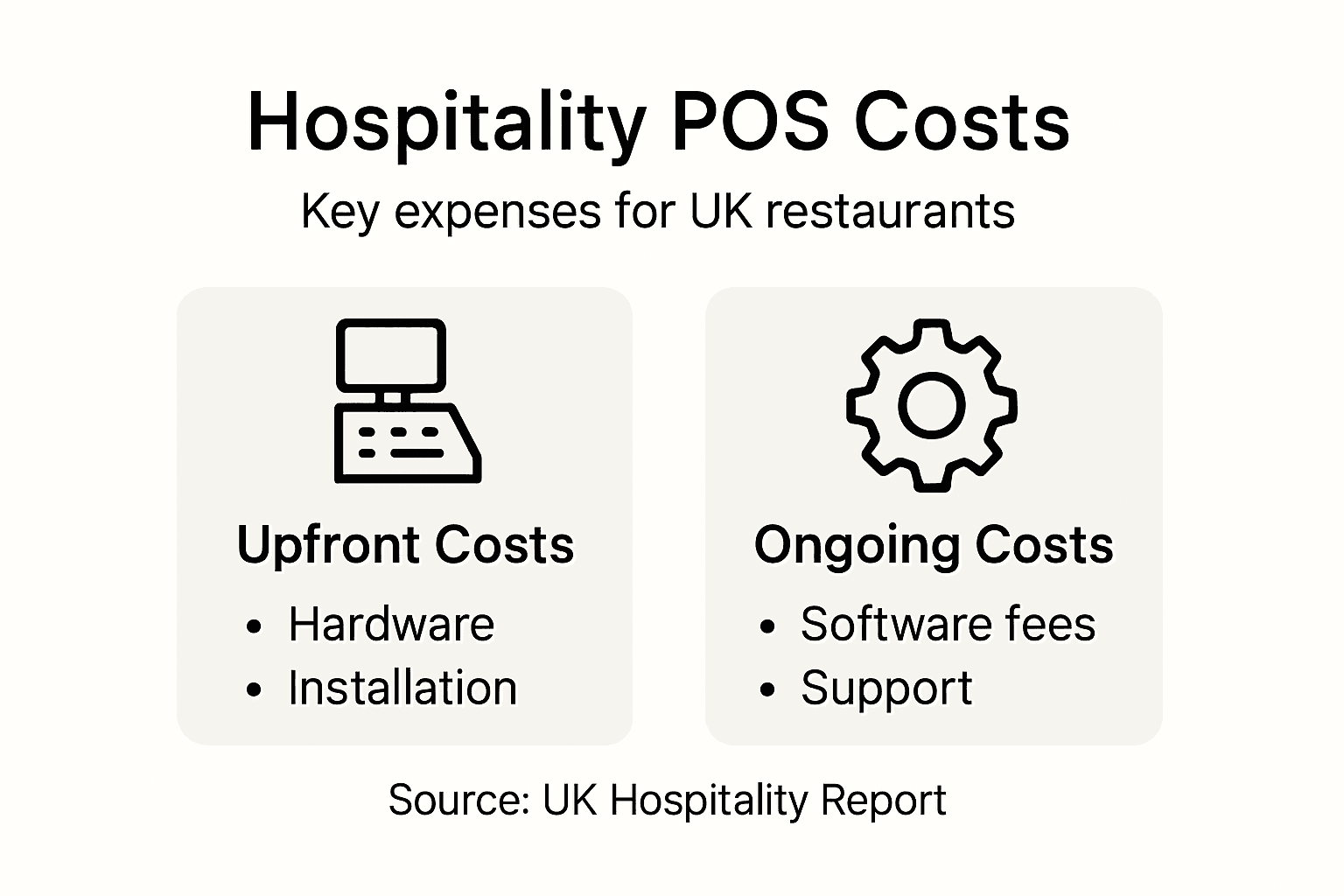
Cost structures for hospitality POS systems typically involve several key components: upfront hardware investment, software licensing, monthly subscription fees, transaction charges, and potential integration expenses. Restaurant owners must look beyond headline pricing and evaluate total cost of ownership, considering factors like staff training requirements, system scalability, ongoing technical support, and potential future upgrade paths. Cloud-based solutions often provide more predictable pricing models with lower initial capital expenditure, spreading costs across monthly operational budgets.
Common mistakes in POS system selection can create substantial hidden expenses. Many restaurant owners underestimate the importance of comprehensive staff training, overlooking the productivity losses associated with unintuitive interfaces. Integration capabilities with existing business systems represent another critical consideration, as poor connectivity can lead to manual data reconciliation and potential operational inefficiencies. Additional potential pitfalls include neglecting data security requirements, failing to assess system flexibility for future business growth, and choosing providers without robust local technical support.
Consider these common POS mistakes and their operational impact:
| Mistake | Business Impact |
|---|---|
| Inadequate staff training | Lower productivity, frequent errors |
| Poor system integration | Data silos, manual reconciliation |
| Underestimating ongoing costs | Unexpected expenses, budget shortfalls |
| Ignoring future scalability needs | Costly upgrades, missed opportunities |
| Neglecting UK-specific compliance | Fines, operational disruption |
Key financial considerations include:
- Initial hardware purchase costs
- Monthly software subscription fees
- Transaction processing charges
- Staff training expenses
- Potential integration costs
- Ongoing technical support pricing
- System upgrade and scalability options
Pro tip: Request detailed, transparent pricing breakdowns from potential POS providers and model potential total costs across a three-year implementation timeline.
Transform Your UK Hospitality Operations with EZEEPos
Running a successful hospitality business means overcoming challenges like complex order management, seamless payment integration, and efficient staff coordination as highlighted in the article. Whether your venue is a bustling restaurant, a quick-service cafe, or a mobile catering service, having a reliable POS system tailored to UK regulations and operational needs is essential to stay competitive and profitable. EZEEPos offers an Android-based hospitality solution designed to deliver exactly that kind of comprehensive support with features such as table ordering, self-service kiosks, and real-time inventory tracking.
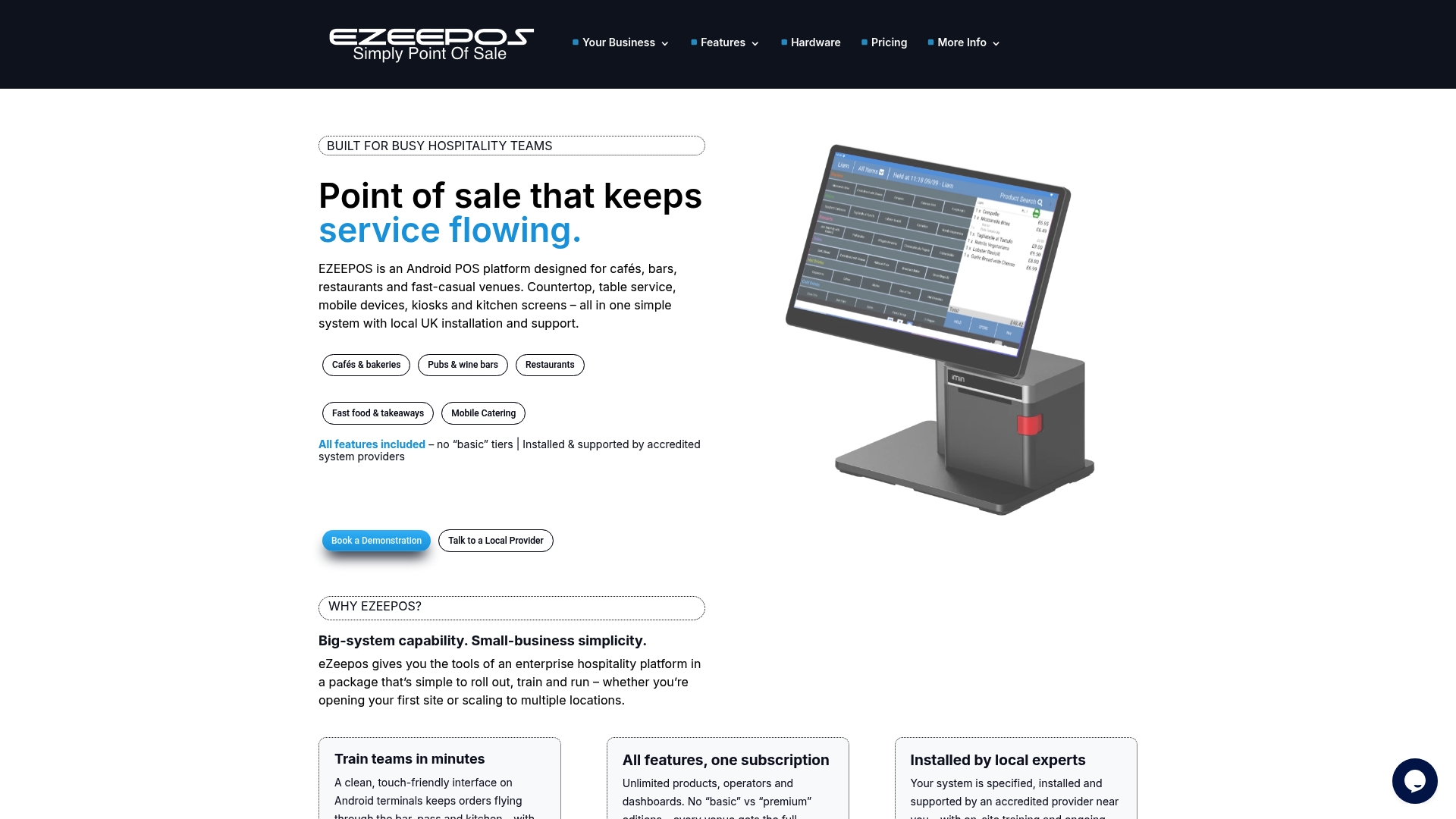
Discover how EZEEPos can elevate your business with its local UK installation and ongoing human support through accredited providers. Explore our Hospitality – EZEEPos Solution to see how we meet diverse service modes and operational demands. Enhance your system capabilities with flexible Add On Modules – EZEEPos Solution and benefit from a seamless experience tailored for your unique venue. Act now to equip your hospitality business with a scalable, easy-to-use POS from https://ezeepos.co.uk and unlock new levels of efficiency and insight.
Frequently Asked Questions
What are the key features of a hospitality POS system?
A hospitality POS system typically includes seamless table management, multi-payment method support, real-time inventory tracking, staff performance monitoring, detailed sales and financial reporting, and compliance with relevant tax and licensing regulations.
How do hospitality POS systems improve operational efficiency?
These systems streamline order management, inventory tracking, and staff scheduling, enabling restaurant owners to make data-driven decisions, reduce errors, and accelerate service delivery, which ultimately boosts profitability.
What are the main types of hospitality POS service modes available?
Main types include cloud-based, tablet-based, mobile POS, self-service kiosks, counter service, and table service modes, each designed to cater to specific operational needs and business models within the hospitality sector.
What common mistakes should be avoided when choosing a hospitality POS system?
Common mistakes include inadequate staff training, poor system integration, underestimating ongoing costs, ignoring scalability needs, and neglecting compliance with local regulations, all of which can impact operational efficiency and profitability.
Recent Comments