
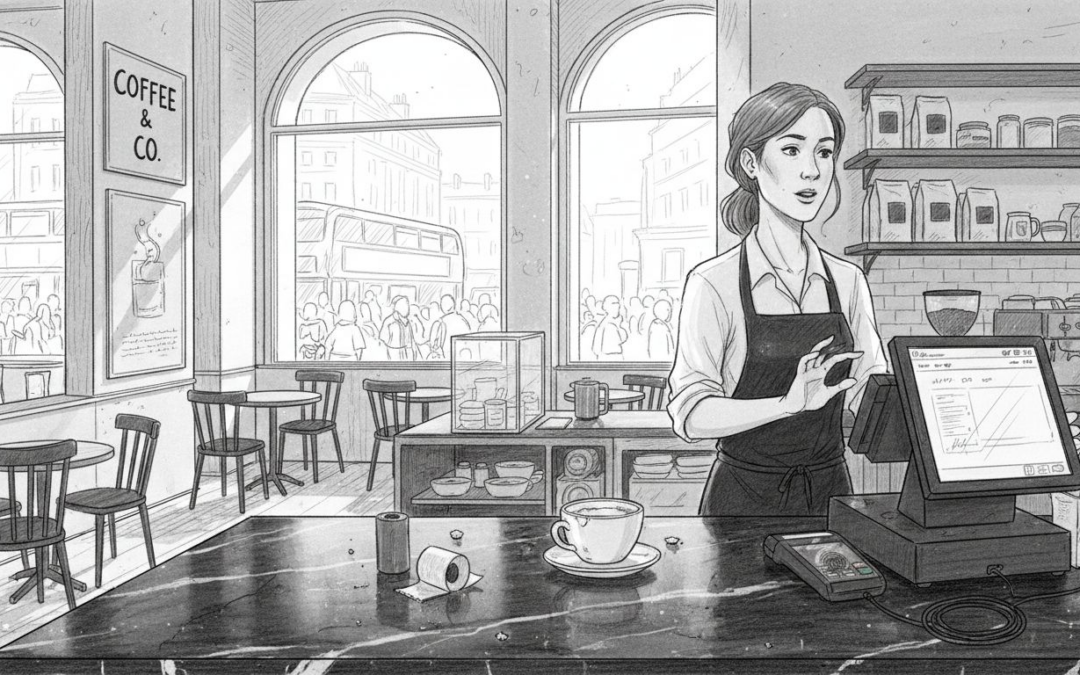
British cafés and restaurants face increasing pressure to deliver quick, error-free service in a competitive market. With more than 80 percent of UK hospitality businesses now relying on digital platforms for order and payment management, finding the right technology is crucial. Modern hospitality software solutions empower owners to centralize operations, reduce mistakes, and improve customer satisfaction. This guide reveals practical ways the latest point of sale systems and supporting tools can help café and restaurant owners adapt to rapid industry changes.
Table of Contents
- 1. Point of Sale Systems: Centralising Orders and Payments
- 2. Inventory Management Software: Controlling Stock Easily
- 3. Self-Service Kiosks: Improving Speed and Accuracy
- 4. Table Ordering Apps: Enhancing Guest Flexibility
- 5. Kitchen Display Systems: Streamlining Food Preparation
- 6. Staff Management Solutions: Simplifying Team Organisation
- 7. Cloud-Based Reporting Tools: Accessing Data Anywhere
Quick Summary
| Takeaway | Explanation |
|---|---|
| 1. Centralise Orders and Payments | Modern POS systems streamline operations by integrating order and payment processes, enhancing efficiency in hospitality venues. |
| 2. Automate Inventory Management | Inventory software allows for real-time tracking and stock optimisation, reducing waste and operational costs. |
| 3. Implement Self-Service Kiosks | Kiosks enhance customer experience by enabling independent order placement, leading to improved speed and order accuracy. |
| 4. Utilise Table Ordering Apps | These apps enhance guest flexibility by allowing customers to browse menus and manage orders directly from their devices. |
| 5. Enhance Data Management with Cloud Tools | Cloud-based reporting provides real-time insights, allowing hospitality owners to make data-driven decisions from anywhere. |
1. Point of Sale Systems: Centralising Orders and Payments
Point of sale (POS) systems have transformed how UK cafés and restaurants manage their daily transactions by providing a centralised platform for processing orders and payments. These intelligent systems eliminate the traditional complexities of manual order tracking and cash handling, enabling hospitality businesses to streamline their operations with remarkable efficiency.
At the core of modern POS technology is the ability to centralise order and payment processing across multiple service channels. Whether a customer is ordering at the counter, through a mobile app, or at a table, the system seamlessly captures and routes their request to the kitchen while simultaneously processing the payment.
The magic of these systems lies in their integrated approach. They combine multiple functions that were previously managed separately: order input, kitchen communication, payment processing, and even inventory tracking. This means your staff can focus on delivering excellent customer service rather than juggling multiple systems and paperwork.
For UK hospitality venues, the benefits are substantial. Reduced human error, faster service times, and comprehensive transaction records mean improved operational efficiency. The system automatically tracks sales, manages stock levels, and provides real time insights into your business performance.
Moreover, these systems support various payment methods, from contactless cards to mobile wallets, meeting the evolving preferences of modern customers. They adapt to different service styles, whether you run a bustling café, a quick service restaurant, or a sit down dining establishment.
Expert Tip: When selecting a POS system, prioritise solutions that offer seamless integration with your existing workflows and provide scalable features that can grow alongside your business.
2. Inventory Management Software: Controlling Stock Easily
Inventory management software has become an essential tool for UK cafés and restaurants seeking precision and efficiency in their stock control processes. These intelligent systems transform how hospitality businesses track, manage, and optimise their ingredient and product inventories.
Modern inventory management technologies automate complex stock tracking by providing real-time visibility into product levels, consumption rates, and potential supply gaps. This means restaurateurs can make data driven decisions about purchasing, reduce unnecessary waste, and maintain optimal stock levels without manual counting or guesswork.
The most advanced systems integrate seamlessly with point of sale platforms, automatically deducting ingredients from inventory each time a dish is prepared. This intelligent approach allows you to track precise stock movements, predict future ingredient requirements, and set automatic reorder points when supplies run low.
For UK hospitality businesses, these systems offer significant financial benefits. By minimising food waste, preventing stockouts, and enabling precise ordering, inventory management software can substantially reduce operational costs. Small cafés and large restaurants alike can benefit from the granular insights these platforms provide.
Key features typically include barcode scanning, wireless tracking, detailed reporting, and demand forecasting capabilities. These tools help you understand exactly what ingredients are being used, when they are being consumed, and how to optimise your purchasing strategies.
Expert Tip: Choose an inventory management system that integrates directly with your existing point of sale platform to ensure seamless and accurate stock tracking across your entire operation.
3. Self-Service Kiosks: Improving Speed and Accuracy
Self-service kiosks represent a technological revolution transforming order processes in UK hospitality venues. These intelligent digital interfaces empower customers to place orders and complete transactions independently, dramatically reducing traditional service bottlenecks.
By implementing customer-driven ordering technologies, cafés and restaurants can significantly enhance operational efficiency. Kiosks eliminate lengthy queues, minimise human error, and provide customers with a streamlined, interactive ordering experience that gives them complete control over their selections.
The technological sophistication of modern kiosks goes far beyond simple order placement. These systems integrate seamlessly with point of sale platforms, enabling real-time menu updates, dynamic pricing, and personalised recommendations based on individual customer preferences. Customers can review menu items, customise their orders, and pay without direct staff intervention.
For hospitality businesses, self-service kiosks offer remarkable strategic advantages. They reduce labour costs, increase order accuracy, and generate valuable data insights about customer behaviour and purchasing patterns. Smaller cafés and larger restaurant chains can both benefit from the flexibility and efficiency these systems provide.
Modern kiosks support multiple payment methods including contactless cards, mobile wallets, and digital payment platforms. Their user friendly interfaces accommodate customers of all technological comfort levels, making them accessible and appealing across different age groups and demographics.
Expert Tip: Select a kiosk system that offers robust integration capabilities with your existing point of sale infrastructure to ensure seamless operational performance.
4. Table Ordering Apps: Enhancing Guest Flexibility
Table ordering apps have transformed the traditional dining experience in UK hospitality venues, offering unprecedented convenience and flexibility for guests. These digital platforms enable customers to browse menus, place orders, and manage reservations with unprecedented ease and control.
By implementing advanced restaurant technology, cafés and restaurants can provide a seamless digital dining experience. These sophisticated applications allow guests to explore menus, customise their orders, and even make specific dietary requests directly from their mobile devices before arriving at the venue.
The technological sophistication of modern table ordering apps extends far beyond simple reservation management. They integrate comprehensive features such as real time menu updates, personalised recommendations, dietary information, and instant payment processing. This means customers can review detailed dish descriptions, check ingredient lists, and complete transactions without direct staff interaction.
For hospitality businesses, these apps offer substantial operational advantages. They reduce front of house workload, minimise order errors, and generate valuable customer data insights. Smaller independent cafés and larger restaurant chains can both leverage these technologies to improve service efficiency and customer satisfaction.
Additionally, table ordering apps support multiple service styles including traditional table service, takeaway, and click and collect options. They provide flexibility for both customers and restaurant staff, enabling smoother communication and more personalised dining experiences.
Expert Tip: Select a table ordering app that offers robust integration with your existing point of sale system to ensure smooth operational performance and consistent customer experience.
5. Kitchen Display Systems: Streamlining Food Preparation
Kitchen display systems represent a transformative technology revolutionising food preparation in modern UK hospitality venues. These sophisticated digital platforms centralise order management and communication between front of house staff and kitchen teams.
Digital transformation in kitchen workflows enables restaurants and cafés to dramatically improve operational efficiency. Kitchen display systems replace traditional handwritten order tickets with dynamic digital screens that provide real time information about each order’s status, ingredients, preparation time, and specific customer requirements.
The technological sophistication of these systems extends far beyond simple order tracking. They integrate seamlessly with point of sale platforms, enabling kitchen staff to receive precise, clear instructions instantly. Each order appears with comprehensive details such as special dietary requirements, potential allergens, customisation requests, and precise preparation guidelines.
For hospitality businesses, kitchen display systems offer substantial operational advantages. They significantly reduce order errors, minimise food waste, improve kitchen coordination, and provide comprehensive performance analytics. Smaller independent cafés and larger restaurant chains can both leverage these technologies to enhance their food preparation processes.
Modern kitchen display systems support multiple service styles including dine in, takeaway, and delivery. They provide real time updates, enable staff to prioritise orders effectively, and create a more organised and efficient kitchen environment.
Expert Tip: Select a kitchen display system that offers comprehensive integration capabilities with your existing point of sale infrastructure to ensure smooth operational performance.
6. Staff Management Solutions: Simplifying Team Organisation
Staff management solutions represent a critical technological advancement for UK hospitality businesses, transforming how cafés and restaurants approach workforce organisation and employee development. These sophisticated digital platforms provide comprehensive tools for scheduling, training, and team coordination.
By implementing strategic workforce planning technologies, hospitality venues can streamline complex human resource management challenges. Modern staff management solutions integrate multiple functions including shift scheduling, performance tracking, payroll management, and compliance reporting into a single intuitive platform.
The technological sophistication of these systems goes far beyond traditional management approaches. They enable precise staff allocation, track individual employee performance, manage training requirements, and provide real time insights into workforce productivity. This means restaurant owners can make data driven decisions about staffing, skill development, and team optimisation.
For hospitality businesses facing dynamic labour markets and evolving workplace expectations, these solutions offer substantial strategic advantages. They support fair scheduling practices, help manage employee workload, facilitate transparent communication, and create opportunities for professional development and career progression.
Moreover, staff management systems can integrate seamlessly with point of sale platforms, providing a holistic view of operational performance. They support multiple service styles and can be scaled to accommodate businesses of different sizes and complexity levels.
Expert Tip: Select a staff management solution that offers comprehensive integration capabilities and provides intuitive user interfaces to ensure smooth adoption across your entire team.
7. Cloud-Based Reporting Tools: Accessing Data Anywhere
Cloud-based reporting tools have revolutionised data management for UK hospitality businesses, providing unprecedented flexibility and insight into operational performance. These sophisticated digital platforms enable café and restaurant owners to access critical business information from anywhere with an internet connection.
By implementing comprehensive cloud reporting strategies, hospitality venues can transform how they track, analyse, and understand their business metrics. Modern cloud reporting systems integrate data from multiple sources such as point of sale platforms, inventory management, staff scheduling, and customer transactions into intuitive dashboards.
The technological sophistication of these tools extends far beyond traditional spreadsheet reporting. They provide real time insights, advanced data visualisation, customisable performance indicators, and the ability to generate detailed reports with just a few clicks. This means restaurant owners can make informed decisions quickly, without being tied to a specific physical location or device.
For UK hospitality businesses, cloud-based reporting offers substantial strategic advantages. These systems support multiple service styles, can be scaled to accommodate businesses of different sizes, and provide comprehensive analytics that help identify trends, opportunities, and potential areas for improvement.
Key features typically include automated report generation, mobile accessibility, data security, and the ability to share insights seamlessly with management teams or external stakeholders. This enables more transparent, efficient, and data driven business management.
Expert Tip: Choose a cloud reporting solution that offers robust integration capabilities with your existing point of sale and management systems to ensure comprehensive and accurate data tracking.
Below is a comprehensive table summarizing the key technological solutions and their benefits for UK hospitality businesses as discussed in the article.
| Technology | Description | Benefits |
|---|---|---|
| Point of Sale Systems | Centralised platforms for managing orders and payments. | Streamlined operations, reduced errors, and multi-channel service support. |
| Inventory Management Software | Automated tools for tracking and controlling stock levels. | Waste reduction, accurate stock tracking, and cost savings. |
| Self-Service Kiosks | Customer-operated interfaces for placing orders and payments. | Increased efficiency, reduced queues, and enhanced customer satisfaction. |
| Table Ordering Apps | Mobile applications for menu browsing and placing dining orders. | Increased flexibility, personalised guest experiences, and operational efficiency. |
| Kitchen Display Systems | Digital systems replacing manual order tickets in food preparation. | Enhanced order accuracy, better kitchen coordination, and improved workflow management. |
| Staff Management Solutions | Platforms for organising schedules, payroll, and employee performance. | Simplified workforce management and real-time productivity insights. |
| Cloud-Based Reporting Tools | Online systems enabling remote access to performance reports. | Comprehensive data analysis, accessibility, and performance tracking. |
Elevate Your UK Café or Restaurant with Tailored Hospitality Software
The challenge UK hospitality venues face is clear: balancing efficient order management, seamless staff coordination, and accurate inventory control all while delivering outstanding customer experiences. This article highlights key solutions like point of sale systems, kitchen display screens, self-service kiosks, and cloud reporting tools – all vital technologies to overcome operational bottlenecks and reduce errors.
If you are ready to transform your business with technology designed specifically for your sector, explore how Hospitality – EZEEPos Solution can centralise your sales, inventory, and staff management in one easy-to-use platform.
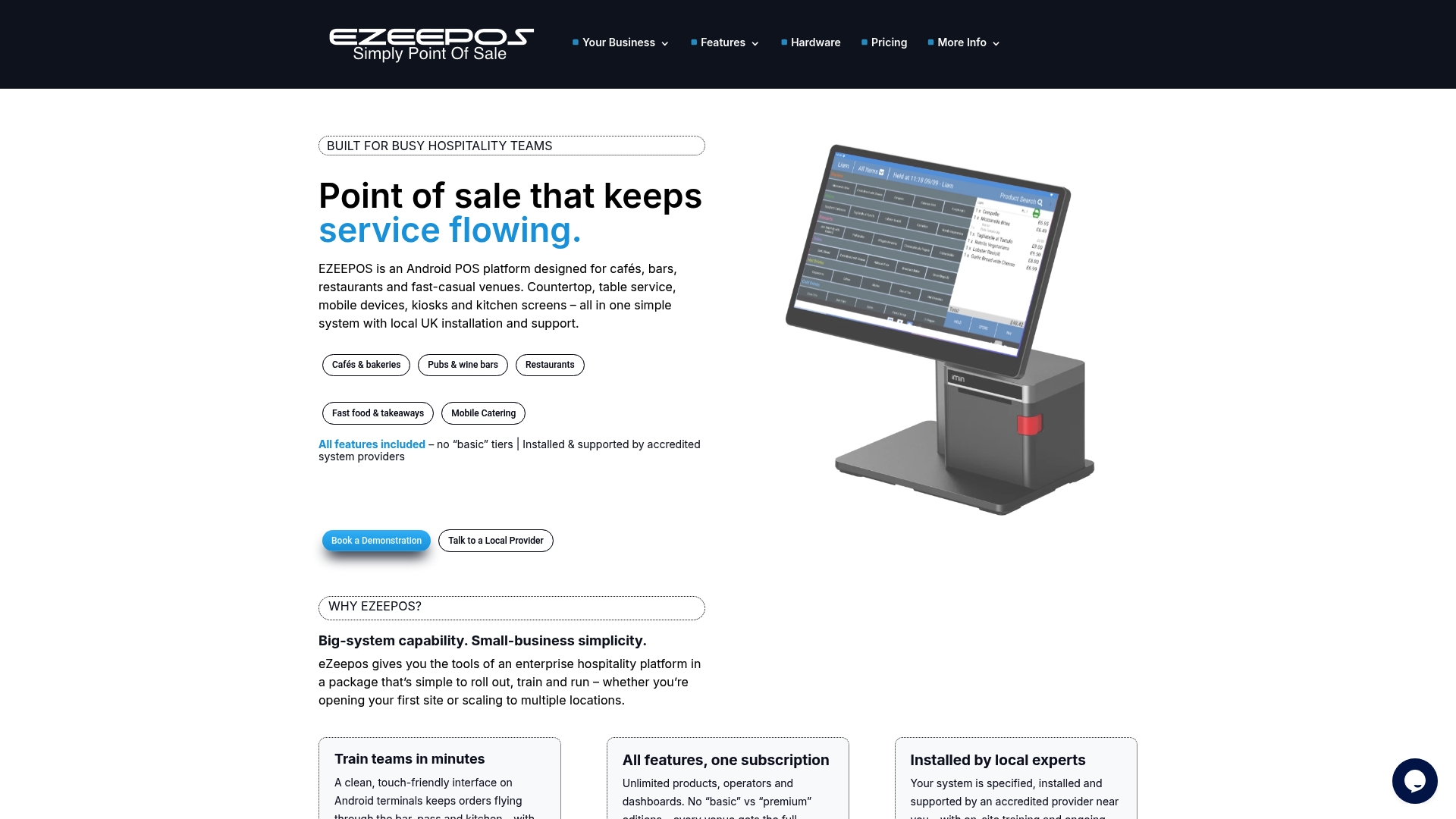
Take control today by choosing an Android-based POS system that integrates all the advanced features covered in the article. With local UK support, flexible hardware options, and scalable modules available in Add On Modules – EZEEPos Solution, you can future-proof your operation for growth. Visit https://ezeepos.co.uk now to discover how simplicity and enterprise-level functionality combine to keep your venue running smoothly and customers coming back.
Frequently Asked Questions
What are the main functions of a Point of Sale system for cafés and restaurants?
A Point of Sale system centralises orders and payments, improving efficiency by integrating various functions such as order input, payment processing, and inventory tracking. To maximise benefits, businesses should consider systems that integrate with existing workflows to streamline operations.
How can inventory management software help reduce waste in my restaurant?
Inventory management software automates stock tracking, providing real-time visibility into product levels and usage rates. Implementing such a system can help a restaurant minimise food waste by optimising purchasing decisions and maintaining optimal stock levels.
What advantages do self-service kiosks offer to café customers?
Self-service kiosks empower customers to place their own orders, reducing waiting times and enhancing order accuracy. To improve customer satisfaction, consider implementing kiosks that allow multiple payment options and customisation of menu items.
How do table ordering apps enhance the dining experience?
Table ordering apps allow customers to browse menus, place orders, and manage reservations easily from their mobile devices. By offering this technology, cafés can improve service speed and reduce errors, leading to increased customer satisfaction.
What are the key benefits of using a Kitchen Display System in my restaurant?
A Kitchen Display System streamlines communication between front of house staff and kitchen teams by providing real-time order information. To enhance kitchen efficiency, switch to a digital system that updates orders and requirements instantly, reducing preparation errors and optimising workflow.
How can staff management solutions improve employee productivity?
Staff management solutions streamline scheduling, tracking, and training for employees, enabling better coordination and workload management. To enhance overall productivity, implement a system that provides insights into employee performance and helps manage staffing needs effectively.
Recent Comments