
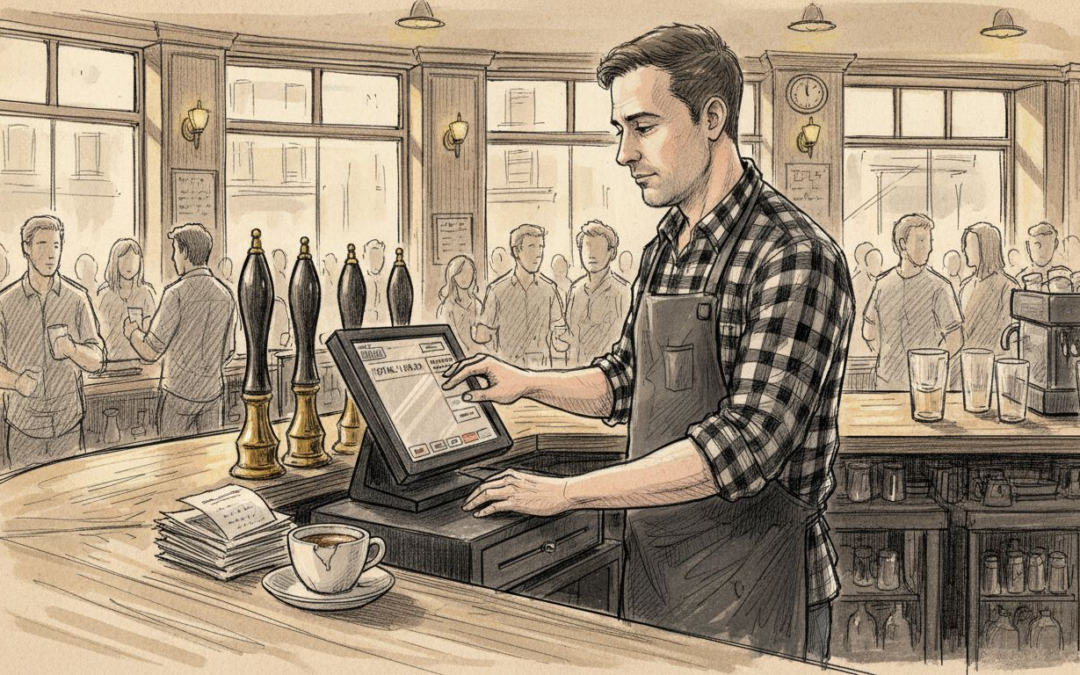
Running a high-traffic restaurant or café means every second counts, yet outdated tills and manual routines can slow down both service and growth. Hospitality POS systems deliver more than transaction handling—they provide real-time business intelligence and flexible management tools that cater to the unique pressures of United Kingdom hospitality venues. This guide sheds light on what separates modern POS platforms from old-fashioned registers, offering practical insights for choosing systems that keep your team organised and your guests satisfied.
Table of Contents
- Hospitality Pos Systems Explained
- Key Types And Service Modes Available
- Essential Features In Modern Pos Solutions
- Integrations, Security, And Compliance Standards
- Cost Factors And Common Mistakes To Avoid
Key Takeaways
| Point | Details |
|---|---|
| Comprehensive Solutions | Hospitality POS systems integrate advanced software and hardware for real-time business management in venues. |
| Flexibility and Scalability | Modern platforms cater to diverse service modes and offer scalable options for growth across different venue types. |
| Security and Compliance | Robust cybersecurity measures and compliance with PCI and GDPR standards are essential for protecting customer data. |
| Cost Considerations | Understanding total cost components, including hardware, software, and training, helps avoid common financial mistakes in POS implementation. |
Hospitality POS Systems Explained
Hospitality POS systems represent a comprehensive digital solution for managing transactions, customer interactions, and operational workflows in restaurants, cafés, and hospitality venues across the United Kingdom. These advanced technological platforms go far beyond traditional cash registers, integrating sophisticated software with specialised hardware to deliver real-time business intelligence.
At their core, hospitality POS systems combine hardware like payment terminals, touchscreen displays, and receipt printers with cloud-based software designed specifically for the unique demands of food service environments. Modern systems track everything from sales transactions and inventory levels to staff performance and customer preferences, providing venue managers with unprecedented operational visibility.
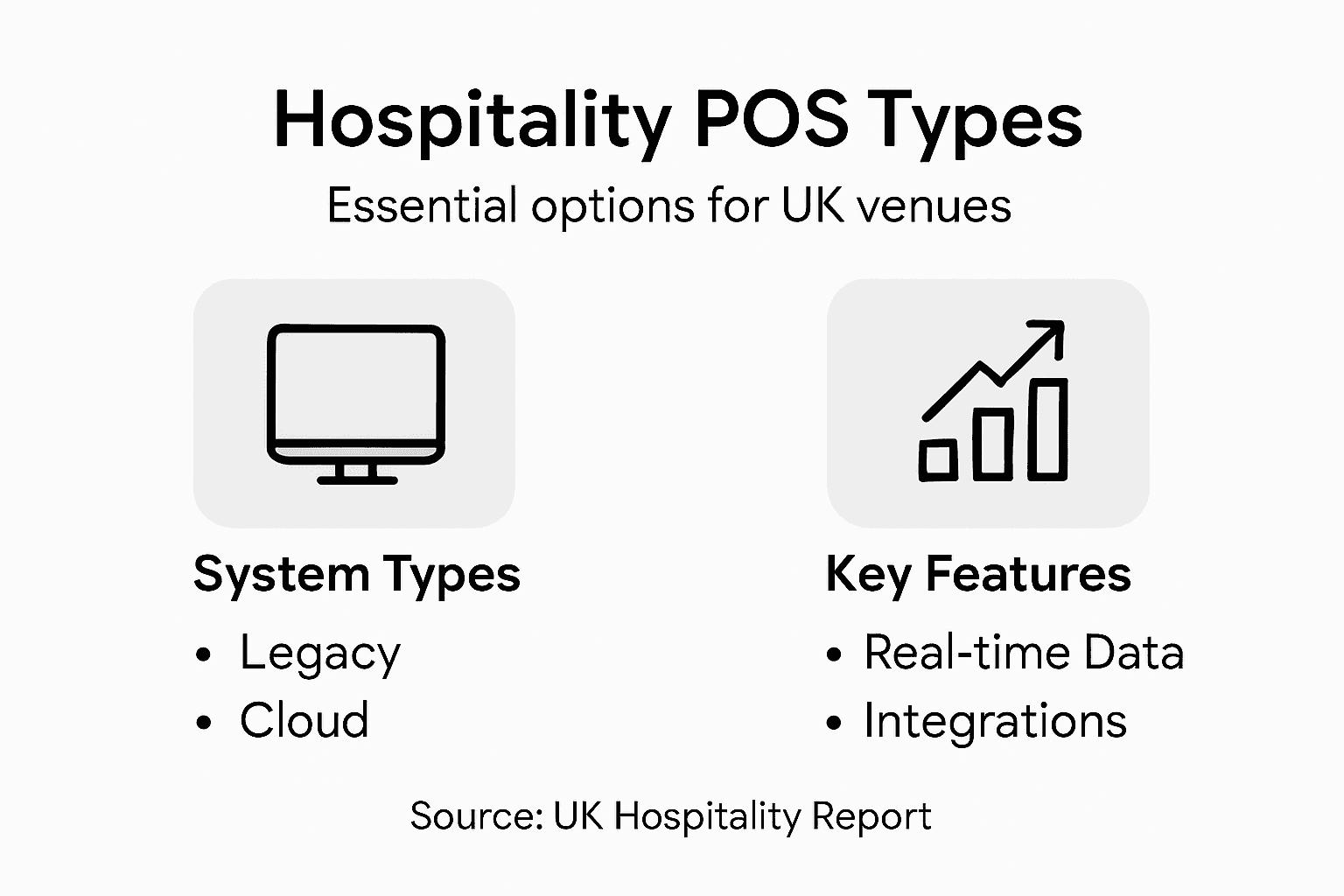
The evolution of these systems has been remarkable. Contemporary hospitality POS platforms offer modular configurations that support multiple service styles – whether you’re managing a busy city centre café, a rural pub, or a high-volume quick service restaurant. Key features typically include:
- Seamless payment processing across multiple channels
- Detailed inventory management
- Staff scheduling and performance tracking
- Customer relationship management tools
- Real-time sales and performance reporting
Moreover, cloud-based solutions provide real-time updates and operational insights that enable hospitality businesses to make data-driven decisions rapidly. This technological approach helps venues optimise pricing strategies, manage perishable stock more effectively, and ultimately enhance the overall guest experience.
Pro tip: When selecting a hospitality POS system, prioritise platforms offering flexible hardware options and comprehensive reporting capabilities to future-proof your venue’s technological infrastructure.
Key Types and Service Modes Available
Hospitality POS systems have dramatically evolved, offering diverse configurations to meet the unique operational needs of different venues across the United Kingdom. Broadly categorised into legacy and cloud-based systems, these technological solutions provide remarkable flexibility for restaurants, cafés, bars, and quick-service establishments.
Legacy Systems represent traditional on-premises solutions where data processing and storage occur directly within the venue’s physical infrastructure. These systems typically involve localised hardware and software installations, providing robust functionality but with limited scalability. In contrast, Cloud-Based Systems offer dynamic, internet-connected platforms that enable real-time data synchronisation, remote management, and seamless updates across multiple venue locations.
The following table contrasts legacy and cloud-based hospitality POS systems in terms of flexibility, scalability, and security:
| Attribute | Legacy POS Systems | Cloud-Based POS Systems |
|---|---|---|
| Flexibility | Limited; reliant on in-house setup | Highly flexible; accessible online |
| Scalability | Scale restricted to site hardware | Easily scalable across locations |
| Security Updates | Manual, onsite updating | Automated, remote updates |
| Data Backup | Local backups required | Secure cloud backups enabled |
The service modes supported by modern hospitality POS systems are equally diverse, catering to various customer interaction models:
- Counter Service: Fixed point-of-sale terminals for direct, immediate transactions
- Table Service: Integrated ordering systems allowing staff to process orders directly at customer tables
- Mobile Ordering: Wireless platforms enabling staff to take orders using handheld devices
- Self-Service Kiosks: Automated ordering stations for quick, independent customer interactions
- Mobile Catering: Portable systems for events, food trucks, and pop-up venues
Each service mode offers unique advantages, allowing hospitality businesses to customise their technological approach based on specific operational requirements, customer preferences, and venue characteristics. The ability to switch between or combine these modes provides unprecedented operational flexibility.
Pro tip: Assess your venue’s specific workflow and customer interaction patterns before selecting a POS system, ensuring the chosen platform supports multiple service modes to accommodate future business evolution.
Essential Features in Modern POS Solutions
Modern hospitality point of sale systems have transcended traditional transaction processing, emerging as comprehensive business management platforms that deliver strategic insights and operational efficiency. Key features now encompass comprehensive operational management tools that transform how UK venues approach daily business challenges.
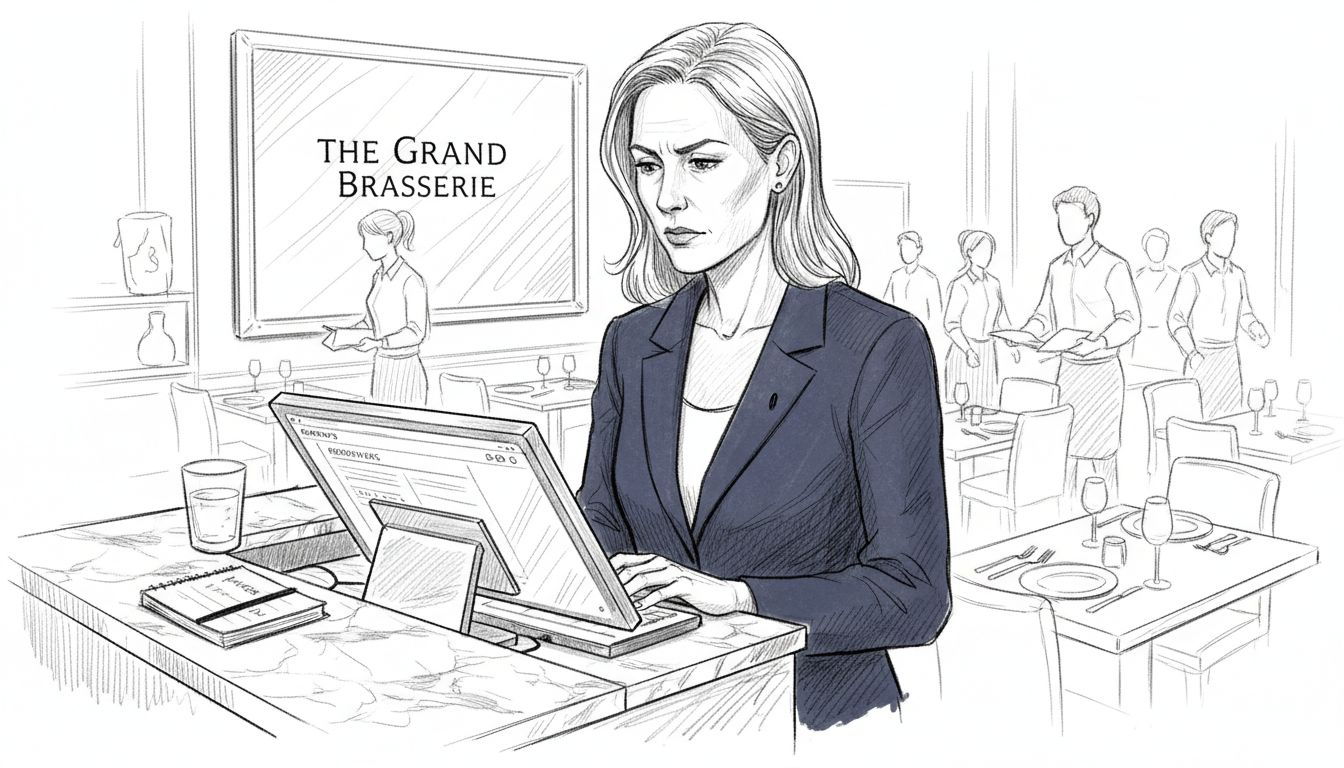
At the heart of contemporary POS solutions lie sophisticated functionalities designed to streamline complex hospitality workflows. Table Management enables precise tracking of dining areas, allowing staff to monitor table occupancy, manage reservations, and optimise seating arrangements. Split Billing features provide flexibility for group dining scenarios, automatically calculating individual charges with remarkable accuracy, while Menu Customisation tools allow real-time updates to pricing, descriptions, and availability across multiple service channels.
The most advanced POS platforms offer an integrated suite of powerful features:
- Real-time sales analytics and reporting
- Comprehensive inventory control mechanisms
- Automated staff scheduling systems
- Customer loyalty programme tracking
- Seamless payment processing across multiple channels
- Integration with third-party delivery platforms
- Multilingual menu and transaction support
These technological capabilities transform POS systems from mere transactional tools into strategic business intelligence platforms. By consolidating operational data, generating actionable insights, and providing granular performance metrics, modern hospitality POS solutions enable venue managers to make informed decisions, reduce operational inefficiencies, and enhance overall customer experiences.
Pro tip: Select a POS system that offers scalable features and seamless integration capabilities, ensuring your technological infrastructure can adapt to evolving business needs and emerging hospitality trends.
Integrations, Security, and Compliance Standards
In the rapidly evolving digital hospitality landscape, modern POS systems must deliver robust security frameworks and comprehensive integration capabilities that protect sensitive business and customer data while enabling seamless technological connectivity. Credit card integration and payment processing security represent critical components of contemporary hospitality technology infrastructure.
Cybersecurity has become paramount for UK hospitality venues, with POS systems requiring multi-layered protection strategies. This includes advanced encryption protocols for transaction data, secure user authentication mechanisms, and comprehensive access control systems. Payment Card Industry (PCI) compliance stands as a non-negotiable requirement, mandating strict standards that protect customer financial information and prevent potential data breaches.
Key integration and security considerations for modern hospitality POS platforms include:
- Encrypted payment processing
- Tokenisation of sensitive customer data
- Multi-factor authentication protocols
- Regular automated security updates
- Compliance with GDPR data protection regulations
- Secure cloud-based backup and recovery systems
- Integration with major accounting and inventory management platforms
- Real-time transaction monitoring
Beyond technical safeguards, successful POS systems must provide flexible integration capabilities that connect seamlessly with external platforms. This includes linking with accounting software, inventory management systems, customer relationship management (CRM) tools, and third-party delivery platforms. The ability to create a unified technological ecosystem enables hospitality businesses to streamline operations, reduce manual data entry, and make more informed strategic decisions.
Pro tip: Conduct regular security audits of your POS system, ensuring all integration points are thoroughly vetted and maintaining up-to-date compliance certifications to protect your venue’s technological infrastructure.
Cost Factors and Common Mistakes to Avoid
Navigating the financial landscape of hospitality POS systems requires careful consideration and strategic planning. Understanding comprehensive cost structures and potential pitfalls is crucial for UK venues seeking technological solutions that deliver genuine value and operational efficiency.
The total cost of a hospitality POS system extends far beyond the initial purchase price. Upfront Expenses typically encompass hardware investments, including touchscreen terminals, receipt printers, card readers, and kitchen display screens. Ongoing Costs involve software licensing, monthly subscription fees, payment processing charges, and critical maintenance support packages. Venues must budget for these recurring expenses to ensure long-term financial sustainability and technological reliability.
This table summarises typical cost components and strategic ways to avoid common mistakes when investing in a hospitality POS system:
| Cost Component | Description | Strategic Tip |
|---|---|---|
| Hardware Investment | Terminals, printers, readers | Compare long-term maintenance fees |
| Software Licensing | Monthly/annual access costs | Select scalable subscription plans |
| Training Expenditure | Staff onboarding and system setup | Budget for initial and ongoing training |
| Integration Fees | Connecting with external platforms | Confirm compatibility pre-purchase |
Common financial mistakes hospitality businesses frequently encounter include:
- Underestimating total implementation costs
- Neglecting staff training expenditures
- Choosing systems without scalability
- Overlooking integration expenses
- Failing to assess long-term maintenance requirements
- Disregarding potential customisation charges
- Ignoring potential hidden transaction fees
Successful POS system procurement demands a holistic approach that balances immediate technological needs with future growth potential. Smart venues conduct comprehensive cost-benefit analyses, considering factors like operational efficiency gains, potential revenue improvements, and reduced administrative overhead. By viewing POS investments as strategic technological partnerships rather than mere transactional expenses, hospitality businesses can transform their technological infrastructure into a competitive advantage.
Pro tip: Request detailed, transparent pricing breakdowns from potential POS providers, including implementation, training, support, and future upgrade costs to avoid unexpected financial surprises.
Discover the Perfect Hospitality POS Solution for Your UK Venue
Understanding the challenges of managing diverse service modes and the need for real-time operational insight is vital for any hospitality business. If your venue requires a seamless system that handles counter service, table ordering, mobile POS, and self-service kiosks with ease, then choosing the right platform can transform daily operations and enhance customer satisfaction. The detailed features and scalability discussed in the article highlight exactly why your POS system must be adaptable and robust.
EZEEPos offers an Android-based hospitality POS solution tailored specifically for UK venues like cafés, bars, and mobile catering services. With flexible hardware choices and integrated modules, it delivers streamlined inventory control, staff management, and comprehensive reporting—all supported locally by accredited providers.
Explore our dedicated Hospitality – EZEEPos Solution page to see how our system aligns perfectly with your venue’s needs.
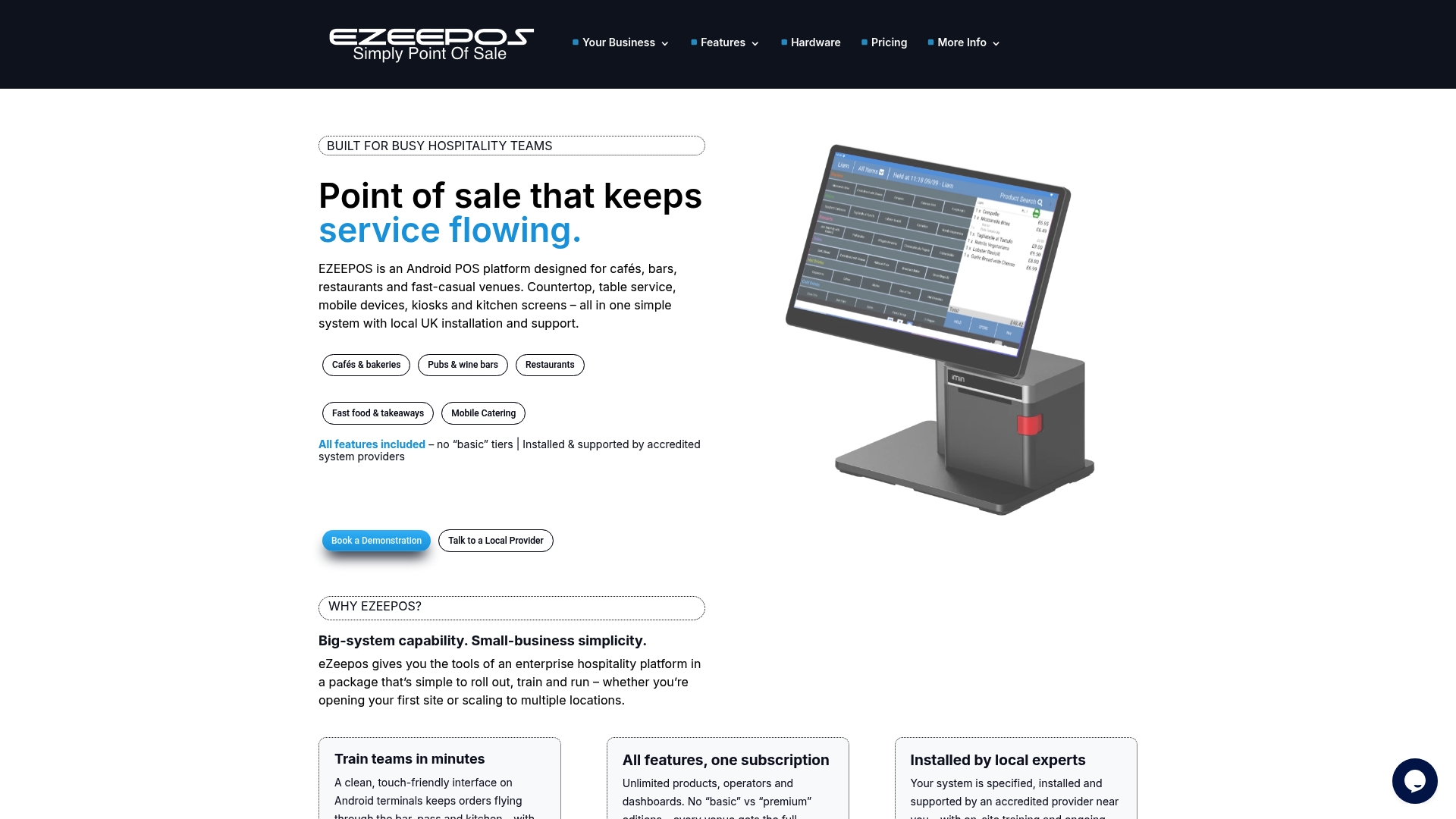
Ready to upgrade to a POS system that truly understands your hospitality challenges and supports your growth? Visit EZEEPos now to discover scalable solutions and explore valuable Add On Modules – EZEEPos Solution that add powerful features to your venue’s tech infrastructure. Take the next step to empower your business with reliable, flexible, and easy-to-use hospitality POS technology today.
Frequently Asked Questions
What is a hospitality POS system?
A hospitality POS system is a digital solution designed to manage transactions, customer interactions, and operational workflows in venues such as restaurants and cafés, integrating software with hardware for real-time business intelligence.
What are the key features of modern hospitality POS systems?
Modern hospitality POS systems offer features like real-time sales reporting, inventory management, staff scheduling, customer relationship management, and seamless payment processing across multiple channels.
How do legacy POS systems differ from cloud-based systems?
Legacy POS systems are traditional on-premises solutions with limited flexibility and scalability, while cloud-based systems offer dynamic, internet-connected platforms that enable real-time data synchronisation and remote management.
What should I consider when selecting a hospitality POS system?
When selecting a hospitality POS system, prioritise the flexibility of hardware options, comprehensive reporting capabilities, and the ability to support multiple service modes to adapt to your venue’s specific operational needs.
Recent Comments