
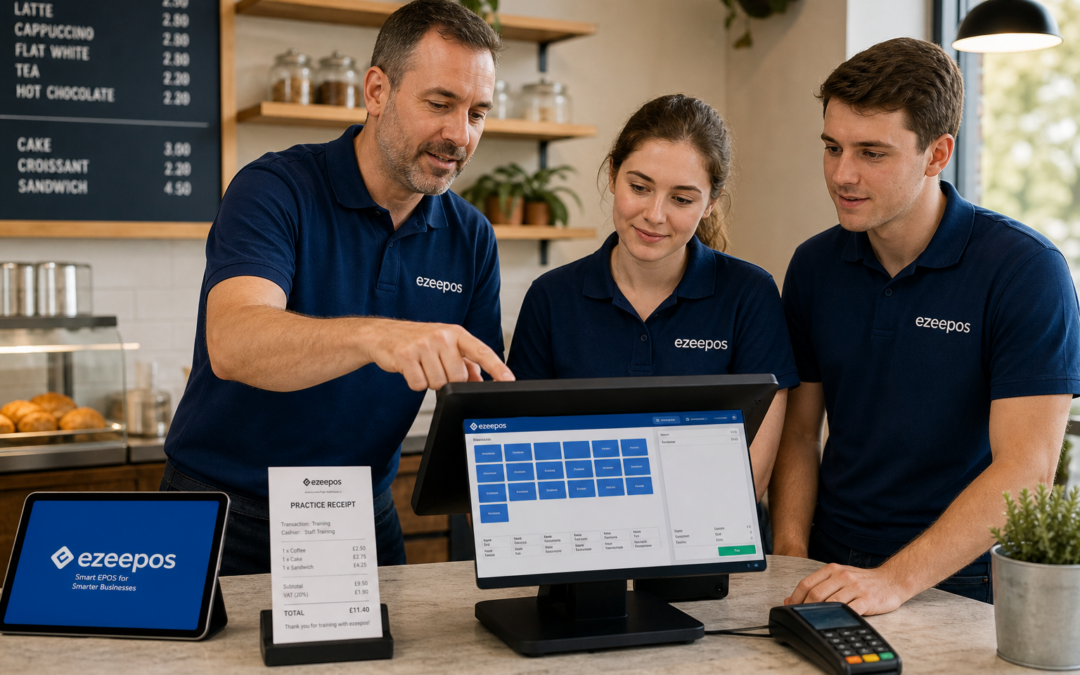
Introducing a new EPOS system is often a positive step for a business, but the benefits are not just about the software itself. If staff do not feel comfortable using the till, even a well-chosen system can create delays, mistakes and avoidable frustration. That is why training matters just as much as the features on the screen.
For independent retailers, cafés, restaurants, bars and takeaways, a new EPOS setup should make daily work easier, not harder. At eZeePOS, the aim is to support practical day-to-day use, so teams can learn quickly and keep service moving. If you are planning a change, the right preparation can make the difference between a stressful launch and a smooth one.
Why staff training is part of a successful EPOS rollout
A new EPOS system touches almost every part of a business. It is used for sales, refunds, discounts, reporting, order entry and often more. That means the till is not just a piece of technology; it becomes part of the daily rhythm of service. When staff understand it clearly, they can work with more confidence and fewer interruptions.
Good training helps teams:
- serve customers more quickly
- reduce mistakes at the till
- handle busy periods with less stress
- follow the same process across shifts
- feel more comfortable with refunds, discounts and voids
For business owners, that can mean less time stepping in to fix basic problems and more time focusing on the wider running of the business.
What makes EPOS training effective?
Training works best when it is practical, simple and relevant to the way the business actually operates. Staff rarely need a long technical explanation of every menu. They need clear guidance on what they do most often, plus enough confidence to deal with common situations when service is busy.
Start with the most common tasks
It is usually best to begin with the actions staff use every day. That might include adding items to a sale, taking payments, applying discounts, printing receipts or processing a refund. Once those basics are familiar, it becomes easier to introduce more advanced functions later.
Use real examples from the business
Training feels more helpful when it reflects real situations. A café team may need to understand table orders, split payments and quick lunchtime service. A retail shop may need to focus on product lookup, barcode scanning and customer returns. When examples are relevant, staff are more likely to remember what they have learned.
Keep it short and repeatable
Shorter training sessions are often more effective than one long session. They are easier to absorb and can be repeated for new starters. Many businesses also find it useful to keep a simple printed guide near the till, so staff can check key steps during the first few weeks.
Training new staff and seasonal teams
Many UK businesses rely on part-time, temporary or seasonal staff. That can make training even more important, because not everyone will have the same experience with a touchscreen till or POS system. A clear onboarding process helps new team members settle in more quickly and reduces the pressure on experienced staff.
This is especially important for businesses that trade through busy periods such as weekends, holidays or seasonal peaks. If new starters can learn the system quickly, managers can spend less time explaining routine actions and more time keeping service on track. A consistent approach also helps reduce the chance of one team member doing things very differently from another.
How training supports different types of businesses
Different businesses use EPOS in different ways, so the training should reflect that. A retail shop may need a strong focus on product lookup, returns and customer-facing service. A restaurant may need to cover table orders, kitchen communication and payment handling. A takeaway may need to prioritise speed, accuracy and order flow.
In hospitality, staff training can help protect service quality during busy periods. In retail, it can help keep queues moving and reduce errors at the till. In both cases, it gives the team a better understanding of how the EPOS system supports the business rather than getting in the way.
Training for managers and supervisors
Managers often need slightly deeper training than front-line staff. They may need to approve voids, check reports, manage permissions or adjust settings. If supervisors are confident, they can support the wider team more effectively and solve common problems without delay.
It is also useful for managers to understand what the system is showing them after trading. Clear reporting can help them spot busy periods, identify patterns and review performance. If you want to explore how that works in practice, see eZeePOS for a UK-focused EPOS solution built for everyday use.
Reducing errors and protecting service quality
Poor training often shows up in small problems: duplicated items, incorrect discounts, missed steps in a refund or delays while staff search for the right screen. These issues may seem minor on their own, but during a busy service they can quickly add up. Better training helps the team stay calm, work consistently and give customers a smoother experience.
It can also reduce the risk of confusion when different staff members are on duty. If everyone follows the same process, it is easier to maintain standards and support a more reliable customer experience.
Making the transition easier for your team
When moving to a new EPOS system, it helps to plan the change in stages. Some businesses start with a trial period or a quieter trading session so the team can practise before a full launch. Others choose to train a few key staff first, who can then help support the rest of the team.
Practical rollout tips include:
- assigning a few staff champions to learn the system first
- keeping a short step-by-step guide available at the counter
- allowing extra time for the first few shifts
- reviewing any common questions after launch
- making sure new starters receive the same basic training
That approach helps staff feel supported rather than rushed, which usually leads to a better result for everyone involved.
Why a well-trained team gets more from EPOS
A good EPOS system should save time, improve accuracy and support better service. But those benefits are much easier to achieve when staff know how to use the system properly. Training is not an extra step to get through; it is part of getting value from the technology itself.
For UK businesses that want a practical, dependable till setup, eZeePOS offers a solution that can fit into daily operations without unnecessary complexity. To discuss your needs, visit www.ezeepos.co.uk.
Contact YCR Distribution at sales@ezeepos.co.uk or call 01924 438238.
Recent Comments