
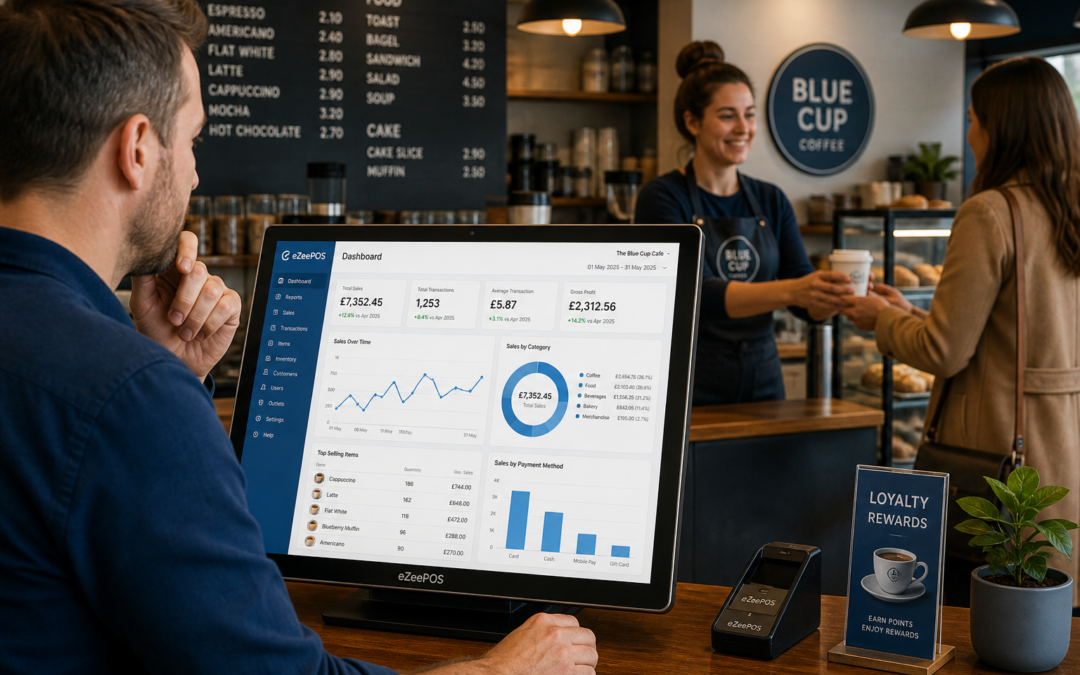
For many independent businesses, the hardest part of running a shop, cafe or restaurant is not taking the sale, but making sense of what happened afterwards. A modern EPOS system can do far more than process transactions. It can give owners clearer reporting on sales, trading patterns and staff activity, helping them make better day-to-day decisions with less guesswork.
At eZeePOS, reporting is one of the practical features that can help busy UK businesses stay organised. Whether you run a neighbourhood shop, a local cafe or a small hospitality venue, useful reporting can highlight what is working, where busy periods fall and which areas need attention. For more information, visit www.ezeepos.co.uk.
Why reporting matters for independent businesses
Independent businesses rarely have the time or resources for complicated analysis. Owners need simple answers to everyday questions such as:
- Which days are busiest?
- What time of day brings the most sales?
- Which products or menu items are doing well?
- Are certain staff patterns linked to better service or higher takings?
- How does trade compare between weekdays and weekends?
Good EPOS reporting turns till activity into information that is easier to use. Instead of relying on memory or rough estimates, you can look at actual figures and decide what to do next.
What useful reports can show you
Sales trends over time
Sales reports help you see whether business is steady, improving or drifting at certain times. For a retailer, that might mean identifying stronger trading days or noting when footfall tends to slow down. For a cafe or restaurant, it might show which service periods bring the best takings.
This is useful because it can support practical decisions, such as when to schedule staff, when to open longer hours or when to run a short promotion to lift quieter periods.
Best-selling items and slower movers
Independent businesses often have a mix of popular lines and products that only sell occasionally. Reporting helps you see what is moving well so you can make better buying, menu or display decisions. A shop owner may notice that certain items are consistently strong, while a cafe may find that a breakfast item performs better than expected on weekday mornings.
This kind of insight does not replace experience, but it gives owners a clearer picture of what customers actually choose.
Busy periods and trading patterns
One of the most useful parts of reporting is understanding when your business is busiest. Knowing your peak periods can help you arrange staff more effectively, reduce queues and improve service. That matters in both retail and hospitality, where even a short delay can affect the customer experience.
If your busiest time is predictable, you can plan around it. If it changes seasonally, reporting helps you spot the shift early rather than reacting after the event.
How reports support better day-to-day decisions
Reporting is most valuable when it leads to action. A good EPOS setup can help a business move from data to decisions in a few simple steps.
1. Plan staffing more confidently
Many independent businesses rely on a small team, so staffing well is important. If reports show that trade is strongest at lunch, after work or at weekends, you can adjust rotas to match demand. That can improve customer service while avoiding unnecessary labour costs during quieter times.
2. Make stock and menu choices more practical
While this article is not about stock control in detail, reporting still helps you understand what is worth keeping visible or promoting. If certain items never perform well, or if some menu lines are consistently popular, the data can guide simple decisions about what to feature more prominently.
3. Spot issues sooner
Reporting can also highlight problems early. A sudden dip in sales, a change in average transaction value or an unusual trading pattern may be worth checking. This does not always mean something is wrong, but it can prompt a useful conversation before a small issue becomes a bigger one.
4. Support better planning for seasonal trade
Many UK retailers and hospitality businesses face seasonal peaks. Garden centres, gift shops, cafes near tourist areas and family restaurants often see clear changes across the year. Good reporting helps you understand those shifts so you can prepare for them instead of being caught out.
What makes reporting easy to use?
Not every business owner has time to dig through complicated screens or build spreadsheets. The most useful reports are the ones that are easy to access, easy to understand and relevant to the business. That means clear totals, simple comparisons and information that staff can use without extra training.
When reporting is built into your EPOS system, it can become part of your routine rather than a separate task. You can check how the day has gone, review the week so far or look back at broader patterns without having to piece everything together manually.
Reporting for both retail and hospitality
The exact reports that matter most will depend on your business type.
- Retail stores: product performance, busiest trading periods and transaction trends.
- Cafes: service timing, best-selling drinks or food items and customer flow through the day.
- Restaurants: trading patterns by session, average spend and service peaks.
- Takeaways: order volume, quiet periods and demand changes across the week.
Even where the needs differ, the principle is the same: better information leads to better decisions.
Keeping reporting practical for small business owners
The best reporting tools are not the most complicated ones. They are the ones that save time, reduce uncertainty and make life easier for the people running the business. For independent shops and hospitality venues, that often means having a clear view of sales without needing to be a data expert.
That is why many businesses look for EPOS software that balances usefulness with simplicity. eZeePOS is designed with practical UK retail and hospitality use in mind, helping owners keep track of trading more effectively while focusing on serving customers.
Make reporting part of your routine
If you only look at figures occasionally, reporting can feel like extra admin. But when it becomes part of your routine, it can support better decisions across the whole business. A quick daily review can help you spot patterns sooner, while a weekly or monthly review can show whether recent changes are having the effect you wanted.
That kind of habit can make a real difference for independent businesses that need to stay flexible, responsive and organised.
To explore how eZeePOS can support reporting and day-to-day decision-making for your business, visit www.ezeepos.co.uk.
Contact YCR Distribution at sales@ezeepos.co.uk or call 01924 438238.
Recent Comments