
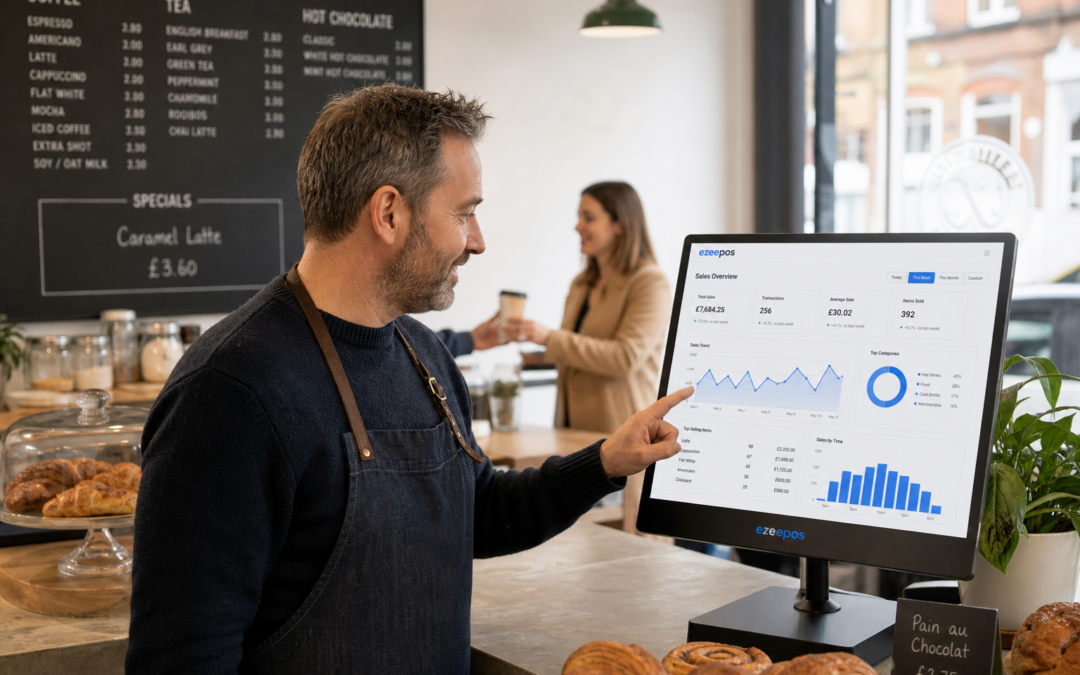
Good business decisions are easier to make when you can see what is happening in your shop, café, restaurant or takeaway. That is where EPOS reporting becomes so useful. Instead of relying on guesswork, you can look at real sales information and use it to understand trade patterns, busy periods and customer behaviour.
For independent UK businesses, that clarity can be valuable. Whether you are running a single counter or managing a small team across different shifts, the right reporting tools can help you stay organised and respond more confidently to day-to-day trading. eZeePOS, available through www.ezeepos.co.uk, is designed to support that kind of practical decision-making.
Why reporting matters in everyday trading
Many small businesses collect data at the till without fully using it. Sales are recorded, transactions are completed and the working day moves on. Reporting brings that information together in a way that is much easier to act on.
Instead of looking at isolated sales, you can start to answer useful questions such as:
- Which products or menu items sell best at different times of day?
- When are your busiest trading periods?
- Which days of the week are strongest or weakest?
- How do promotions affect sales volume?
- Are there times when you may need more staff on the floor or at the counter?
That kind of visibility can help reduce waste, improve planning and give owners a clearer picture of how the business is performing.
What useful EPOS reports can show
A good EPOS system should do more than simply process sales. It should give you reports that are easy to read and relevant to the way your business works. For a small retailer, that might mean seeing top-selling products or comparing performance across different days. For a café or restaurant, it could mean understanding peak meal periods or identifying popular items that regularly drive repeat sales.
Sales trends and daily patterns
One of the most helpful uses of reporting is spotting patterns. If you know your shop is consistently quieter on Tuesday mornings, that may influence staffing. If your takeaway is busiest between 5pm and 7pm, you can prepare better for that window. These are small adjustments, but they can make a noticeable difference over time.
Product and menu performance
Reporting can also show what customers buy most often. In retail, that might highlight popular lines or slow-moving products. In hospitality, it may reveal best-selling dishes, drinks or meal combinations. This is useful not only for stock planning, but also for pricing, promotions and layout. If certain items are consistently popular, it makes sense to give them more visibility.
Staffing and rota planning
For many businesses, staffing is one of the biggest ongoing costs. Reporting helps you link sales patterns to rota decisions. If trade is much busier around lunch, or if weekends consistently outperform weekdays, you can plan shifts more effectively. That means fewer quiet periods with too many staff and fewer busy periods when service feels stretched.
How reporting supports different UK businesses
Reporting is not just for one type of business. The most useful insights depend on your sector, your customer base and the way you trade.
Retail shops
In an independent shop, reports can help you see which categories perform well, whether promotions are working and how customer spending changes during the week. For convenience stores, gift shops, fashion retailers and other local shops, this can support better pricing and product selection.
Cafés and restaurants
Hospitality businesses often need a faster read on service patterns. Reporting can show when the counter gets busiest, which menu items are most popular and how sales change across breakfast, lunch and evening service. That helps owners make more grounded decisions about staffing, menus and opening hours.
Takeaways and quick-service businesses
For takeaways and quick-service food businesses, reports can be especially useful during peak trading. Understanding which days are busiest, which items sell well together and how long service peaks last can help with preparation and queue management.
Making reports easy for staff and owners to use
The best reporting tools are the ones people actually use. If reports are difficult to find, hard to read or full of irrelevant data, they are less likely to help. A practical EPOS setup should make reporting straightforward for managers and business owners, even if they are not spending all day behind the till.
That is why simple layout matters. Clear summaries, sensible categories and easy access to the information you need can save time and reduce admin. Instead of exporting data into spreadsheets and trying to build your own picture, you can often get the insight you need directly from the till system.
Useful reporting habits for small businesses
- Check sales summaries regularly rather than waiting for month-end.
- Compare busy and quiet trading periods to spot trends.
- Review promotions to see whether they are genuinely improving sales.
- Use product-level reports to understand what customers want most.
- Share relevant findings with staff so the whole team can respond consistently.
Reporting and better decision-making
Reporting is not about collecting data for the sake of it. It is about making better day-to-day decisions. If a business can see what is working, it can focus more on that. If it can spot weak points early, it can adjust before they become bigger problems.
That might mean changing staff patterns, updating a menu, reviewing a promotion or simply managing busy periods with more confidence. Even modest improvements can add up when they are based on real trading information.
For many independent businesses, that is where a modern EPOS system becomes genuinely valuable. It does not just record transactions; it helps owners understand the business they are running.
Why eZeePOS is a practical choice for reporting
If you are looking for a UK EPOS software option that helps you make sense of your sales information, eZeePOS is worth a closer look. It is designed for retail and hospitality businesses that want a practical system for everyday use, without making reporting more complicated than it needs to be.
To learn more about how eZeePOS can support smarter reporting for your business, visit www.ezeepos.co.uk. Contact YCR Distribution at sales@ezeepos.co.uk or call 01924 438238.
Recent Comments