
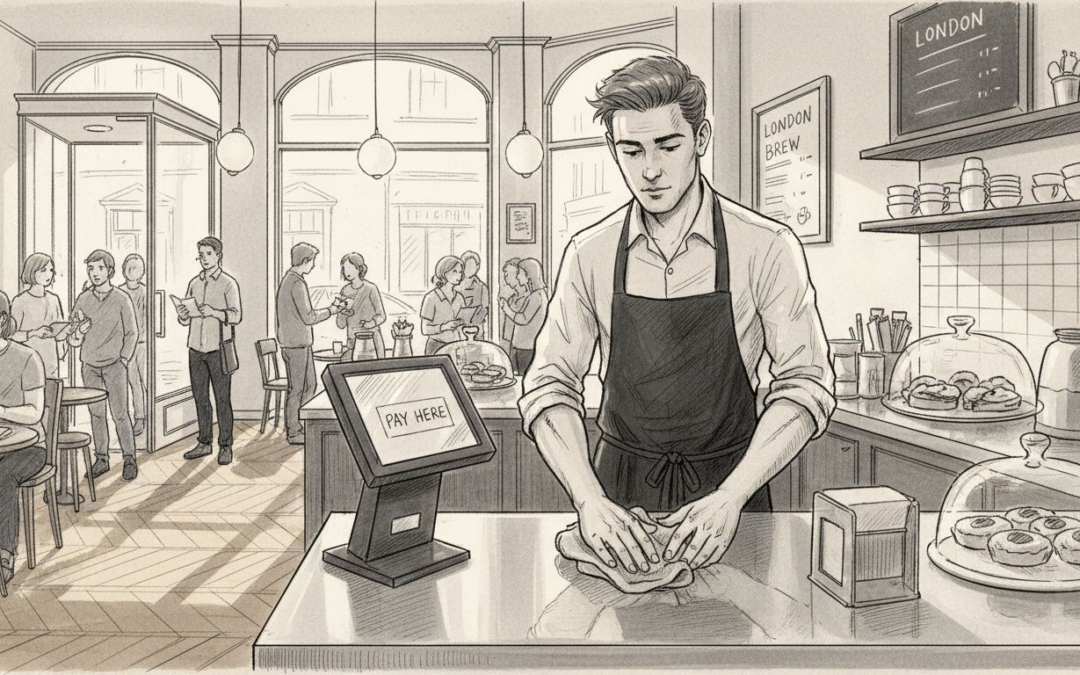
Long queues and staff shortages are a familiar challenge for many restaurant managers across the United Kingdom. Finding solutions that genuinely ease service pressure matters more than ever, especially when operational efficiency directly shapes the customer experience. Self-service kiosks have helped venues decrease wait times by up to 40 percent and redistribute staff duties, making them a vital option for British hospitality businesses aiming to maintain high standards and smooth operations.
Table of Contents
- What Are Self-Service Kiosks?
- Types of Self-Service Kiosks in Hospitality
- How Self-Service Kiosks Improve Operations
- Key Financial and Staffing Impacts
- Risks, Legal Duties and Best Practices
Key Takeaways
| Point | Details |
|---|---|
| Self-Service Kiosk Benefits | These kiosks enhance customer interaction, speed up order processing, and improve accuracy by minimising human error. |
| Operational Efficiency | By reducing queue times and staff workload, self-service kiosks allow employees to focus on food preparation and service quality. |
| Financial Impact | Implementing these kiosks can lead to significant labour cost reductions and increased revenue through higher customer spending. |
| Compliance and Accessibility | Operators must ensure that kiosks meet legal standards for accessibility and data protection to provide a user-friendly experience for all customers. |
What Are Self-Service Kiosks?
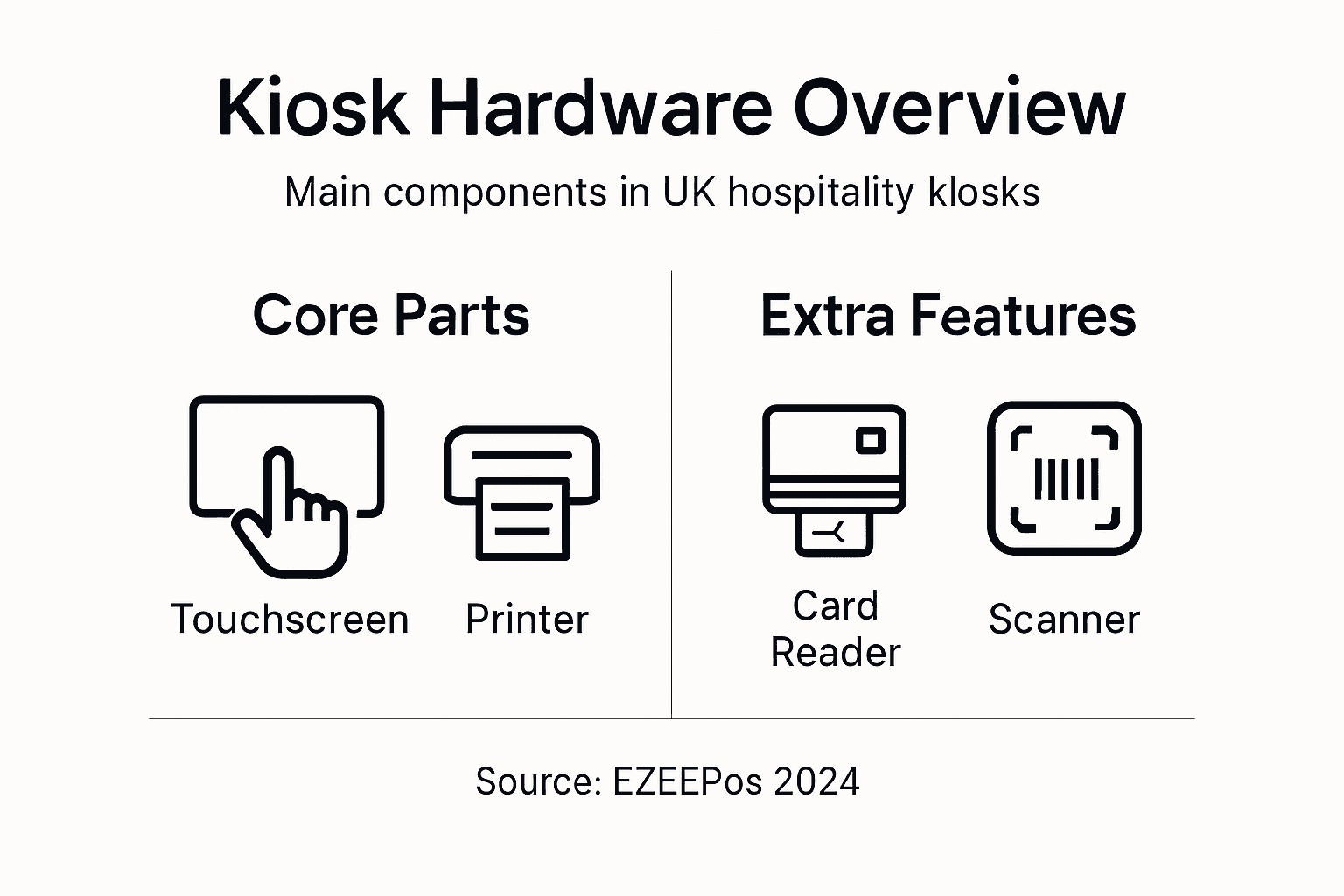
A self-service kiosk is an interactive digital platform transforming customer interactions in UK hospitality venues. These standalone touchscreen devices enable customers to independently browse menus, customise orders, and complete transactions without direct staff intervention. Self-service technologies represent a significant technological advancement in modern restaurant operations.
Self-service kiosks function through intuitive hardware and sophisticated software systems that streamline ordering processes. Their key characteristics include:
- Robust touchscreen interfaces designed for easy navigation
- Integration with backend restaurant management systems
- Ability to process payments securely and instantly
- Multiple language support options
- Customisation capabilities for individual customer preferences
Restaurant managers appreciate these systems because they dramatically reduce traditional service bottlenecks. By empowering customers to manage their own ordering experience, kiosks effectively redistribute staff workload, allowing team members to focus on food preparation and customer engagement.
Technical Components of a typical self-service kiosk include specialised hardware like high-resolution touchscreens, secure payment terminals, and robust computer systems capable of handling complex menu interactions. The software powering these devices must be user-friendly, responsive, and capable of seamlessly communicating order details to kitchen staff.
Pro tip: Consider implementing self-service kiosks during off-peak hours first to help staff and customers gradually adapt to the new technology.
Types of Self-Service Kiosks in Hospitality
UK hospitality venues can choose from multiple self-service kiosk configurations designed to match their specific operational requirements. Kiosk technology options have evolved to provide flexible solutions for different restaurant environments.
The primary types of self-service kiosks in the UK hospitality sector include:
- Fixed Countertop Kiosks: Robust units permanently installed at specific restaurant locations
- Freestanding Kiosks: Movable standalone systems that can be repositioned as needed
- Integrated Tablet Systems: Portable digital ordering platforms with maximum flexibility
- Wall-Mounted Touchscreen Units: Space-efficient solutions for venues with limited floor space
- Multi-Screen Interactive Displays: Advanced systems supporting complex ordering processes
Each kiosk type offers distinct advantages for different hospitality settings. Fixed countertop kiosks provide maximum durability and are ideal for high-traffic restaurant environments, while tablet-based systems offer unprecedented mobility and cost-effectiveness for smaller venues.
Here’s a summary of typical self-service kiosk types and their ideal environments:
| Kiosk Type | Best Suited For | Space Required | Notable Benefit |
|---|---|---|---|
| Fixed Countertop | High-traffic restaurants | Moderate | Maximum durability |
| Freestanding | Flexible dining areas | Larger | Easy repositioning |
| Integrated Tablet System | Small cafés and venues | Minimal | High mobility |
| Wall-Mounted Touchscreen | Tight urban locations | Very small | Saves floor space |
| Multi-Screen Interactive | Large complex venues | Significant | Handles complicated orders |
Technical Specifications vary significantly across different kiosk models. Factors like screen resolution, payment integration, menu complexity, and hardware robustness determine the overall effectiveness of these digital ordering platforms. Restaurant managers must carefully evaluate their specific requirements when selecting an appropriate self-service solution.
Pro tip: Conduct a thorough site assessment and staff consultation before investing in self-service kiosk technology to ensure optimal system selection and implementation.
How Self-Service Kiosks Improve Operations
Self-service kiosks represent a transformative solution for addressing operational challenges in UK hospitality venues. Hospitality operations are being revolutionised by these innovative technological platforms that dramatically enhance efficiency and customer experience.
The key operational improvements offered by self-service kiosks include:
- Reduced Queue Times: Decreasing customer waiting periods by up to 40%
- Labour Cost Optimisation: Minimising staffing requirements during peak hours
- Order Accuracy: Eliminating human error in order processing
- Enhanced Customer Experience: Providing personalised, flexible ordering options
- Data Collection: Gathering valuable insights about customer preferences
These digital systems enable restaurants to redistribute staff resources more strategically. Instead of being trapped at traditional point-of-sale terminals, employees can focus on food preparation, customer service, and creating memorable dining experiences.
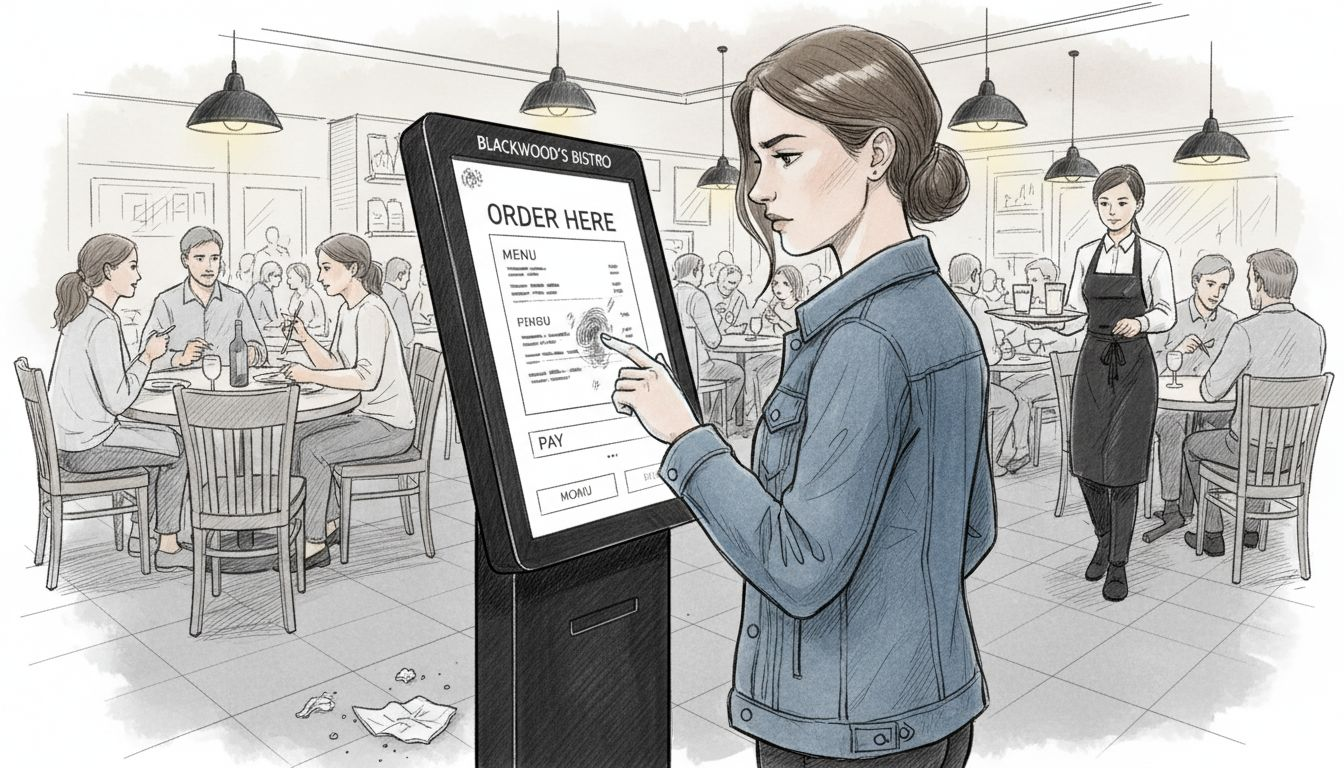
Performance Metrics demonstrate significant operational benefits. By automating repetitive tasks, kiosks reduce service times, minimise order mistakes, and create opportunities for staff to engage in higher-value interactions with customers. This technological approach transforms traditional hospitality workflows, making operations more responsive and efficient.
This table highlights operational improvements enabled by self-service kiosks:
| Improvement | Core Functionality | Business Impact |
|---|---|---|
| Queue Reduction | Fast digital order entry | Greater customer throughput |
| Accuracy | Automated data transfer | Fewer errors, improved service |
| Data Collection | Tracks ordering behaviours | Supports strategic decision-making |
| Staff Efficiency | Reduces repetitive workload | Allows for focus on key tasks |
Pro tip: Implement self-service kiosks gradually, starting with less complex menu sections to help staff and customers adapt smoothly to the new technology.
Key Financial and Staffing Impacts
Self-service kiosks are fundamentally reshaping the economic landscape of UK hospitality by addressing critical staffing and financial challenges. Hospitality sector financial strategies are being transformed through technological innovation that directly impacts labour costs and operational efficiency.
The primary financial and staffing benefits include:
- Labour Cost Reduction: Minimising front-of-house staff requirements
- Operational Flexibility: Managing workforce demands more effectively
- Error Reduction: Decreasing costly mistakes in order processing
- Revenue Enhancement: Encouraging higher average customer spend
- Staff Reallocation: Redirecting human resources to higher-value tasks
Restaurant owners are discovering that these digital platforms offer more than just technological novelty. They represent a strategic approach to managing workforce challenges, particularly in an era of persistent labour shortages and increasing operational expenses.
Financial Modelling demonstrates significant potential savings. By reducing manual order-taking processes, minimising human error, and enabling more efficient staff deployment, self-service kiosks can deliver substantial economic advantages. Small to medium-sized hospitality venues can potentially reduce labour costs by 15-25% while simultaneously improving overall service quality.
Pro tip: Calculate your potential return on investment by tracking staff hours saved and increased order accuracy before fully implementing self-service kiosk technology.
Risks, Legal Duties and Best Practices
Navigating the implementation of self-service kiosks requires careful consideration of potential risks and legal obligations. Self-service technology compliance presents a complex landscape of technological and regulatory challenges for UK hospitality operators.
Key risks and mitigation strategies include:
- Technical Vulnerabilities: Implementing robust cybersecurity protocols
- Accessibility Concerns: Ensuring technology is usable for all customers
- Data Protection: Maintaining strict GDPR compliance
- Customer Experience: Providing alternative service options
- Staff Training: Developing comprehensive technological support strategies
UK hospitality venues must approach self-service kiosk implementation with a comprehensive understanding of legal and ethical considerations. This involves creating inclusive technological solutions that respect customer diversity and protect individual privacy rights.
Regulatory Compliance demands a multifaceted approach. Operators must carefully design kiosk interfaces that meet accessibility standards, implement robust data protection measures, and create clear communication channels for customers who may struggle with digital interactions. This includes providing alternative service methods and ensuring staff are always available to assist customers who prefer traditional ordering approaches.
Pro tip: Conduct a comprehensive accessibility audit of your self-service kiosk system before full implementation to identify and address potential barriers for different user groups.
Boost Your Hospitality Efficiency with EZEEPos Self-Service Solutions
The hospitality industry in the UK faces increasing pressure to reduce queue times, improve order accuracy, and optimise labour costs. If you are exploring self-service kiosks to overcome these challenges, EZEEPos offers a tailored Android-based POS platform designed specifically for venues like cafés, bars, and restaurants. Our system supports multiple hardware options including kiosks, tablets, and countertops, ensuring a smooth transition to self-service while maintaining seamless integration with your kitchen and payment processes.
Our powerful yet simple platform comes with features such as inventory control, staff management, and cloud-based reporting to help you run operations more efficiently. With dedicated local UK support and no tiered pricing, EZEEPos makes it easier to empower your customers and your staff simultaneously. Explore our Add On Modules – EZEEPos Solution and find the perfect enhancements for your venue alongside robust EFT Terminals – EZEEPos Solution for secure payments.
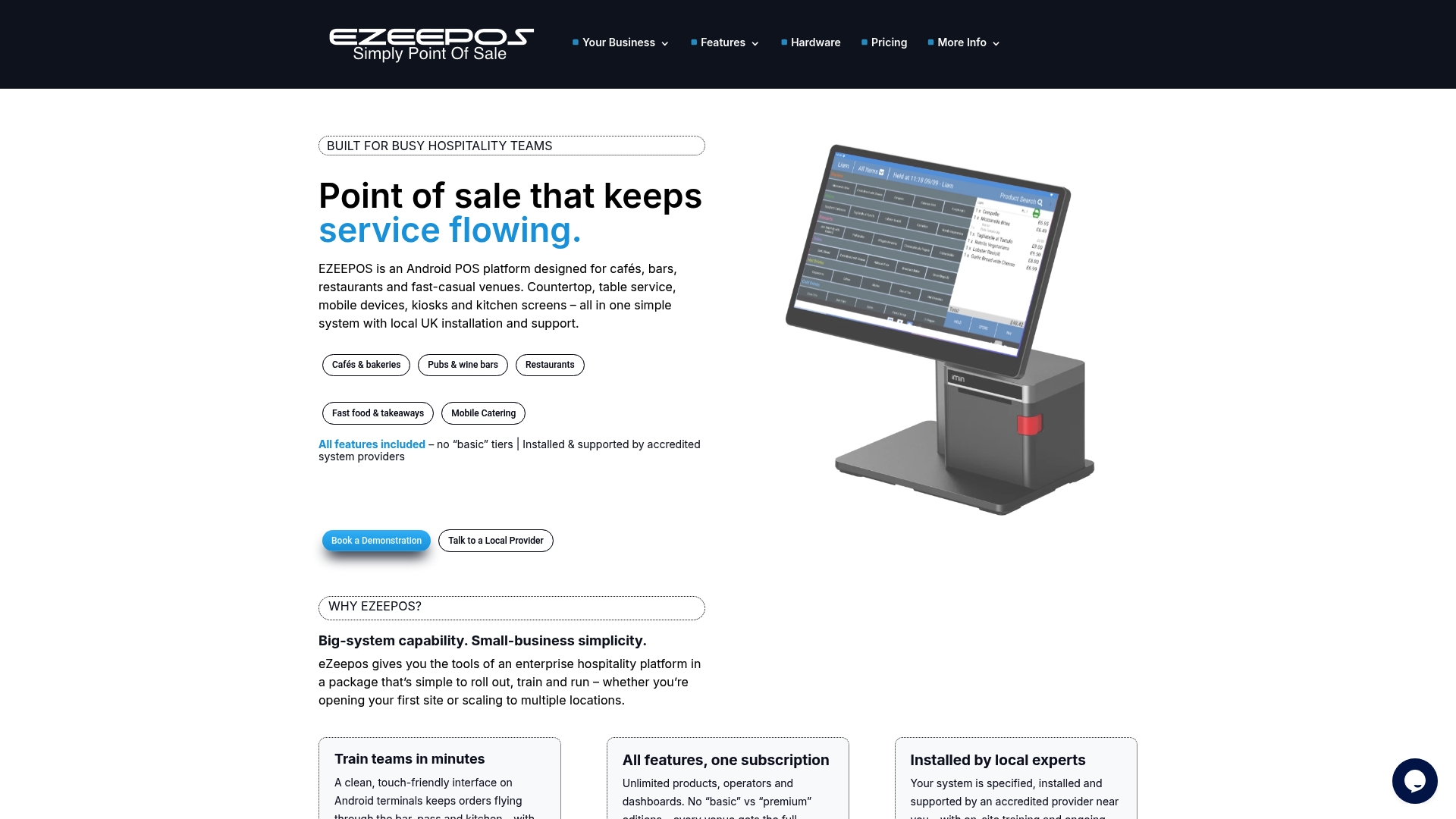
Ready to transform your hospitality business with reliable self-service kiosks and unified POS management? Visit EZEEPos today to discover how our technology can reduce operational bottlenecks, improve customer satisfaction, and enhance your bottom line. Start your journey towards a smarter, more efficient venue now.
Frequently Asked Questions
What are the main benefits of self-service kiosks in hospitality?
Self-service kiosks offer reduced queue times, optimised labour costs, improved order accuracy, enhanced customer experience, and valuable data collection about customer preferences.
How do self-service kiosks improve operational efficiency?
Kiosks streamline ordering processes, allowing customers to place orders quickly and accurately, which reduces waiting times and allows staff to focus on food preparation and customer engagement.
What types of self-service kiosks are suitable for different hospitality environments?
Options include fixed countertop kiosks for high traffic, freestanding kiosks for flexibility, integrated tablet systems for portability, wall-mounted units for space efficiency, and multi-screen displays for complex orders.
What are the key considerations for implementing self-service kiosks?
Important factors include ensuring technical security, compliance with data protection regulations, providing accessibility features, and training staff to assist customers who prefer traditional ordering methods.
Recent Comments