
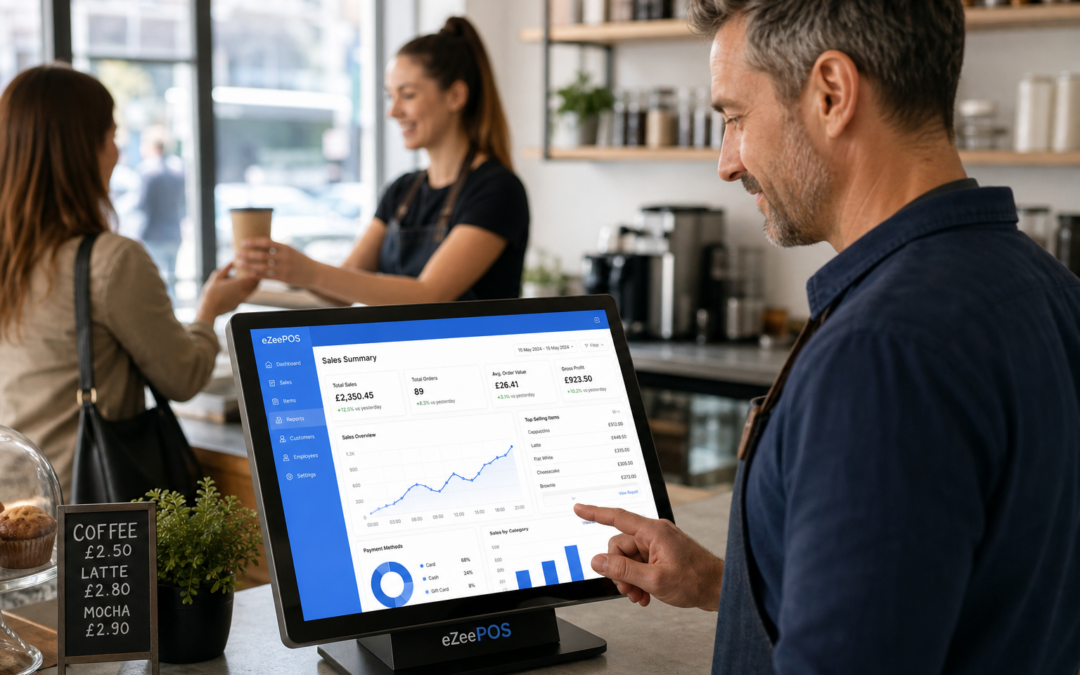
Why reporting matters in day-to-day trading
For many independent businesses, the difference between guessing and knowing comes down to the quality of the reports they can access. A till system should do more than take payments and record sales. It should help owners understand what is happening across the business each day, so decisions are based on real figures rather than memory alone.
That is one of the reasons reporting is such a useful part of modern EPOS software. Whether you run a shop, cafe, takeaway, pub or restaurant, clear reporting can show what is selling, when trade is busiest and where the business is performing well. If you want a practical UK EPOS option that is designed to keep things straightforward, eZeePOS at www.ezeepos.co.uk is built with that kind of everyday use in mind.
What good EPOS reporting should tell you
Reports are most helpful when they are easy to understand and relevant to the way you trade. Instead of giving you a pile of numbers that are hard to read, a well-set-up EPOS system should help you see useful patterns quickly.
Sales patterns
Daily and weekly sales reports can show you which times are strongest, which days are slower and how trade changes across the month. That can be useful for staffing, opening hours and planning promotions.
Best-selling items
Knowing which products or menu items sell well can help you make better decisions about pricing, menu changes and merchandising. It also helps you avoid focusing too much effort on items that do not contribute much to the business.
Busy periods
For cafes, restaurants and takeaways, reporting can highlight peak periods that may not be obvious at first glance. For retailers, it can show when footfall and basket sizes are strongest, which is useful when planning rotas and customer service levels.
Employee performance
Reporting can also give managers a clearer view of daily trade by staff member or terminal, which is useful in larger teams or multi-shift environments. This is not about micromanaging people. It is about understanding how the business is operating during real trading hours.
How reporting supports better decisions in retail
In retail, reporting is especially useful when trade varies across the week or changes with the season. A gift shop, convenience store or clothing retailer can all benefit from being able to look back at sales trends and customer buying habits.
For example, if you can see that certain item categories perform better on Fridays and weekends, you may choose to adjust displays, stock levels or promotions accordingly. If a particular range is underperforming, you can spot it early enough to make changes before it becomes a bigger issue.
Reporting can also make day-to-day operations more organised. Store owners often need a quick answer to simple questions such as: What sold best yesterday? Which day was busiest? Did the weekend trade justify extra staffing? A good retail EPOS system should help provide those answers without a long manual process.
How reporting helps hospitality businesses stay in control
In hospitality, business owners often need to react quickly. A cafe may need to know which breakfast items are popular. A takeaway may want to understand which hours create the most pressure. A bar or pub may want a clearer picture of weekly trade and quieter time slots.
Reporting helps turn that daily activity into something you can actually use. Instead of relying on instinct, you can look at the numbers and make better decisions about staff scheduling, menu layout and service timing. That can reduce waste, improve consistency and make the business easier to manage.
For example, if an evening service is regularly stronger than lunchtime trade, you may choose to put more focus on after-work offers or table availability. If particular items sell consistently well, you may want to highlight them on printed menus or on-screen order prompts. Small changes like these can make a noticeable difference over time.
Why simple reports are often the most useful
One common mistake is assuming that more data always means better data. In practice, business owners often need a handful of clear reports that are easy to review quickly. If reports are confusing or take too long to find, people stop using them.
The best EPOS reports are the ones that can be checked regularly and turned into action. That might mean a daily sales summary, a weekly comparison or a monthly overview. It is not about becoming a data analyst. It is about making the numbers useful for real business decisions.
A practical POS system should also make it easier to spot outliers. If one day is unusually busy or unusually quiet, you can check whether that was caused by weather, staffing, local events or trading hours. Over time, these small observations help you build a clearer picture of your business.
Making reporting part of your routine
Reporting works best when it becomes part of normal management, not something you only look at during a problem. Even a few minutes at the end of the day or week can help you stay ahead of issues and notice improvements early.
Some business owners like to review reports before planning rotas, placing orders or changing promotions. Others use them after peak trading periods to see what went well and what could be improved next time. Either way, the goal is the same: make informed decisions with less guesswork.
If your current till does not give you the reporting you need, it may be worth looking at a more practical EPOS setup. eZeePOS is designed to help UK retailers and hospitality businesses keep sales information clear and manageable, without making the system harder to use.
A straightforward way to stay more informed
Good reporting does not need to be complicated. It just needs to be reliable, clear and relevant to the way your business trades. With the right EPOS setup, the numbers become more than a record of what happened yesterday. They become a useful tool for planning today and improving tomorrow.
If you are reviewing your current till system or want a setup that makes reporting easier to use, visit ezeepos.co.uk to learn more about eZeePOS. Contact YCR Distribution at sales@ezeepos.co.uk or call 01924 438238.
Recent Comments