
Hospitality loyalty programs explained for venues
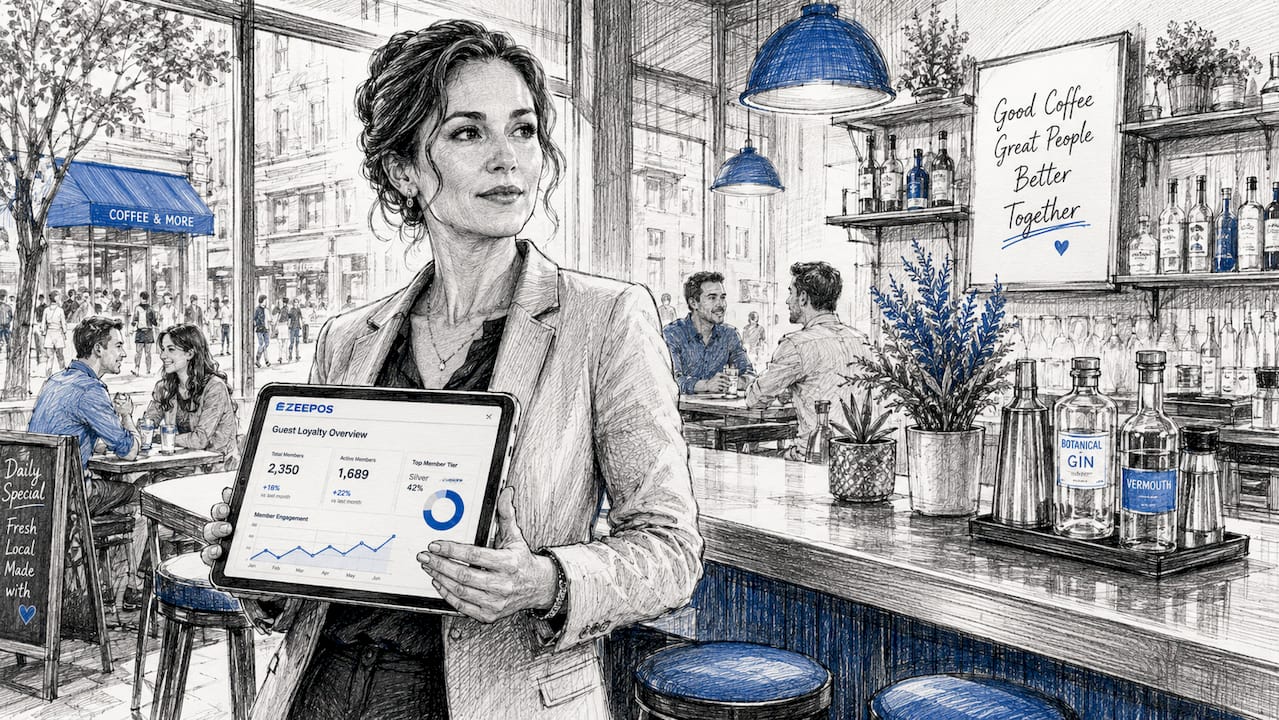
Hospitality loyalty programmes are membership-based reward systems designed to build lasting guest relationships and increase repeat visits through personalised recognition and benefits. Hotel loyalty programme membership reached 675 million globally in 2024, a 14.5% rise that outpaced room supply growth of just 6.7%. That gap tells you something important: guests are actively choosing brands that reward them. Venues that invest in structured loyalty strategies see a 5.2x revenue return on their programme spending. With direct bookings through loyalty schemes generating 60% more revenue than bookings via online travel agencies, the commercial case for hospitality loyalty programs explained properly is impossible to ignore.
What are hospitality loyalty programs and how do they work?
A hospitality loyalty programme is a structured system that rewards guests for repeat visits, direct bookings, and cross-venue spend. Unlike retail loyalty, which rewards frequent small purchases, hospitality loyalty centres on episodic, high-value behaviours. A guest who books a hotel suite directly, dines in the restaurant, and uses the spa in a single stay generates far more value than a customer buying a coffee every morning.
Understanding hospitality loyalty means recognising this distinction. The mechanics vary by model, but the core principle is consistent: track guest behaviour, assign value to it, and return that value in a form the guest finds meaningful. That return might be points, status, exclusive access, or a complimentary upgrade.
The four primary models in use across UK hospitality venues are:
- Points-based programmes: Guests earn points per pound spent and redeem them for rewards. Flexible and familiar, these work well for cafés, bars, and casual dining venues.
- Tiered programmes: Guests progress through status levels (Silver, Gold, Platinum) and unlock enhanced benefits. Tiered models produce 1.8x higher ROI than basic points systems, making them the preferred choice for hotels and multi-outlet groups.
- Paid membership programmes: Guests pay an upfront fee for premium access. The psychological commitment of paying drives higher spend and frequency.
- Value-based or experiential programmes: Rewards centre on exclusive experiences rather than transactional points. Early check-in, private dining events, and curated local recommendations fall into this category.
| Programme Type | Best Suited For | Key Advantage |
|---|---|---|
| Points-based | Cafés, bars, casual dining | Simple to understand and join |
| Tiered | Hotels, multi-outlet groups | 1.8x higher ROI vs points-only |
| Paid membership | Premium venues, members’ clubs | Upfront commitment increases spend |
| Value-based | Luxury hotels, boutique venues | Builds emotional connection |
Pro Tip: If you manage a multi-outlet venue, consider combining a points-based entry level with a tiered upper tier. Guests start easily and have a clear reason to return more often.
How do loyalty programmes build emotional connection?
Transactional rewards alone do not create loyal guests. Emotionally engaged customers spend 60% more annually than those with purely transactional loyalty. That figure reflects a fundamental truth about hospitality: guests remember how you made them feel, not just the discount they received.
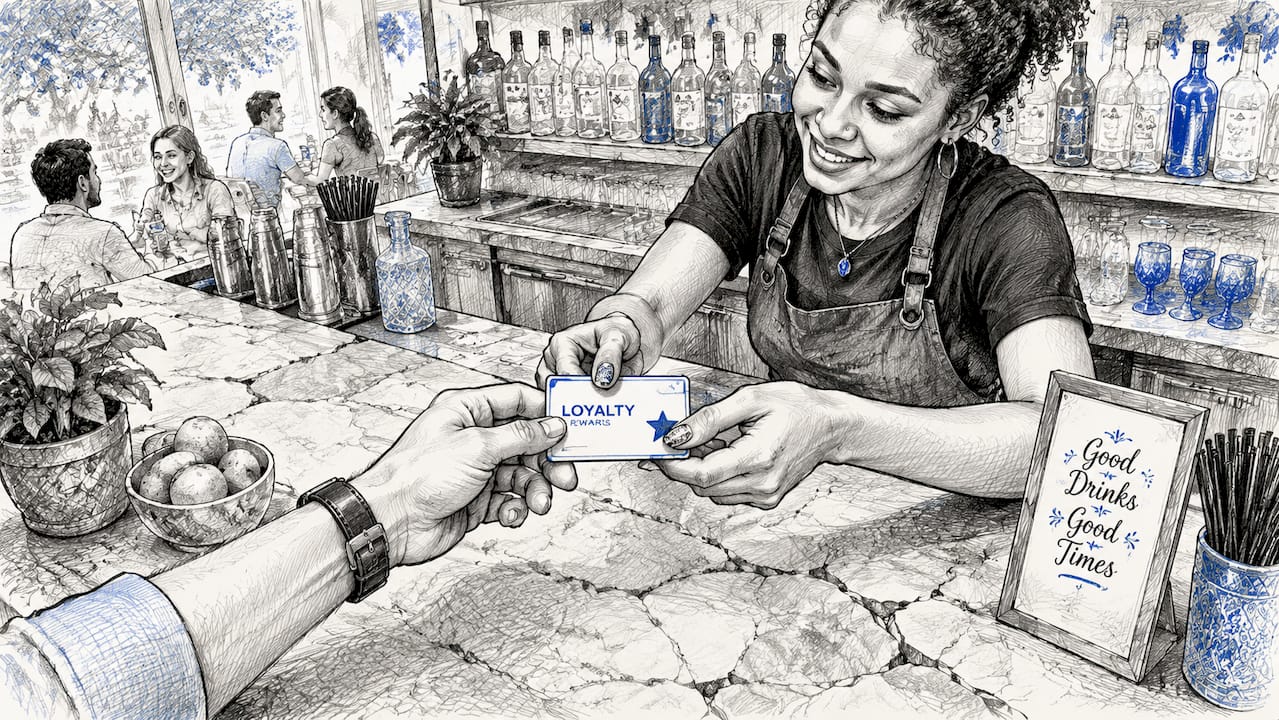
Effective hospitality rewards programmes shift from a simple earn-and-burn model to a portfolio-wide brand ecosystem. Marriott Bonvoy and Hilton Honors are the most cited examples at scale, but the principle applies equally to a regional pub group or a boutique hotel collection. Consistent, personalised recognition across every touchpoint builds the kind of trust that survives a bad experience.
The specific gestures that drive emotional loyalty in hospitality include:
- Personalised room preferences noted and acted upon at every stay
- Early access to new menus, events, or seasonal offers before the general public
- Recognition at arrival by name, with acknowledgement of loyalty status
- Surprise upgrades tied to milestone visits rather than random allocation
“Building genuine emotional connection is crucial in hospitality; without it, loyalty is fragile despite reward availability.” — Propeller
The risk of getting this wrong is measurable. 31% of UK hospitality customers are prepared to switch brands if they feel undervalued. That is not a marginal figure. It means roughly one in three of your regulars is at risk if your programme fails to deliver on its promises.
Purpose washing is the most damaging failure mode. This is where a venue promotes loyalty values it does not operationally deliver. A programme that promises “exclusive recognition” but delivers a generic email and a points statement destroys trust faster than having no programme at all. You can read more about avoiding promotions pitfalls that undermine guest confidence.
Pro Tip: Map your guest journey from booking to checkout and identify every moment where recognition could occur. Most venues miss at least three natural touchpoints where a personalised gesture would cost almost nothing but land with real impact.
What are the technology challenges in running a loyalty programme?
Technology is where most hospitality loyalty programmes fail in practice. Generic retail loyalty apps fail in hospitality because they cannot track the behaviours that matter: direct bookings, multi-outlet spend, referrals, and length of stay. A coffee shop stamp card app has no relevance to a hotel group trying to reward a guest who books a suite, orders room service, and refers a colleague.
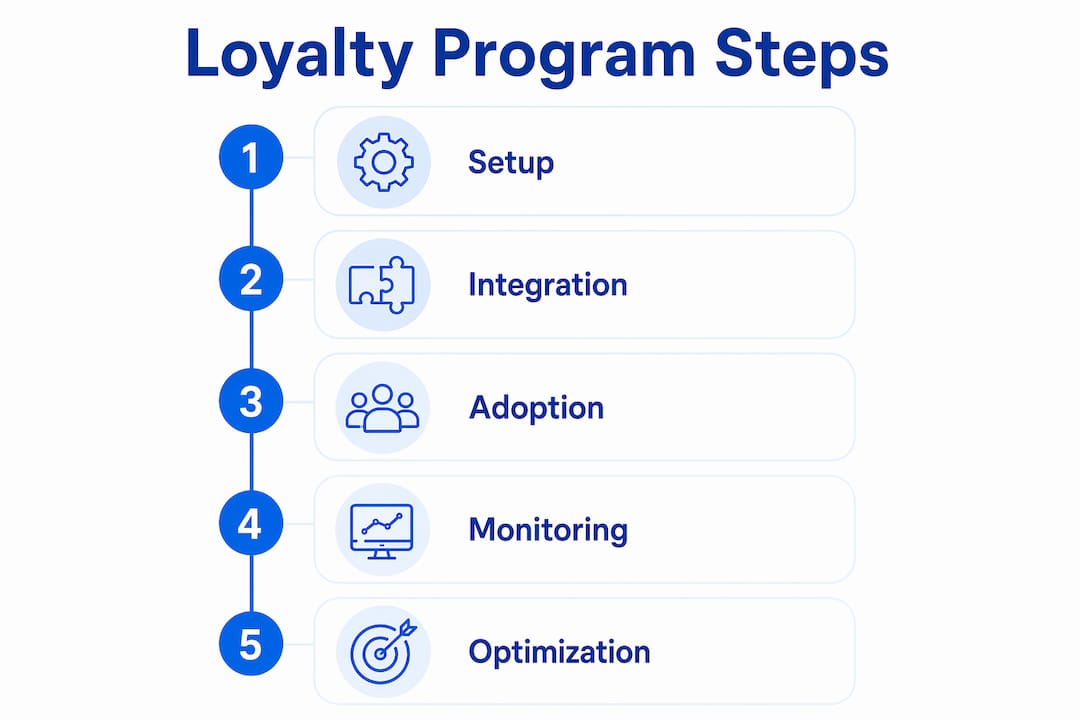
The solution is integration. Integrating loyalty with POS, mobile, and online bookings creates a single guest profile that enables tailored communication and rewards. Without that unified view, your loyalty programme is essentially guessing. You might reward the wrong behaviours, miss high-value guests entirely, or send irrelevant offers that erode rather than build trust.
The operational requirements for a functioning hospitality loyalty system are:
- Unified guest profile: A single record linking bookings, in-venue spend, referrals, and communication preferences.
- POS integration: Every transaction at the bar, restaurant, or spa must feed the loyalty record automatically.
- Frictionless enrolment: Frictionless loyalty models without app downloads improve front-desk adoption and guest participation. Requiring a guest to download an app at check-in is a barrier most will not cross.
- Staff visibility: Front-of-house teams need instant access to guest loyalty status and preferences at the point of service.
- Reporting and analytics: Programme managers need clear data on redemption rates, tier progression, and revenue attribution.
The front desk is the most critical adoption point. If your team cannot see a guest’s loyalty status in under five seconds, the recognition moment is lost. Integrated POS systems that surface guest data at the point of sale solve this problem without adding complexity to the service flow.
How do you design and launch a loyalty programme that works?
Designing a loyalty programme that drives repeat business requires more than choosing a model and printing membership cards. The most successful examples of loyalty programmes for hospitality share a common approach: they start with guest behaviour data, not assumptions.
Follow this sequence when building or rebuilding your programme:
- Audit your guest segments. Identify your highest-value guests by spend, visit frequency, and booking channel. These are your primary loyalty targets. Design your top tier around their behaviours and preferences.
- Select the right model. A city-centre bar group benefits from a points-based digital scheme. A boutique hotel collection benefits from a tiered, experience-led model. Match the structure to how your guests actually behave.
- Set clear, achievable reward thresholds. Guests abandon programmes where the first reward feels too distant. A guest who spends £50 should see tangible value within their first two visits.
- Build consistency across properties. If you operate multiple venues, a guest’s status and preferences must be recognised at every site. Inconsistency is the fastest way to undermine trust in a multi-property portfolio.
- Communicate clearly and regularly. Guests who do not understand how to earn or redeem rewards disengage within 90 days. A monthly statement showing progress and personalised offers keeps the programme front of mind.
- Measure and iterate. Track redemption rates, tier progression, average spend per loyalty member versus non-member, and direct booking conversion. Review quarterly and adjust reward thresholds or tier criteria based on real data.
The most common pitfall is launching a programme without the operational infrastructure to deliver on its promises. A tiered programme that promises “priority service” but has no mechanism to flag loyalty guests to front-of-house staff is a purpose-washing exercise waiting to happen. Build the back-end first, then communicate the benefits.
Pro Tip: Run a soft launch with your top 10% of guests before opening the programme publicly. Their feedback will surface operational gaps you cannot see from the inside, and their early advocacy will generate organic word-of-mouth.
Key takeaways
Hospitality loyalty programmes succeed when they combine the right structural model with integrated technology and genuine, consistent guest recognition at every touchpoint.
| Point | Details |
|---|---|
| Scale of opportunity | Hotel loyalty membership hit 675 million in 2024, proving guest appetite for structured reward schemes. |
| Tiered models outperform | Tiered programmes deliver 1.8x higher ROI than basic points systems and suit multi-outlet venues best. |
| Emotional loyalty drives spend | Emotionally engaged guests spend 60% more annually than those with transactional loyalty only. |
| Technology integration is non-negotiable | A unified POS and booking system is required to track the episodic, high-value behaviours that define hospitality loyalty. |
| Frictionless enrolment wins | Removing app download barriers at the point of enrolment significantly improves staff adoption and guest participation rates. |
Loyalty is a commercial strategy, not a marketing add-on
I have worked with enough hospitality venues to know that loyalty programmes are almost always treated as a marketing department project. They get a brand name, a card design, and a launch email, then they are handed to the front desk with minimal training and even less operational support. Six months later, the redemption rate is embarrassing and the programme quietly disappears.
The venues that get this right treat loyalty as a commercial strategy that sits alongside revenue management and yield planning. They ask the same questions: what behaviour are we trying to drive, what does it cost us to incentivise it, and what is the return? When you frame loyalty that way, the decisions become clearer. You stop offering rewards that feel generous but drive no incremental revenue, and you start designing structures that genuinely change guest behaviour.
The local flexibility point matters more than most operators realise. A loyalty programme designed at group level often fails at property level because the rewards do not reflect what guests at that specific venue actually value. A coastal hotel and a city-centre business hotel serve fundamentally different guests. The programme architecture can be consistent, but the rewards catalogue needs local input.
The technology conversation is unavoidable now. Venues still running loyalty on paper stamps or disconnected spreadsheets are not just inefficient. They are invisible to their own best guests. The customer loyalty tools available to UK hospitality venues today make it straightforward to build a single guest profile that travels with the guest across every touchpoint. That is the foundation everything else is built on.
— John
How Ezeepos supports loyalty programme management
Running a loyalty programme without the right POS infrastructure is like promising guests a personalised experience and then forgetting their name at the door. Ezeepos is built specifically for UK hospitality venues, and its integrated loyalty features track customer spend and visits across every outlet automatically.
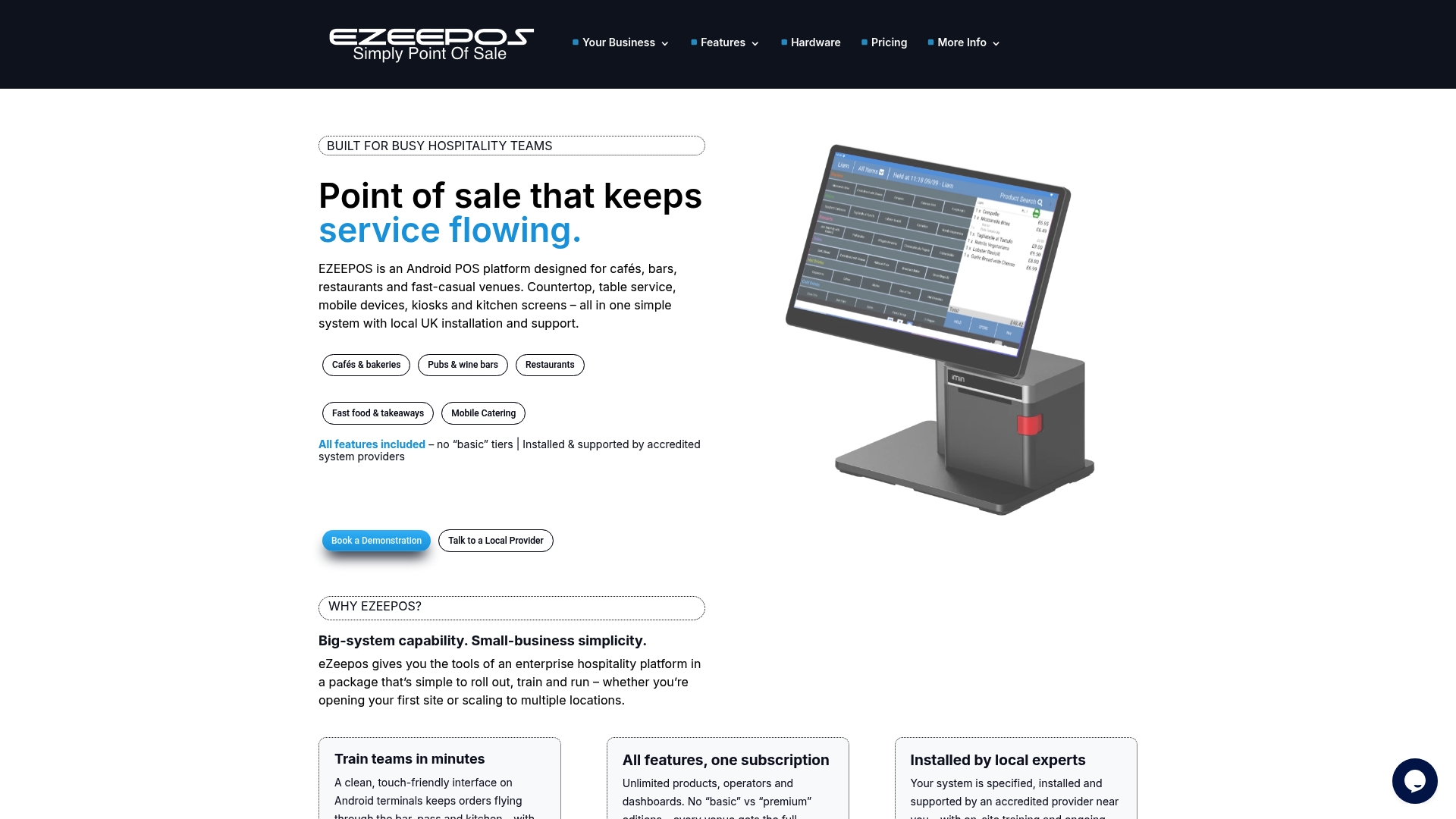
The Ezeepos platform connects your POS, loyalty data, and back-office reporting in one place, giving your team instant visibility of guest status at the point of service. No fragmented systems, no manual reconciliation. For venues serious about turning repeat guests into long-term advocates, Ezeepos POS solutions provide the operational foundation that makes loyalty promises deliverable. Speak to the Ezeepos team to find out how the platform fits your venue.
FAQ
What is a hospitality loyalty programme?
A hospitality loyalty programme is a structured reward system that incentivises guests to return and spend more by offering points, status benefits, or exclusive experiences in exchange for repeat visits and direct bookings.
How do tiered loyalty programmes differ from points-based ones?
Tiered programmes assign guests to status levels with escalating benefits, producing 1.8x higher ROI than basic points systems. Points-based programmes are simpler but generate less behavioural change at the top end of the guest base.
Why do generic retail loyalty apps fail in hospitality?
Retail loyalty apps are built for frequent, low-value transactions and cannot track the episodic, high-value behaviours central to hospitality, such as direct bookings, multi-outlet spend, and referrals, leaving guest data fragmented and unusable.
How many loyalty programme members are there globally?
Hotel loyalty programme membership reached 675 million in 2024, a 14.5% increase that significantly outpaced room supply growth of 6.7%, reflecting strong and growing guest demand for reward schemes.
What is the biggest risk to hospitality loyalty programme success?
Purpose washing is the primary risk: promoting loyalty benefits that the venue cannot operationally deliver destroys guest trust rapidly and is harder to recover from than having no programme at all.
Recent Comments