
Why manual till errors still happen
Even in modern retail and hospitality environments, manual till entry can still cause problems. A mistyped product price, the wrong item added to an order, or a cash and card mismatch at the end of a shift can all create extra work for staff. These issues are often not caused by one major failure, but by small, repeated mistakes at busy times.
For independent businesses, the impact can be frustrating. A few simple errors each day can lead to slower service, more refunds, less confidence in reporting and unnecessary pressure on the team. That is why many UK businesses are looking at how their EPOS workflow is set up, rather than just focusing on the till hardware itself.
If you are reviewing your current setup, eZeePOS offers a practical way to bring more structure into day-to-day checkout work for retail and hospitality businesses.
What a better EPOS workflow looks like
A smarter workflow does not need to be complicated. It simply means the till is set up so staff can complete common jobs with fewer steps, less guesswork and less room for mistakes. That can include clearer product selection, faster access to repeat items, sensible user permissions and cleaner end-of-day checks.
The best systems are those that fit the way the business actually works. A busy cafe, for example, may need quick item entry and clear order notes. A shop may need fast product lookup and fewer opportunities for incorrect prices to be entered manually. In both cases, the goal is the same: make the right action the easy action.
How EPOS can reduce mistakes at the till
1. Fewer manual price entries
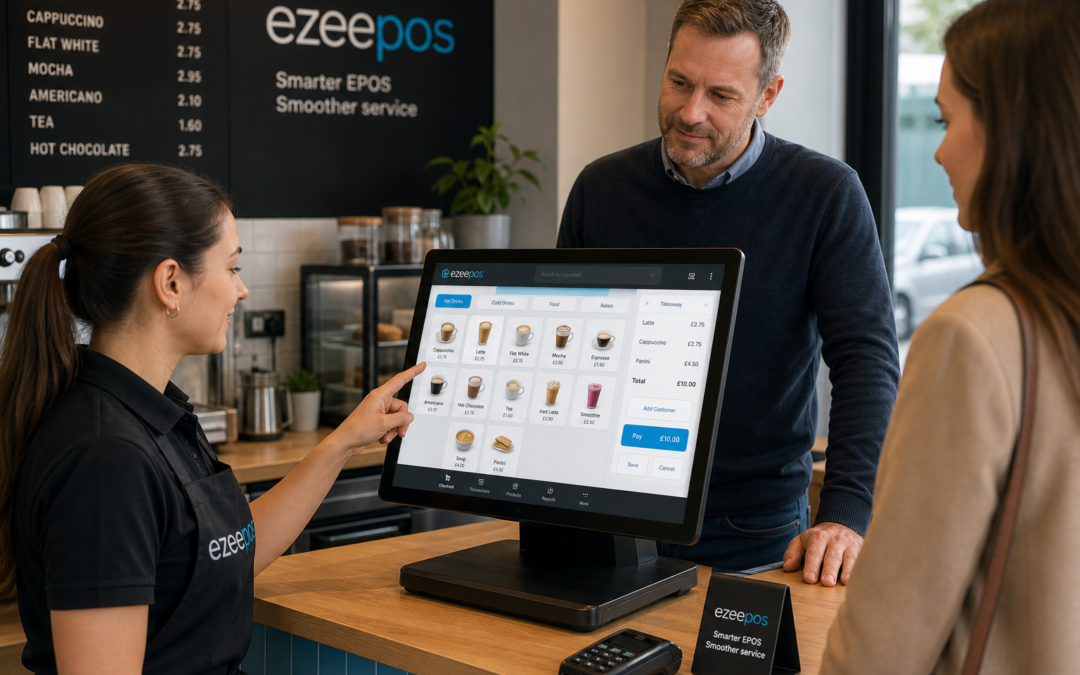
One of the simplest ways to reduce till errors is to avoid typing prices by hand wherever possible. When products, menus or common items are already stored in the EPOS system, staff can tap the correct item instead of entering it manually. That reduces pricing errors and keeps transactions more consistent.
This is especially useful during busy service periods, when staff are under pressure and customers are waiting. The less typing involved, the less chance there is of entering the wrong number.
2. Clearer item selection
Well-organised buttons, categories and product layouts can make a big difference. If staff can find items quickly, they are less likely to choose the wrong one. This matters in both retail and hospitality, where similar products or menu items can easily be confused under pressure.
A tidy screen layout also helps with staff training. New starters can learn the till faster when the most common items are easy to find and consistent across shifts.
3. Better control over discounts and corrections
Correction-heavy tills often create more problems than they solve. If every member of staff can override prices or apply discounts freely, it becomes harder to track what has happened and why. That can lead to honest mistakes as well as avoidable misuse.
Using staff permissions sensibly helps limit these risks. Managers can choose who is allowed to edit prices, issue refunds or apply discounts, which supports better accountability without slowing the whole team down.
4. Cleaner end-of-day checking
Manual errors are often only discovered after the rush has passed. Good EPOS reporting makes it easier to spot unusual discounts, voids or till adjustments before they become bigger issues. That means owners and managers can review what happened during the day without having to piece together the story manually.
For businesses that want to make better decisions from their trading data, this kind of visibility is especially useful. It helps turn the till into a control point, not just a payment point.
Why this matters in retail and hospitality
In retail, manual entry mistakes can affect pricing accuracy, customer trust and even stock records. In hospitality, they can lead to the wrong order reaching the kitchen, a bill needing adjustment, or delays at the counter. The common thread is that small errors take time to fix and can affect the customer experience.
That is why many business owners see EPOS not as a luxury, but as a practical way to keep service moving. A good system helps staff do the right thing quickly, even when the shop or venue is busy.
Retail examples
- Convenience stores with lots of similar items and fast-moving queues
- Gift shops and fashion retailers handling both standard sales and occasional discounts
- Multi-department stores where staff need a clear structure at the till
Hospitality examples
- Cafes needing quick order entry and fewer mistakes during the lunch rush
- Restaurants that want cleaner table orders and fewer correction requests
- Takeaways where speed and accuracy both matter at busy collection points
How payment setups can help reduce errors too
Manual till mistakes are not always about the item list. They can also happen when staff have to key in card values separately or match payment totals by hand. In some businesses, this creates extra stress at the end of the sale and increases the chance of mismatched totals.
For that reason, some businesses also review payment integration options alongside their EPOS setup. If you are exploring card payment workflows, it may be worth discussing options such as Teya and Dojo Payments with YCR Distribution. The aim is not just faster payments, but fewer manual steps and a cleaner process from sale to reconciliation.
That said, the right approach depends on the business, the equipment in use and the overall workflow. The most important factor is choosing a setup that reduces friction rather than adding another layer of manual work.
Practical steps to reduce till errors
If you are looking for straightforward improvements, start with the basics:
- Review your most commonly sold items and make sure they are easy to find on the till
- Remove unnecessary manual price entry where possible
- Set sensible staff permissions for discounts, refunds and voids
- Check whether your current reports make errors easy to spot
- Train new and existing staff on the same till layout and process
These small changes can make a noticeable difference, especially in businesses where the same system is used across multiple shifts or locations.
A more reliable checkout for everyday trading
Reducing manual errors is not just about avoiding mistakes. It is about creating a calmer, more reliable checkout process for staff and customers alike. When the EPOS workflow is designed well, service becomes smoother, reporting is clearer and the team can focus on serving customers rather than correcting avoidable problems.
If you want to explore how a modern UK EPOS setup could support your retail or hospitality business, take a look at www.ezeepos.co.uk. eZeePOS is designed to help independent businesses keep their tills organised, practical and easier to use.
Contact YCR Distribution at sales@ezeepos.co.uk or call 01924 438238.
Recent Comments