
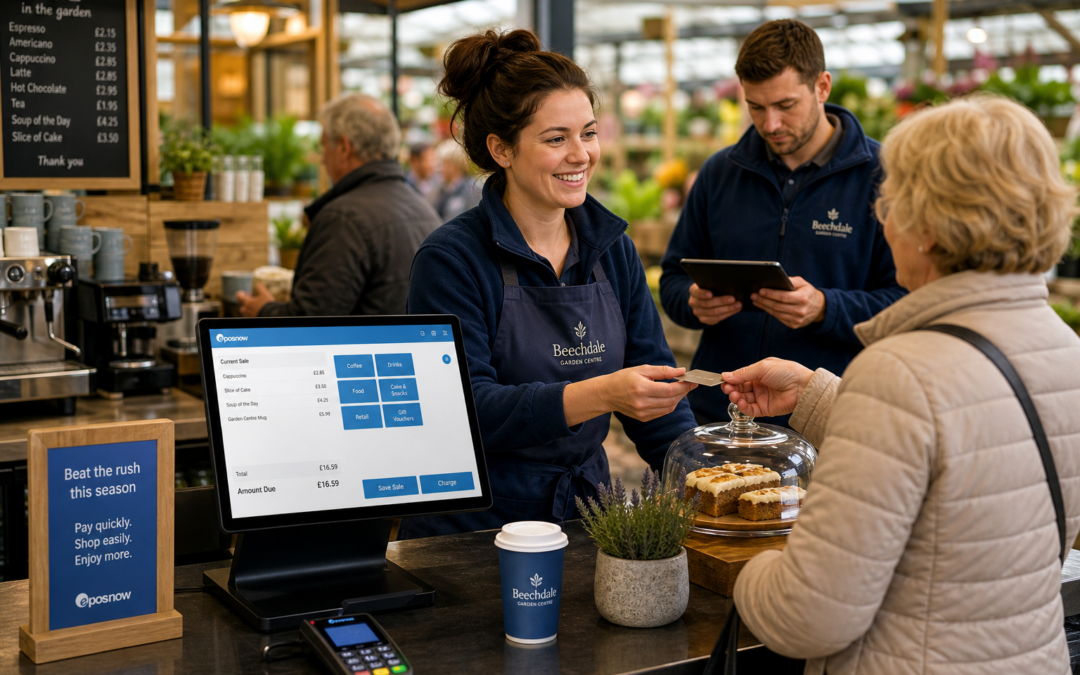
Why seasonal trading puts EPOS systems under pressure
For many UK retailers and hospitality businesses, busy periods are not just a chance to sell more. They are also the times when small weaknesses in the till setup become easiest to see. Longer queues, slower service and more mistakes often appear when footfall rises quickly.
If you run a garden centre, gift shop, café, takeaway, farm shop or seasonal retail unit, it helps to plan ahead rather than react when trade picks up. The right EPOS setup can make those busy stretches feel more manageable, especially when staff numbers, product ranges and customer demand change from week to week. For businesses looking for a practical UK system, eZeePOS is designed to support day-to-day trading in retail and hospitality settings.
What busy seasonal periods usually look like
Seasonal trading can mean different things depending on the business. For some, it is a Christmas rush. For others, it is school holidays, bank holidays, summer weekends or a short trading window tied to local events.
Common pressure points include:
- more customers arriving in a shorter space of time
- temporary or seasonal staff needing to learn the till quickly
- more product changes, offers or menu variations to manage
- less time to deal with till errors or order issues
- greater pressure on reporting, cashing up and end-of-day checks
When the pace increases, a basic till can slow the whole operation down. A well-organised EPOS system helps keep routines simple, even when the trading room feels busy.
How EPOS helps you stay in control
A modern EPOS system is useful during seasonal peaks because it keeps everyday tasks in one place. Staff do not need to switch between separate systems or rely on memory for every transaction. They can find items quickly, apply the right price and process sales with less confusion.
Quicker tills and smoother queues
When customers are waiting, speed matters. Clear product screens, well-structured menus and an easy checkout flow help staff move through sales faster. That can make a noticeable difference in cafés, takeaways and busy retail counters where every extra second adds to the queue.
For businesses with a touchscreen till, the aim is not just convenience. It is consistency. Even during a rush, staff should be able to complete common tasks in the same way every time.
Less training time for temporary staff
Seasonal business often means bringing in extra team members. If they only work for a short period, they need a system that is easy to understand from day one. Good EPOS layout, straightforward buttons and simple processes reduce the amount of training needed before they can start serving customers properly.
That is especially valuable in businesses that cannot afford long delays during peak hours. A system that feels clear and predictable helps temporary staff contribute sooner and with more confidence.
More accurate day-to-day selling
Busy periods can lead to mistakes if staff have to enter items manually or look things up in a hurry. A clear EPOS setup helps reduce that pressure. It can support more accurate pricing, better order handling and cleaner end-of-day records, which are all useful when trade is moving quickly.
Practical ways to prepare before the rush begins
The best time to improve your EPOS setup is before the season starts. Small changes made early often save time later.
- review your product list or menu layout so popular items are easy to find
- group seasonal lines together for quicker access on the till
- check that staff permissions are set clearly for different roles
- make sure reporting is ready for end-of-day and weekly review
- test the checkout flow during a quieter period so issues can be fixed early
For retail businesses, this can include seasonal gifts, festive ranges or event-led products. For hospitality businesses, it may mean simplifying menus, highlighting high-volume items or making sure staff can find common modifiers quickly.
Useful features for seasonal retail and hospitality trading
Not every EPOS feature matters equally during a quiet week, but the right ones become far more valuable when your business is under pressure.
Clear reporting
Seasonal trading matters because it changes fast. Good reporting helps you see what is selling, when trading peaks and which shifts need the most support. That makes it easier to plan staffing, opening hours and stock levels without relying on guesswork. You can also review whether offers or seasonal ranges are doing the job they were meant to do.
Staff permissions
When extra team members are on the till, permissions matter. They help reduce accidental changes to settings, prices or sensitive functions. That keeps day-to-day trading more controlled and lowers the risk of avoidable errors when the business is busiest.
Product lookup and structure
For retailers with a wider range of seasonal items, a strong product lookup setup helps staff reach the right item quickly. In hospitality, clear button layout and sensible menu organisation can save valuable time when customers are ordering in a hurry.
Planning for different business types
Seasonal pressure does not look the same in every business, so the EPOS approach should fit the setting.
Garden centres may need to move quickly between different product categories, while gift shops often need simple lookup for varied seasonal ranges. Cafés and takeaways may benefit from shorter menus, faster order entry and clearer service flow. Farm shops often need a system that supports mixed retail styles without making the counter feel complicated.
The common thread is simple: when trade gets busy, the till should help the team, not slow them down.
Why local support still matters in busy periods
Even the best prepared businesses can run into issues during peak trading. That is why support matters as much as software. If a problem appears when the shop or café is full, you need a practical response that helps you keep trading.
That is one reason many UK businesses look for an EPOS supplier that understands local retail and hospitality needs. With www.ezeepos.co.uk, business owners can explore a setup that is designed for real day-to-day use rather than theory alone.
Conclusion
Busy seasonal trading does not have to mean a stressed team and slow service. With the right EPOS planning, UK businesses can handle peaks more confidently, keep queues moving and give customers a better experience even when trade is at its most demanding.
If you want to make seasonal trading easier to manage, take a look at how eZeePOS supports retail and hospitality businesses across the UK.
Contact YCR Distribution at sales@ezeepos.co.uk or call 01924 438238.
Recent Comments