
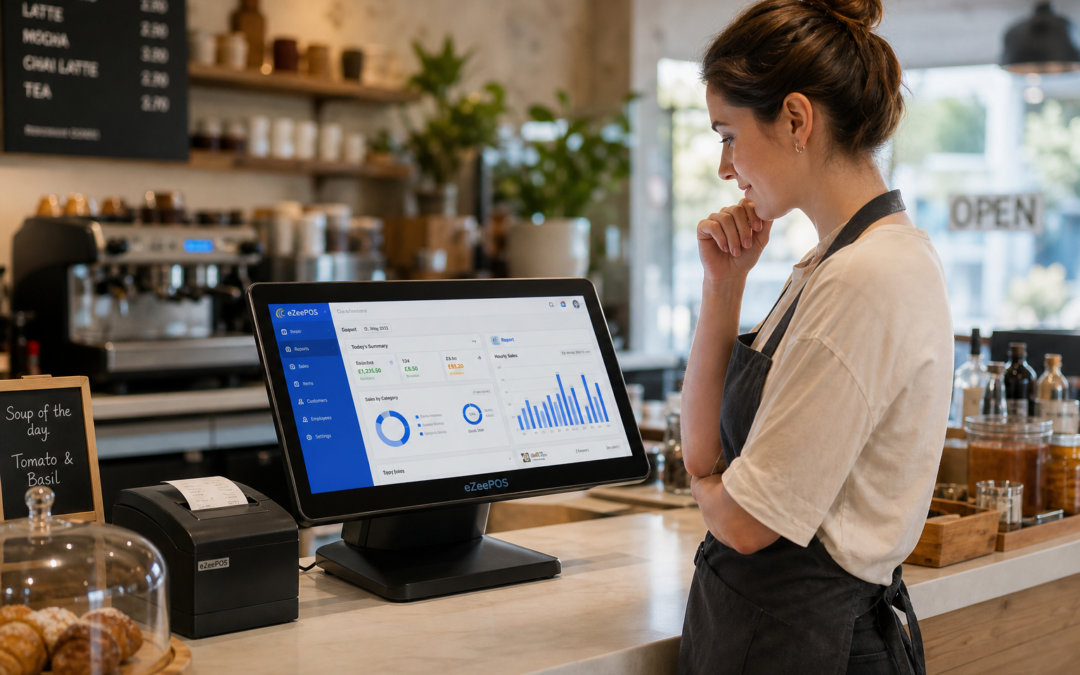
For many independent retailers, cafes and hospitality venues, the challenge is not collecting information. It is knowing what to do with it. A modern eZeePOS setup can turn everyday transactions into practical reports that help owners make better decisions without spending hours on spreadsheets.
At www.ezeepos.co.uk, the focus is on making EPOS useful in real day-to-day trading. That includes sales reporting that is clear enough for busy business owners to use, whether you run a small shop, a cafe, a takeaway or a growing hospitality business.
Why reporting matters more than many small businesses realise
In a busy business, it is easy to rely on instinct. Experience matters, of course, but reports can show you things that are hard to spot during the rush of trading. They can highlight which products sell well, which days are busiest and when your team needs more support at the counter.
That information is useful because it helps you make decisions based on evidence rather than guesswork. Instead of wondering whether a promotion worked, or whether Friday trade is stronger than expected, you can check the numbers and respond more confidently.
What reporting can help you see
- Which products or menu items sell most often
- Which hours, days or seasons are busiest
- How sales change after promotions or price updates
- Which team members are serving at different times
- Whether takings match expectations across a trading day
Turning sales data into practical decisions
The best EPOS reports are not just for end-of-month review. They should help with everyday decisions too. If you can see that mornings are consistently busy, you may decide to open earlier, prepare more stock in advance or roster an extra member of staff. If lunchtime trade is slower than expected, you may change offers or adjust staffing levels.
For retail businesses, reports can also help identify which product ranges deserve more space on display. For hospitality businesses, they can show which dishes, drinks or meal deals drive the most sales. Even simple sales summaries can help owners understand what customers are actually buying.
Examples of useful day-to-day reporting
- Weekly sales summaries to track general performance
- Hourly trading reports to see when the busy periods happen
- Department reports for businesses with mixed product ranges
- Staff sales reports to monitor service patterns and team activity
- Product or category reports to see what customers choose most often
Helping different business types make better choices
Reporting is valuable across many sectors, but the details matter depending on the business type. A farm shop might want to see how deli sales compare with gift items. A cafe might want to compare coffee sales in the morning with lunch trade later in the day. A takeaway may want a clearer picture of peak ordering times and best-selling meals.
For businesses with more than one counter, department or branch, reporting becomes even more useful. It can help you compare performance without having to manually collate figures from different locations. That makes it easier to spot what is working well and where changes may be needed.
Why clear reporting helps reduce manual admin
One of the biggest advantages of a modern EPOS system is that it reduces the need to piece together information from paper tills, cash sheets and separate notes. Reports are generated from actual sales activity, which means less time spent chasing figures and more time running the business.
This does not just save time at the end of the day. It can also make stock planning, rota changes and offer planning feel more manageable. You are not just looking at a total figure; you are starting to understand the story behind it.
What to look for in a reporting setup
If you are comparing EPOS options, think about how easy the reporting functions are to access and understand. A useful setup should not require extensive training every time you want to check performance.
Practical reporting features to consider
- Clear daily, weekly and monthly sales summaries
- Easy-to-read breakdowns by product, department or category
- Staff reporting for managers who need oversight across a shift
- Export options for deeper review where needed
- Simple screens that make information readable at a glance
For many UK businesses, the ideal system is one that keeps reporting straightforward. You need useful information, not more clutter. That is especially important in busy retail and hospitality settings where time is limited.
Using reports alongside the rest of your EPOS system
Reporting works best when it is part of a wider, well-organised EPOS setup. When sales are processed neatly at the till, the report data is more reliable and easier to act on. That is why owner insight, till habits and reporting all work together.
If your business also uses loyalty schemes, promotions or payment integrations, reports can help you see how those choices affect trade. For example, you might track whether a promotion encourages repeat visits or whether certain offers increase basket size during quieter hours. If you use payment integration options such as Teya or Dojo Payments, it can also help keep your payment and sales information easier to review in one place, depending on your setup and the options you discuss with YCR Distribution.
Choosing EPOS that helps you act, not just record
Good business decisions often come from small, clear observations repeated over time. The right reporting tools help you notice those patterns. Instead of relying only on memory, you get a clearer picture of what is happening in your shop, cafe or takeaway.
That is where eZeePOS can be genuinely useful. It gives UK businesses a practical way to manage day-to-day trading and review performance without making the process more complicated than it needs to be.
To learn more about a straightforward EPOS solution for your business, visit www.ezeepos.co.uk. Contact YCR Distribution at sales@ezeepos.co.uk or call 01924 438238.
Recent Comments