
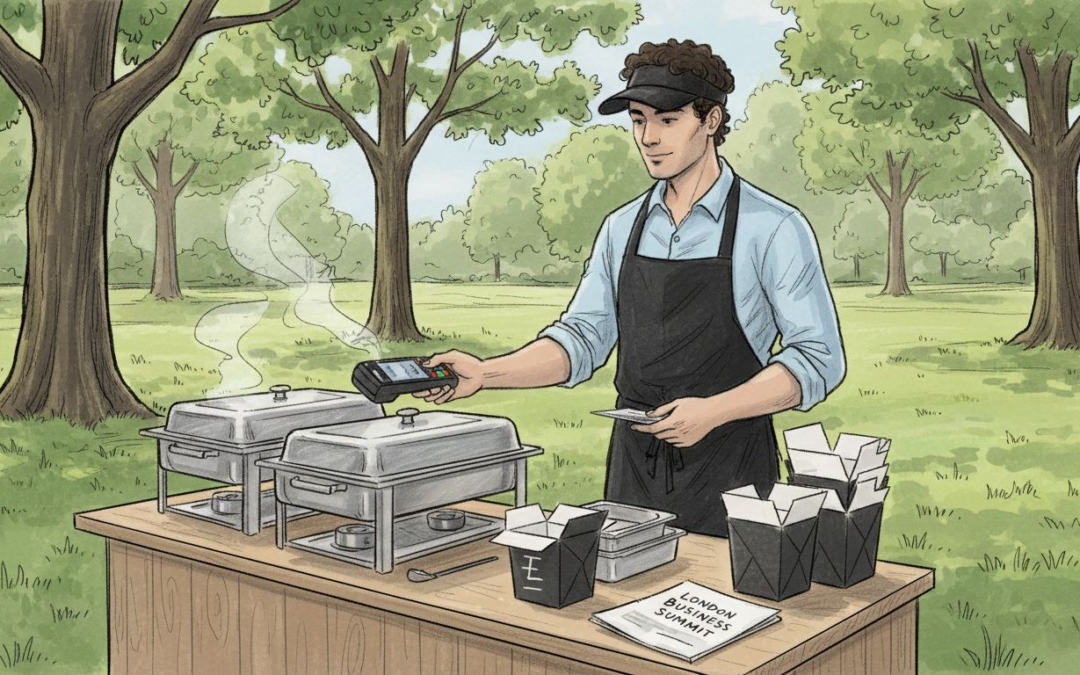
British mobile caterers can lose up to three hours per event manually tracking payments and stock. With customer queues and busy festival crowds, wasting time on outdated processes can mean lost sales and rising stress. Efficient mobile POS systems help caterers process transactions quickly, monitor inventory in real time, and maintain compliance so every event runs smoothly without extra hassle.
Table of Contents
- Mobile POS for Catering Defined
- Key Types and Hardware Variations
- Essential Features for Mobile Catering
- Financial Costs and Payment Security
- Legal Compliance and VAT Obligations
- Mistakes to Avoid at UK Events
Key Takeaways
| Point | Details |
|---|---|
| Mobile POS Systems Enhance Operations | Mobile POS systems facilitate payments, inventory tracking, and sales management for mobile caterers in various environments across the UK. |
| Compliance is Crucial | Catering businesses must adhere to UK legal requirements, ensuring secure and transparent digital transactions that comply with safety and standards regulations. |
| Critical Features for Success | Essential features of mobile POS systems include real-time inventory management, robust payment processing, and allergen tracking for enhanced service quality. |
| Financial Considerations | Caterers should carefully assess transaction fees, initial setup costs, and the importance of security compliance to optimise their financial strategies. |
Mobile POS for Catering Defined
Mobile Point of Sale (POS) systems have revolutionised how catering businesses operate across the United Kingdom, providing dynamic transaction solutions for mobile food traders, festival vendors, and event caterers. These portable technological platforms enable businesses to process payments, track inventory, and manage sales efficiently while operating in diverse and often unpredictable environments.
At its core, a mobile POS represents a comprehensive digital system that transforms smartphones, tablets, or dedicated handheld devices into complete payment processing and business management tools. Mobile caterers can conduct transactions beyond traditional premises, tracking sales, managing stock, and generating real-time financial reports directly from event locations. These systems are particularly crucial for businesses operating in temporary settings like music festivals, street food markets, agricultural shows, and corporate catering events.
The functionality of mobile POS extends far beyond simple payment collection. Modern systems integrate multiple critical business operations including sales tracking, inventory management, customer data collection, and compliance reporting. For UK mobile caterers, these systems must adhere to specific legal requirements, such as those outlined by the National Catering Association for Safety and Standards (NCASS), ensuring that digital transactions remain secure, transparent, and legally compliant.
Pro tip: When selecting a mobile POS system, prioritise solutions offering offline transaction capabilities, real-time inventory synchronisation, and comprehensive reporting features to maximise your operational efficiency.
Key Types and Hardware Variations
Mobile catering POS systems offer diverse hardware configurations designed to meet the unique demands of dynamic food service environments. Hardware variations range from compact handheld devices to integrated system solutions, enabling caterers to select equipment that precisely matches their operational requirements and event specifications.
The primary hardware categories for mobile catering POS include smartphones and tablets, dedicated handheld payment terminals, ruggedised devices, and portable card readers. Smartphones and tablets represent the most versatile options, allowing caterers to transform their existing devices into comprehensive point-of-sale systems. These platforms support multiple payment methods, inventory tracking, and real-time financial reporting through specialised software applications. Ruggedised devices, specifically engineered for outdoor and high-impact environments, provide additional durability for festival and street food traders who require equipment capable of withstanding challenging conditions.
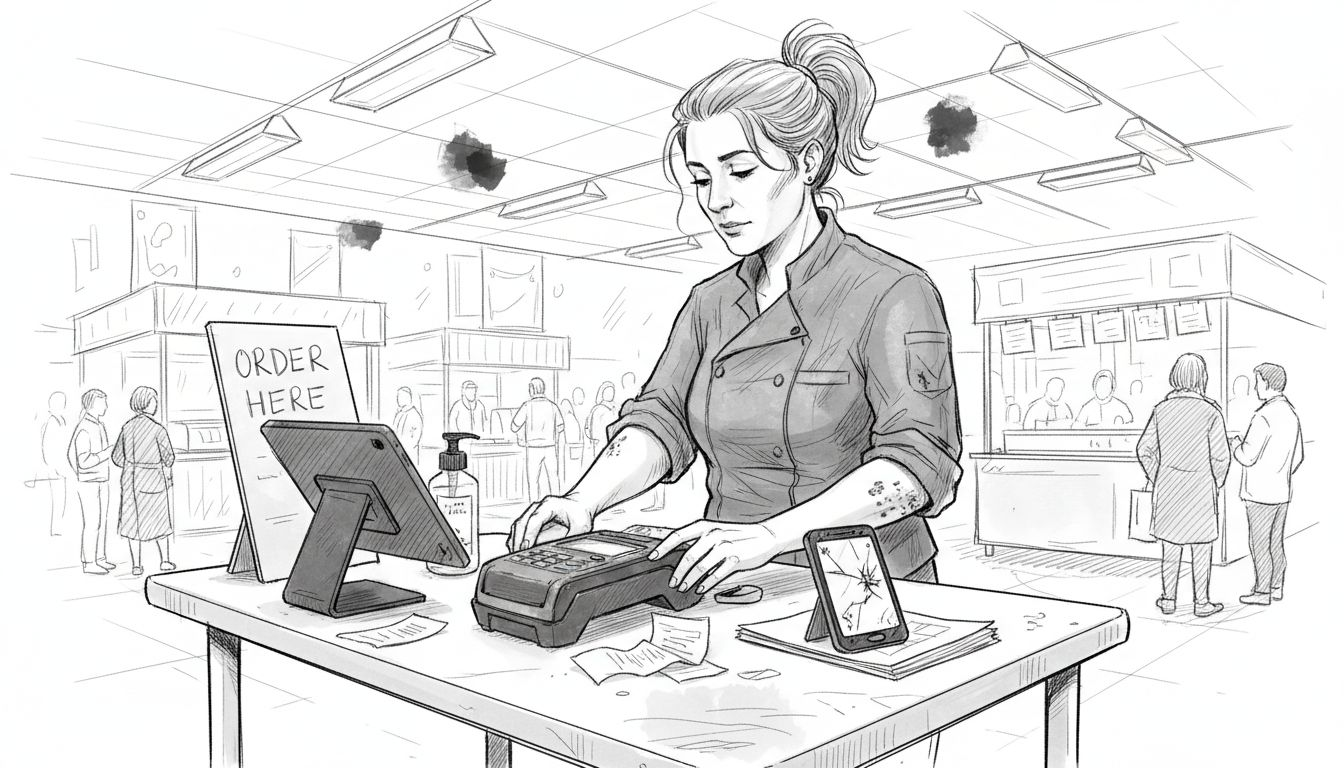
Specialised mobile catering hardware must address several critical considerations beyond basic transaction processing. Compliance with UK electrical and data protection standards is paramount, requiring devices that offer secure payment gateways, robust data encryption, and reliable offline transaction capabilities. Professional-grade mobile POS solutions often incorporate additional features like integrated barcode scanning, customer display screens, thermal receipt printers, and cloud-based synchronisation to support comprehensive business management.
Pro tip: When selecting mobile POS hardware, prioritise devices with long battery life, weatherproof design, and compatibility with multiple payment platforms to ensure seamless operations across diverse catering environments.
Here is a quick comparison of popular mobile POS hardware types for catering:
| Hardware Type | Durability Level | Payment Flexibility | Ideal Usage Scenario |
|---|---|---|---|
| Smartphone/Tablet | Moderate – fragile | High – multi-pay support | Urban pop-ups, festivals |
| Handheld Terminal | High – robust build | Moderate – card preference | Outdoor events, busy markets |
| Ruggedised Device | Extreme – weatherproof | High – all payment types | Agricultural shows, street trading |
| Portable Card Reader | Low – basic resistance | Variable – card only | Quick payments, limited menu events |
Essential Features for Mobile Catering
Mobile catering Point of Sale (POS) systems must integrate a comprehensive suite of features tailored to the unique challenges of UK food service events. Food safety compliance remains a critical operational requirement for mobile caterers, demanding systems that can seamlessly manage complex regulatory needs while maintaining efficient service delivery.
The core essential features for mobile catering POS systems include robust payment processing, real-time inventory management, and comprehensive reporting capabilities. Allergen tracking stands out as a particularly crucial function, enabling caterers to provide immediate, accurate information about potential food sensitivities. These systems must support multiple payment methods, including contactless transactions, mobile wallets, and traditional card payments, ensuring flexibility for customers across different event environments. Advanced POS platforms also incorporate features like customer data collection, loyalty programme integration, and digital receipt options to enhance overall service quality.
UK food safety regulations require mobile catering systems to provide detailed documentation and traceability. This means modern POS solutions must offer capabilities such as ingredient sourcing tracking, temperature monitoring for prepared foods, and instant hygiene certification display. Additional critical features include offline transaction processing for events with unreliable internet connectivity, automatic tax calculation, and seamless integration with accounting and stock management software.
Pro tip: Select a mobile POS system that offers comprehensive training resources and ongoing technical support to ensure your team can leverage all essential features effectively during high-pressure catering events.
Financial Costs and Payment Security
Mobile catering businesses must carefully navigate the complex landscape of financial investments and payment security when implementing Point of Sale (POS) systems. Payment service providers require stringent consumer protection mechanisms, introducing multiple cost considerations that directly impact a catering operation’s financial strategy.
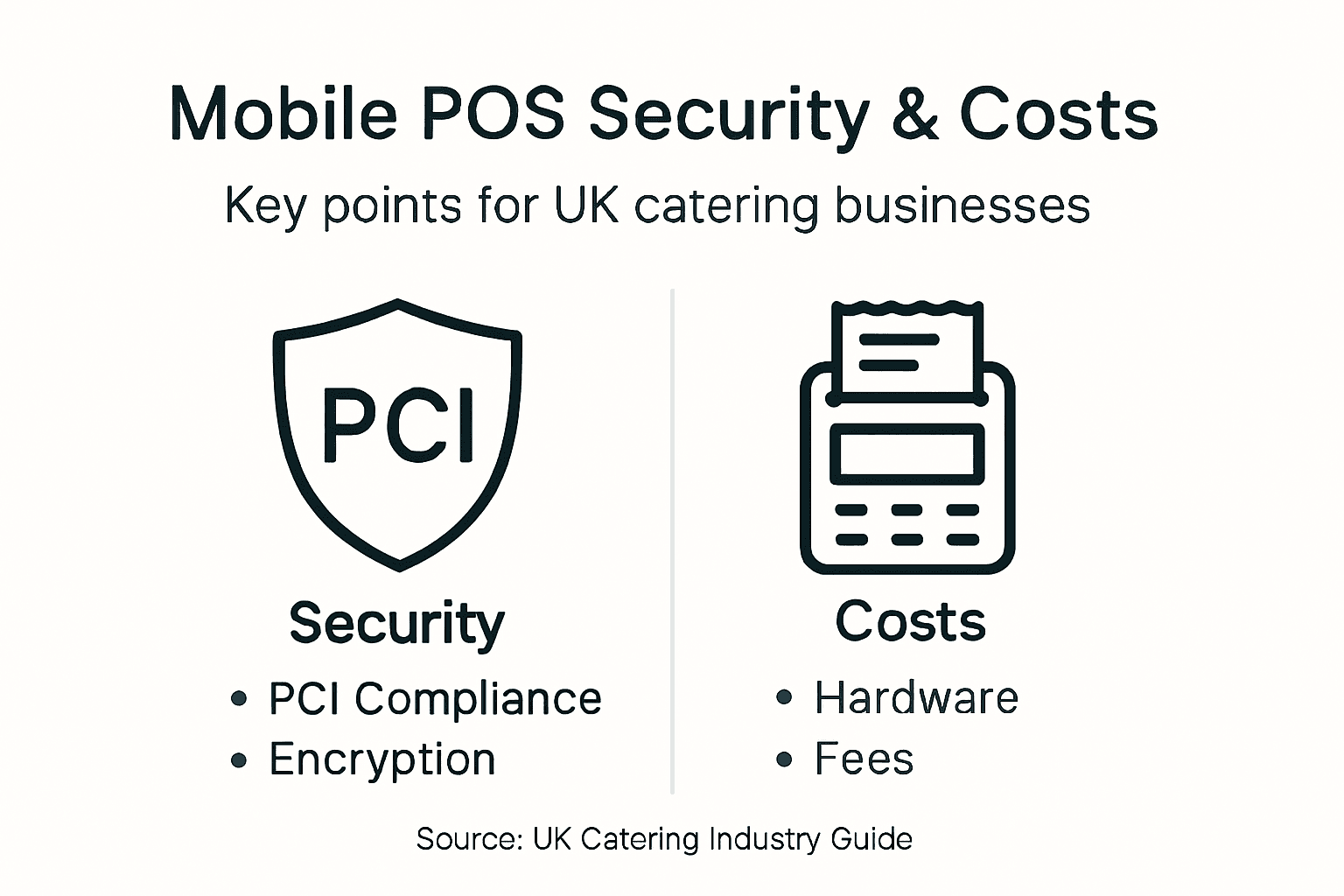
The primary financial components of mobile POS systems include initial hardware investments, ongoing software subscriptions, and transaction processing fees. Transaction fees typically range between 1.5% to 3.5% per payment, varying based on card type, transaction volume, and provider selection. Mobile caterers must also budget for additional expenses such as mobile internet connectivity, secure payment terminals, and potential upgrade costs. Some providers offer tiered pricing structures, with lower percentage rates available for businesses processing higher monthly transaction volumes, creating opportunities for cost optimisation as the business scales.
Security compliance represents a critical financial consideration for mobile catering enterprises. Implementing Payment Card Industry Data Security Standard (PCI DSS) compliant systems helps protect against potential financial risks, including fraud and data breaches. Modern mobile POS solutions incorporate advanced encryption technologies, tokenisation of payment details, and real-time fraud detection mechanisms. These security features not only protect financial transactions but also build customer trust, potentially reducing long-term financial liability and reputational damage risks associated with payment system vulnerabilities.
Pro tip: Conduct a comprehensive cost-benefit analysis of potential payment providers, comparing transaction fees, security features, and scalability to ensure your mobile catering business achieves optimal financial efficiency.
Below is a summary of financial and security considerations for mobile catering POS systems:
| Cost Factor | Typical Range/Feature | Business Impact |
|---|---|---|
| Transaction Fees | 1.5%–3.5% per transaction | Influences profit margins |
| Hardware Investment | £100–£700 upfront | Affects initial setup expenditure |
| Subscription Costs | £15–£79 monthly | Recurring financial commitment |
| Security Compliance | PCI DSS, encryption required | Protects against fraud, builds trust |
Legal Compliance and VAT Obligations
Mobile catering businesses operate within a complex regulatory landscape that demands meticulous attention to legal requirements and financial reporting standards. UK food service regulations impose strict compliance obligations covering everything from food hygiene to business licensing and tax responsibilities.
The primary legal considerations for mobile caterers centre around VAT registration and reporting. VAT thresholds currently mandate registration when annual turnover exceeds £90,000, requiring businesses to charge the standard 20% rate on most food and beverage sales. Mobile caterers must maintain comprehensive financial records, tracking all transactions, input VAT, and ensuring accurate quarterly or annual submissions to HM Revenue and Customs. Failure to comply can result in significant financial penalties and potential legal complications that could disrupt business operations.
VAT place of supply regulations significantly impact mobile catering businesses, particularly those operating across multiple event locations. Different event types may require specific permits, such as Temporary Event Notices, which introduce additional layers of regulatory complexity. Mobile caterers must also navigate employment laws, health and safety regulations, gas and electrical safety standards, and food hygiene requirements. This multifaceted legal landscape demands proactive management and potentially professional legal and accounting support to ensure full compliance.
Pro tip: Invest in robust accounting software and consider consulting with a specialist accountant who understands the unique legal complexities of mobile catering businesses to maintain seamless regulatory compliance.
Mistakes to Avoid at UK Events
Mobile catering businesses must navigate a minefield of potential operational pitfalls that can compromise their event success and legal standing. UK hospitality regulations demand rigorous compliance, making it critical to understand and proactively address common mistakes that can derail mobile catering operations.
One of the most significant errors mobile caterers make involves inadequate staff preparation and technical training. Payment system competence requires comprehensive staff training on mobile POS devices, ensuring swift and accurate transaction processing. Insufficient staff knowledge can lead to prolonged customer waiting times, transaction errors, and potential revenue losses. Common technical mistakes include failing to test internet connectivity beforehand, not having backup payment methods, and neglecting offline transaction capabilities which are crucial during network disruptions at outdoor events.
Safety compliance represents another critical area of potential mistakes, particularly regarding gas, electrical, and food hygiene standards. Mobile caterers must meticulously maintain all statutory documentation, including gas safety certificates, electrical testing records, and comprehensive allergen information. Neglecting these requirements can result in substantial fines, potential event exclusion, and significant reputational damage. Additional critical errors include inadequate stock management, poor temperature control for prepared foods, and insufficient understanding of event-specific licensing requirements.
Pro tip: Create a comprehensive pre-event checklist covering technical equipment, staff training, legal documentation, and safety compliance to systematically eliminate potential operational mistakes.
Streamline Your Mobile Catering Operations with EZEEPos
Managing payments, stock, and compliance at fast-paced UK events can be challenging for mobile caterers. The article highlights key hurdles like ensuring secure payment processing, handling real-time inventory, and maintaining legal compliance while working in temporary and unpredictable environments. With demands for offline capabilities and smooth transaction flow, anything less than a reliable POS system can lead to longer queues, lost sales, and compliance risks.
EZEEPos offers a tailored solution designed specifically for hospitality and mobile catering needs. Our Android-based platform supports multiple service modes including mobile POS for catering, enabling you to accept contactless payments, track inventory, and generate detailed reports on the go. With hardware options ranging from handheld devices to tablets and integrated EFT terminals you get a complete system that addresses durability and payment flexibility challenges. We simplify staff training and offer full feature access with local UK support so your team can focus on delivering quality service without technical mishaps.
Discover how EZEEPos can transform your mobile catering setup today by visiting our Hospitality category page.
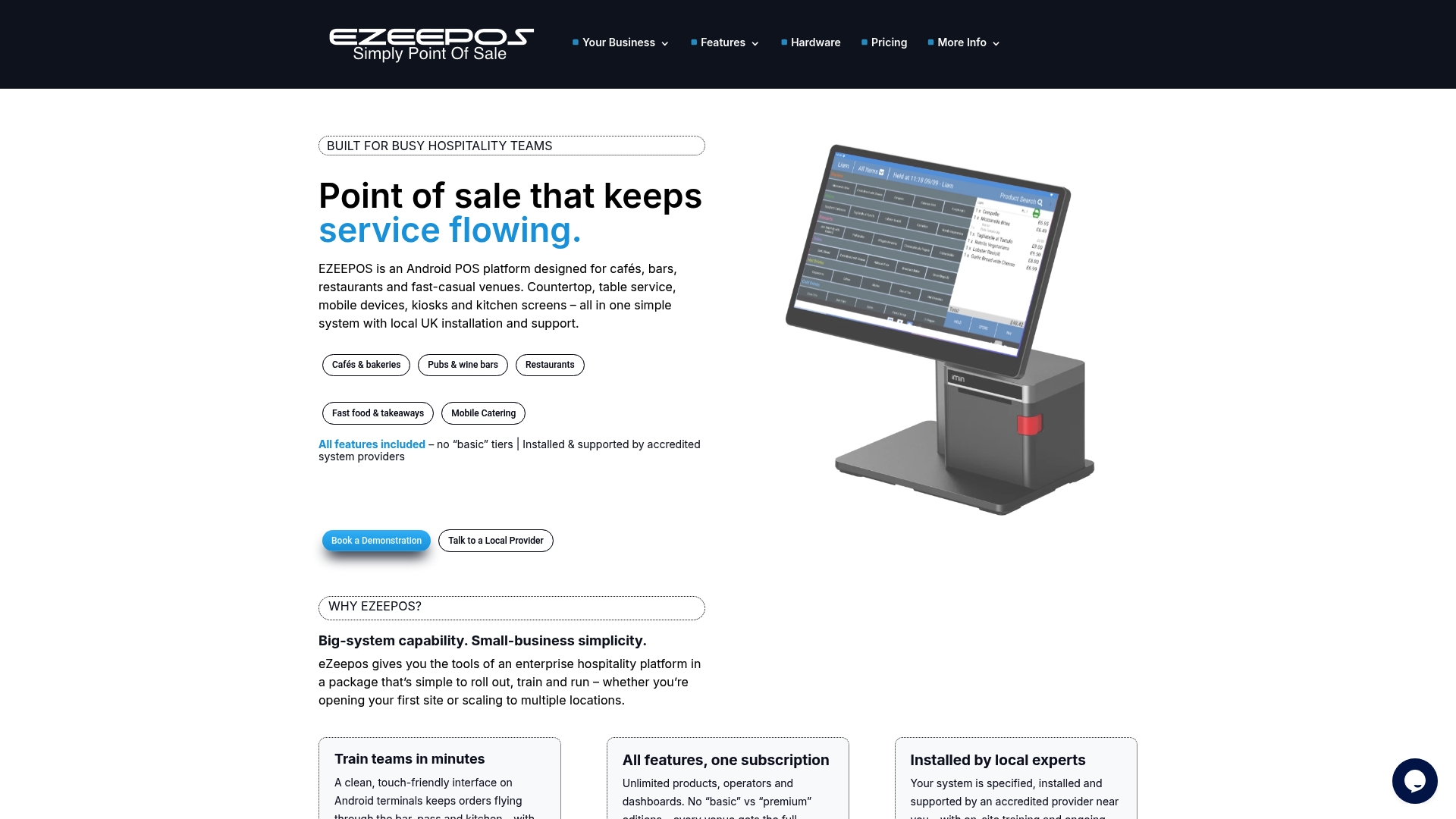
Take control of your catering events with a reliable, secure, and flexible POS system made for busy UK operators. Visit https://ezeepos.co.uk and explore our full range of EFT terminals to find the perfect fit for your business needs. Act now to elevate your event operations and stay ahead in the competitive catering market.
Frequently Asked Questions
What is a mobile POS system for catering?
A mobile POS system for catering is a digital platform that transforms smartphones, tablets, or dedicated devices into complete payment processing and business management tools, allowing catering businesses to operate efficiently across various event settings.
What features should I look for in a mobile POS system for catering?
Key features to consider include robust payment processing, real-time inventory management, allergen tracking, offline transaction capabilities, and integration with customer loyalty programmes to enhance service quality and compliance with food safety regulations.
How can mobile POS systems improve my catering operations?
Mobile POS systems streamline transaction processes, track sales and inventory in real time, manage customer data efficiently, and ensure compliance with legal requirements, ultimately enhancing operational efficiency and customer satisfaction at events.
What are the security features of mobile POS systems?
Mobile POS systems should include security compliance with standards like PCI DSS, advanced encryption technologies, tokenisation of payment details, and real-time fraud detection mechanisms to protect financial transactions and build customer trust.
Recent Comments