

Over 80 percent of British hospitality businesses report wasting profits due to poor inventory management. For restaurant and café owners across the United Kingdom, finding reliable ways to control stock can mean the difference between steady growth and mounting losses. If you want to reduce waste and gain tighter control over every ingredient, modern POS systems now offer solutions tailored to the unique demands of British kitchens and service operations.
Table of Contents
- Defining POS Systems In Inventory Control
- Key Inventory Features In POS Platforms
- How Real-Time Tracking Minimises Waste
- Implementing POS Solutions In Hospitality Venues
- Common Pitfalls And How To Avoid Them
Key Takeaways
| Point | Details |
|---|---|
| Importance of POS Systems | POS systems are essential for effective inventory management, providing accurate stock tracking and compliance with food safety regulations. |
| Real-Time Tracking Benefits | Implementing real-time tracking minimises food waste by enabling precise monitoring and proactive stock management. |
| Staff Training is Crucial | Comprehensive training on POS systems is vital to prevent errors, ensuring accurate inventory control and operational efficiency. |
| Strategic Implementation Approach | A phased strategy for POS implementation, including proper training and support, enhances user adoption and system integration. |
Defining POS Systems in Inventory Control
A Point of Sale (POS) system represents a sophisticated technological solution designed to track, manage, and optimise inventory processes within hospitality businesses. These integrated digital platforms go far beyond simple transaction recording, serving as comprehensive control mechanisms that transform how restaurants, cafés, and catering establishments manage their stock and operational workflows.
In the United Kingdom’s dynamic hospitality sector, POS systems play a critical role in maintaining precise stock control mechanisms. They enable businesses to monitor ingredient usage, track product movements, and generate real-time reports that provide granular insights into inventory performance. By capturing every transaction and automatically updating stock levels, these systems eliminate manual record-keeping errors and create a transparent, auditable trail of all inventory interactions.
POS systems integrate seamlessly with broader business management processes, particularly in food safety compliance. They assist businesses in monitoring food stock and usage within regulatory frameworks, ensuring that inventory management aligns with safety standards. Key functionalities include automatic stock level updates, low-stock alerts, precise usage tracking, and comprehensive reporting capabilities that support informed decision-making.
Top tip: Invest time in training your team thoroughly on your POS system’s inventory features to maximise its potential and minimise human error in stock management.
Key Inventory Features in POS Platforms
Modern POS platforms offer a comprehensive suite of inventory management features specifically designed to address the unique challenges of the UK hospitality sector. These advanced systems provide real-time tracking and sophisticated analytical tools that transform how businesses manage their stock, reduce waste, and maintain operational efficiency.
Crucial inventory features include precise stock tracking and usage analysis. Such systems enable businesses to monitor ingredient consumption, identify product demand patterns, and generate detailed reports that offer granular insights into inventory performance. By capturing every transaction and automatically updating stock levels, these platforms eliminate manual record-keeping errors and create a transparent audit trail of all inventory movements.

Moreover, these systems integrate robust food safety compliance mechanisms. POS platforms support critical inventory management tasks by providing tools for monitoring stock levels and managing corrective actions. Key functionalities encompass automatic stock level updates, real-time low-stock alerts, precise usage tracking, and comprehensive reporting capabilities. These features not only support operational decision-making but also ensure compliance with stringent food safety regulations and standard operating procedures.
Top tip: Configure your POS system’s inventory alerts to notify key staff members about critical stock levels, preventing potential service disruptions and ensuring continuous ingredient availability.
The following table summarises how key POS inventory features support hospitality business outcomes:
| POS Feature | Operational Benefit | Impact on Business |
|---|---|---|
| Real-time stock updates | Minimises manual errors | Improves inventory accuracy |
| Usage analytics | Highlights demand patterns | Reduces overstocking |
| Automated low-stock alerts | Prevents service disruption | Ensures ingredient availability |
| Compliance reporting | Supports regulatory adherence | Reduces food safety risks |
How Real-Time Tracking Minimises Waste
Real-time tracking represents a revolutionary approach to inventory management in the UK hospitality sector, offering unprecedented capabilities for reducing food waste and optimising resource allocation. By leveraging advanced digital technologies, restaurants and catering businesses can now monitor stock levels with remarkable precision, transforming traditional inventory management practices.
Digital tracking technologies enable continuous monitoring of ingredient consumption, expiration dates, and usage patterns. This sophisticated approach allows hospitality venues to make immediate, data-driven decisions about stock management. By providing instant visibility into inventory levels, these systems help businesses predict demand more accurately, adjust purchasing strategies, and prevent over-ordering of perishable ingredients that might otherwise end up as waste.
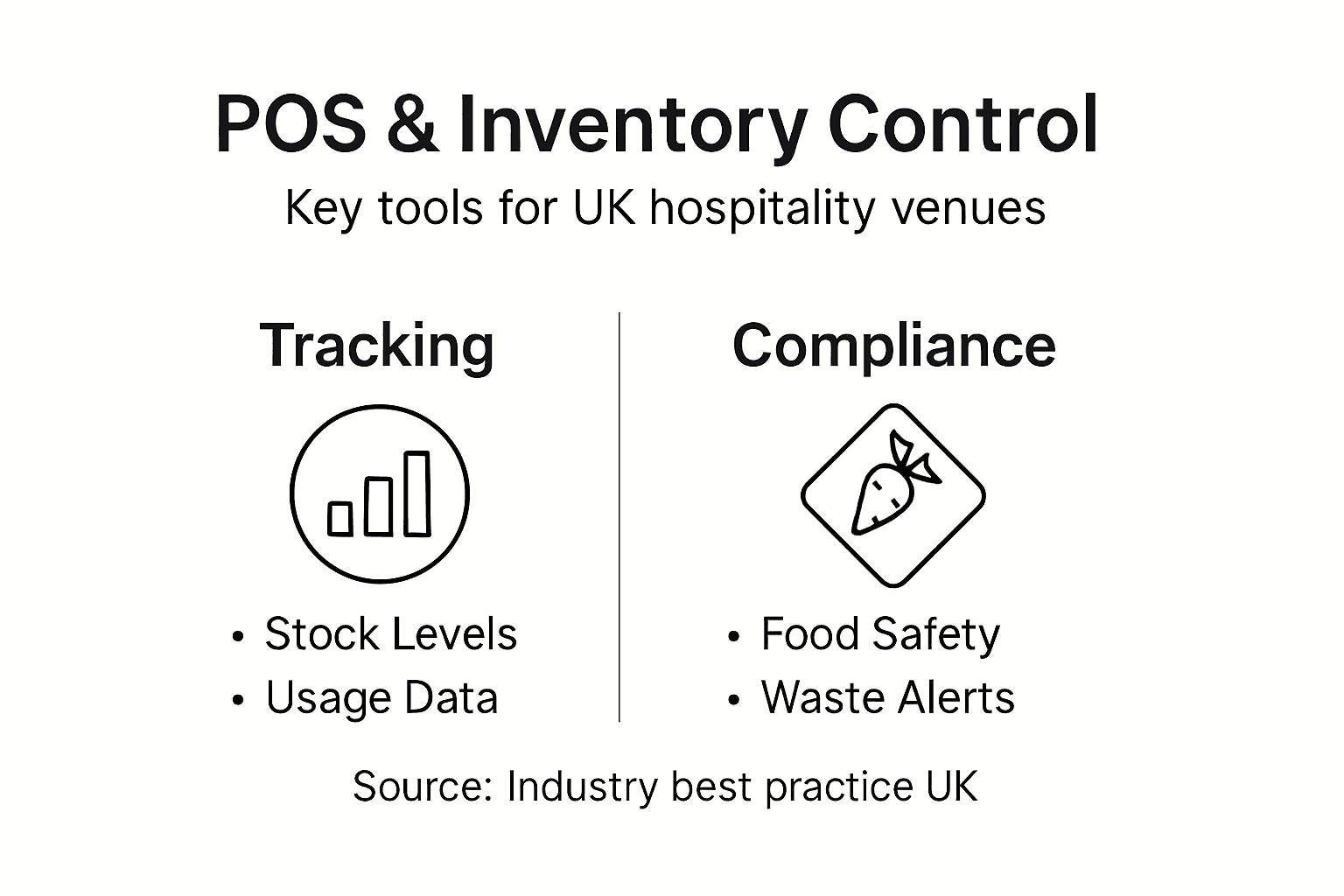
Research from leading UK universities demonstrates how real-time inventory systems support waste reduction by offering granular insights into stock consumption. These advanced platforms can automatically generate alerts about impending expiration dates, suggest menu adjustments based on current inventory, and provide comprehensive analytics that highlight potential waste points. Such proactive management not only reduces financial losses but also supports broader sustainability objectives by minimising unnecessary food disposal.
Top tip: Configure your inventory tracking system to generate weekly waste reports, helping you identify and address consistent patterns of overordering or ingredient spoilage.
Implementing POS Solutions in Hospitality Venues
Successful implementation of POS solutions in UK hospitality venues requires a strategic, comprehensive approach that goes beyond simple technology adoption. These digital platforms represent transformative tools that can fundamentally reshape operational efficiency, communication, and administrative management across restaurants, cafés, and catering businesses.
The process of digital technology integration involves multiple critical stages. Hospitality operators must carefully assess their existing systems, identify specific operational needs, and develop a structured implementation plan. This typically includes comprehensive staff training, gradual system rollout, and continuous performance monitoring to ensure smooth technological transition and maximum user adoption.
Professional membership bodies and industry associations play a crucial role in guiding POS implementation. Procurement frameworks and collaborative approaches help venues select appropriate technologies, consolidate supplier relationships, and establish continuous improvement mechanisms. The implementation process should focus not just on technological installation, but on creating a holistic ecosystem that enhances operational efficiency, reduces administrative burdens, and ultimately improves customer service quality.
Top tip: Develop a phased implementation strategy that includes comprehensive staff training, piloting in low-risk environments, and creating dedicated support channels for technology adoption.
Here is a quick comparison of common POS implementation approaches in hospitality venues:
| Approach | Advantages | Challenges |
|---|---|---|
| Gradual rollout | Minimises disruption | Slower full adoption |
| Immediate full deployment | Rapid system integration | Higher risk of errors |
| Staff pilot programmes | Identifies training needs | Limited initial impact |
| Dedicated support channels | Boosts user confidence | Requires extra resources |
Common Pitfalls and How to Avoid Them
Navigating the complex landscape of POS inventory management requires a proactive approach to identifying and mitigating potential operational challenges. Hospitality businesses must remain vigilant about the numerous pitfalls that can undermine their inventory control strategies and overall operational efficiency.
One of the most critical challenges involves inadequate staff training and internal controls. Without comprehensive education on system usage and standard operating procedures, employees may inadvertently introduce errors that compromise inventory accuracy. These mistakes can cascade into significant issues such as over-ordering, stock discrepancies, increased waste, and potential financial losses. Successful venues invest substantial time in developing robust training programmes that ensure every team member understands their role in maintaining precise inventory management.
Another significant pitfall centres on poor integration with food safety management systems. Food safety compliance risks can emerge when POS systems are not properly aligned with critical control points and regulatory requirements. This misalignment can lead to potentially dangerous gaps in stock monitoring, potentially exposing businesses to health code violations and compromising customer safety. Effective implementation requires a holistic approach that seamlessly connects inventory tracking with food safety protocols, creating a comprehensive ecosystem of operational management.
Top tip: Conduct monthly system audits and staff refresher training to continuously identify and address potential inventory management vulnerabilities.
Elevate Your Hospitality Inventory Control with EZEEPos Solutions
Managing inventory efficiently remains a pressing challenge for UK hospitality businesses aiming to reduce waste, prevent stock shortages, and maintain seamless food safety compliance. The article highlights how real-time stock updates, low-stock alerts, and detailed usage analytics are critical for operational success. With the fast pace and complexity of hospitality environments, having a reliable POS system that truly integrates these features transforms inventory control from a source of constant stress into a strategic advantage.
Discover how the Hospitality – EZEEPos Solution is specifically engineered to address these challenges. Our Android-based POS platform offers unified management of sales, inventory, staff, and reporting with local UK support and intuitive team training. Whether you operate a café, restaurant, bar, or mobile catering service, EZEEPos provides the tools to minimise manual inventory errors, track stock levels in real time, and generate insightful reports critical for compliance and waste reduction.
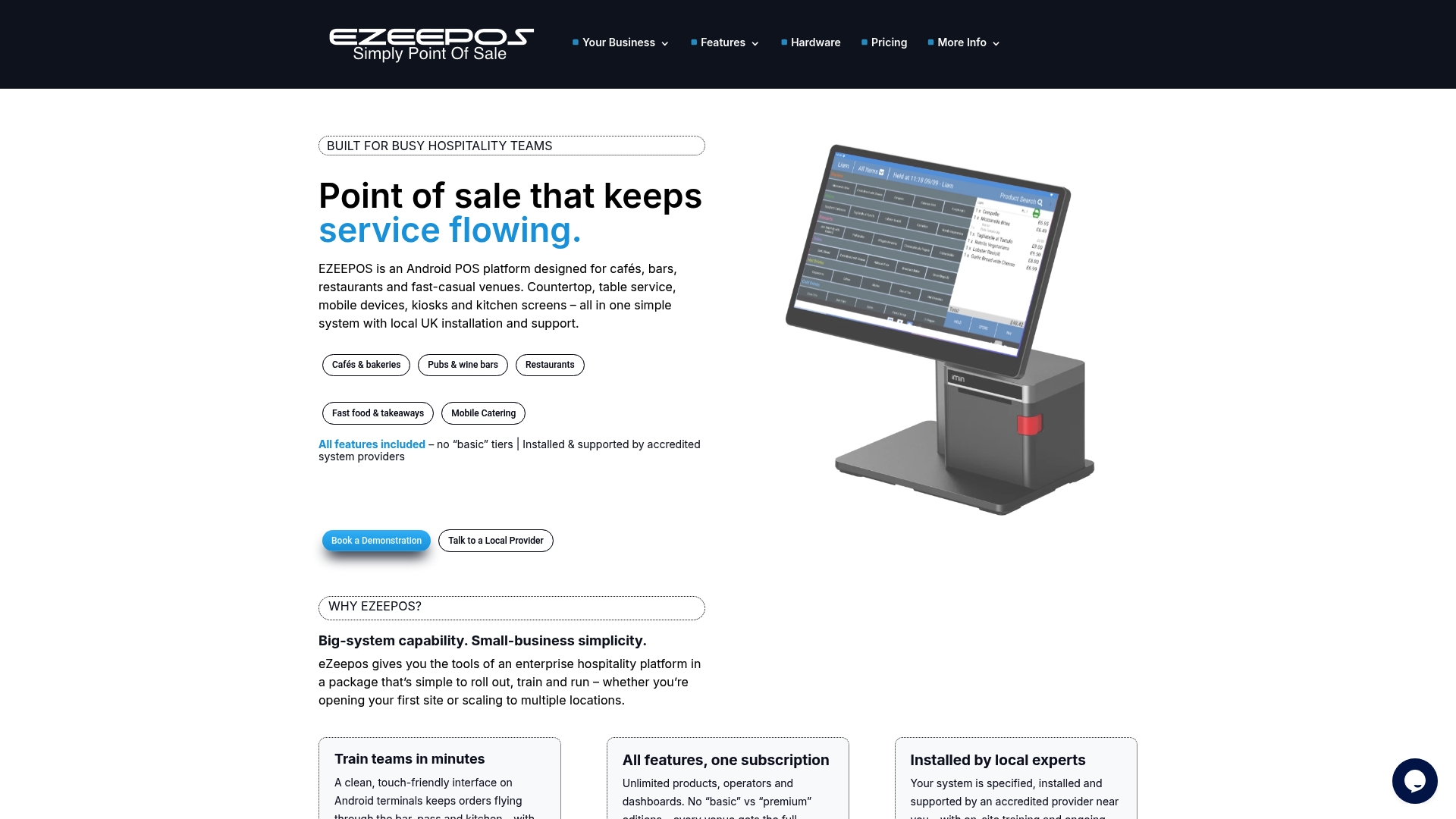
Don’t wait until inventory issues disrupt your service quality or inflate costs. Explore how our comprehensive POS platform can streamline your entire operation and secure your business’s future. Visit https://ezeepos.co.uk today to learn how to enhance your inventory control and operational efficiency with a trusted UK hospitality partner.
Frequently Asked Questions
What are the main features of a POS system in inventory control?
A POS system in inventory control typically includes real-time stock updates, usage analytics, automated low-stock alerts, and compliance reporting, all of which help maintain accurate inventory and support informed decision-making.
How does real-time tracking in POS systems help reduce waste?
Real-time tracking allows businesses to continuously monitor ingredient consumption and expiration dates, enabling them to make immediate, data-driven decisions that help prevent over-ordering and minimize food waste.
What should be considered when implementing a POS system in a hospitality venue?
When implementing a POS system, consider assessing existing systems, specific operational needs, staff training, a phased rollout, and how the system will integrate with food safety management protocols for comprehensive efficiency.
How can staff training impact the effectiveness of a POS inventory system?
Inadequate staff training can lead to errors that compromise inventory accuracy. Comprehensive training programmes ensure that all team members understand their roles, thereby reducing mistakes like over-ordering and enhancing operational efficiency.
Recent Comments