
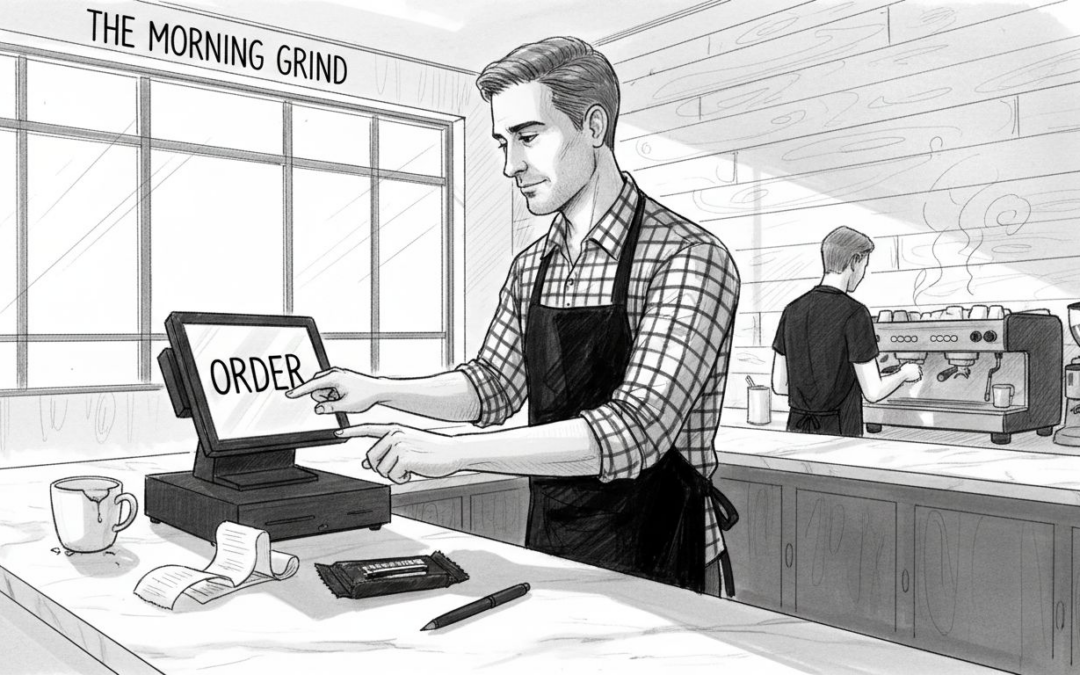
Running a café or restaurant in the UK often means juggling orders, sales, and team communication all at once. When every moment counts, outdated systems can leave owners frustrated and customers waiting. A cloud-based POS system changes this by offering real-time data, seamless integration, and instant accessibility, all backed by secure online technology. Discover how digital solutions built for hospitality are turning everyday challenges into smoother service and smarter decisions.
Table of Contents
- What Is Cloud POS in Hospitality?
- Types of Cloud POS and Their Distinctions
- Key Features for UK Hospitality Venues
- Transforming Service Styles and Team Workflow
- Costs, Risks, and Common Mistakes
- Comparing Cloud POS to Traditional Systems
Key Takeaways
| Point | Details |
|---|---|
| Cloud POS Systems Enhance Operational Flexibility | These systems provide real-time access to sales, inventory, and customer data, enabling swift decision-making and efficient management across multiple locations. |
| Diverse Types of Cloud POS Solutions Available | Front-of-house, back-of-house, integrated, and specialised systems each cater to specific operational needs in hospitality. |
| Integration with Other Digital Tools is Crucial | Cloud POS platforms can seamlessly connect with accounting software and HR tools, creating a unified operational ecosystem. |
| Investment in Staff Training is Essential | Adequate training ensures effective use of cloud POS systems, maximising their potential and minimising operational mistakes. |
What Is Cloud POS in Hospitality?
Cloud POS (Point of Sale) represents a transformative digital solution specifically designed for modern hospitality businesses. Unlike traditional cash registers, cloud-based systems operate through internet-connected platforms that enable real-time management of sales, inventory, and customer interactions across multiple venues.
At its core, a cloud POS system allows hospitality teams to manage transactions, track sales, and synchronise operational data through internet-based platforms. These sophisticated systems provide several critical advantages for cafés, restaurants, and bars:
- Instant data synchronisation across all locations
- Real-time inventory tracking
- Seamless staff management capabilities
- Flexible payment processing
- Comprehensive sales reporting
The technological infrastructure of cloud POS systems means that all transaction data, customer information, and operational metrics are stored securely online, allowing business owners to access critical insights from anywhere. This remote accessibility is particularly valuable for UK hospitality venues managing multiple sites or requiring flexible management approaches.
Cloud POS transforms how hospitality businesses operate, turning complex transaction management into a streamlined, intelligent process.
Modern cloud POS platforms go beyond simple transaction recording. They integrate sophisticated features like staff scheduling, promotion management, and detailed analytics that help businesses make data-driven decisions. The system’s ability to connect with other digital tools – such as accounting software, HR platforms, and compliance systems – creates a comprehensive operational ecosystem.
Pro tip: When selecting a cloud POS system, prioritise solutions offering comprehensive integration capabilities and local UK technical support.
Types of Cloud POS and Their Distinctions
Cloud POS systems in the hospitality sector are not a one-size-fits-all solution. Instead, they offer diverse configurations tailored to specific operational needs, with distinct technological capabilities that support different business models and service styles.
The primary categories of cloud POS systems for hospitality venues include:
- Front-of-House Systems: Focus on customer-facing transaction processing
- Back-of-House Management Platforms: Supporting internal operational workflows
- Integrated Enterprise Solutions: Comprehensive systems connecting multiple business functions
- Specialised Service Systems: Designed for specific hospitality subsectors like restaurants, hotels, or catering
Each type of cloud POS platform offers unique advantages. Front-of-house systems typically prioritise quick transaction processing and customer interaction, while back-of-house platforms concentrate on staff scheduling, inventory management, and compliance tracking. Enterprise solutions provide a holistic approach, integrating multiple operational aspects into a unified digital ecosystem.
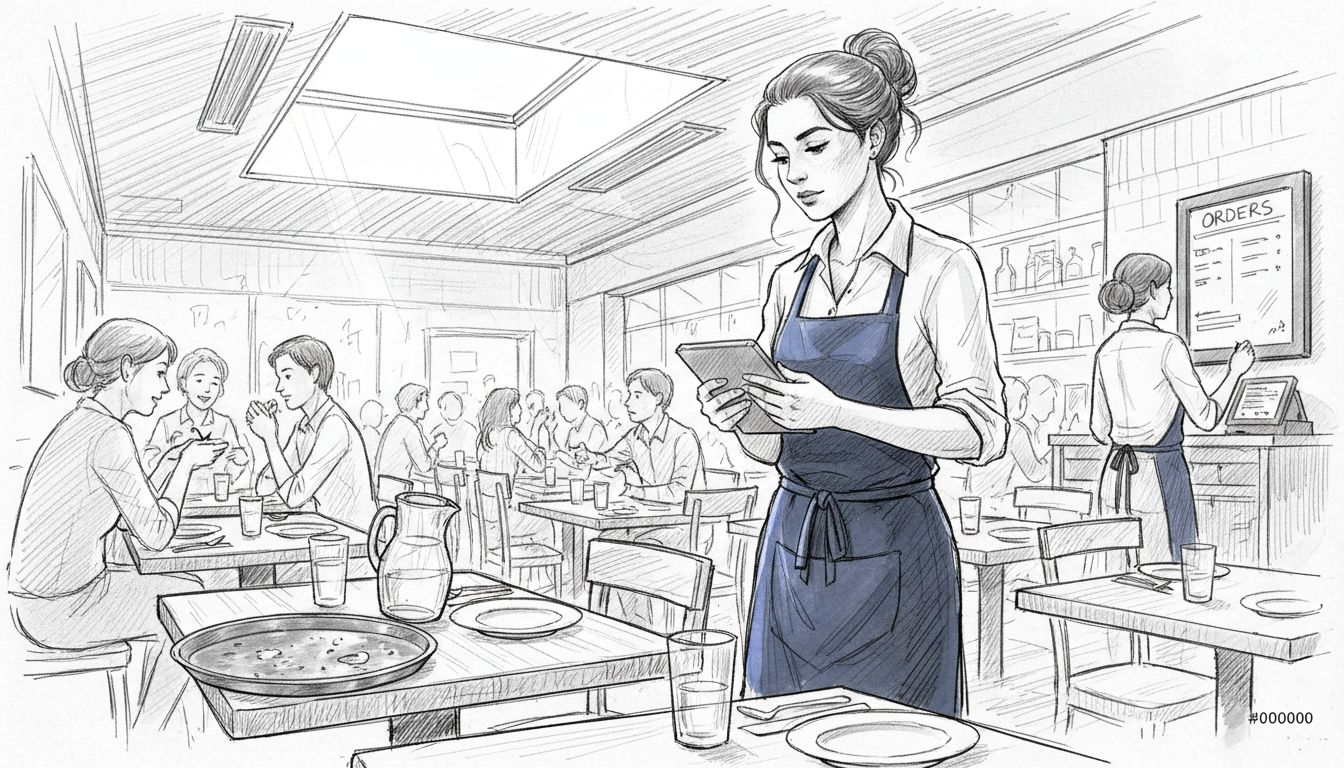
Here is a summary of how different types of cloud POS systems serve UK hospitality businesses:
| POS Type | Primary Focus | Typical Use Case | Key Benefit |
|---|---|---|---|
| Front-of-House System | Customer transactions | Fast order processing at bar | Speeds up service and payment |
| Back-of-House Management | Staff and inventory control | Scheduling and stock management | Reduces manual admin workload |
| Integrated Enterprise | Multi-function integration | Chain with several venues | Streamlines multi-site ops |
| Specialised Service System | Niche sector requirements | Hotels or catering services | Customises for unique needs |
Cloud POS technology transforms hospitality management by offering flexible, interconnected digital solutions that adapt to diverse business requirements.
Moreover, modern cloud POS systems are distinguished by their integration capabilities. They can seamlessly connect with accounting software, HR platforms, payment processors, and inventory management tools. This interconnectedness allows hospitality businesses to create a smart operational network that provides real-time insights and enables data-driven decision-making.
Pro tip: When evaluating cloud POS systems, assess not just current needs but potential future scalability and integration potential.
Key Features for UK Hospitality Venues
Cloud POS systems for UK hospitality venues offer sophisticated features designed to address the unique challenges of modern food service and hospitality management. Advanced technological capabilities have transformed these platforms into comprehensive operational tools that go far beyond simple transaction processing.
The key features of modern cloud POS systems include:
- Real-Time Data Access: Instant insights into sales, inventory, and performance metrics
- Mobility: Flexible transaction processing across multiple devices
- Contactless Payment Support: Seamless digital payment integration
- Staff Management Tools: Scheduling, communication, and performance tracking
- Compliance Tracking: Automated regulatory and administrative documentation
- Personalisation Capabilities: AI-driven customer experience enhancement
These systems are particularly powerful for UK hospitality venues because they address critical operational challenges. Staff communication becomes streamlined, administrative tasks are automated, and businesses gain unprecedented visibility into their daily operations. The ability to track performance in real-time allows venue managers to make rapid, data-driven decisions.
Cloud POS technology represents a fundamental shift in how hospitality businesses manage their daily operations, transforming complexity into strategic advantage.
Moreover, modern cloud POS platforms offer unprecedented integration capabilities. They can connect seamlessly with accounting software, inventory management systems, and customer relationship management (CRM) tools. This interconnected approach enables hospitality businesses to create a unified digital ecosystem that enhances operational efficiency and customer service quality.
Pro tip: Select a cloud POS system that offers comprehensive integration capabilities and scalable features to future-proof your hospitality business.
Transforming Service Styles and Team Workflow
Cloud POS systems are fundamentally reshaping how hospitality teams operate, offering unprecedented opportunities to streamline internal communication and service delivery. These digital platforms enable venues to adapt their service styles more dynamically, breaking traditional operational constraints.
The transformation of service styles through cloud POS technology encompasses several key dimensions:
- Flexible Service Modes: – Table service
- Counter ordering
- Self-service kiosks
- Mobile ordering
- Real-Time Staff Coordination: Instant communication across different roles
- Dynamic Resource Allocation: Intelligent staff scheduling based on live data
- Personalised Customer Interactions: Tailored service informed by customer history
- Adaptive Workflow Management: Rapid response to changing operational demands
Traditional hospitality workflows often suffered from communication bottlenecks and manual administrative burdens. Cloud POS systems eliminate these challenges by providing a unified digital workspace that connects front-of-house staff, kitchen teams, and management in real-time. This interconnectedness allows for more agile, responsive service delivery.
Digital platforms are not just tools, but catalysts that fundamentally redesign how hospitality teams collaborate and serve customers.
Moreover, these systems significantly reduce administrative overhead. Routine tasks like shift scheduling, compliance documentation, and performance tracking become automated, freeing staff to focus on delivering exceptional customer experiences. The data-driven approach enables managers to make more informed decisions about staffing, service optimisation, and operational efficiency.
Pro tip: Invest time in comprehensive staff training to fully leverage your cloud POS system’s transformative potential across different service styles.
Costs, Risks, and Common Mistakes
Adopting cloud POS systems involves carefully navigating financial investments, technological risks, and potential implementation challenges. Strategic technology planning becomes crucial for UK hospitality businesses seeking to leverage these digital solutions effectively.
The key financial and operational considerations include:
- Subscription Costs: Monthly/annual platform fees
- Hardware Investment: Devices and peripherals
- Staff Training Expenses: Time and resource allocation
- Data Security Investments: Cybersecurity measures
- Integration Implementation: Connecting with existing systems
Common mistakes in cloud POS adoption often stem from inadequate research and hasty decision-making. Many hospitality venues select systems without thoroughly assessing their specific operational requirements, leading to inefficient implementations that fail to deliver expected benefits. Comprehensive vendor evaluation becomes essential to mitigate potential risks.
Technology investments are not expenses, but strategic opportunities for operational transformation.
Risks associated with cloud POS systems extend beyond financial considerations. Potential vulnerabilities include internet connectivity dependence, data privacy concerns, and the need for continuous staff training. Successful implementation requires a holistic approach that balances technological capabilities with practical operational constraints.
This quick reference highlights common pitfalls and solutions in cloud POS adoption:
| Mistake | Potential Impact | Recommended Solution |
|---|---|---|
| Insufficient vendor research | System mismatched to business needs | Conduct thorough needs analysis |
| Skipping staff training | Low adoption and wasted functionality | Invest in ongoing team development |
| Ignoring scalability | Limits future business growth | Choose solutions with expansion paths |
| Neglecting data security | Exposure to cyber risks | Prioritise encryption and compliance |
Pro tip: Conduct a thorough internal audit of your current workflows before selecting a cloud POS system to ensure precise technological alignment.
Comparing Cloud POS to Traditional Systems
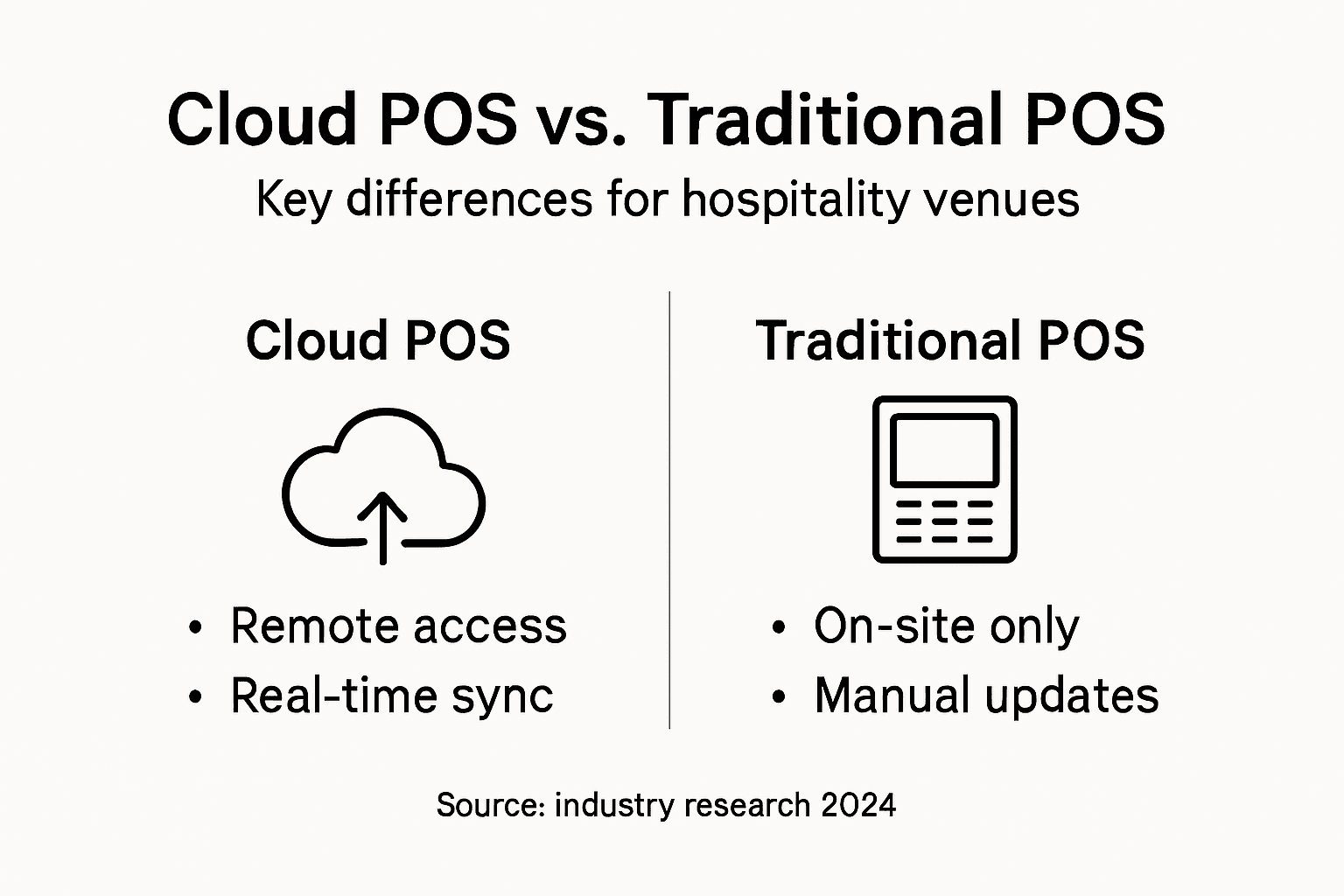
The evolution of point-of-sale technology has dramatically transformed hospitality operations, with cloud POS systems representing a significant leap forward from traditional mechanical cash registers. Technological infrastructure fundamentally differs between these systems, offering UK hospitality venues unprecedented operational flexibility.
Key comparative differences include:
- Infrastructure:
- Traditional: Local server-based
- Cloud POS: Internet-connected, remote access
- Cost Structure:
- Traditional: High upfront hardware investment
- Cloud POS: Subscription-based, lower initial costs
- Data Management:
- Traditional: Localised, manual reporting
- Cloud POS: Real-time, centralised analytics
- Software Updates:
- Traditional: Manual, complex upgrades
- Cloud POS: Automatic, seamless updates
- Scalability:
- Traditional: Limited, hardware-dependent
- Cloud POS: Easily expandable across multiple venues
Traditional POS systems typically required significant capital investment in physical infrastructure, with businesses purchasing expensive on-premise servers and specialised hardware. Cloud-based platforms eliminate these constraints, offering a more agile and cost-effective technological solution for modern hospitality venues.
Cloud POS represents a paradigm shift from hardware-centric to software-driven business management.
Moreover, cloud POS systems provide superior data integration capabilities. Unlike traditional systems restricted by local hardware limitations, cloud platforms enable seamless connectivity between different operational tools, creating a comprehensive digital ecosystem that supports more intelligent business decision-making.
Pro tip: Prioritise cloud POS solutions offering comprehensive integration capabilities and robust security protocols.
Revolutionise Your Hospitality Operations with Cloud POS Technology
Struggling with disjointed management and outdated transaction systems in your venue? The challenges of synchronising real-time sales, inventory, and staff management can hinder efficiency and customer experience. EZEEPos offers a specialised Android-based Hospitality – EZEEPos Solution designed to meet these exact needs. With seamless integration across countertops, tablets, kiosks, and kitchen screens, our cloud POS platform empowers your team to deliver faster, smarter service while maintaining full control over multiple venues.
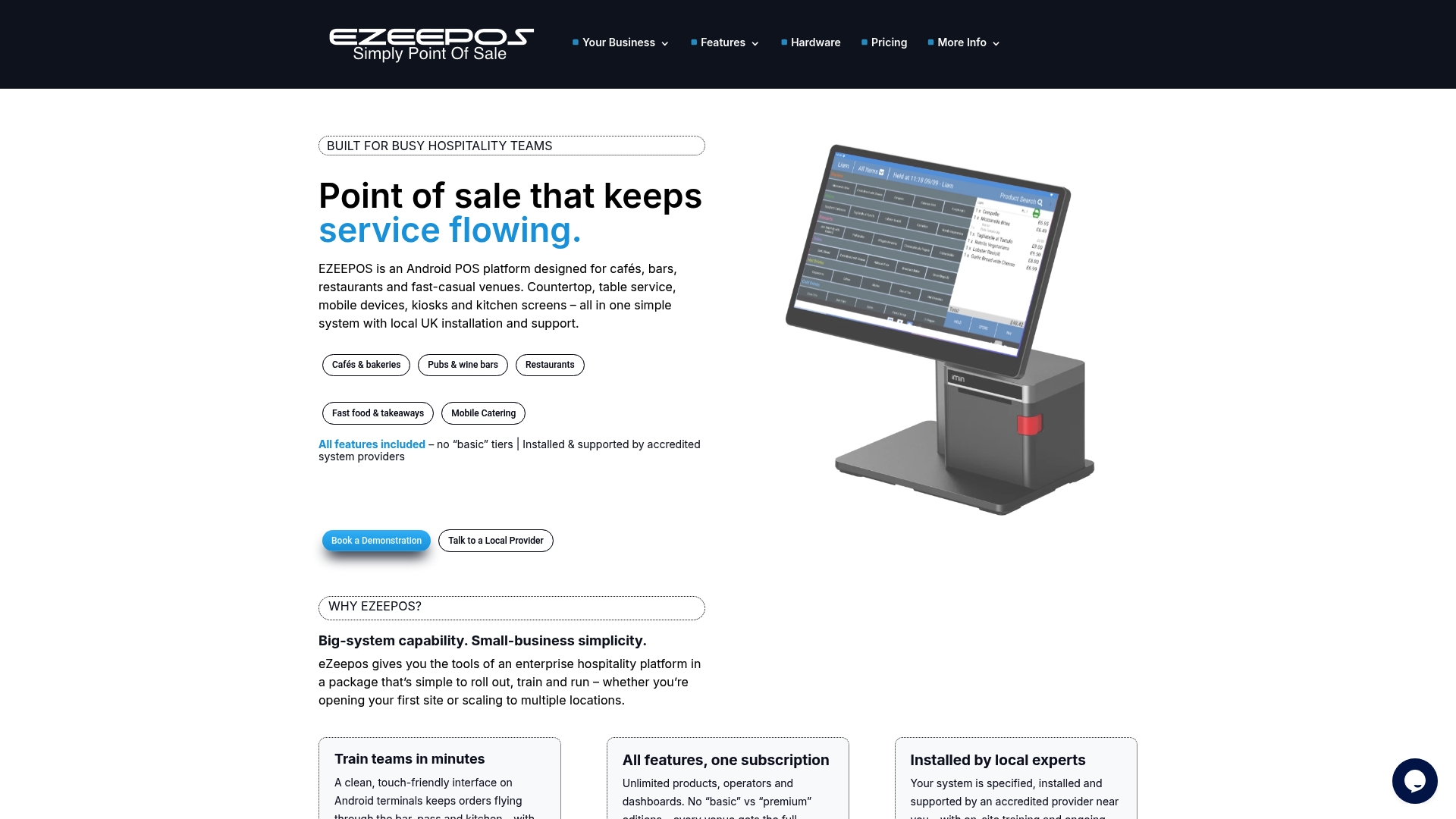
Don’t let administrative burden and slow technology hold your business back. Explore our flexible Add On Modules – EZEEPos Solution to personalise your system for effortless inventory, staff scheduling, and contactless payments. Act now to transform your hospitality operations with local UK installation and ongoing support, fully backed by enterprise-level functionality with simplicity at https://ezeepos.co.uk. Get started today and future-proof your venue with trusted cloud POS innovation.
Frequently Asked Questions
What are the main benefits of using cloud POS in hospitality operations?
Cloud POS offers advantages such as instant data synchronisation, real-time inventory tracking, flexible payment processing, comprehensive sales reporting, and improved staff management capabilities. These features streamline operations and enhance the overall customer experience.
How does cloud POS improve staff management in hospitality?
Cloud POS systems come equipped with tools for scheduling, communication, and performance tracking, enabling better coordination among staff. This allows for dynamic resource allocation and improved team workflow, resulting in more efficient service delivery.
Can a cloud POS system help with compliance tracking in hospitality businesses?
Yes, cloud POS systems include compliance tracking functionalities that automate regulatory and administrative documentation, helping businesses adhere to mandatory requirements and reducing manual administrative burdens.
What factors should I consider when selecting a cloud POS system for my hospitality business?
When selecting a cloud POS, consider features such as integration capabilities with other tools, scalability for future growth, data security measures, and the availability of local technical support to ensure that the system aligns with your operational needs.
Recent Comments