

Running a busy fast-casual eatery in the United Kingdom often feels like you are juggling dozens of operational tasks at once. Efficient transaction management and streamlined customer service become impossible with outdated till systems, leaving managers in need of a smarter approach. Modern hospitality POS platforms offer integrated features such as real-time sales tracking and inventory management, giving you the tools to optimise every aspect of your restaurant while delivering a seamless customer experience.
Table of Contents
- Defining Hospitality POS Systems In The UK
- Key Types And Service Modes Available
- Essential Features For Streamlined Operations
- Cost Factors And Integration Challenges
- Security, Compliance And Common Mistakes
Key Takeaways
| Point | Details |
|---|---|
| Modern Hospitality POS Systems Enhance Operations | These systems streamline restaurant functions by providing real-time data and integrated solutions. |
| Diverse Service Modes Cater to Venue Needs | Various POS configurations allow restaurants to optimise service delivery according to their specific operational style. |
| Critical Features Improve Efficiency | Essential features like payment support and offline functionality enable swift decision-making and uninterrupted services. |
| Security and Compliance are Paramount | Ongoing security measures and rigorous compliance practices are essential in protecting sensitive customer data and ensuring operational integrity. |
Defining hospitality POS systems in the UK
Hospitality Point of Sale (POS) systems represent sophisticated technological platforms that transform how UK restaurants and venues manage transactions, operations, and customer interactions. Comprehensive software solutions have revolutionised traditional cash register approaches, providing intelligent business management tools.
Modern hospitality POS systems go far beyond simple payment processing. These integrated platforms combine hardware and software to deliver comprehensive operational capabilities:
- Real-time sales tracking
- Inventory management
- Customer engagement tracking
- Detailed business reporting
- Staff performance monitoring
- Menu and pricing flexibility
The core purpose of these systems is streamlining complex restaurant operations while providing actionable insights. By centralising data and automating routine tasks, POS technology enables managers to make informed decisions quickly and efficiently.
Unlike traditional cash registers, digital POS systems capture granular transaction details, generate sophisticated reports, and connect multiple business functions seamlessly. They represent a critical technological investment for modern hospitality venues seeking operational excellence.
Pro tip: When selecting a hospitality POS system, prioritise platforms offering comprehensive reporting and real-time data integration to maximise your operational intelligence.
Key types and service modes available
Hospitality POS systems offer diverse service modes designed to accommodate the unique operational requirements of different restaurant and venue types across the United Kingdom. These versatile platforms provide flexibility in how businesses manage customer interactions, payment processing, and overall service delivery.
The primary service modes for UK hospitality venues typically include:
- Counter Service Mode: Ideal for quick-service restaurants, cafés, and takeaway establishments
- Table Service Mode: Perfect for sit-down restaurants, pubs, and fine dining venues
- Self-Service Kiosk Mode: Growing in popularity for fast-casual dining and high-traffic locations
- Mobile POS Mode: Enabling tableside ordering and payments in restaurants
- Kitchen Order Screen Mode: Streamlining communication between front-of-house and kitchen staff
Modular POS systems provide significant advantages by allowing venues to switch between these service modes or combine multiple approaches based on their specific operational needs. This adaptability ensures that restaurants can optimise their technological infrastructure to match their unique business model.
Each service mode comes with specific technological capabilities that enhance operational efficiency. For instance, table service modes often integrate reservation systems and detailed customer tracking, while counter service modes prioritise rapid transaction processing and queue management.
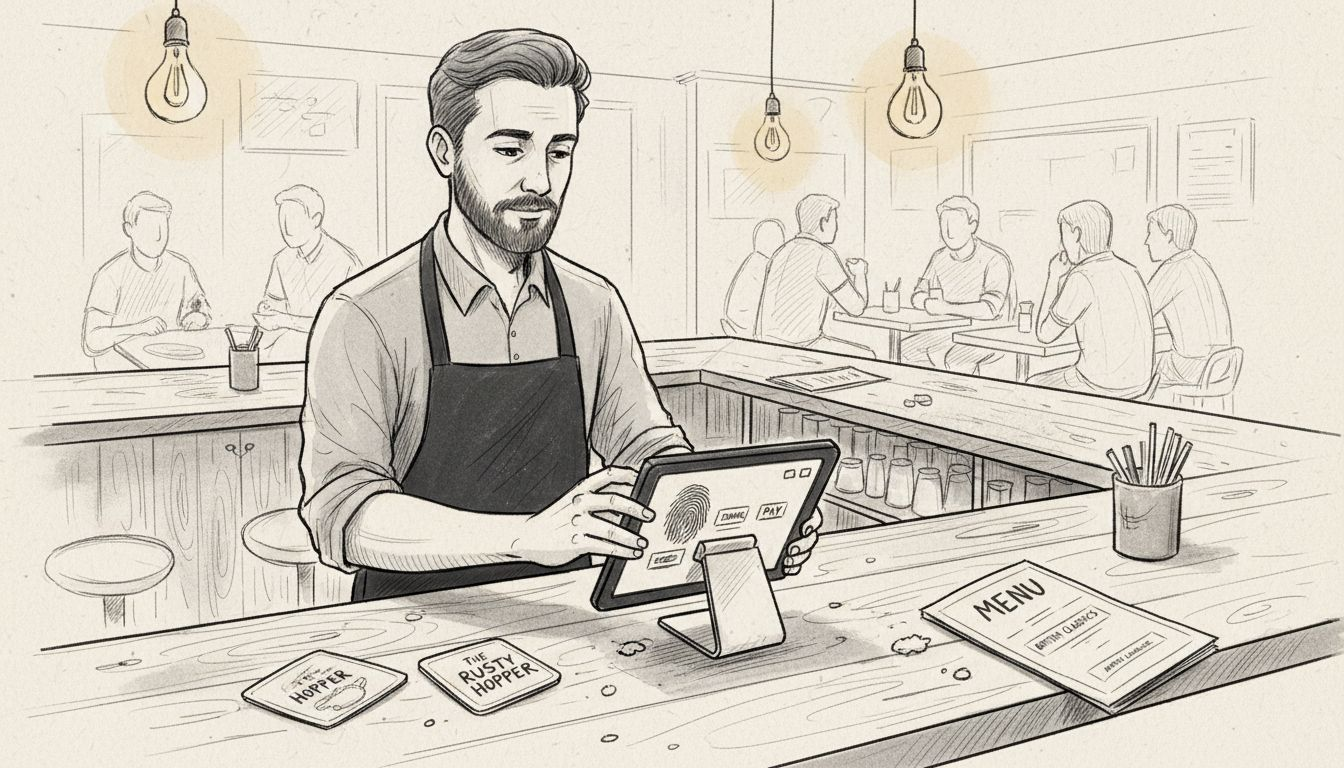
Here is a comparison of primary POS service modes and their optimal venue types:
| Service Mode | Best Suited For | Main Operational Benefit |
|---|---|---|
| Counter Service | Takeaways, cafés | Speedy order processing |
| Table Service | Sit-down restaurants, pubs | Enhanced guest experience |
| Self-Service Kiosk | Fast-casual, food courts | Reduced queues, higher order accuracy |
| Mobile POS | Bars, large restaurants | Faster tableside payments |
| Kitchen Order Screen | Multi-station kitchens | Improved kitchen communication |
Different restaurant types require tailored POS service modes to maximise operational effectiveness and customer satisfaction.
Pro tip: Select a POS system that offers multiple service modes and easy configuration to future-proof your hospitality technology investment.
Essential features for streamlined operations
Effective hospitality POS systems transform restaurant operations through a comprehensive suite of intelligent features designed to streamline complex business processes. Cloud-based technology offers real-time operational insights that enable managers to make faster, more informed decisions across their entire venue.
The most critical features for UK hospitality businesses include:
- Multiple Payment Method Support
- Apple Pay
- Google Pay
- Contactless card payments
- Cash transactions
- Offline Mode Functionality
- Continuous operations during internet disruptions
- Uninterrupted transaction processing
- Integrated Reporting Tools
- Sales performance tracking
- Inventory management
- Staff productivity metrics
Advanced POS systems go beyond simple transaction processing, providing sophisticated tools for business intelligence and operational management. The ability to integrate multiple functions into a single platform represents a significant technological advancement for modern hospitality venues.
Seamless technological integration is the cornerstone of efficient modern restaurant management.
Multi-site restaurant groups particularly benefit from centralized control features that allow managers to monitor and manage operations across different locations simultaneously. These systems provide granular insights into performance, enabling data-driven strategic decisions that can significantly impact overall business efficiency.
Pro tip: Prioritise POS systems with comprehensive integration capabilities and robust reporting features to maximise your operational effectiveness.
Cost factors and integration challenges
Implementing a modern hospitality POS system involves carefully navigating complex financial considerations and technological integration challenges that can significantly impact a restaurant’s operational efficiency. The initial investment and ongoing operational costs represent critical decision-making factors for UK hospitality businesses seeking technological solutions.
Key cost considerations include:
- Initial Hardware Investment
- Touchscreen terminals
- Mobile devices
- Kitchen display systems
- Card payment terminals
- Software Licensing
- Monthly subscription fees
- Per-user charges
- Feature-based pricing models
- Integration Expenses
- Data migration costs
- Staff training programmes
- Potential system customisation
Technological integration presents its own set of challenges, requiring restaurants to carefully assess compatibility with existing systems such as accounting software, inventory management platforms, and customer relationship management tools. Seamless data flow between different technological ecosystems becomes paramount for maintaining operational efficiency.
Successful POS implementation demands a holistic approach that balances technological capabilities with budgetary constraints.
Small to medium-sized restaurants must particularly consider the long-term return on investment, weighing the initial expenses against potential efficiency gains, reduced labour costs, and improved operational insights. Many providers now offer scalable solutions that allow businesses to incrementally upgrade their systems without massive upfront investments.
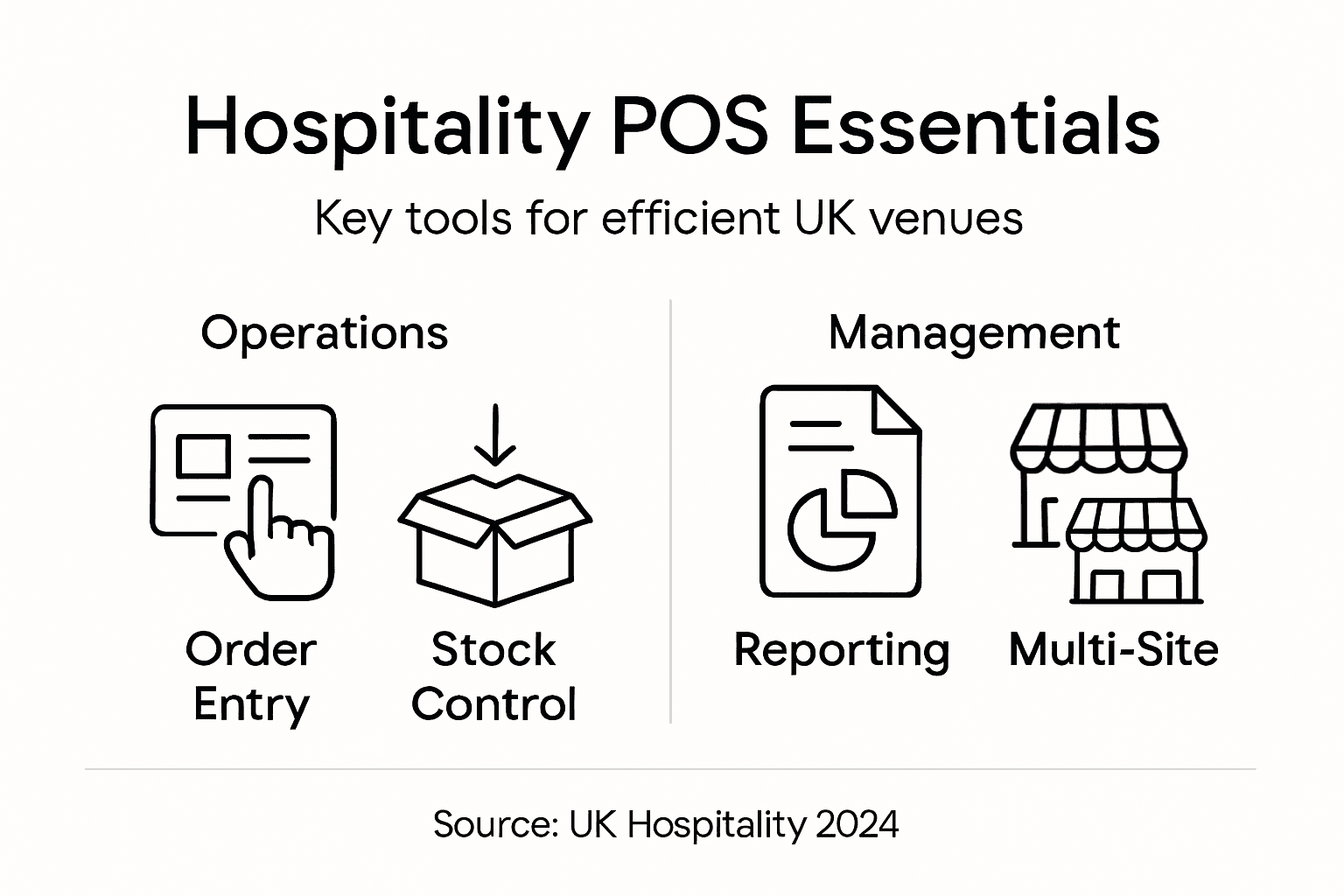
Below is a summary of major cost factors and their effects on UK hospitality businesses:
| Cost Factor | Typical Impact | Budget Planning Tip |
|---|---|---|
| Hardware Investment | High upfront cost | Compare device quality v. price |
| Software Licensing | Ongoing operational expense | Assess long-term subscription value |
| Integration Expenses | Potential hidden costs | Request clear migration estimates |
| Staff Training | Delays and learning curve | Schedule phased training sessions |
Pro tip: Request comprehensive total cost of ownership projections from potential POS providers, including hidden implementation and maintenance expenses.
Security, compliance and common mistakes
In the UK hospitality sector, maintaining rigorous POS security standards represents a critical operational imperative that extends far beyond basic technological considerations. Restaurants must navigate complex data protection landscapes while protecting sensitive customer and financial information from potential security breaches.
Common security vulnerabilities in hospitality POS systems include:
- Password Management Failures
- Weak default credentials
- Infrequent password rotations
- Shared login credentials
- Software Vulnerability Risks
- Unpatched system software
- Outdated security protocols
- Insufficient encryption standards
- Access Control Weaknesses
- Unrestricted employee permissions
- Lack of role-based access controls
- Inadequate user authentication mechanisms
Data compliance demands a comprehensive approach that integrates technological safeguards with robust operational practices. UK restaurants must remain vigilant about implementing multi-layered security strategies that protect against both external cyber threats and internal operational risks.
Security is not a one-time implementation but an ongoing organisational commitment.
Small to medium-sized hospitality venues often underestimate the complexity of maintaining robust cybersecurity standards. The financial and reputational risks associated with data breaches can be devastating, making proactive security management an essential business priority.
Pro tip: Conduct quarterly comprehensive security audits and invest in continuous staff training to maintain robust POS system protection.
Transform Your UK Hospitality Business with EZEEPos Solutions
The complexities faced by UK restaurants today require a reliable, adaptable hospitality POS system that streamlines operations across multiple service modes such as table ordering, counter service, and mobile POS. This article highlights challenges like integration headaches, security vulnerabilities, and the necessity of real-time data insights. At EZEEPos, our tailored platform addresses these pain points by offering an Android-based POS that simplifies staff training, supports diverse venues from cafés to bars, and integrates seamlessly with payment providers all under one easy-to-use system.
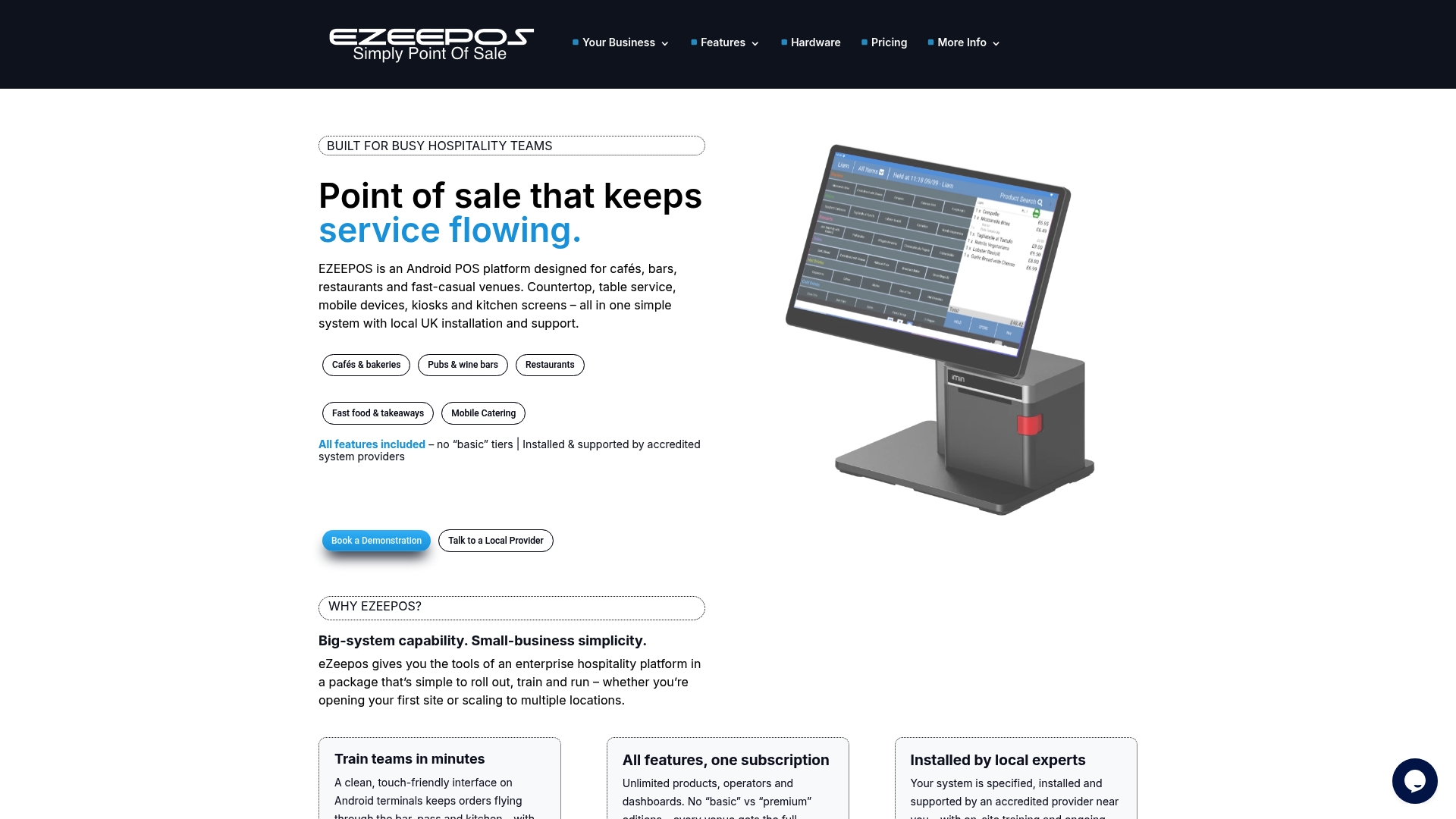
Discover how our award-winning Hospitality – EZEEPos Solution can empower your team with comprehensive reporting, cloud-based back office capabilities, and multi-service mode support to enhance operational efficiency and customer satisfaction. Don’t compromise on your restaurant’s future security and scalability. Visit https://ezeepos.co.uk now to request a demo or speak with a specialist about customised options including Add On Modules – EZEEPos Solution. Take control of your hospitality operations today and experience the difference a well-designed POS system can make.
Frequently Asked Questions
What is a hospitality POS system?
Hospitality POS systems are technological platforms that manage transactions, operations, and customer interactions in restaurants and venues, providing tools for sales tracking, inventory management, and detailed reporting.
How do hospitality POS systems improve operational efficiency?
These systems streamline restaurant operations by centralising data, automating routine tasks, and providing real-time insights, enabling managers to make informed decisions quickly and efficiently.
What are the different service modes available in hospitality POS systems?
Service modes typically include counter service, table service, self-service kiosks, mobile POS, and kitchen order screens, each tailored to meet the specific operational requirements of various venue types.
What key features should I look for in a hospitality POS system?
Essential features include multiple payment method support, offline mode functionality, integrated reporting tools, and the ability to manage multiple sites, all of which contribute to streamlined operations and enhanced customer experiences.
Recent Comments