
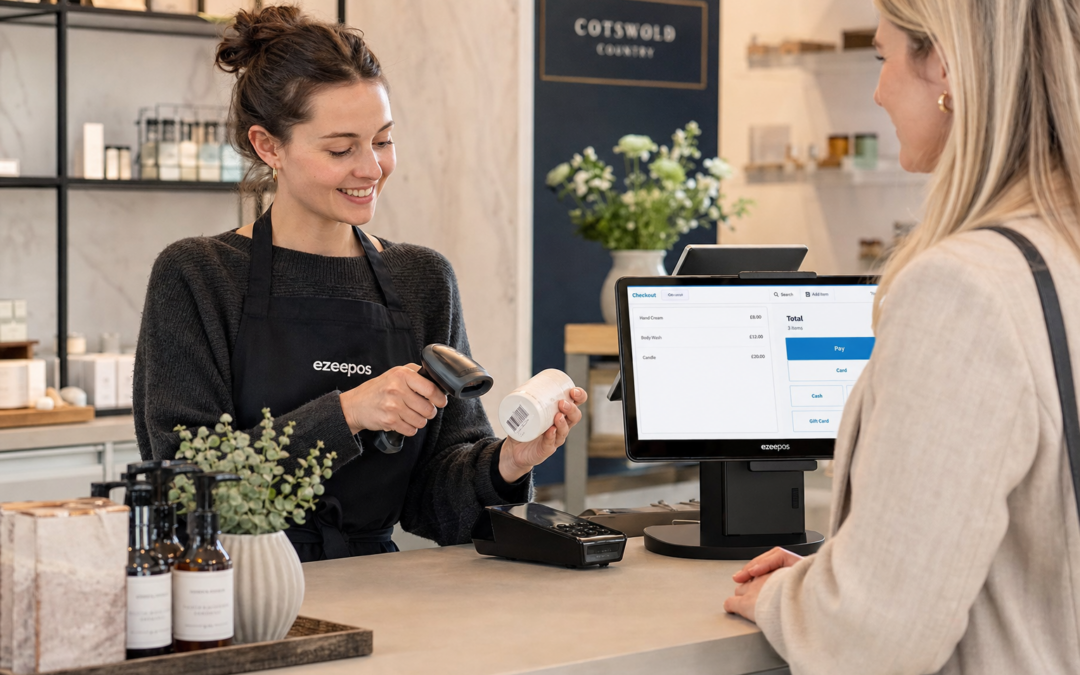
Barcode scanning is one of those retail tools that quickly becomes hard to live without once your team gets used to it. For independent shops, convenience stores and other busy retail counters, it can make the difference between a rushed, error-prone checkout and a quick, steady customer flow.
At eZeePOS, barcode scanning sits naturally within a practical retail setup, helping staff identify items quickly and keep the queue moving. If you are looking at ways to improve day-to-day trading without making the till area more complicated, barcode scanning is a sensible place to start.
Why barcode scanning matters at the till
When every item has to be found manually, the checkout can slow down very quickly. Staff may need to search through product lists, type in item names, or ask colleagues for help while customers wait. A barcode scanner removes much of that friction by letting the till recognise products instantly.
That does not just save time. It also helps keep transactions more consistent. Staff are less likely to choose the wrong item, forget a price, or slow down while searching for the right product on screen. For shops that serve customers throughout the day, those small gains soon add up.
Useful for a wide range of UK retailers
Barcode scanning is especially practical for:
- Convenience stores with fast-moving counter traffic
- Pet shops handling a broad mix of products
- Gift shops with many similar-looking items
- Fashion and clothing shops managing sizes and variants
- Hardware stores with a large product range
- Farm shops and garden centres serving customers across multiple categories
In each case, the main benefit is the same: staff can spend less time searching and more time serving.
How scanning supports a smoother checkout
A good checkout experience is usually built on small details. A scanner helps by reducing the number of manual actions needed for every sale. That means less typing, fewer clicks and less room for delay when the shop is busy.
It also helps newer staff feel more confident. Instead of memorising large product lists straight away, they can rely on scanning to get the correct item onto the sale quickly. That can be especially useful in shops where staff rotate, cover holidays or work part-time shifts.
Fewer errors, better customer service
Manual entry can create avoidable mistakes. A barcode scanner reduces the chance of:
- Entering the wrong item
- Typing the wrong price or product code
- Delaying the customer while checking the screen
- Creating confusion when products look similar
For customers, the result is a smoother, more professional service. For staff, it means less pressure at peak times and a more straightforward way to keep transactions accurate.
Barcode scanning and product lookup work well together
Scanning is not only useful when there is a barcode to read. It also works well alongside product lookup tools inside the EPOS system. If a barcode is damaged, missing or not yet printed, staff can still search for the item quickly from the till screen.
This combination is particularly useful for retailers with a mix of labelled and unlabelled products, or stores that occasionally sell items without standard packaging. Barcode scanning supports speed, while product lookup provides a reliable backup when needed.
Choosing the right scanner for your shop
Not every retail setup needs the same type of scanner. The right choice depends on the counter layout, the volume of sales and the sort of products you sell.
What to think about
- Speed: Can staff scan items quickly during busy periods?
- Ease of use: Is it simple enough for new staff to pick up quickly?
- Counter space: Will it fit neatly into your till area?
- Product mix: Do you sell standard barcoded items, loose goods or a combination?
- Working style: Would a fixed scanner or handheld scanner better suit your counter?
If you are planning a new EPOS setup, it is worth looking at the whole checkout area, not just the scanner itself. The best results usually come from pairing the right device with well-organised software and a till layout that supports the way your staff work.
Scanning in busy retail environments
Barcode scanning is especially helpful when the shop gets busy. During peak times, customers notice delays much more than they do during quieter periods. A reliable scanning workflow helps keep the counter moving and reduces the chance of queues building up unnecessarily.
That can matter in seasonal trading periods, lunchtime rushes or weekends when retailers need to process more customers in less time. Even when each transaction only takes a few seconds less, the improvement can make the whole checkout feel calmer and more efficient.
How eZeePOS supports practical retail scanning
eZeePOS is designed to help UK retailers work in a more organised and efficient way, and barcode scanning is a natural part of that. Whether you run a small independent shop or a larger retail counter, the aim is the same: make everyday selling easier for staff and quicker for customers.
For businesses that are reviewing their retail setup, it can be useful to think about how scanning fits alongside product lookup, reporting and general till organisation. A well-planned system does not need to be complicated. It just needs to support the way your business actually trades.
If you are exploring a modern retail till setup, take a look at www.ezeepos.co.uk to see how eZeePOS could fit your shop. Contact YCR Distribution at sales@ezeepos.co.uk or call 01924 438238.
For independent retailers, the right barcode scanning setup is not about adding extra technology for the sake of it. It is about making the checkout faster, reducing avoidable mistakes and giving staff a more reliable way to help customers quickly.
That practical approach is what makes barcode scanning such a useful part of a modern retail EPOS system.
Final thoughts
If your shop is still relying heavily on manual item entry, barcode scanning could be one of the easiest upgrades you make. It supports faster service, a tidier checkout workflow and a better experience for both staff and customers.
For many UK retailers, that is exactly what a good till system should do: remove small frustrations and make every sale feel smoother.
Recent Comments