
Why reporting matters before the rush begins
For cafés, restaurants and takeaways, busy trading periods can arrive quickly. Lunchtime rushes, weekend peaks, school holidays and seasonal events can all place extra pressure on staff, service and decision-making. The challenge is not just coping with the extra demand on the day, but preparing properly beforehand.
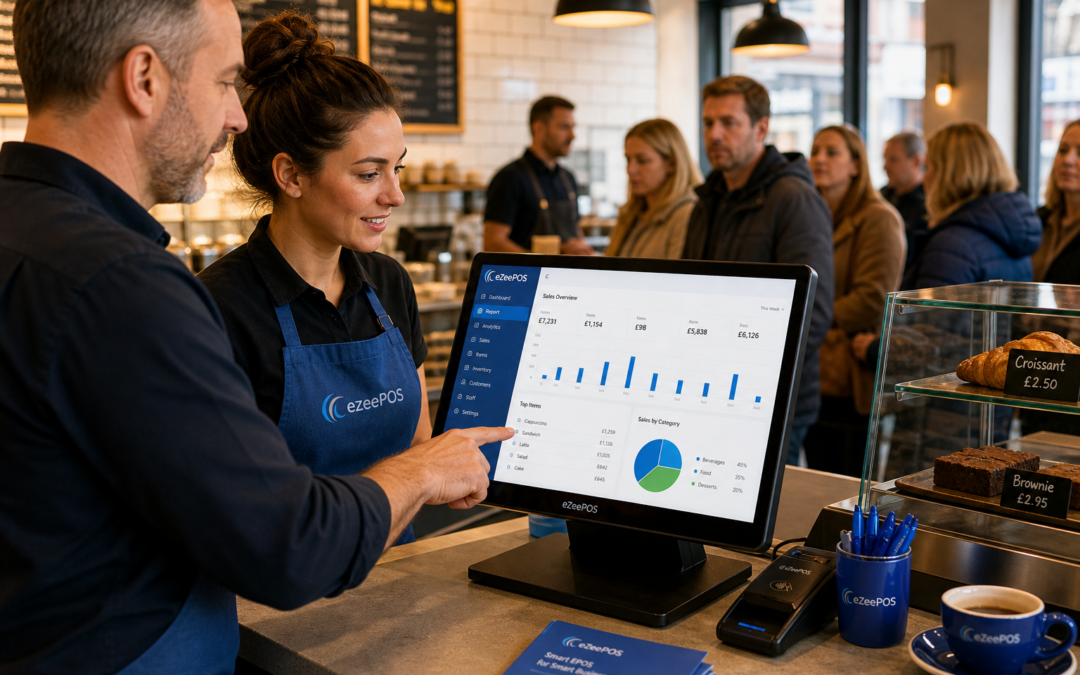
That is where strong EPOS reporting can make a real difference. With the right setup, business owners can see what sells, when it sells and how trade changes across different periods. Instead of relying on instinct alone, they can use clear information from the till to plan staffing, adjust menus and reduce avoidable pressure during the busiest times.
At eZeePOS, available at www.ezeepos.co.uk, reporting is one of the practical tools that helps UK hospitality businesses stay organised and respond more confidently to changing demand.
What useful EPOS reports can show
Good reporting does not need to be complicated. For busy food businesses, the most useful reports are often the ones that answer straightforward questions quickly.
Sales by time and day
One of the clearest benefits is seeing when trade is at its highest. A restaurant owner might discover that Friday evenings are consistently stronger than midweek dinners, while a café could notice a strong breakfast peak followed by a quieter period before lunch. That kind of insight helps with staffing, preparation and opening hours.
Best-selling items
Knowing which dishes or drinks are popular can help businesses focus on what customers actually want. A takeaway may find that certain meal deals drive the most volume, while a café may see that a few drinks or snack items account for a large share of sales. This can support better menu planning and clearer offers during busy times.
Quiet periods and service gaps
It is not just the busiest moments that matter. Reporting can also show where trade drops away. That makes it easier to plan team breaks, prep work and quieter admin tasks around service rather than during it.
Simple performance comparisons
Comparing this week with last week, or this month with the same period last year, can reveal useful trends. For example, if a Sunday roast service is building steadily or a lunch menu is performing better than expected, owners can make more informed decisions before the next rush arrives.
How reporting helps teams prepare for peak trading
Busy periods are easier to manage when the team knows what to expect. EPOS reporting helps turn past trading data into practical preparation.
Staffing can be planned more sensibly
If reports show that trade spikes between 12pm and 2pm, managers can schedule more staff around that window. If Friday evening service takes off later than expected, the rota can be adjusted to ensure there is enough cover at the right time. Better planning can reduce pressure on the floor and help service feel smoother for customers.
Prep work becomes more focused
Kitchen and front-of-house preparation is easier when you know what is likely to sell. Reporting can help businesses focus on the dishes, drinks or meal combinations that matter most during peak times. That reduces waste, improves readiness and lowers the chance of running out of popular items too early.
Promotions can be timed more carefully
Restaurants and cafés often use promotions to fill quieter periods or encourage repeat visits. Reporting makes it easier to see whether those offers are working. If a lunch deal brings in extra footfall during an otherwise slow day, the business can decide whether to repeat it, adjust it or retire it.
Why reporting matters for different hospitality businesses
Every food business trades differently, so reporting needs vary too. A busy takeaway may want a fast view of order volume and peak times, while a café may care more about drink trends, morning trade and average basket patterns. A restaurant may need to review table service flow and the timing of covers across the evening.
The value of EPOS reporting is that it gives a single, reliable view of business activity without relying on handwritten notes or separate spreadsheets. That makes it easier to make informed decisions even during the busiest weeks of the year.
For cafés
Cafés often benefit from understanding morning and lunchtime patterns. Reporting can show which hours are strongest, which products are most popular and when to arrange extra cover at the counter or on the floor.
For restaurants
Restaurants need clear visibility over service patterns, cover levels and peak trading times. Reports can help managers prepare for busy evening sittings, special events or seasonal demand without overstaffing quieter sessions.
For takeaways
Takeaways often deal with sudden bursts of demand. Reporting can help owners see when order volumes spike, which menu items are most reliable and where service bottlenecks may appear during peak periods.
Making reporting practical for daily use
Reporting is only useful if it is easy to access and simple to understand. That is why many businesses prefer EPOS software that presents figures clearly, without requiring a separate system or lots of manual admin.
With a practical setup, staff can quickly check recent sales, compare trading periods and review performance at the end of the day. That makes it easier to prepare for tomorrow rather than reacting after problems have already started.
For growing businesses, reporting also supports better conversations between owners, managers and front-of-house teams. If everyone is looking at the same information, it becomes easier to agree on rota changes, menu updates or service improvements.
Turning data into better busy-period decisions
The main benefit of EPOS reporting is not just knowing what happened, but using that information to improve what happens next. When busier periods are planned with better insight, businesses can reduce delays, improve readiness and create a steadier service for customers.
That is especially important for independent UK hospitality businesses, where every service matters and every decision can affect the customer experience. A clear reporting view helps owners stay one step ahead rather than trying to catch up during the rush.
If you want a practical EPOS software option that helps your business make better decisions with clearer reporting, explore eZeePOS and see how it could support your day-to-day operations.
Contact YCR Distribution at sales@ezeepos.co.uk or call 01924 438238.
Recent Comments