
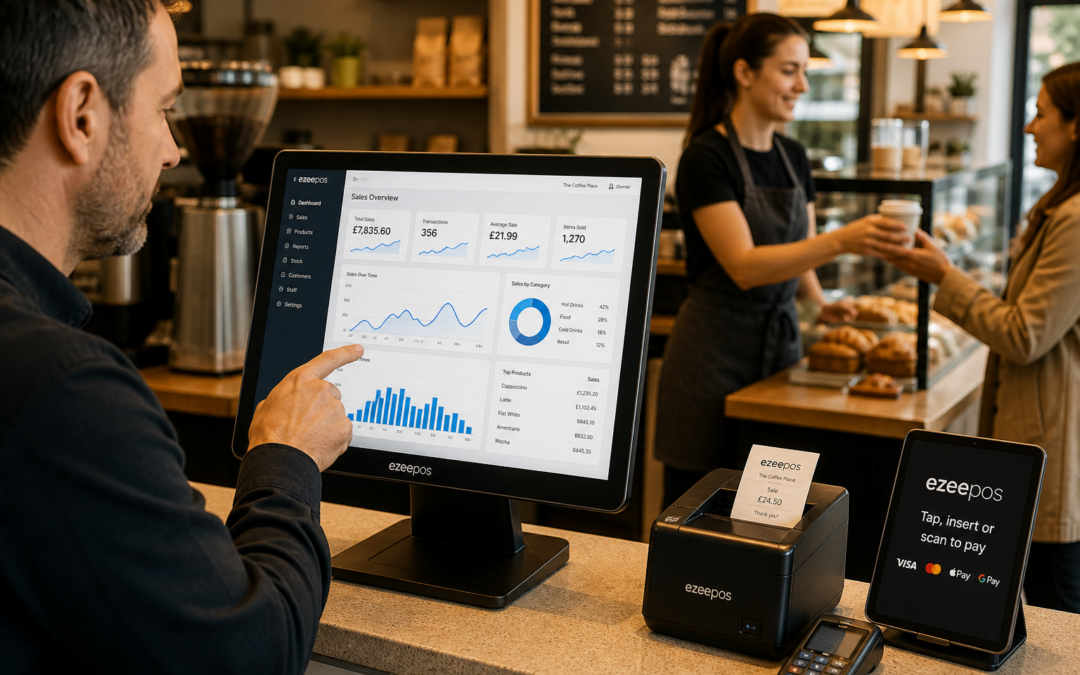
If you run a shop, cafe, restaurant, bar or takeaway, the best decisions are usually the ones based on what is actually happening in the business, not guesswork. That is where EPOS reporting becomes genuinely useful. With the right setup, your till system can show you more than just takings at the end of the day. It can help you understand when customers are busiest, which products or menu items are performing well, and where the business might need a closer look.
For many independent businesses, this kind of reporting is one of the most practical features in a modern till system. It can help owners and managers save time, spot trends earlier and make more confident decisions. If you are looking at eZeePOS, reporting is one of the areas that can support day-to-day trading in a straightforward, useful way.
Why reporting matters in everyday trading
In a busy retail or hospitality business, it is easy to focus only on serving customers and getting through the day. Reporting helps you step back and see the bigger picture. Instead of relying on memory or rough estimates, you can review real figures from your EPOS system and use them to guide stock ordering, staffing, promotions and opening hours.
This is especially useful for independent businesses that do not have large back-office teams. A clear report can answer questions quickly, such as:
- Which days or times are busiest?
- Which products, dishes or categories sell best?
- How are sales changing week by week?
- Are some staff shifts more productive than others?
- Do certain offers or promotions actually drive more trade?
When those answers are available in one place, it becomes easier to make sensible decisions without adding more admin to the day.
What useful EPOS reports can show
Sales by day, week or month
One of the most useful reporting tools is a simple sales summary. This helps you compare trading periods and identify trends over time. For example, a retailer might notice that one weekday consistently underperforms, while a cafe may see a strong lunch trade but weaker late afternoons. That kind of insight can help with staffing and opening hours.
Best-selling products or menu items
Understanding what sells well is useful in both retail and hospitality. A gift shop might spot a popular product range worth expanding, while a takeaway could identify the items that are regularly ordered and the dishes that need more promotion. This does not have to be complicated. Even a basic best-seller report can highlight useful patterns.
Busy times and trading patterns
Peak periods matter because they affect service, queue length and customer experience. If your reports show that you are busiest at the same times every week, you can plan staffing more effectively. That can help reduce pressure on the till and improve service during rush periods.
Staff performance and till activity
Reporting can also help you understand how the till is being used. For businesses with several team members, this may include sales by staff member, refunds, discounts or voids. Used sensibly, this is less about watching staff and more about keeping the business organised and spotting training needs.
How reporting helps retailers
Independent retailers often need to work hard to balance stock, staff time and customer demand. Good reporting can help by showing what customers are actually buying, rather than what you assume they want. A fashion shop, gift shop or convenience store can use reports to identify seasonal demand, popular product types and slower-moving lines that may need attention.
Reporting can also help shop owners prepare for busy periods. If sales data shows that Saturday afternoons are consistently strong, it may make sense to plan additional cover or make the checkout area more efficient. If a certain promotion drives more traffic, you can review whether it is worth repeating.
When sales information is easy to read, it is much easier to make practical decisions rather than waiting until the end of the month to discover what went well or poorly.
How reporting helps cafes, restaurants and takeaways
In hospitality, the pace of service is often fast, so reporting needs to be simple and relevant. A cafe may want to see whether breakfast or lunch trade is stronger. A restaurant may want to review best-selling dishes and quieter midweek periods. A takeaway may want to understand which times of day produce the most orders and which items are most consistently popular.
That information can support menu planning, more effective staffing and better preparation for busy service. It can also help owners spot the impact of seasonal changes or events. For example, you may see that warm weather boosts drink sales, or that weekend orders rise sharply around local events. With better reporting, those patterns are easier to act on.
Using reports without creating more admin
Reporting should make life easier, not more complicated. The best EPOS reports are the ones that are quick to find, easy to understand and relevant to the business. For many independent operators, the value comes from having a few clear reports they can check regularly, rather than dozens of complicated screens that nobody uses.
A sensible reporting routine might include:
- A daily sales summary at closing time
- A weekly review of top-selling items or services
- A look at busy trading periods before rota planning
- A monthly summary for overall performance and trends
That kind of rhythm can make reporting a normal part of running the business, rather than a task saved for when something goes wrong.
Reporting within a practical EPOS setup
Good reporting is only one part of a well-chosen till system, but it is often one of the features that owners appreciate most once they start using it regularly. In a modern EPOS setup, sales data can be easier to access than paper records or manual spreadsheets. That makes it more useful for day-to-day decisions, especially in businesses where time is already limited.
For businesses considering a new system, eZeePOS offers a practical UK EPOS option designed to support retail and hospitality operations. It is worth thinking about not just what your till does at the counter, but how it helps you review performance after the customer has gone.
Reporting that supports better decisions
The real value of reporting is not data for its own sake. It is the confidence that comes from knowing what is happening in your business. Whether you are looking at sales trends, top sellers, busy periods or team activity, clear EPOS reporting can help you manage more effectively and respond sooner to changes in demand.
If you want a more organised way to run your business, it is worth exploring how smarter reporting fits into a complete EPOS setup at www.ezeepos.co.uk.
Contact YCR Distribution at sales@ezeepos.co.uk or call 01924 438238.
Recent Comments