
In many British restaurants, order accuracy issues and kitchen delays can cost thousands each year. Managing a busy service is challenging when handwritten tickets go missing or get misread during rush hours. Kitchen order screens offer a digital solution, providing precise, real-time updates that keep every team member on track. Discover how this technology supports British restaurant managers in creating smoother workflows, improving customer satisfaction, and reducing costly mistakes during peak service times.
Table of Contents
- Defining Kitchen Order Screens In Hospitality
- Types Of Kitchen Display Systems Compared
- How Kitchen Screens Improve Workflow And Accuracy
- Integration With Pos Systems And Hardware
- Cost, Training, And Potential Drawbacks
Key Takeaways
| Point | Details |
|---|---|
| Kitchen Order Screens Enhance Efficiency | Transitioning to digital systems improves order tracking and reduces human error in restaurant operations. |
| Diverse Display Systems Available | Choosing the right kitchen display system depends on restaurant size and operational needs, from simple single-screen to advanced integrated platforms. |
| Crucial Integration with Existing Systems | Effective integration with POS systems and inventory management is essential for maximised operational benefits and real-time performance insights. |
| Cost and Training Considerations | Initial and ongoing costs must be considered; thorough staff training is vital to fully leverage new technologies and minimise disruptions. |
Defining Kitchen Order Screens In Hospitality
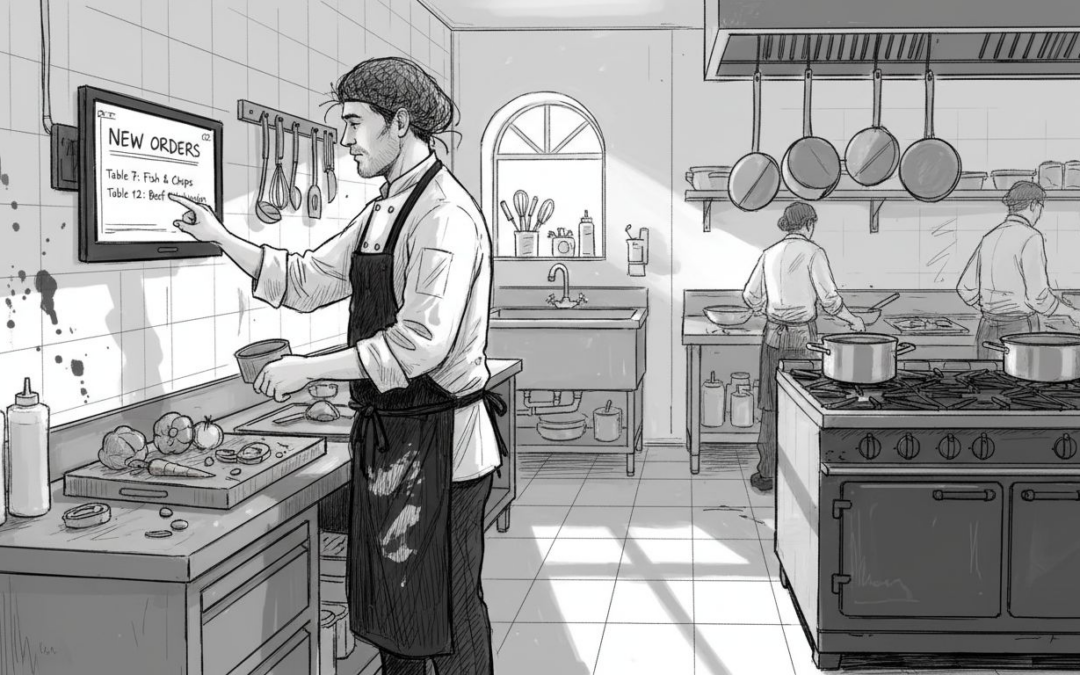
Kitchen order screens represent a transformative digital technology designed to revolutionise restaurant operations by replacing traditional paper-based ordering systems. These advanced digital displays provide real-time communication between front-of-house staff and kitchen teams, enabling precise and instantaneous order tracking and preparation.
At their core, kitchen order screens are sophisticated electronic systems that display incoming food orders digitally, allowing kitchen staff to view and process requests with unprecedented speed and accuracy. Digital kitchen management tools enable restaurants to streamline their workflow, reducing human error and minimising communication delays that traditionally slow down food service.
Modern kitchen order screens typically include features such as colour-coded order statuses, timing indicators, table numbers, and special dietary requirement flags. These capabilities help kitchen teams prioritise orders efficiently, ensure food safety standards are maintained, and provide a clear visual representation of current kitchen workload. By transforming paper tickets into dynamic digital interfaces, restaurants can significantly improve their operational efficiency and reduce potential miscommunication.
Pro tip: When implementing kitchen order screens, train all staff members comprehensively to ensure smooth digital workflow integration and maximise the technology’s potential benefits.
Types Of Kitchen Display Systems Compared
Modern hospitality venues utilise diverse kitchen display systems that cater to different operational requirements. These systems range from basic single-screen configurations to sophisticated multi-screen setups that provide comprehensive kitchen management solutions. Kitchen display technologies have evolved significantly, offering restaurants unprecedented control over their food preparation workflows.
The primary categories of kitchen display systems include single-screen systems, multi-screen setups, and fully integrated digital platforms. Single-screen systems are ideal for smaller restaurants with limited kitchen spaces, displaying orders chronologically and providing basic tracking capabilities. Multi-screen systems allow larger establishments to segment order displays by different cooking stations, such as separate screens for grill, salad preparation, and dessert sections.
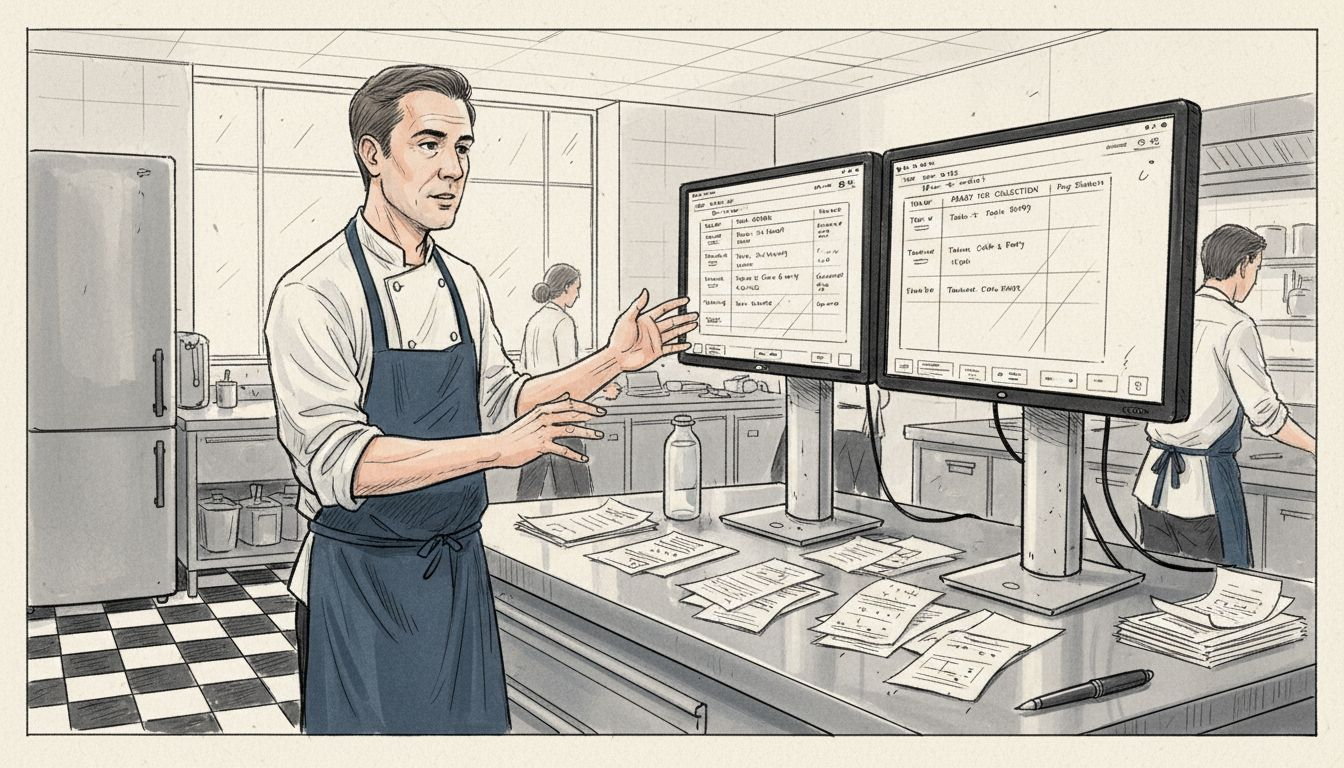
More advanced kitchen display systems now integrate additional functionalities beyond simple order tracking. These sophisticated platforms can connect with point-of-sale systems, track food preparation times, highlight special dietary requirements, and provide real-time performance analytics. Some cutting-edge systems even synchronise with kitchen ventilation equipment and safety monitoring tools, creating a comprehensive digital ecosystem that enhances both operational efficiency and workplace safety.
Pro tip: When selecting a kitchen display system, prioritise scalability and compatibility with your existing restaurant technology infrastructure to ensure seamless integration and future growth.
Here is a comparison of the main types of kitchen display systems and their typical business impacts:
| System Type | Suitable Venues | Key Advantages | Typical Limitations |
|---|---|---|---|
| Single-Screen | Small cafés, bistros | Simple installation, lower cost | Limited functionality, may bottleneck |
| Multi-Screen | Large restaurants, hotels | Enhanced order handling, custom stations | Higher investment, complex setup |
| Integrated Platforms | Chains, high-volume sites | Real-time analytics, full automation | Highest cost, ongoing support needed |
How Kitchen Screens Improve Workflow And Accuracy
Kitchen order screens represent a transformative technology that fundamentally enhances restaurant operational efficiency. Workflow management systems enable kitchen staff to process orders with unprecedented precision, reducing manual handling errors and streamlining communication between front-of-house and kitchen teams.
These digital systems dramatically improve order accuracy by providing crystal-clear visual displays of incoming orders, complete with detailed specifications. Kitchen staff can instantly view critical information such as cooking times, special dietary requirements, and specific customer instructions. This real-time information display eliminates traditional communication bottlenecks, ensuring that each dish is prepared exactly as requested, with minimal risk of misinterpretation or oversight.
Moreover, kitchen screens introduce significant performance tracking capabilities that were previously impossible with traditional paper-based systems. Managers can now monitor individual station performance, track average preparation times, identify potential bottlenecks, and generate comprehensive operational insights. By transforming raw order data into actionable intelligence, these systems enable restaurants to continuously refine their kitchen processes, ultimately delivering faster service and higher customer satisfaction.
Pro tip: Implement a comprehensive staff training programme to ensure your team fully understands and effectively utilises the kitchen screen technology’s full potential.
Integration With POS Systems And Hardware
Effective kitchen order screen integration transforms restaurant technology ecosystems by creating seamless communication between different operational systems. Software compatibility standards ensure that point-of-sale (POS) systems, payment hardware, and kitchen displays work together harmoniously, eliminating traditional operational bottlenecks.
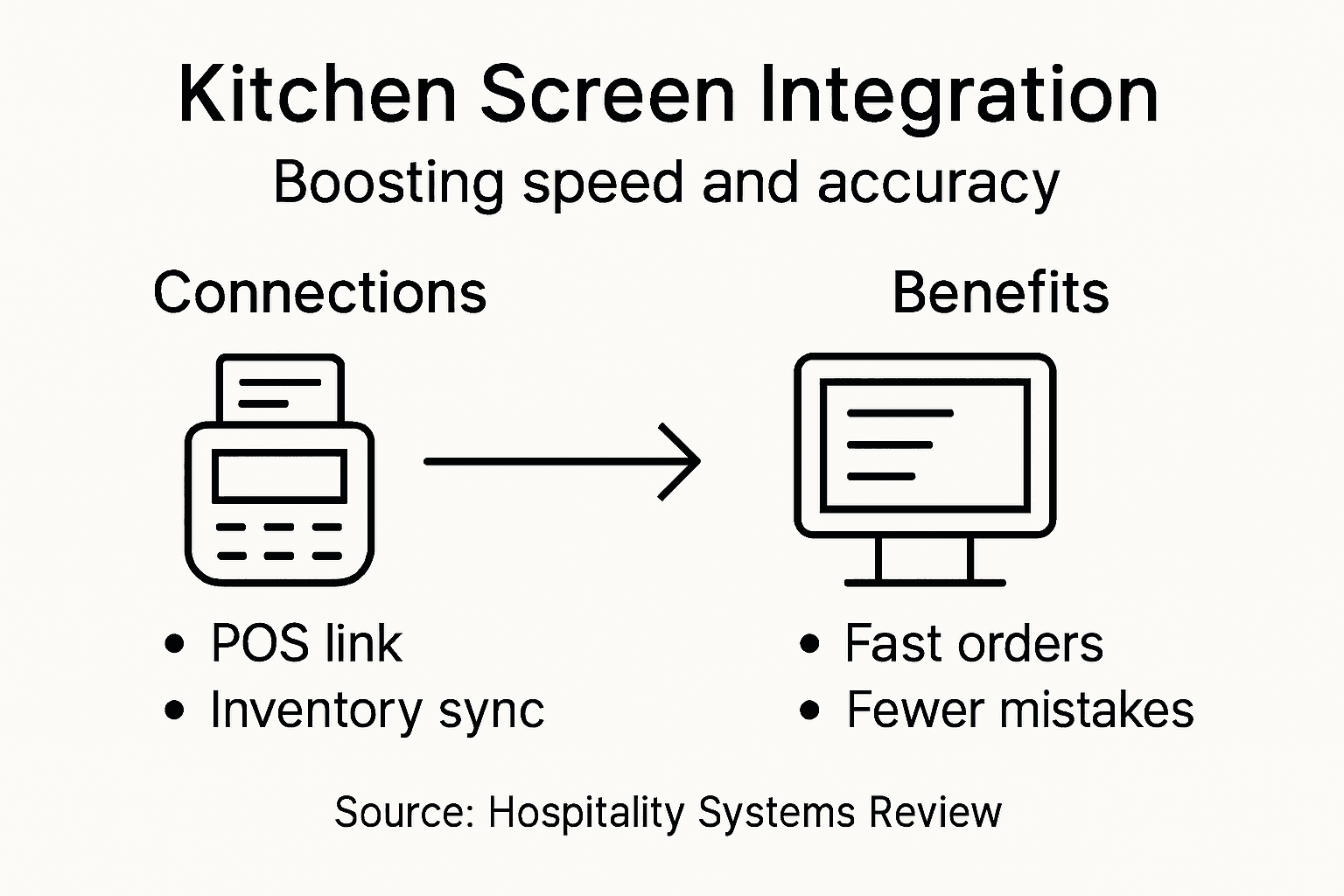
The integration process involves multiple sophisticated technological connections. POS systems automatically transmit order details to kitchen screens, displaying comprehensive information including table numbers, special dietary requirements, order timing, and specific preparation instructions. This digital synchronisation eliminates manual order transcription, dramatically reducing human error and accelerating overall service speed. Payment hardware integration further enhances this ecosystem by enabling real-time transaction tracking and simplified financial reporting.
Modern kitchen display systems now offer unprecedented levels of operational intelligence. They can interface with inventory management tools, automatically updating stock levels as orders are processed, tracking ingredient usage, and providing managers with granular insights into kitchen performance. These advanced integration capabilities transform kitchen screens from simple display tools into comprehensive operational management platforms that support strategic decision-making and continuous performance improvement.
Pro tip: Conduct thorough compatibility testing before implementing new kitchen screen technologies to ensure smooth integration with your existing restaurant management infrastructure.
Cost, Training, And Potential Drawbacks
Implementing kitchen order screens involves substantial financial considerations and comprehensive organisational adaptation. Technology training requirements highlight the critical need for strategic investment beyond mere hardware and software procurement, encompassing staff education and systemic workflow transformation.
The initial financial investment can be significant, typically ranging from £2,000 to £10,000 depending on restaurant size and system complexity. Costs include hardware purchases, software licensing, installation, and ongoing maintenance. While these expenses might seem daunting, the long-term efficiency gains often offset initial outlay through reduced labour costs, improved order accuracy, and enhanced operational productivity. Staff training represents another substantial investment, requiring dedicated time to ensure team members can navigate and utilise the new digital systems effectively.
Potential drawbacks include technological dependency and potential system vulnerabilities. Technical failures can momentarily disrupt kitchen operations, and staff may experience initial resistance to changing established workflow patterns. Restaurants must develop contingency plans, such as maintaining manual order tracking capabilities and implementing robust staff training programmes to mitigate these risks. Additionally, ongoing technical support and regular system updates are essential to maintain optimal performance and address emerging technological challenges.
Pro tip: Develop a phased implementation strategy that includes comprehensive staff training, gradual system introduction, and built-in backup procedures to minimise operational disruptions.
The following table summarises critical cost factors and training requirements for digital kitchen screens:
| Cost Factor | Training Requirement | Long-Term Benefit |
|---|---|---|
| Hardware investment | Staff system navigation | Improved service efficiency |
| Software licensing | Workflow adaptation | Reduced errors, better accuracy |
| Maintenance expenses | Ongoing skills updates | Higher productivity, less downtime |
Elevate Your Kitchen Efficiency with EZEEPos Hospitality Solutions
The challenge of managing rapid order flow and ensuring flawless communication between front-of-house and kitchen teams is at the heart of boosting restaurant efficiency. Kitchen order screens, as highlighted, eliminate errors and delays but require seamless integration with your operational systems to unlock their full potential. EZEEPos offers a specialised Android-based POS platform tailored for busy hospitality venues, combining easy-to-use kitchen screens, real-time order tracking, and integrated inventory management to help you stay ahead of service demands.
Discover how our comprehensive Hospitality – EZEEPos Solution supports smoother workflows and better team coordination right from order to delivery. Take your restaurant operations further with a unified system that manages orders, sales, and staff effortlessly. Visit EZEEPos now to explore flexible hardware including kitchen screens and kiosks, backed by local UK support designed to empower your team. Start transforming your kitchen efficiency today and experience the difference technology makes.
Frequently Asked Questions
What are kitchen order screens?
Kitchen order screens are digital displays used in restaurants to replace traditional paper-based ordering systems, facilitating real-time communication between front-of-house staff and kitchen teams.
How do kitchen order screens improve restaurant workflow?
By providing clear visual displays of incoming orders and essential details, kitchen order screens reduce manual handling errors and improve communication, thus speeding up order processing and enhancing overall efficiency.
What types of kitchen display systems are available?
Kitchen display systems range from single-screen setups suitable for small venues to multi-screen configurations for larger establishments, and fully integrated platforms that offer comprehensive kitchen management solutions.
What are the cost considerations for implementing kitchen order screens?
The initial investment for kitchen order screens typically ranges from £2,000 to £10,000, depending on the size and complexity of the system, and additional costs for staff training and maintenance must also be considered.
Recent Comments