
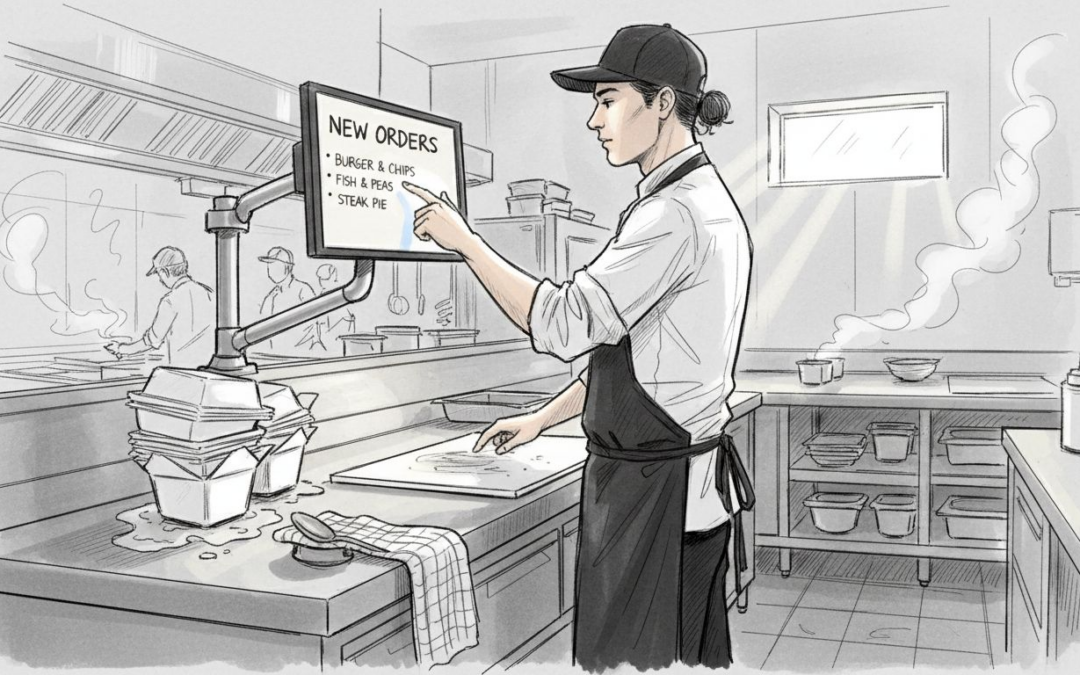
Over 60 percent of British restaurant managers believe outdated ticket systems slow kitchen performance and lead to errors. With pressure mounting in crowded kitchens and rapid-fire orders, the need for reliable technology grows more urgent each day. By cutting through common misconceptions and highlighting the powerful features of kitchen order screens, this guide helps British restaurant and café managers discover practical digital solutions that sharpen precision, strengthen teamwork, and keep every plate on track.
Table of Contents
- Defining Kitchen Order Screens And Common Myths
- Types Of Kitchen Screens And How They Differ
- Key Features And Integration With Pos Systems
- Benefits For Workflow, Efficiency And Accuracy
- Costs, Challenges And Common Implementation Mistakes
Key Takeaways
| Point | Details |
|---|---|
| Modern Kitchen Order Screens Enhance Efficiency | These systems replace traditional methods with real-time digital displays, streamlining food preparation and reducing errors. |
| Integration with POS Systems is Essential | Successful implementation hinges on seamless connectivity, enabling instant communication and robust order management. |
| Staff Training is Crucial for Success | Comprehensive training ensures smooth adoption and maximises the potential of new technologies in kitchen operations. |
| Tailored Solutions Drive Effectiveness | Customising kitchen order screen configurations to specific workflows is vital for optimising operational performance. |
Defining Kitchen Order Screens And Common Myths
Kitchen order screens represent a sophisticated digital solution transforming restaurant operational workflows. These advanced display systems replace traditional paper ticket methods by communicating order details instantly to kitchen staff through electronic interfaces. Unlike manual tracking systems, these screens provide real-time updates, enabling restaurants to streamline their entire food preparation process.
Modern kitchen order screens dispel several common misconceptions. Many restaurant managers mistakenly believe these systems are complex or expensive. In reality, digital display technologies have become increasingly accessible and user-friendly. They integrate seamlessly with existing point-of-sale platforms, offering immediate benefits like reduced errors, improved communication, and enhanced operational efficiency. Restaurants can track order statuses, prioritise dishes, and minimise preparation delays with remarkable precision.
The technological capabilities of kitchen order screens extend far beyond simple order display. These systems provide granular insights into kitchen performance, tracking metrics like preparation times, staff productivity, and potential bottlenecks. Managers can analyse visual dashboards that highlight workflow inefficiencies, enabling data-driven decisions that optimise kitchen operations. By transforming raw order information into actionable intelligence, these screens become strategic tools for continuous improvement.
Pro tip: When implementing kitchen order screens, start with a comprehensive staff training programme to ensure smooth technological adoption and maximise system potential.
Types Of Kitchen Screens And How They Differ
Kitchen order screens represent a diverse technological ecosystem, with multiple display configurations designed to meet specific restaurant operational requirements. These systems range from stationary wall-mounted displays to portable touchscreen interfaces, each offering unique advantages for different kitchen environments. Understanding these variations helps restaurant managers select the most appropriate solution for their specific workflow and spatial constraints.
The primary categories of kitchen screens include fixed wall-mounted displays, tablet-based systems, and interactive touchscreen panels. Fixed displays are ideal for large commercial kitchens with dedicated preparation areas, providing constant visibility of incoming orders. Tablet-based systems offer unprecedented flexibility, allowing staff to move freely while tracking order statuses. Interactive touchscreen panels represent the most advanced option, enabling real-time order management, ingredient tracking, and detailed performance analytics.
Each screen type brings distinctive benefits tailored to different restaurant contexts. Wall-mounted screens suit high-volume establishments with multiple cooking stations, ensuring comprehensive order visibility. Tablet systems work exceptionally well in smaller kitchens or mobile catering environments, where space and mobility are critical. Touchscreen panels excel in sophisticated restaurant settings requiring granular order tracking and staff coordination. The choice depends on factors like kitchen layout, staff numbers, order complexity, and technological infrastructure.
Here’s a comparison of common kitchen order screen types and their best-use scenarios:
| Screen Type | Ideal Environment | Primary Benefit |
|---|---|---|
| Wall-mounted Display | Large, multi-station kitchens | Maximum order visibility |
| Tablet-based System | Small or mobile catering setups | Enhanced staff mobility |
| Interactive Touchscreen | Data-driven, complex operations | Advanced analytics & control |
Pro tip: Evaluate your kitchen’s specific workflow and spatial constraints before selecting a kitchen order screen system to ensure optimal technological integration and performance.
Key Features And Integration With POS Systems
Kitchen order screens represent a sophisticated technological solution that seamlessly integrates with modern point-of-sale kitchen systems. These advanced digital platforms connect multiple restaurant operational components, transforming how kitchens manage and process incoming orders. The integration capability enables real-time communication between front-of-house ordering interfaces and back-of-house preparation stations, creating a streamlined and efficient workflow.
Key features of contemporary kitchen order screen systems include comprehensive order tracking, automated prioritisation, and detailed performance analytics. These systems can segregate orders by preparation time, highlight urgent dishes, and provide visual cues for kitchen staff. Managers gain granular insights into kitchen productivity, including average preparation times, staff efficiency, and potential bottlenecks. The ability to categorise orders by complexity, dietary requirements, and cooking duration allows for more intelligent kitchen management.
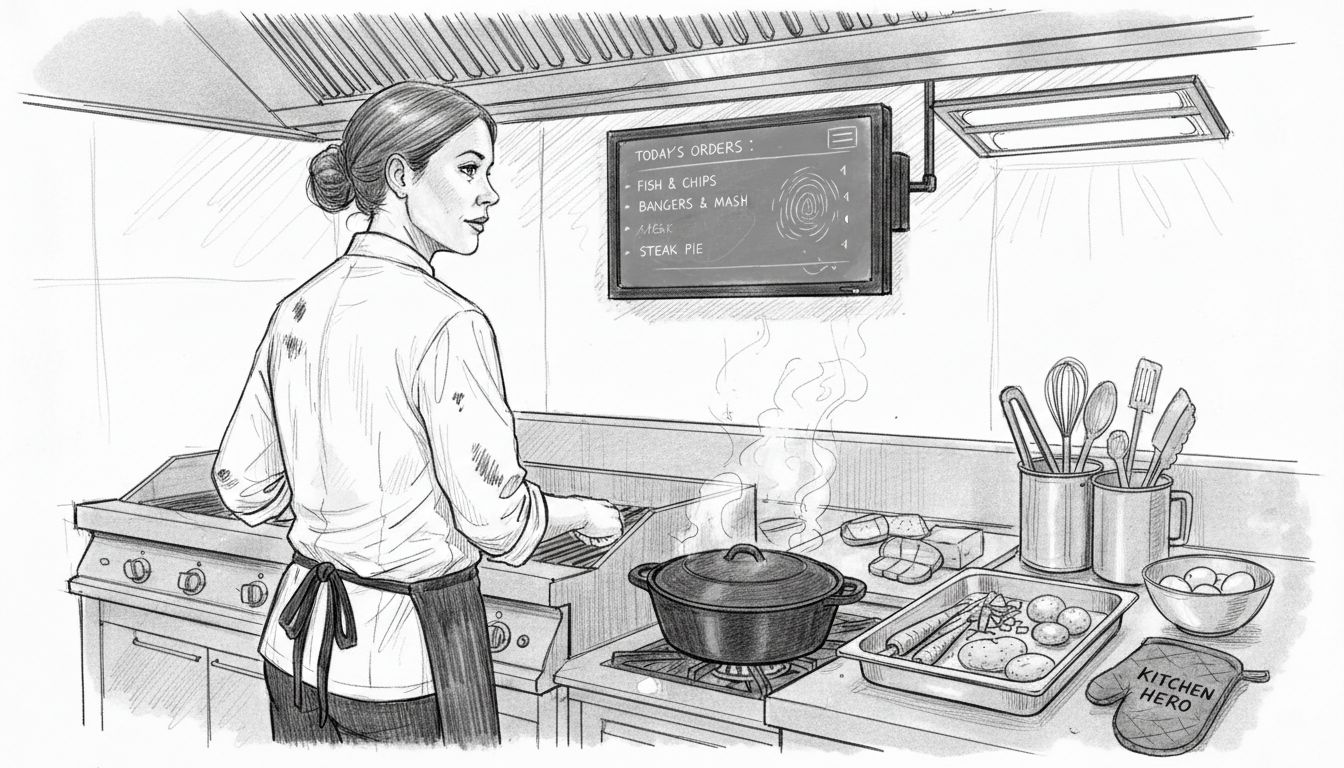
Successful POS integration involves multiple critical technological components. These systems must support seamless data transmission, ensuring that every order detail transfers accurately from the point of sale to the kitchen display. Robust integration allows for instant updates, order modifications, and real-time communication between servers and kitchen staff. Advanced systems can also track inventory levels, manage ingredient availability, and automatically update menu options based on current stock, creating a dynamic and responsive kitchen ecosystem.
Pro tip: Conduct thorough staff training and run comprehensive system tests to ensure smooth technological integration and maximise the potential of your kitchen order screen platform.
Benefits For Workflow, Efficiency And Accuracy
Kitchen order screens dramatically transform restaurant operations through significant workflow improvements. These digital systems eliminate traditional communication bottlenecks, replacing handwritten order tickets with precise, instantaneous digital displays. By providing crystal-clear order information, restaurants can dramatically reduce misunderstandings, streamline preparation processes, and enhance overall kitchen productivity.
Efficiency gains emerge through multiple strategic mechanisms. Kitchen staff benefit from automated order prioritisation, reduced physical movement between stations, and immediate visual guidance. Advanced systems can batch similar orders, minimise unnecessary walking, and provide real-time performance metrics. Managers gain unprecedented insights into kitchen dynamics, tracking preparation times, identifying potential bottlenecks, and optimising staff allocation with unprecedented precision. These technological solutions transform kitchens from reactive environments to proactive, data-driven workspaces.
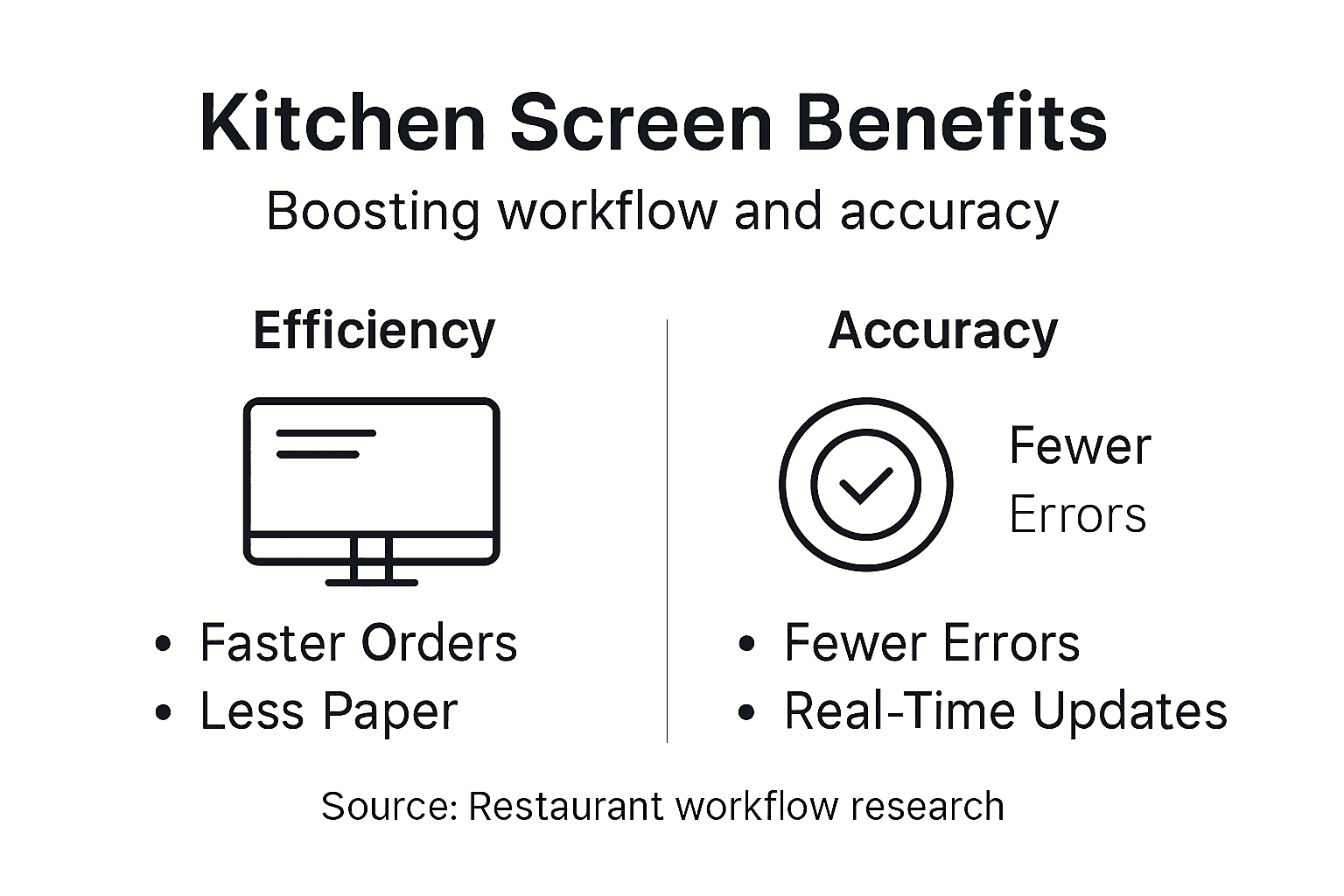
Order accuracy represents another profound benefit of modern kitchen display systems. By highlighting critical order modifiers, dietary requirements, and specific preparation instructions, these platforms significantly reduce human error. Automatic order routing ensures that complex dishes reach the correct preparation stations, while instant update capabilities allow immediate communication of modifications. The result is a substantial reduction in food waste, improved customer satisfaction, and a more confident, less stressed kitchen team that can focus on culinary excellence rather than administrative challenges.
Pro tip: Implement a gradual training programme that allows kitchen staff to incrementally adapt to the new digital system, ensuring smooth technological transition and maintaining team morale.
Costs, Challenges And Common Implementation Mistakes
Implementing kitchen order screens involves navigating complex technological and organisational challenges, with critical implementation considerations that can significantly impact project success. The financial investment encompasses hardware purchases, software licensing, integration expenses, and ongoing technical support. Restaurant managers must carefully evaluate total cost of ownership, considering not just initial expenditure but long-term operational benefits and potential efficiency gains.
Common implementation challenges frequently emerge from inadequate preparation and staff engagement. Many restaurants underestimate the importance of comprehensive training programmes, assuming staff will intuitively understand new technological systems. Successful deployment requires a structured approach that includes detailed staff consultation, incremental system introduction, and continuous performance monitoring. Integration problems often arise from incompatible point-of-sale systems, necessitating thorough technological compatibility assessments before system selection and implementation.
The most frequent implementation mistakes include neglecting staff input, rushing technological transition, and failing to customize systems to specific kitchen workflows. Restaurants must avoid a one-size-fits-all approach, recognising that each kitchen has unique operational requirements. Successful implementation demands a nuanced strategy that balances technological capabilities with human factors, ensuring that digital systems enhance rather than complicate existing work processes. Managers should prioritise systems that offer flexibility, intuitive interfaces, and seamless integration with existing technological infrastructure.
Below is a summary of key challenges faced during kitchen order screen implementation and how to overcome them:
| Challenge | Why It Happens | Mitigation Approach |
|---|---|---|
| Insufficient Staff Training | Underestimation of learning needs | Conduct regular hands-on sessions |
| POS System Incompatibility | Using outdated or unsupported systems | Perform pre-implementation checks |
| Ignoring Workflow Realities | Applying a generic tech solution | Customise to specific kitchen flow |
| Rushed Transition | Pressure to modernise quickly | Pilot test and gather staff input |
Pro tip: Conduct a comprehensive pilot programme involving key kitchen staff to test and refine the kitchen order screen system before full-scale implementation.
Elevate Your Kitchen Workflow with EZEEPos
Struggling with order accuracy and slow kitchen communication can hold back your restaurant’s full potential. The article highlights common challenges such as inefficient order tracking, lack of real-time updates, and poor integration with point-of-sale systems. EZEEPos offers a comprehensive Hospitality solution designed specifically to address these issues through powerful kitchen order screen technology. Our Android-based platform ensures seamless order flow from front-of-house to kitchen, reducing errors and boosting team efficiency with intuitive interfaces that adapt to your workflow.
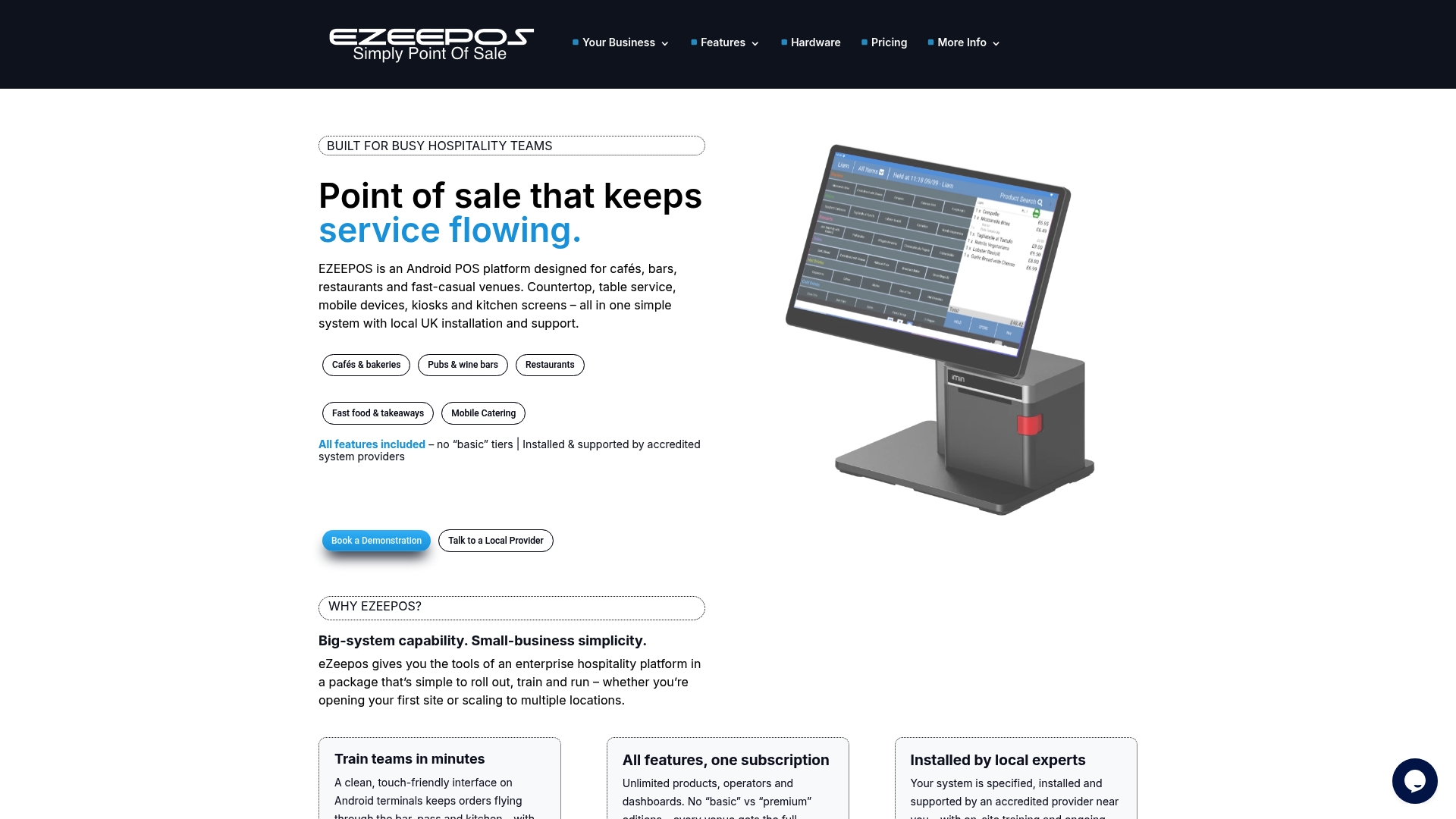
Discover how EZEEPos can transform your kitchen operations today by integrating smart kitchen screens with your POS system. Benefit from faster service times, clearer communication, and smarter staff coordination. Visit EZEEPos now to explore our tailored solutions, including capable Add On Modules and reliable hardware that empower your team. Take the first step towards a streamlined kitchen experience that delights customers and supports your staff effectively.
Frequently Asked Questions
What are kitchen order screens?
Kitchen order screens are digital display systems used in restaurants to replace traditional paper ticket methods. They communicate order details instantly to kitchen staff, improving operational workflows through real-time updates and enhanced communication.
How do kitchen order screens improve restaurant efficiency?
Kitchen order screens improve efficiency by automating order prioritisation, reducing human error, and providing real-time performance metrics. This leads to streamlined food preparation, better staff coordination, and reduced food waste.
What types of kitchen order screens are available?
Various types of kitchen order screens include fixed wall-mounted displays, portable tablet-based systems, and interactive touchscreen panels. Each type offers unique benefits suited to different kitchen environments and operational requirements.
How should restaurants implement kitchen order screens effectively?
Effective implementation requires a structured approach that includes comprehensive staff training, compatibility checks with existing point-of-sale systems, and a customised setup to fit specific kitchen workflows. A pilot programme can help test the system before full-scale deployment.
Recent Comments