
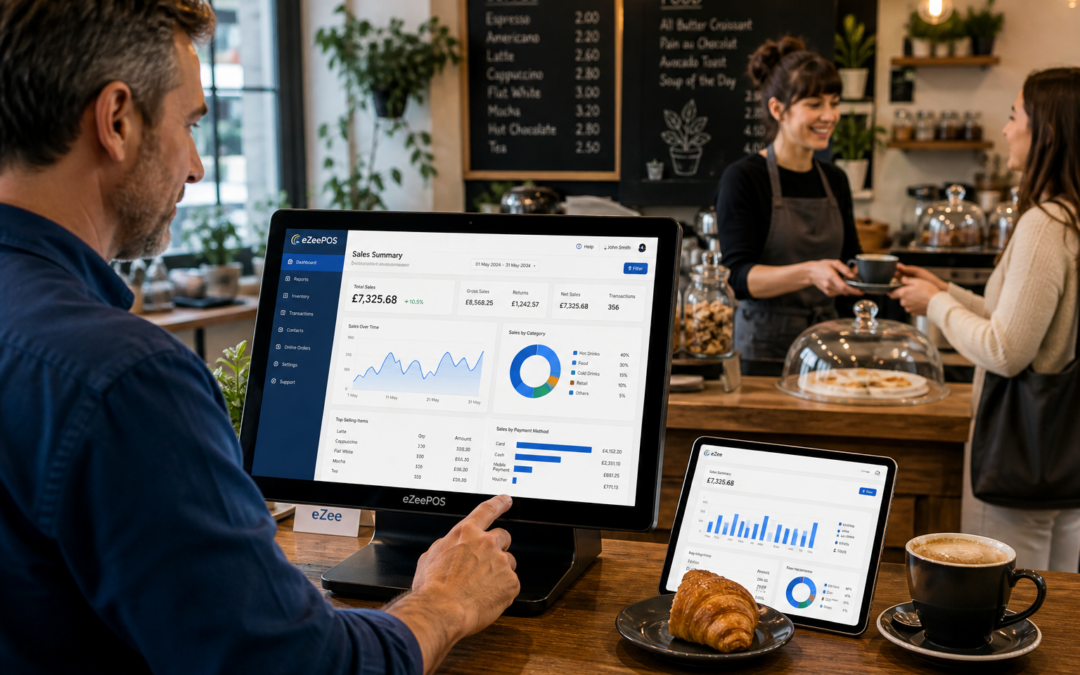
Sales reporting is one of the most practical features in a modern EPOS system. For many UK independent businesses, it is not about producing impressive charts for the sake of it. It is about understanding what is happening on the shop floor or at the counter, then using that insight to make better decisions day to day.
At eZeePOS, reporting is designed to be useful for real retail and hospitality settings, not just head office reviews. Whether you run a shop, cafe, takeaway, or mixed trade business, good reporting can help you spot patterns, plan ahead and reduce guesswork.
Why sales reporting matters in everyday trading
Many business owners have a good instinct for what is selling well, but instinct only goes so far. Sales reports give you a clearer picture of what is actually happening. That can help you answer simple but important questions such as:
- Which products, menu items or departments are driving the most sales?
- What times of day are busiest?
- Are sales stronger midweek or at weekends?
- How do different staff shifts affect takings?
- Are certain promotions working better than others?
When these answers are easy to find, decisions become easier too. You can place staff more effectively, adjust opening times, review product ranges and prepare for busy periods with more confidence.
What useful sales reporting looks like
Not every report needs to be complicated. In fact, the most valuable reports are often the simplest ones. A well-set-up EPOS system should help you get a clear view of trading without needing to spend hours looking through raw figures.
Daily sales summaries
Daily summaries help you understand the basic shape of trade. They can show total takings, number of transactions, average spend and how business changed throughout the day. That is useful for spotting whether a lunch rush was stronger than expected, or whether an afternoon lull needs better staffing.
Product and category performance
For retailers, product reporting can show which lines are performing well and which are sitting quietly on the shelf. For hospitality businesses, category reports can highlight best-selling drinks, dishes or add-ons. That sort of insight helps you decide what to promote, what to reorder and what may need reviewing.
Time-based reporting
Time reports are especially helpful for shops, cafes and takeaways that see different patterns across the week. If you can see when custom is strongest, it becomes much easier to schedule staff, prepare stock and plan opening hours around real demand rather than assumptions.
How reporting helps different types of UK businesses
One of the strengths of EPOS reporting is that it can support many different business types without forcing them all to work in the same way. A fashion shop will want different insights from a cafe, and a garden centre will have different priorities again. That is why flexible reporting matters.
For retail shops
Retailers often use reporting to understand category performance, seasonal trends and sales by day or time. A gift shop may notice certain items selling best in the run-up to bank holidays, while a shop selling everyday essentials may want to review busy periods by hour. This makes it easier to plan product ranges and improve staff cover where it counts.
For cafes, restaurants and takeaways
In hospitality, reporting can help you identify peak service periods, top-selling dishes, popular add-ons and quieter trading windows. That can support menu planning, service planning and more realistic forecasting. It also makes it easier to spot whether a special offer is increasing spend or simply reducing margin.
For mixed or seasonal businesses
Shops that also operate a cafe, or seasonal businesses such as garden centres and farm shops, can benefit from being able to view trade in separate areas. This helps owners understand which parts of the business are carrying the strongest demand at different times of year.
Turning reports into practical action
The real value of reporting is not the report itself. It is what you do with it. A good EPOS system should help you move from information to action in a straightforward way.
- If a product is selling consistently, you can keep it visible and well stocked.
- If another line is underperforming, you can decide whether to discount it, reposition it or remove it.
- If certain hours are regularly busy, you can arrange better staffing cover.
- If a promotion is not working, you can change the offer before it costs too much.
- If takings vary by location in a multi-site business, you can compare performance more clearly.
Even small improvements can make a noticeable difference over time. Better reporting can help reduce waste, improve service levels and make the day feel more under control.
What to look for in EPOS reporting
If you are choosing or reviewing your EPOS system, reporting should be easy to access and easy to understand. You should not need a long training session just to find the figures that matter.
Useful reporting usually includes:
- clear sales summaries
- simple time and day breakdowns
- product or category performance
- staff or till performance where needed
- easy comparison between periods
- the ability to review busy and quiet trading patterns
It also helps if reports can be checked quickly from the till or another connected device, so owners can review trading without holding up service. In a busy UK business, convenience matters as much as detail.
Keeping reporting practical, not overwhelming
Good reporting should support decisions, not bury you in data. That is especially important for independent businesses where time is limited and day-to-day pressure is high. A sensible EPOS setup should keep reports clear, relevant and accessible, so owners can spend less time searching for figures and more time acting on them.
For many businesses, the goal is simply to make better day-to-day decisions with less guesswork. That might mean adjusting rotas, refining a menu, changing a promotion or improving trading plans for a busy weekend. Small changes like these often start with clear reporting.
If you are exploring EPOS software for your shop, cafe, restaurant or takeaway, take a look at how eZeePOS can support a more useful reporting setup. For a practical conversation about the right system for your business, Contact YCR Distribution at sales@ezeepos.co.uk or call 01924 438238.
Recent Comments