
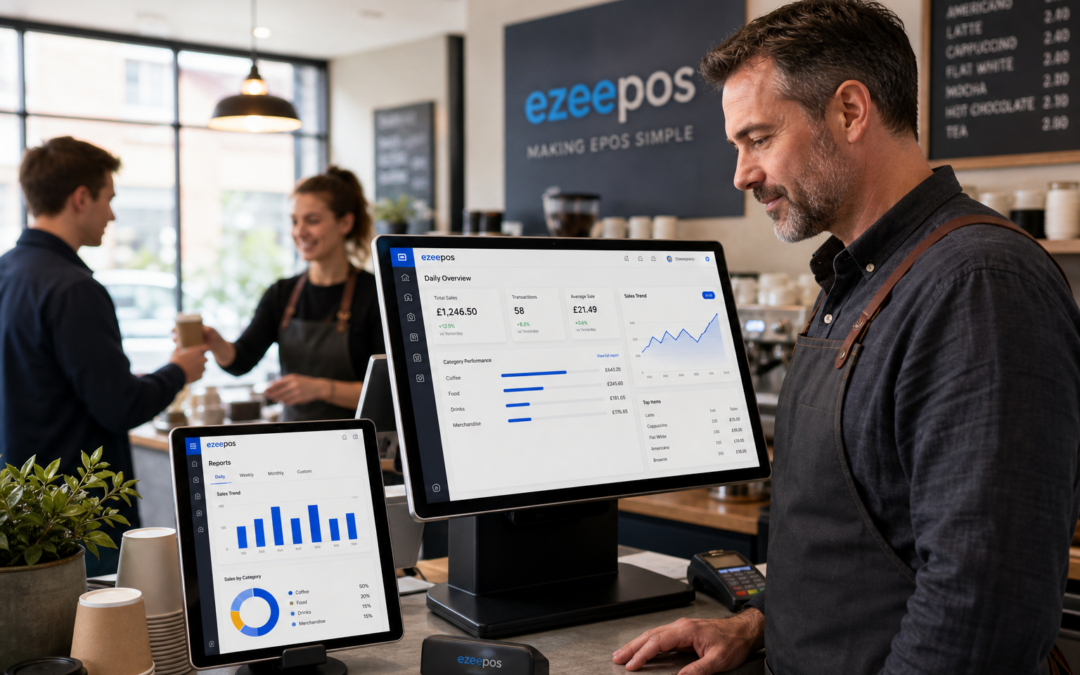
Turning daily sales data into useful business insight
For many independent retailers, cafes, restaurants and takeaways, the till is used all day but the information it holds is often only looked at at the end of the week, or when something seems wrong. That means a lot of useful detail can go unnoticed. With the right reporting setup, an EPOS system can do far more than process sales. It can help business owners understand what is selling, when trade is busiest and how the business is performing overall.
If you are looking for a practical UK EPOS platform that combines sales tracking with everyday usability, eZeePOS is designed to support that kind of day-to-day decision making. You can learn more at www.ezeepos.co.uk.
Why reporting matters in small businesses
In a smaller business, decisions are often made quickly. You may be deciding what to reorder, when to roster staff, whether a promotion is working or which menu items deserve more attention. Without clear reporting, those decisions can rely too much on guesswork.
EPOS reporting gives you a clearer view of what is actually happening. Instead of relying only on memory or a quick glance at the till, you can review sales by day, department, item, category or time period. That makes it easier to spot patterns and respond in a more informed way.
Common questions reporting can help answer
- Which products or menu items are selling best?
- Which times of day are busiest?
- Are weekdays or weekends performing better?
- Which locations, if you run more than one, are trading most strongly?
- Did a recent offer or price change have the effect you wanted?
What useful EPOS reports can show
Every business is different, but the most helpful reports tend to be the ones that make daily management easier rather than more complicated. Good reporting should help you make practical decisions without requiring a lot of training or spreadsheet work.
Sales trends over time
Seeing sales over a day, week or month gives a better picture of trading than looking at single transactions in isolation. It can help you identify busy periods, quieter periods and seasonal changes. For example, a cafe may notice stronger morning trade on weekdays, while a shop may see a weekend lift.
Product and category performance
When you can see which items and categories perform best, it becomes easier to focus on what customers actually want. That might help with menu planning in hospitality or with product range decisions in retail. It can also highlight items that are popular but not especially profitable, or products that are taking up shelf space without moving much.
Staff and site comparisons
For businesses with more than one team member, shift or branch, reporting can help compare performance in a fair and simple way. It is not about monitoring staff for the sake of it. It is about understanding patterns, such as which shifts are busiest, where service slows down or which site is trading more strongly.
How reporting supports better day-to-day decisions
The real value of reporting is not in the numbers themselves. It is in what you do with them. A good EPOS report can help you make decisions that are quicker, calmer and more grounded in evidence.
Planning staffing more accurately
If you can see when trade builds through the day, it becomes easier to plan shifts and avoid overstaffing or understaffing. That matters in cafes, restaurants, bars and shops alike. Even small changes to staffing levels can improve service and reduce stress during busy periods.
Improving promotions and offers
Promotions work best when you can see whether they are actually driving sales. Reporting can help you judge whether a discount, bundle or featured item is worth repeating. If a promotion increases footfall but reduces average spend too much, that is useful information too.
Understanding customer demand
Trends in sales can tell you a lot about customer behaviour. A retailer may use reports to notice demand changing by season. A takeaway may find certain dishes sell better on specific evenings. A restaurant may see that lunch trade needs a different approach from dinner service.
Reporting is especially useful when trade changes quickly
Independent businesses often have to react fast. Weather, local events, school holidays, paydays and seasonal peaks can all change how customers shop or dine. EPOS reporting helps take some of the uncertainty out of those shifts.
Instead of waiting until the end of the month to assess performance, you can review what is happening more regularly. That means you are less likely to miss early signs of a problem and more likely to act before it becomes expensive.
Keeping reporting simple enough to use
Reporting only helps if people actually use it. A complicated system filled with irrelevant figures can slow you down instead of helping. The best setups present information in a clear, practical format that busy business owners can understand quickly.
That is one reason many independent businesses choose modern EPOS software over basic tills or manual record keeping. A touchscreen till setup can make it much easier to view daily takings, check performance and review useful summaries without having to piece information together from several different places.
What to look for in a useful reporting setup
- Clear sales summaries by day, week and month
- Simple category and item analysis
- Easy-to-read figures for busy periods
- Accessible reports for managers and owners
- Practical insight without too much complexity
Reporting across retail and hospitality
While the details vary by business type, the overall benefit is the same: better visibility leads to better decisions. A gift shop may use reports to understand seasonal trading. A cafe may track breakfast versus lunch performance. A pub may review peak hours and popular drinks. A takeaway may use sales patterns to plan staff levels and prepare for busy service.
For growing businesses, reports also become more valuable over time. As more data builds up, you have a stronger foundation for comparison and planning. That can make it easier to identify what is working well and where small adjustments could make a real difference.
A practical next step for UK businesses
If you want a better picture of your daily trading, EPOS reporting is one of the most useful features to explore. It can help turn routine sales data into decisions that support service, planning and profitability. For independent businesses, that kind of insight is often more valuable than a long list of complicated features.
To see how eZeePOS could support your retail or hospitality business, visit www.ezeepos.co.uk. Contact YCR Distribution at sales@ezeepos.co.uk or call 01924 438238.
Recent Comments