
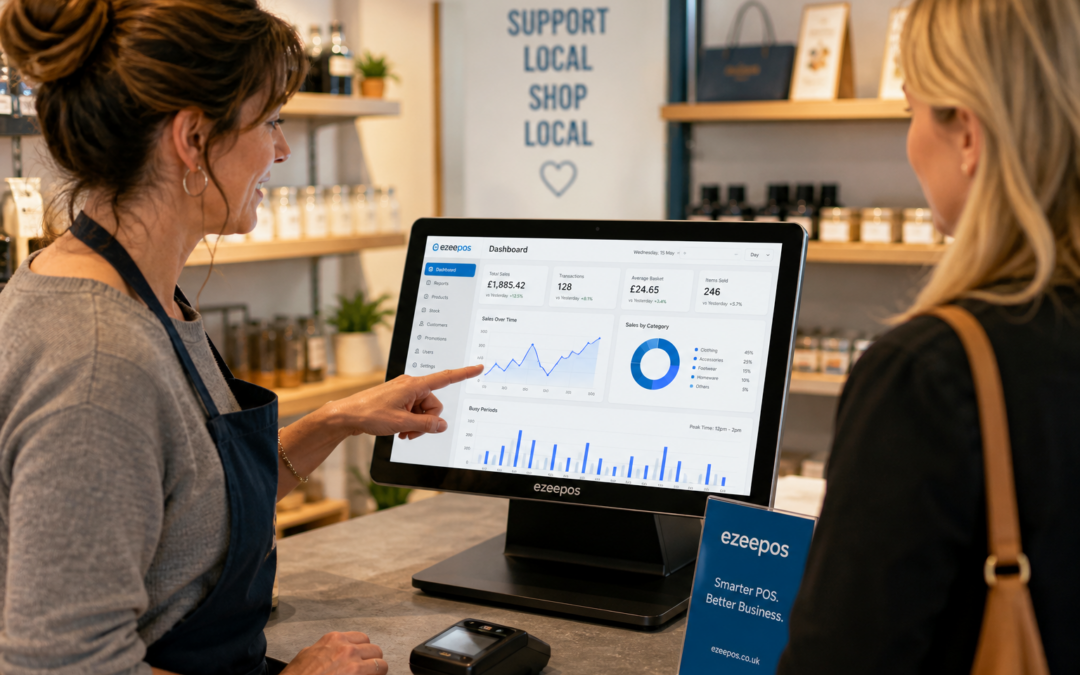
Why reporting is one of the most useful parts of EPOS
For many independent shops, daily trading can feel busy enough without having to piece together sales figures from different notes, spreadsheets or end-of-day messages. Good reporting brings everything into one place and gives owners a clearer view of what is happening on the shop floor.
That is why many retailers choose a system like eZeePOS. It is not just about processing transactions quickly; it is about helping owners understand the business behind the counter. If you want a better picture of performance, www.ezeepos.co.uk is a useful place to start.
What better reporting can show you
EPOS reporting is most valuable when it turns everyday sales into useful information. For independent shops, that can mean spotting which products are popular, when the busiest periods happen and which days are stronger or weaker than expected.
Instead of relying on memory, you can use the data already captured at the till to answer practical questions such as:
- Which products sell most consistently?
- What time of day is busiest?
- Are weekends or weekdays stronger?
- How do individual staff shifts compare?
- Are there patterns in returns or voids?
When this information is easy to view, it becomes much simpler to make small changes that can improve day-to-day trading.
Smarter decisions for independent retailers
Know when to staff the shop properly
One of the clearest uses of reporting is understanding busy periods. If your shop is always under pressure at lunchtime, on Saturdays or during school runs, that pattern should be visible in your sales data. With that information, you can plan rotas more confidently and reduce pressure on the till point during peaks.
Understand what customers actually buy
Some products drive repeat visits, while others perform well only at certain times of year. Reporting helps you see which lines deserve the most attention. That may affect how you display items, how you group products and which ranges deserve more prominence near the counter or in the window.
Spot slow-moving lines earlier
Independent shops often carry a wide mix of products, and not every line will perform equally well. If sales reports show that certain items are not moving, you can make informed decisions about promotions, shelf space or reordering. This does not need to be complicated; it simply helps avoid guesswork.
Reporting for different types of independent shops
Reporting can be useful across many retail settings, not just one type of shop. A convenience store may want to see peak trade and basket trends, while a gift shop may want to understand seasonal performance. A pet shop, farm shop or hardware store may focus more on category performance and repeat purchases.
The value is the same: better visibility leads to better decisions. When an EPOS system presents sales clearly, owners spend less time chasing figures and more time running the shop.
How reporting can help with promotions and pricing
Promotions work best when they are based on evidence. If you are offering a discount, bundling products or running a short-term campaign, reporting helps you see whether it actually made a difference. You can compare sales before and after the promotion and judge whether the offer justified the margin change.
This is particularly helpful for shops that run seasonal lines or short-run promotions. Rather than guessing which offer might work, you can use sales data from your own business to make a more practical decision next time.
Keeping daily admin under control
Good reporting can also reduce the amount of manual work needed at the end of the day. Instead of checking figures against multiple notebooks or separate spreadsheets, staff and owners can review a clear summary from the EPOS system. That can make daily close-down easier and reduce the chance of missing important information.
It also helps when more than one person is involved in looking after the business. If you are handing over duties to a manager, family member or trusted team leader, clear reports make it easier for everyone to stay on the same page.
How eZeePOS supports practical business reporting
eZeePOS is designed to support retail businesses that need more than a basic till. The reporting tools are there to help shop owners understand sales trends, monitor trading patterns and make decisions with more confidence. That can be especially useful for independent retailers who want a straightforward system without unnecessary complexity.
Whether you manage a single shop or a small group of sites, reporting can help you stay better informed. For businesses that are growing, this becomes even more useful because you can compare performance over time and spot changes earlier.
Making reports useful, not overwhelming
The best reporting is the kind you can actually use. If a system produces too much information, it can become harder to see what matters. A good EPOS setup should make key figures easy to find and simple to interpret.
For many independent shops, that means focusing on a few core questions:
- How is the business performing today?
- What changed compared with last week?
- Which products or departments need attention?
- Where are the busiest trading periods?
When reporting answers these questions clearly, it becomes part of everyday management rather than an occasional task.
A better view of the business behind the till
Independent retailers often make a huge number of small decisions every day. The right reporting tools can turn those decisions from guesswork into something more grounded. That makes it easier to plan staffing, review products and understand what is really happening in the business.
If you want to see how a practical UK EPOS system could support your shop, take a look at www.ezeepos.co.uk. Contact YCR Distribution at sales@ezeepos.co.uk or call 01924 438238.
Recent Comments