
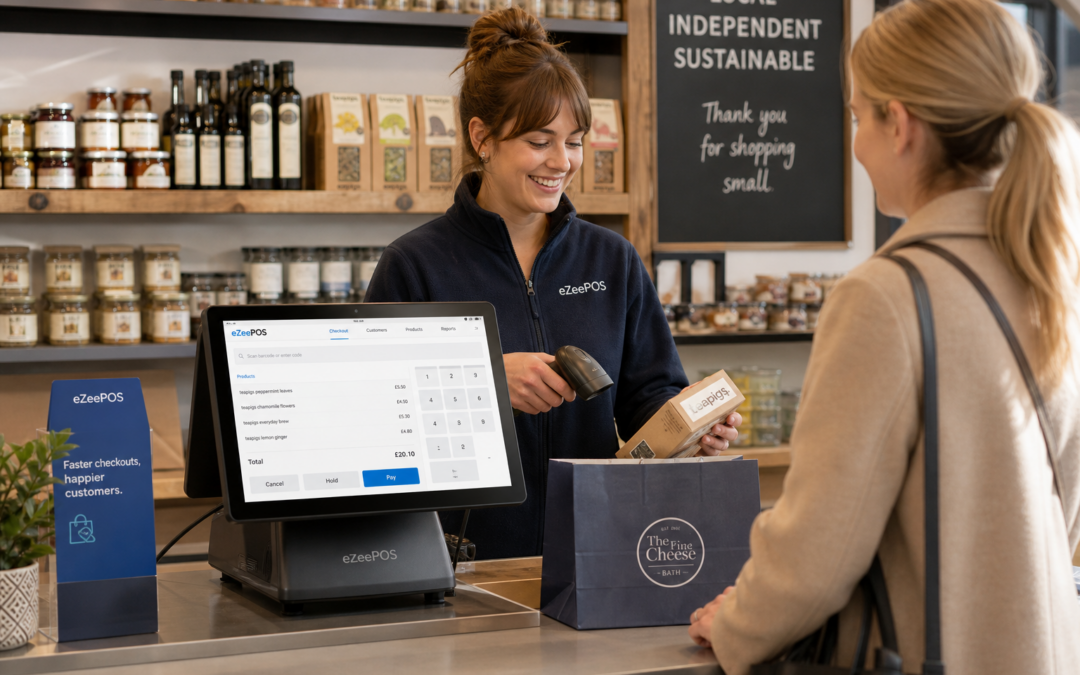
For many UK retailers, the difference between a calm checkout and a frustrating queue often comes down to speed and accuracy at the till. Barcode scanning is one of the simplest ways to improve both. It helps staff find products quickly, reduce manual entry and keep the customer moving, especially during busy periods.
For independent shops, convenience stores, gift shops and other retail businesses, barcode scanning is not just a nice extra. It is a practical part of day-to-day service. When linked with a modern EPOS system such as eZeePOS and supported by the right setup, scanning can make the checkout process easier for staff and more reliable for customers. If you want to explore options for your own business, visit www.ezeepos.co.uk.
Why barcode scanning matters at the till
Every extra second at checkout can affect the customer experience. A barcode scanner removes the need for staff to type item codes manually, which helps reduce delays and avoids mistakes caused by similar product names or long descriptions.
That matters in all kinds of retail settings. A small convenience store might need to keep up with constant footfall. A gift shop may sell a wide mix of items that are easy to miskey. A farm shop or garden centre may handle seasonal products where staff are not always familiar with every line. In each case, a scanner helps make the transaction feel smoother and more consistent.
Common benefits for independent retailers
- Faster item entry at the checkout
- Fewer manual typing errors
- Shorter queues during busy times
- Less training needed for new staff
- A more professional and organised checkout experience
How barcode scanning supports everyday retail work
Barcode scanning is often thought of only as a speed feature, but its value goes further than that. It helps staff stay focused on the customer rather than the screen. Instead of searching through long menus or trying to remember item codes, they can scan and move on.
This can be especially useful in shops with smaller teams, where one person may be serving customers, answering questions and handling the till all at once. A straightforward scanning process reduces pressure and helps keep service steady.
Useful in busy retail environments
In convenience stores and local shops, scanning helps during peak times such as lunch hours, after school or weekends. In fashion and clothing shops, it helps when customers are buying several sizes or colours. In pet shops, hardware stores and garden centres, it supports quicker checkout when customers are purchasing mixed baskets of products.
When the till is faster, staff can spend more time helping customers, answering product questions or keeping the shop floor tidy. That can make a real difference to the feeling of the business.
Reducing errors and avoiding avoidable delays
Manual entry always carries some risk. A mistyped code, the wrong variant or a missed item can all slow down the queue and create extra work later. Barcode scanning helps reduce those mistakes by pulling the right item into the sale more reliably.
That matters not only for speed, but also for confidence. If staff know the till will recognise the product correctly, they can serve customers with less hesitation. For newer team members, that can make a big difference to how quickly they settle into the role.
Where scanning helps most
- Products with similar names or sizes
- Items sold in multiple variants
- Repeated sales of the same everyday products
- Shops with seasonal or fast-changing stock lines
Barcode scanning and a modern EPOS setup
A scanner is most useful when it works as part of a wider setup rather than as a stand-alone device. A modern EPOS or POS system should make it easy to scan items, apply discounts where needed and complete the transaction without unnecessary steps.
For retailers looking to improve the customer journey, this means the till becomes less of a bottleneck and more of a support tool. Staff can scan products, confirm the basket and complete payment in a more natural flow. That is one reason many businesses prefer a touchscreen till paired with scanning rather than a basic cash register or manual entry system.
If your business is also thinking about broader checkout improvements, it can help to look at the whole experience: how products are added, how quickly staff can find items, and how easy it is to keep the queue moving. These small operational details often have a bigger impact than owners expect.
Choosing a barcode scanner for your retail environment
The right scanner depends on how your shop works. A busy counter may suit a simple handheld scanner. A larger till area could work well with a fixed scanner for repeated use. The important thing is to choose equipment that fits the pace and layout of the business.
Practical considerations include how comfortable the scanner is to use, whether it suits your available counter space and whether staff can pick it up quickly. For small retailers, ease of use often matters more than anything else.
What to think about before choosing
- How many customers you serve during busy periods
- Whether staff need handheld or fixed scanning
- How much counter space you have available
- How often products change or rotate
- How simple the setup is for new staff to learn
Barcode scanning in shops with changing stock
Even in businesses where products change by season, barcode scanning remains useful. Gift shops often switch displays regularly. Garden centres may handle everything from indoor accessories to outdoor goods. Farm shops may combine groceries, local products and café items. In all of these cases, a scanner helps keep the till process straightforward even when the product range is broad.
That consistency matters. Customers want a quick, accurate checkout whether they are buying one item or ten. Staff want a system that works without slowing them down. Barcode scanning gives both sides a better experience.
Keeping the checkout calm and practical
Barcode scanning may seem like a small feature, but in a busy retail shop it can be one of the most useful tools on the counter. It helps reduce errors, speeds up transactions and supports a more professional service for customers.
For independent retailers looking to improve day-to-day checkout performance, it is worth considering how barcode scanning fits into the full EPOS setup. With a practical system from eZeePOS, retailers can create a till process that is easier for staff and quicker for customers.
To learn more about practical EPOS options for UK retail businesses, visit www.ezeepos.co.uk.
Contact YCR Distribution at sales@ezeepos.co.uk or call 01924 438238.
Recent Comments