
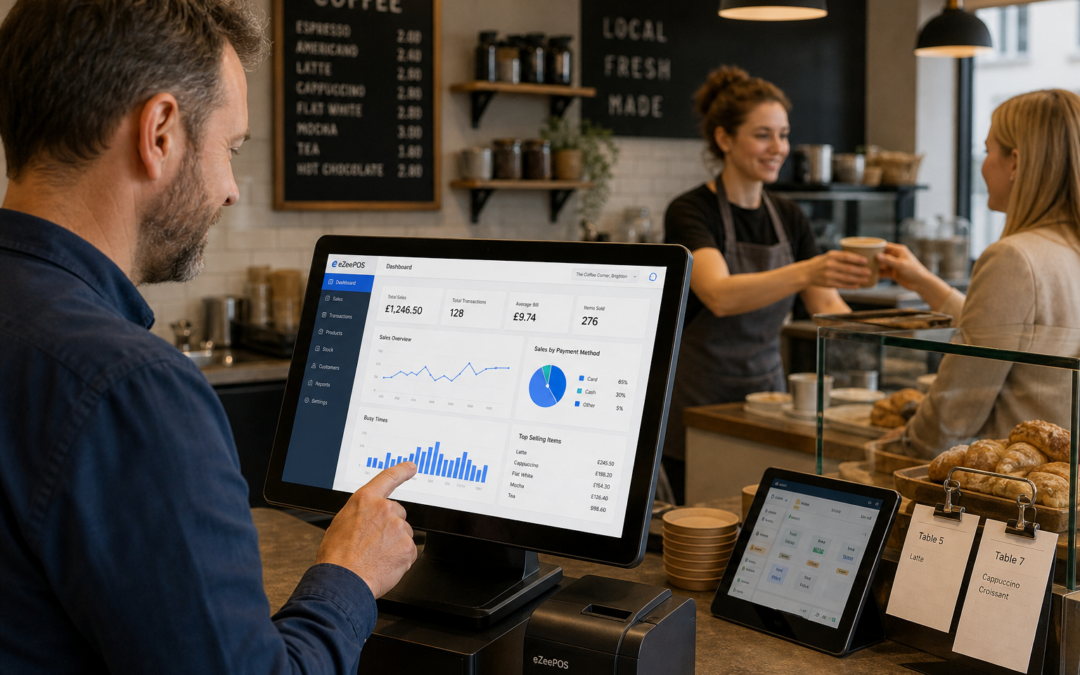
Good reporting is one of the most practical features a small business can have in its till system. Whether you run a shop, cafe, restaurant or takeaway, the right data can help you understand what is happening day to day, rather than relying on guesswork.
For UK businesses that want to stay organised and make steadier decisions, EPOS reporting turns everyday sales information into something useful. At eZeePOS, reporting is part of a wider approach to helping retail and hospitality businesses manage trading more confidently, without overcomplicating the till.
Why reporting matters in everyday trading
Many business owners know their busiest periods instinctively, but reliable reports can confirm patterns and reveal details that are easy to miss. A report can show which products are selling best, how trade changes across the week and whether certain times of day need more staff on duty.
That matters because small changes can affect service, customer experience and profitability. If a cafe is consistently busiest just before lunch, for example, the owner can plan prep, staffing and till cover around that pattern. If a shop sees strong sales on Fridays but slower footfall on Mondays, opening tasks, staffing levels and stock display decisions can be adjusted accordingly.
What useful EPOS reports can show
A modern EPOS system can provide a range of reports that are easy to review. The details available will depend on the setup, but useful reporting often includes:
- Daily and weekly sales totals
- Best-selling products or menu items
- Busiest trading times
- Staff sales activity
- Refunds and voids
- Category or department performance
- Growth or decline compared with previous periods
These reports do not need to be complicated to be valuable. In fact, for many independent businesses, simple and reliable summaries are more helpful than complex spreadsheets that take time to interpret.
Turning sales data into practical decisions
Staffing
One of the most immediate uses of reporting is rota planning. If the till data shows a regular spike at lunchtime or after school, staffing can be arranged more effectively. That can reduce queues, improve service speed and lower pressure on the team during busy periods.
Buying and menu planning
Reports can also help with purchasing decisions. Retailers can see which lines deserve more shelf space, while hospitality businesses can spot dishes or drinks that are consistently popular. This helps support smarter buying rather than over-ordering items that do not move.
Promotions and offers
Reporting is useful when reviewing discounts or promotions too. If a seasonal offer is driving sales, the results are easier to measure. If a special is not performing, business owners can adjust it sooner instead of waiting until the end of the month.
Managing performance over time
Regular reporting makes it easier to compare performance across weeks, months or seasons. That is especially important for UK businesses affected by school holidays, weather changes, local events or shifts in customer habits. A clear record helps owners spot trends early and respond with confidence.
Reporting for retail businesses
For independent retailers, reporting can help in several practical ways. A convenience store may want to understand which products sell best at different times of day. A gift shop may want to see which categories perform well in the run-up to seasonal events. A pet shop or hardware store may need to track slower and faster-moving lines to guide ordering decisions.
In a busy shop, reports can also help identify unusual patterns. If refunds, voids or discounts are appearing more often than expected, that can highlight staff training needs or processes that need tightening. The point is not to create extra admin, but to make the day easier to manage.
Reporting for hospitality businesses
In cafes, restaurants, bars and takeaways, reporting is just as useful. It can show peak serving times, popular items, average transaction values and how trade changes across different days of the week. That information can help managers plan for busy services, adjust prep times and make better decisions about staffing and menu layout.
For example, a takeaway might find that certain meal deals perform strongly on weekdays but not at weekends. A cafe may discover that breakfast trade is stronger than expected, while a restaurant may see that certain starters are consistently underperforming. Those insights can shape decisions without relying on assumptions.
How to make reporting part of the routine
The real value of reporting comes when it is used regularly. A short daily review can be enough for many smaller businesses, with a deeper weekly check for owners or managers. The aim is to keep the process simple and consistent.
- Check daily sales at the end of trading
- Review top-selling items each week
- Look at busy times before planning rotas
- Compare promotions against normal trading
- Use monthly reports to spot longer-term patterns
When reporting is built into the routine, decisions become less reactive and more informed. That is valuable for any business trying to stay efficient while keeping service standards high.
Choosing EPOS software with reporting that suits your business
Not every till system presents data in a helpful way. Some business owners only need simple summaries, while others want more detailed breakdowns by department, staff member or trading period. The important thing is to choose software that suits the size and style of your business.
eZeePOS is designed to help UK retail and hospitality businesses keep day-to-day trading organised, with reporting tools that are practical to use and easy to understand. If you are moving away from manual processes or a basic till, better reporting can be one of the clearest reasons to upgrade.
Final thoughts
Better reporting is not just about numbers on a screen. It is about making calmer, more informed decisions across staffing, buying, promotions and service planning. For independent businesses, that can make a real difference to daily trading.
If you want to explore EPOS reporting for your retail or hospitality business, visit www.ezeepos.co.uk.
Contact YCR Distribution at sales@ezeepos.co.uk or call 01924 438238.
Recent Comments