
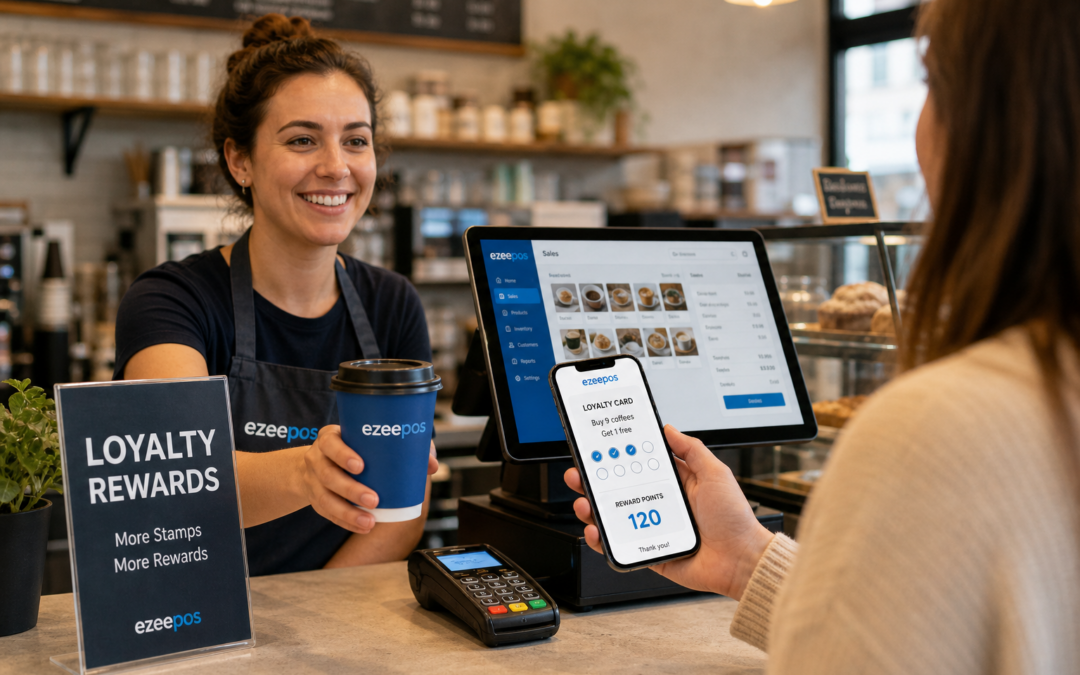
Customer loyalty is often the difference between a business that gets one-off trade and one that builds a steady stream of repeat customers. For UK cafés, independent shops and takeaways, loyalty does not need to be complicated. It just needs to be easy to explain, simple to use and consistent at the till. That is where a modern EPOS system can help.
At eZeePOS, the focus is on giving businesses a practical way to manage day-to-day sales, customer service and repeat trade without adding unnecessary admin. If you are looking for a smarter way to keep customers coming back, the right loyalty setup can make a noticeable difference.
Why loyalty still matters in everyday trading
Repeat customers are valuable because they already know your business, trust your offer and often spend less time deciding what to buy. A loyalty scheme gives them a reason to return more often, whether that means another lunch visit, a regular weekend takeaway or a return trip to an independent shop.
For busy businesses, loyalty also helps create a better customer experience. Instead of feeling like a generic transaction, each visit becomes part of an ongoing relationship. That can be especially useful for cafés, food businesses and local retailers competing against larger chains.
Keep the reward simple
The best loyalty ideas are usually the easiest ones to understand. Customers should know quickly what they need to do and what they get in return. If the reward feels confusing, people are less likely to use it consistently.
Practical loyalty ideas that work well
- Stamp-style rewards for coffee, meals or regular purchases
- Spend-and-earn offers where customers build credit over time
- Visit-based rewards for repeat café or takeaway orders
- Special offers for returning customers during quieter trading periods
- Birthday or seasonal treats that make the scheme feel personal
These ideas work best when staff can apply them quickly and customers can see the benefit straight away. A loyalty scheme should feel like a small thank-you, not a complicated process.
How EPOS helps keep loyalty organised
A paper card or manual stamp book may work for a while, but it can become awkward to track and easy to forget. An EPOS approach gives the business a more structured way to handle customer rewards, especially when multiple staff members are serving people throughout the day.
With a modern system, loyalty can sit alongside normal sales activity rather than becoming an extra task. That helps reduce mistakes, keeps the till process tidy and makes it easier for staff to stay confident when the counter is busy.
What businesses often want from a loyalty-friendly EPOS setup
- A clear way to record repeat visits or reward points
- Fast lookup at the till so staff can serve customers quickly
- Simple reporting so managers can see how often loyalty is being used
- Easy-to-train workflows for new and temporary staff
- A setup that works smoothly during busy lunch, weekend or evening periods
For many independent businesses, the goal is not to create a complex marketing system. It is to make loyalty practical enough that people actually use it.
Loyalty ideas by business type
Different businesses use loyalty in different ways, and it helps to match the offer to the type of customer you serve.
Cafés
Cafés often do well with repeat-visit rewards such as a free drink after a number of purchases, or a simple points-style scheme that encourages regular coffee trade. A scheme like this works best when staff can apply it quickly during busy morning and lunch periods.
Shops
Independent retailers may prefer a loyalty offer linked to spend, return visits or special customer promotions. That can be a useful way to build stronger relationships without introducing a complicated membership model.
Takeaways
For takeaways, loyalty can help bring customers back more often at quieter times and support regular ordering habits. Simple repeat-order rewards are often easier to manage than more elaborate offers.
Make the customer experience feel personal
Loyalty works best when it feels genuine. Customers are more likely to respond to a scheme that feels like part of your service rather than a generic promotion. Staff should be able to explain it in a natural way, and customers should understand the benefit without needing a long explanation.
That is why consistency matters. If one member of staff explains the scheme one way and another does it differently, it can create confusion. A clear EPOS process helps keep the customer experience more reliable across the whole team.
What to avoid with loyalty schemes
It is easy for a loyalty idea to become less effective if it is too hard to manage. Common problems include rewards that are difficult to explain, manual tracking that gets forgotten, or schemes that are too generous to remain practical. The aim is to add value without adding pressure.
It is also worth keeping an eye on the actual behaviour of your customers. If the reward is not being used, it may need to be simpler. If staff are regularly forgetting to apply it, the process may need to be built better into the till workflow.
A practical way to build repeat visits
For UK cafés, shops and takeaways, loyalty works best when it is simple, visible and easy for staff to use every day. A clear reward can help customers feel recognised, encourage more frequent visits and support steadier trade over time.
If you are thinking about how loyalty could fit into your own business, eZeePOS at www.ezeepos.co.uk is a practical place to start. It is designed for everyday retail and hospitality use, with a straightforward approach that helps businesses stay organised while keeping service moving.
Contact YCR Distribution at sales@ezeepos.co.uk or call 01924 438238.
To learn more, visit www.ezeepos.co.uk.
Recent Comments