
Why reporting matters in day-to-day trading
Many independent retailers, cafes, restaurants and takeaways make important decisions based on experience alone. That can work for a while, but as trade grows, it becomes harder to keep track of what is selling, when customers are busiest and where small changes could make a difference.
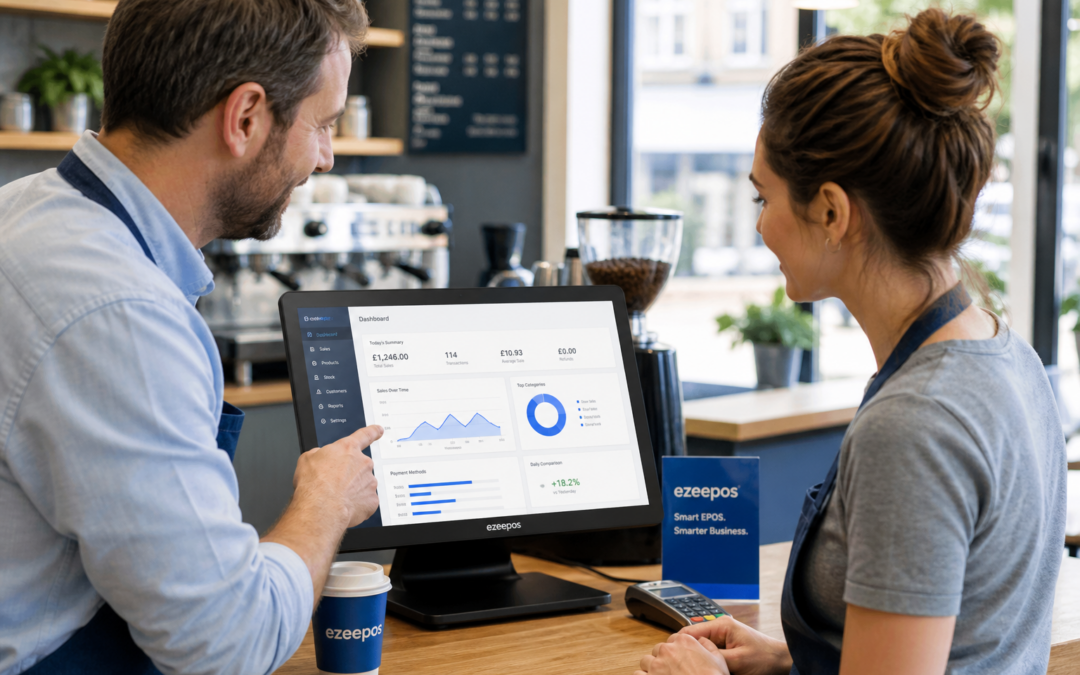
This is where EPOS reporting becomes genuinely useful. Instead of relying on a notebook, guesswork or end-of-week memory, business owners can use sales data to see what is happening in real time and over longer periods. For UK businesses wanting a clearer picture of performance, eZeePOS offers a practical way to turn day-to-day transactions into information you can actually use.
What EPOS reports can show
Not every business needs a complicated dashboard. In many cases, a few simple reports are enough to answer the questions that matter most.
Sales by day and time
Knowing when your busiest periods happen can help with staffing, stock preparation and service planning. A cafe may find mid-morning trade is stronger than lunch, while a shop may see a rush after school or on Saturdays. Seeing that pattern clearly helps owners plan rather than react.
Best-selling products or menu items
Popular items deserve attention. If a product or dish sells well, you may want to feature it more prominently, make sure staff know how to promote it, or simply prepare enough of it to avoid missed sales. Less popular items can also be reviewed to see whether they need replacing, repositioning or better promotion.
Quiet periods and slower trade
Reporting is not just about the busiest times. It can also highlight quieter hours, which may help with rota planning, cleaning schedules or local marketing efforts. A takeaway might use this insight to trial offers during slower evenings, while a shop could adjust staffing levels during the afternoon dip.
Staff performance and transaction patterns
For businesses with more than one staff member or shift, reports can help owners understand how the till is being used. This is not about overcomplicating management; it is about spotting trends that might otherwise be overlooked, such as unusually high refunds, voids or discounts.
Turning reporting into practical decisions
The real value of reporting is not the figures themselves, but what you do with them. A report is only useful if it helps you make a better decision.
For example, a retail shop may use sales reports to decide which seasonal lines to reorder. A restaurant may use them to identify dishes that are popular at lunch but slower in the evening. A cafe may notice that certain drinks sell better at specific times and adjust preparation accordingly. Even small changes can improve how a business runs.
With EPOS reporting, owners can also compare performance over time. That makes it easier to see whether a recent change has helped, whether a promotion had the effect you expected, or whether a busy spell was just a one-off. For independent businesses, that kind of clarity can be more useful than broad assumptions.
Reporting for retail businesses
In retail settings, reporting often helps with product range decisions and trading patterns. Independent shops, gift shops, convenience stores and similar businesses may use reports to:
- spot fast-moving stock types or categories
- identify quieter trading days
- review the effect of promotions or seasonal events
- understand which price points are working best
- plan staffing around peak footfall
Rather than waiting until the end of a busy month to review performance, owners can check results regularly and make smaller, more informed adjustments along the way.
Reporting for hospitality businesses
For cafes, restaurants, bars and takeaways, reporting can support better service as well as better sales planning. Busy hospitality businesses often need to know which times need the most staff, which dishes are consistently popular and where service may be slowing down.
A clearer view of trading can help with rota planning, menu updates and preparation for busier periods. It can also show whether table service, counter service or takeaway trade is performing best at different times of day. That insight can support steadier service and reduce pressure on staff during peak periods.
Useful reports should be easy to read
Good reporting is not about drowning owners in numbers. It should be straightforward to access and simple to understand. If a report takes too long to gather or is difficult to interpret, it is less likely to be used regularly.
That is why many businesses look for EPOS software that presents information in a practical way. Clear summaries, simple category breakdowns and easy-to-read sales views are usually more useful than complicated spreadsheets. The main goal is to help business owners make informed decisions quickly, without adding more admin to the day.
What to look for in reporting tools
- easy access to daily, weekly and monthly sales figures
- clear views of product, category or department performance
- simple comparisons across different time periods
- practical data that staff and owners can use without training headaches
- a reporting format that suits the way the business actually operates
Why reporting matters for growing businesses
As a business grows, decisions become more important. More staff, more products and more customers all create more moving parts. Reporting gives owners a better grip on how the business is performing without needing to be on the shop floor or in the kitchen at all times.
That is particularly helpful for businesses with more than one site, different trading patterns or seasonal peaks. Even if you are not running multiple locations, regular reporting can help you compare week on week and understand what is changing before it becomes a problem.
A practical way to stay in control
EPOS reporting is one of the most useful features for independent businesses because it supports better decisions across so many parts of the day. From staffing and menus to product range and trading patterns, the information is already there at the till. The key is having software that makes it easy to use.
If you are looking for a practical UK EPOS system that helps you understand your business more clearly, take a look at www.ezeepos.co.uk. eZeePOS is designed to support retail and hospitality businesses that want clearer reporting, simpler day-to-day management and a more organised approach to trading.
Contact YCR Distribution at [sales@ezeepos.co.uk](mailto:sales@ezeepos.co.uk) or call 01924 438238.
Recent Comments