
Why reporting matters in an independent shop
Independent retailers rarely have time to rely on gut feeling alone. When you are balancing stock displays, customer service, staffing and promotions, good information can make everyday decisions much easier. That is where EPOS reporting comes in.
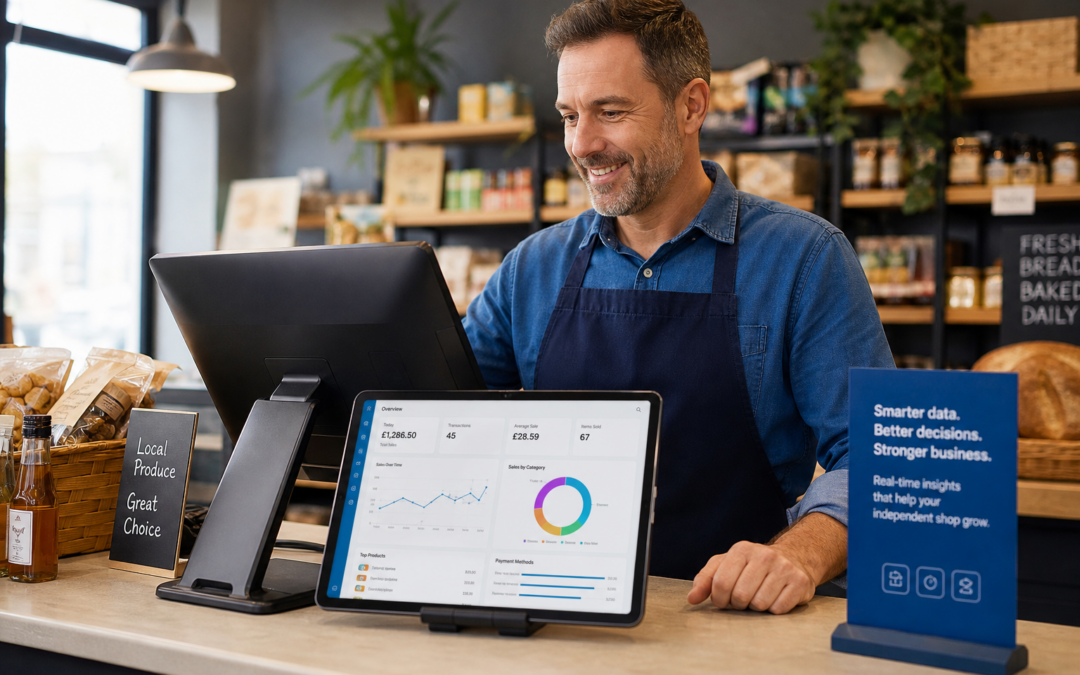
With a system like eZeePOS, shop owners can use sales data to see what is really happening at the till. Rather than guessing which products perform best or when the store is busiest, you can work from clear figures that reflect day-to-day trade.
For UK shops, this can be especially useful in areas such as fashion, gifts, convenience retail, pet shops and hardware stores, where demand may change quickly depending on the day, time of year or customer mix.
What useful reporting can tell you
EPOS reporting is most valuable when it helps answer practical questions. For example:
- Which products or departments are selling well
- What times of day are busiest
- Which days of the week bring the most trade
- How promotions are performing
- Whether sales are steady or slowing in certain areas
These are not abstract figures. They can help you plan staff rotas, decide when to restock popular lines and understand whether a display, promotion or seasonal range is working as expected.
Spotting patterns without spending hours on spreadsheets
Many smaller businesses still rely on manual records or basic till summaries that do not give much detail. That often leads to extra admin and slower decision-making. A modern retail EPOS system can present information in a much clearer way, so you can review key data quickly without having to build reports yourself.
For busy shop owners, that matters. If you can check your sales report before opening, during a quiet spell or at the end of the day, it becomes much easier to stay on top of trading patterns and respond in good time.
Using reporting to improve staffing and service
One of the most practical uses of EPOS reporting is staffing. Many independent shops do not need the same number of people on every shift, and overstaffing or understaffing can affect both service and margins.
By reviewing busy periods, you can make more informed choices about rota planning. If Saturday mornings are consistently stronger than midweek afternoons, you can schedule support where it is most useful. That can help reduce queues, improve service and make better use of payroll.
Reporting can also help train staff more effectively. If you notice that certain product categories are being asked for more often, team members can be briefed to guide customers more confidently and keep the sale moving.
Understanding what is working on the shop floor
Sales reports are not just about totals. They can help you understand the effect of layout, seasonality and customer behaviour. For example, if a display is moved near the till and sales rise, that is useful information for future merchandising. If a seasonal range sells strongly in one month but not another, you can plan stock and promotions more carefully next time.
This is particularly helpful for independent shops that need to make every square foot count. A good EPOS report can support practical changes such as where to place impulse lines, when to reorder popular items and how to structure future promotions.
Helpful for multi-department retail
Some shops also carry products across several departments, such as food, gifts, pet supplies or homeware. In those cases, reporting can help the owner understand which areas are contributing most to overall turnover.
That makes it easier to review performance at department level rather than looking at the shop as one broad figure. If one section is consistently underperforming, you can investigate whether the issue is pricing, presentation, product choice or customer demand.
Turning reports into practical decisions
The real value of reporting only appears when you act on it. A report is useful because it points to a next step. That might mean adjusting opening hours, changing a display, reviewing a promotion or focusing attention on best-selling products.
For example, if Monday mornings are consistently quiet, you may choose to use that time for admin or replenishment work. If late-week trade rises sharply, you can prepare staff and stock in advance. These are small decisions, but they can make a measurable difference to day-to-day trading.
Better reporting also gives owners more confidence. Rather than relying on memory or broad assumptions, you are reviewing real sales information from your own business.
Why this matters for growing independent businesses
As a shop grows, decisions become harder to manage by instinct alone. More products, more staff and more customers all create extra complexity. EPOS reporting helps bring that under control without making the business feel weighed down by admin.
Whether you run a single independent shop or are planning to add another location in future, having clearer visibility of sales trends can support more consistent planning. It can also help you compare performance over time, which is useful when reviewing seasonal trade or measuring the impact of local events and promotions.
A simple way to stay informed
EPOS reporting does not need to be difficult or technical to be useful. For many independent retailers, the best system is one that gives straightforward answers in a format they can actually use. That is exactly why reporting remains one of the most valuable everyday features in a modern till setup.
If you are looking at how to make your retail operation more organised, eZeePOS is a practical UK EPOS option worth exploring. Visit www.ezeepos.co.uk to learn more about how a better reporting setup can support your shop.
Contact YCR Distribution at sales@ezeepos.co.uk or call 01924 438238.
Recent Comments