
Why loyalty still matters for independent businesses
For many UK shops, cafés, takeaways and small hospitality venues, repeat trade is what keeps the week steady. A busy Saturday helps, but regular customers are what often smooth out quieter days and make day-to-day trading more predictable.
That is where a simple loyalty approach can make a real difference. Instead of relying on paper cards, manual stamps or staff remembering who qualifies for a reward, an EPOS connected loyalty setup can keep the process tidy and easy to use. For businesses looking at modern loyalty options, eZeePOS at www.ezeepos.co.uk can support a more organised way of rewarding customers without making service harder.
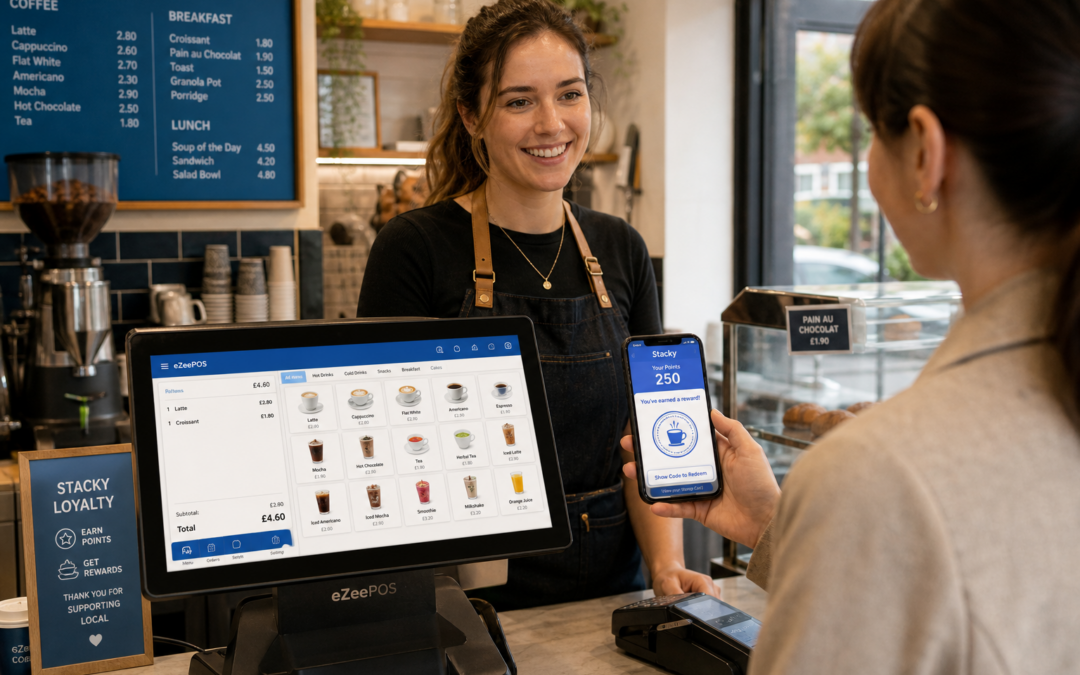
One option many businesses now consider is a Stacky loyalty app style approach, where rewards, offers and customer visits are easier to track from a connected system rather than separate paper records.
What a Stacky loyalty app can do in practice
A loyalty app is only useful if customers actually use it and staff can manage it quickly. The main value comes from making rewards simple enough to fit into normal service. That might mean points, stamps, reward thresholds or offer reminders that are easy to understand and easy to apply.
In a café, for example, a regular customer may collect visits towards a free drink. In a shop, the same customer may qualify for a reward after spending a certain amount over time. In a takeaway, loyalty can encourage repeat orders during quieter periods, helping the business keep a steadier flow of custom.
The point is not to create a complicated marketing system. It is to make loyalty practical at the till, so staff can explain it quickly and customers can see the benefit straight away.
How loyalty helps different UK business types
Cafés and small hospitality venues
Cafés often depend on regular morning trade. A loyalty app gives customers a reason to come back instead of trying somewhere else down the road. If the reward is clear and easy to earn, it can help turn an occasional coffee stop into a habit.
Shops and gift retailers
Independent shops can use loyalty to encourage repeat browsing and more frequent visits. That can be especially useful for stores that sell everyday items alongside seasonal or impulse purchases. A customer who knows they are working towards a reward may be more likely to return sooner.
Takeaways and quick-service businesses
For takeaways, loyalty can be a practical way to reward repeat orders without slowing down service. If customers can build up rewards over time and staff can apply them quickly, it adds value without creating extra pressure during busy periods.
Why digital loyalty is easier than paper schemes
Old-fashioned stamp cards are familiar, but they have limits. Customers lose them, staff forget the rules, and business owners cannot easily see how well the scheme is performing. A digital loyalty setup can solve some of those problems.
- It is easier to keep the rules consistent across staff members.
- Customers do not need to carry paper cards around.
- Offers can be linked to actual purchase behaviour.
- The business can keep records more neatly within its EPOS setup.
That does not mean every business needs a large or complex loyalty system. Often, the best approach is the simplest one: clear rewards, quick sign-up and easy redemption at the till.
What to look for in a loyalty setup
If you are considering a loyalty app or a similar digital reward scheme, it is worth thinking about how it will work in everyday trading. A good setup should support the natural pace of your business rather than creating extra steps.
Ease of use for staff
Staff should be able to explain the scheme quickly, check customer progress and apply rewards without slowing down service. If the process is difficult, staff are less likely to promote it and customers are less likely to bother using it.
Clarity for customers
The best loyalty schemes are easy to understand. Customers should know what they need to do, what they will earn and when they can use a reward. If the offer is too complicated, it will not feel worthwhile.
Fit with your business style
A loyalty setup for a café may not suit a retail shop exactly the same way. The reward structure, sign-up process and promotion style should match the type of business, the customer visit pattern and the pace of service.
How EPOS makes loyalty practical
EPOS matters because it brings the loyalty process into the normal till routine. Instead of using separate systems or extra manual checks, staff can manage purchases and rewards in one place. That helps reduce mistakes and makes the scheme feel like part of the business rather than an extra task.
For independent businesses, that simplicity is often the biggest benefit. When a loyalty scheme is built into the till workflow, it is easier to train new staff, easier to keep records consistent and easier to keep customers engaged.
It can also support more useful conversations about what customers respond to. You may notice that certain offers work better at specific times of day, or that regulars respond more strongly to simple rewards than to more complicated promotions. Over time, those small observations can help you shape a better offer.
Keeping loyalty useful rather than gimmicky
A loyalty scheme should support the business, not distract from it. The most effective programmes are usually the ones that feel natural, add value quickly and do not require constant administration to stay useful.
That is why a Stacky loyalty app style approach can work well for independent UK businesses. It gives you a structured way to reward regulars while keeping the day-to-day process straightforward. Customers see the benefit, staff keep service moving and owners get a more consistent way to encourage repeat visits.
If you are exploring modern loyalty options alongside your EPOS setup, eZeePOS can help provide a practical foundation for retail and hospitality businesses that want to keep things simple.
To find out more, visit www.ezeepos.co.uk.
Contact YCR Distribution at sales@ezeepos.co.uk or call 01924 438238.
Recent Comments