
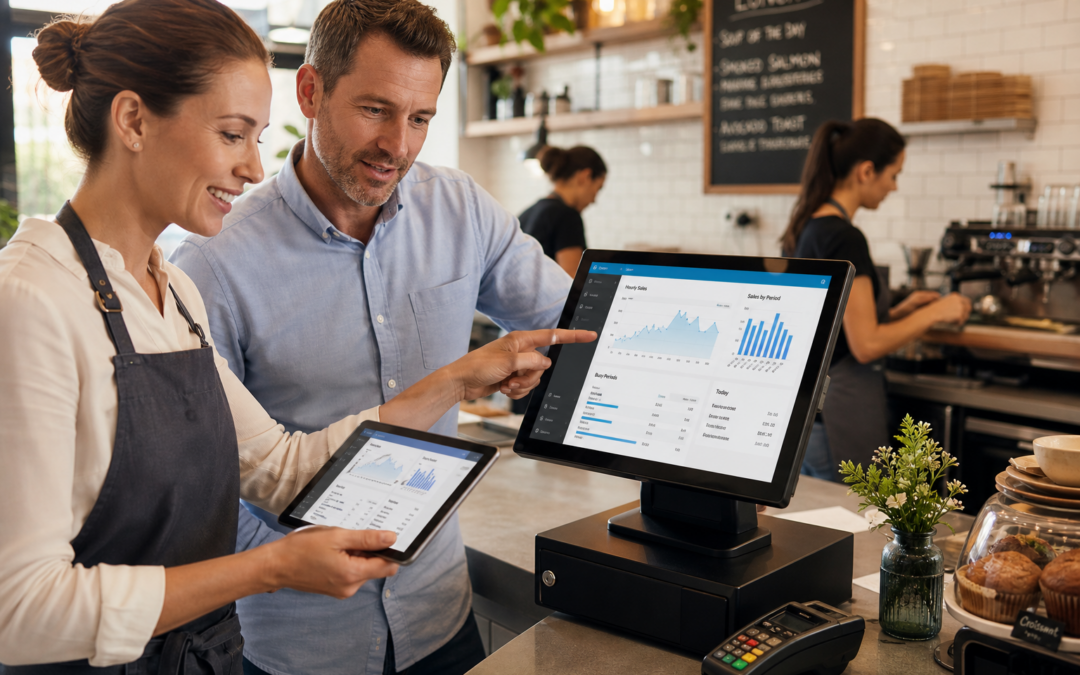
For many independent businesses, staffing decisions are made from experience, instinct and a quick look at the diary. That works to a point, but it can be hard to know exactly when you need extra cover, when a shift can be shorter, or when a particular day is likely to feel busier than usual. This is where better EPOS reporting becomes genuinely useful.
With a system like eZeePOS from www.ezeepos.co.uk, the till can give owners clearer day-to-day sales information that helps them make more practical staffing decisions. Rather than relying only on memory, you can look at trends and patterns that show when your business is busiest, which parts of the day need the most support, and how different trading periods compare.
Why staffing decisions matter so much
In retail and hospitality, staffing levels affect almost everything customers notice. Too few people on shift and service slows down. Too many and labour costs start to rise without a clear return. For independent businesses, that balance matters every day.
This is especially true for businesses that have fluctuating trade, such as:
- cafés and restaurants with lunchtime and weekend peaks
- shops that see a rush after school, work or payday
- takeaways with sharp evening surges
- gift shops, farm shops and garden centres with seasonal footfall changes
A sensible staffing plan can help the business feel calmer for both customers and staff. EPOS reporting gives you more evidence to support that plan.
What EPOS reporting can reveal
A good reporting setup can show you more than total takings. It can help you understand how sales move across the day, week and month. That makes it easier to link staffing to real trading patterns.
Busy times by hour or session
If your EPOS system shows sales by time of day, you can spot your strongest service windows. For example, a café may find that 8am to 10am is consistently the busiest breakfast period, while a restaurant may need more cover from 6pm onwards. A shop may see the sharpest rush during lunch breaks or just after school.
Once you know those patterns, you can plan who needs to be on the floor, on the till or supporting preparation when demand is highest.
Trends across different days
Some businesses are busiest early in the week, while others rely heavily on Fridays, Saturdays or Sunday trade. Reporting makes those trends easier to see. If Monday is always quieter than Thursday, you may be able to schedule fewer staff on Monday and more support later in the week.
This does not mean cutting staff to the bone. It means using the right people at the right times so service stays smooth.
Seasonal changes and special events
Many UK businesses trade very differently across the year. Garden centres, gift shops, farm shops, cafés and hospitality venues often see major seasonal swings. A Christmas period, school holiday, local event or weather change can all affect footfall.
EPOS reporting helps you compare this year against the last one, so staffing plans can be updated with real evidence instead of guesswork.
How reporting helps you avoid last-minute pressure
One of the biggest benefits of reporting is not only making better plans, but making them earlier. When you can see a pattern forming, you have time to adjust rotas before service becomes stressful.
For example, if Friday afternoons have slowly become busier over the last few months, you can add extra cover before the problem grows. If a particular shift has been consistently quiet, you may be able to reduce hours slightly without affecting service.
That kind of planning is especially useful for smaller teams where one absence can cause real pressure. A clear reporting system supports calmer scheduling and reduces the chance of being caught out.
Useful reports to look at regularly
Not every report needs to be checked every day. The most helpful ones are usually simple and easy to review. Focus on the data that helps guide decisions.
- Sales by day – useful for spotting weekly peaks and quieter trading days
- Sales by hour – helpful for planning shift length and peak cover
- Product or category sales – useful for understanding what drives busy periods
- Time-based reports – useful for seeing when customer demand rises and falls
With this kind of information, managers can make better calls about opening cover, break times and when extra help may be needed front of house.
Using reporting alongside staff scheduling
EPOS reporting works best when it is used as part of a wider staffing routine. Business owners can review key reports each week, then compare them with the rota and overall trading performance. Over time, this creates a stronger picture of how staffing and sales relate to one another.
For example:
- a restaurant might schedule additional front-of-house support at busy booking times
- a convenience store might plan more cover during lunch and after-school periods
- a takeaway might make sure enough staff are available to handle the evening rush
- a café might adjust shift start times to prepare properly for the morning surge
This is where clear reporting becomes practical, not just interesting. It helps the business use labour more efficiently while still keeping service standards high.
Why this matters for independent UK businesses
Large chains often have dedicated teams to analyse performance. Independent businesses usually do not have that luxury. The reporting built into a modern EPOS system gives owners and managers a simple way to make more informed decisions without adding extra admin.
That is one reason eZeePOS is useful for retail and hospitality businesses that want a reliable, easy-to-read picture of trading patterns. It can help turn everyday till data into something that supports better planning, including staffing decisions that affect service quality, team morale and customer experience.
For businesses that would like to explore how EPOS reporting could fit their operation, it is worth taking a look at www.ezeepos.co.uk and discussing options with the team. A practical conversation can make it easier to see which reports matter most for your type of business.
Planning ahead with better information
Good staffing is not only about having enough people. It is about having the right people available at the right time. EPOS reporting gives you a clearer view of how your business really trades, so rotas can be based on evidence rather than assumptions.
For busy UK retailers, cafés, restaurants and takeaways, that can mean smoother service, less stress and better use of time across the week. It is a simple improvement, but one that can make a real difference.
Contact YCR Distribution at sales@ezeepos.co.uk or call 01924 438238.
Find out more: Visit www.ezeepos.co.uk to see how eZeePOS can support better reporting and more confident staffing decisions for your business.
Recent Comments