
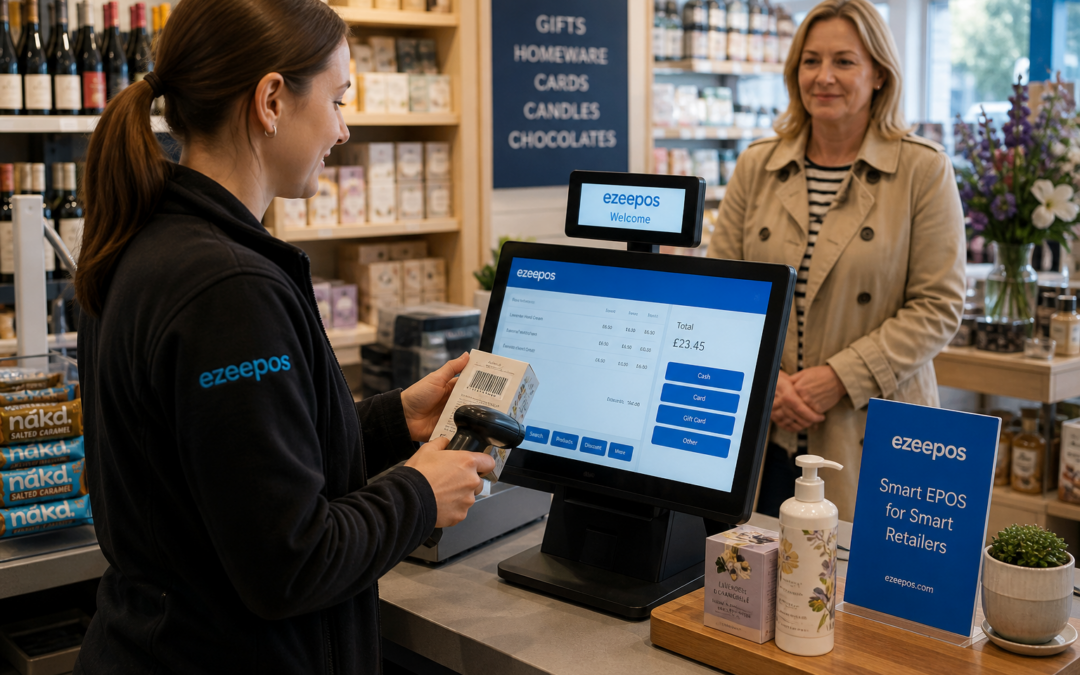
Why barcode scanning still matters at the till
For many independent retailers, the checkout is where good service is either reinforced or undone. If staff can identify products quickly, process the sale cleanly and keep the queue moving, the whole shop feels more organised. That is why barcode scanning remains one of the most useful features in a modern retail EPOS setup.
Whether you run a convenience store, gift shop, pet shop or mixed retail counter, barcode scanning helps remove unnecessary steps from the sale. Instead of relying on manual item searches every time, staff can scan products in seconds and keep the customer journey smooth. For businesses looking at practical EPOS options, eZeePOS is one example of a UK-focused system designed to support everyday retail trading.
How barcode scanning improves day-to-day retail service
The main benefit of barcode scanning is speed, but the real value is often in how calm and consistent it makes service feel. A busy counter can become stressful when staff need to type in product names, check prices manually or pause to find the right line on screen. Scanning a barcode avoids much of that friction.
Fewer delays during busy periods
When the shop is busy, even a few seconds saved per item can make a noticeable difference. Barcode scanning lets staff process sales more quickly and keep the queue moving, especially in shops with basket-based purchases and frequent repeat items.
Less room for avoidable errors
Manual keying increases the chance of mistakes, particularly on a busy till. A scan-based process helps make pricing and product selection more consistent, which is useful for customers and staff alike. It can also reduce awkward corrections later in the transaction.
Better support for newer staff
Barcode scanning can make training easier because staff do not need to memorise every product name or category before serving confidently. That is especially valuable for independent retailers with part-time teams, seasonal workers or younger staff who may be learning the counter quickly.
Where barcode scanning works best in retail
Barcode scanning is not just for large supermarkets. In fact, many smaller shops get the greatest benefit because they need to balance service speed with limited staffing. It can be particularly useful in:
- Convenience stores with frequent repeat purchases
- Gift shops with varied stock and seasonal ranges
- Pet shops with grouped products and different package sizes
- Fashion and clothing shops managing multiple sizes and styles
- Hardware stores with a mix of small items and more complex product ranges
In these settings, the scan does more than add convenience. It supports a smoother checkout routine and gives staff a clearer way to handle everyday sales without slowing customers down.
Barcode scanning and product lookup: a useful combination
Even with barcode scanning in place, not every item will scan every time. Damaged labels, loose products or items without a visible code can still appear at the till. That is where product lookup remains important. The best retail setups combine both approaches so staff can scan standard stock quickly and still find edge-case products easily when needed.
This combination is especially useful for shops with mixed ranges, where some items arrive pre-barcoded and others need a quick on-screen search. A practical EPOS system should make that switch feel natural rather than clunky.
What to look for in a barcode scanning setup
If you are reviewing your current till or planning an upgrade, it helps to think beyond the scanner itself. Barcode scanning works best when the software and counter layout support it properly.
Fast, clear product recognition
The till should be able to recognise scanned items quickly and display them clearly, so staff do not need to pause and double-check each line. A clean screen layout can make a real difference during service.
Simple training for staff
A good retail EPOS should keep scanning straightforward for new and experienced staff alike. If the workflow is easy to follow, teams are more likely to use it correctly all the time.
Flexible use alongside manual search
Not every product suits barcode entry. Some may be weighed, seasonal, bundled or unlabelled. A strong system should allow barcode scanning and product lookup to work together so the till remains usable in real-world conditions.
Suitable hardware for your counter
While this article is focused on the software side, the right scanner and touchscreen layout still matter in daily use. A compact counter needs a tidy setup, while a busier retail space may need equipment that is quick to reach and comfortable for repeated transactions.
Why this matters for independent businesses
Independent retailers rarely have the luxury of long queues, extra staff or wasted time at the till. Every transaction needs to feel efficient, accurate and easy to manage. Barcode scanning supports that by turning routine sales into a quicker, more reliable process.
It also helps owners build a more professional checkout experience without overcomplicating the business. That matters in shops where customer service, local reputation and repeat visits all play a part in long-term success.
Using barcode scanning as part of a broader EPOS setup
Barcode scanning is one useful part of a wider EPOS system. When it sits alongside reporting, product lookup, clear item groups and sensible till permissions, the result is a setup that feels easier to manage day to day. For retailers comparing modern EPOS options, it is worth looking at how the full system supports speed, accuracy and staff confidence rather than focusing on one feature alone.
If you are exploring a practical EPOS for a UK retail business, visit www.ezeepos.co.uk to see how eZeePOS may help with everyday checkout tasks and retail workflow. Contact YCR Distribution at sales@ezeepos.co.uk or call 01924 438238.
For a straightforward conversation about your shop, counter setup or retail EPOS needs, eZeePOS can help you look at options that suit your business without overcomplicating the till.
Recent Comments