
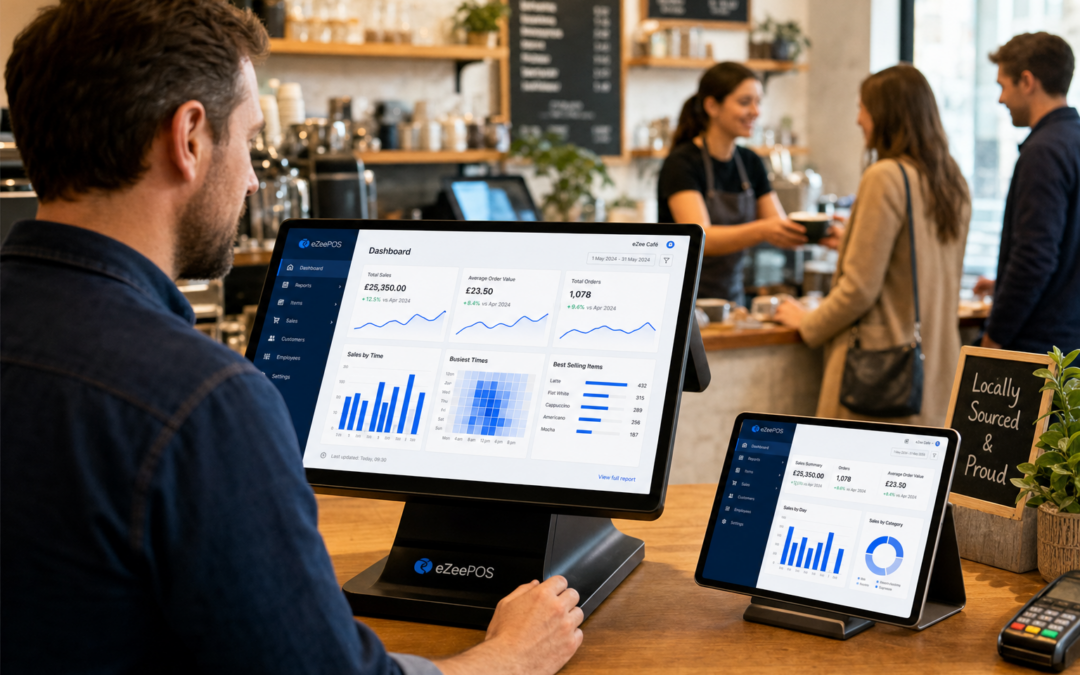
For many independent businesses, reporting is not the first thing they think about when choosing a till system. Sales are more immediate, payments are more visible and day-to-day service takes priority. But once a business starts relying on regular trading patterns, good reporting can make a real difference.
With a practical EPOS setup from eZeePOS, reporting becomes more than a list of numbers. It gives retailers, cafés, restaurants, bars and takeaways a clearer view of what is happening in the business each day. That can help with staffing, planning, promotions and understanding when trade is strong or when it needs attention.
Why reporting matters in everyday trading
Reports are useful because they show what happened after the rush has passed. Instead of relying on memory or guesswork, business owners can review sales and trends in a structured way. That makes it easier to spot patterns that are hard to see while serving customers.
For example, a retailer may notice that certain product categories sell well on specific days of the week. A café may see that breakfast trade is strongest at particular times, while a takeaway may find that late-evening orders need more staff than expected. These are the kinds of details that can influence better decisions.
Turning sales data into practical actions
Good reporting is only useful if it helps with action. A modern EPOS system should make it easier to answer questions such as:
- What are our busiest trading periods?
- Which products, dishes or categories are selling best?
- Are there times when service slows down?
- How do sales compare across different days or periods?
- Are promotions or menu changes having the effect we expected?
These are simple questions, but they are important ones. If the reporting is clear, the answers can help guide staff planning, buying decisions and customer service improvements.
What useful EPOS reports can show
A well-designed EPOS setup should make reports easy to read without needing special training. The most helpful reports often focus on real trading activity rather than unnecessary complexity.
Sales by day, week or month
These reports help owners understand the overall shape of their business. A shop might use them to compare weekends with weekdays. A restaurant may look at how lunch trade differs from evening service. A bar or takeaway may use the data to plan for predictable busy periods.
Best-selling items and categories
Knowing what sells well can help businesses make better decisions about menus, displays and merchandising. In retail, this might highlight strong lines or seasonal products. In hospitality, it can show which dishes or drinks remain popular and which items may need reviewing.
Busy times and service patterns
Reporting is also useful for understanding when the business is under the most pressure. This can help with shift planning, break scheduling and front-of-house organisation. For small businesses, even a modest change in staffing at the right time can improve customer experience.
Refunds, voids and adjustments
These details can be important for managers who want to keep trading organised. Seeing patterns in refunds or voids may point to training needs, menu clarity issues or procedures that need tightening up.
How reporting helps different business types
Reporting matters across retail and hospitality, but the value looks slightly different depending on the business type.
For retailers
Independent retailers can use reporting to understand which departments or product groups are strongest. A gift shop may review seasonal sales. A convenience store may check daily trade patterns. A fashion shop may compare sales across lines, sizes or promotions. This makes it easier to plan stock, displays and staffing.
For cafés and restaurants
Hospitality businesses often need to react quickly to customer flow. Reporting can show when orders peak, which menu items are most popular and whether trading is changing week by week. That can support smarter prep, better table planning and more confident rota decisions.
For takeaways and quick-service businesses
In faster-moving environments, reporting can help owners understand peak service windows and avoid being caught short on staffing. It can also show whether certain times or menu items consistently create pressure. That makes it easier to keep service steady without overcomplicating the operation.
Why clear reporting is better than spreadsheets alone
Some businesses still rely on manual records or separate spreadsheets to track performance. While that can work for a while, it often creates extra work and makes it harder to spot trends quickly. EPOS reporting brings the information closer to the day-to-day till operation, so it is easier to review and easier to trust.
Instead of gathering data from different places, owners can look at a single system and understand what has happened across the business. That saves time and reduces the risk of decisions being based on incomplete information.
Using reporting to support better decisions
The real value of reporting is not in collecting numbers for their own sake. It is in helping owners feel more confident about what to do next. For a small business, that might mean adjusting rota patterns, changing opening hours, reviewing a menu, or simply noticing when a week has been stronger or weaker than expected.
Clear reporting also makes conversations with managers and staff more straightforward. When everyone can see the same information, it is easier to agree where attention should go. That can improve organisation without creating extra admin.
A practical EPOS feature worth paying attention to
If you are comparing EPOS systems, reporting should be on the list of features you look at early. It does not need to be complicated, but it should be easy to access, easy to understand and useful in a real working day.
For many UK businesses, that means choosing a system that gives a clear view of sales and performance without adding unnecessary complexity. That is where a practical solution like eZeePOS can help. It is designed to support independent retailers and hospitality businesses with tools that make day-to-day trading more organised.
If you are reviewing your current setup or looking at a new till system, take a close look at the reporting side as well as the front counter. It may be one of the simplest ways to run a better-informed business.
Contact YCR Distribution at sales@ezeepos.co.uk or call 01924 438238.
To find out more about eZeePOS, visit www.ezeepos.co.uk.
Recent Comments